
Semaglutide Could Cost as Little as $28/Year by End of 2026
Semaglutide cost projections are making headlines, with a new study suggesting generic versions of this GLP-1 medication could plummet to as low as $28 per person-year by the end of 2026. Originally developed for type 2 diabetes management, semaglutide has revolutionized weight loss, with 1 in 8 Americans now using it. This drug has even contributed to declining obesity rates for the first time in decades, yet its high price—around $1,000 out-of-pocket for a box or $10,000 annually in the US—has limited access. The Ozempic market alone is valued at $24 billion, but patent expirations could crack this paywall wide open.
The Study Behind the Semaglutide Price Drop Prediction
Led by Jacob LEVI of the NHS Royal Free Hospital Trust in London, UK, researchers employed a "cost-plus" methodology to analyze real-world manufacturing data. They examined active pharmaceutical ingredient (API) shipments from India between late 2024 and 2025, revealing the raw API for semaglutide costs roughly $39,866.65 per kilogram. Per dose, this equates to just $0.01, with even the highest 2.4mg weekly maintenance dose at $0.12.
Accounting for excipients, formulation, transportation, a 30% manufacturer profit margin, and a 27% tax on profits, the team estimated generic injectable semaglutide could be distributed for $28 to $140 per person-year. That's a staggering 98% discount compared to current US branded prices.
How Semaglutide Works: A GLP-1 Powerhouse
Semaglutide is a glucagon-like peptide-1 (GLP-1) receptor agonist that mimics the GLP-1 hormone. It slows gastric emptying, reduces appetite, and improves insulin sensitivity, making it highly effective for blood sugar control in type 2 diabetes and substantial weight loss—often 15-20% of body weight. This dual action addresses the intertwined epidemics of diabetes and obesity, where semaglutide has shown superior efficacy in clinical trials.
For patients, this means better glycemic control and reduced cardiovascular risks. However, lifelong use is often necessary, as studies indicate weight regain upon discontinuation, underscoring the importance of semaglutide affordability for sustained treatment.
Current High Costs and Big Pharma Profits
Why the premium pricing? Companies like Novo Nordisk, which earned over $26 billion from Ozempic and Wegovy in 2024, and Eli Lilly with nearly $16 billion from tirzepatide, can charge because demand outstrips supply. Ozempic and Wegovy rank as the third and sixteenth highest-grossing pharmaceuticals globally. While R&D investments justify some costs, the drugs' popularity provides leverage to maintain high prices during patent protection.
In comparison, tirzepatide (in Mounjaro and Zepbound) offers dual GLP-1/GIP action for potentially greater weight loss, but shares similar pricing challenges until its own generics emerge.
Patent Expirations Opening the Door
Starting April 2026, patents on semaglutide expire in major markets like India, China, Canada, and Brazil. By the end of 2026, generics could reach 160 countries, covering 69% of the global type 2 diabetes (T2DM) burden and 84% of clinical obesity cases.
Breaking Down the True Manufacturing Costs
- API Cost: $0.01-$0.12 per dose
- Full Production (including profits/taxes): $28-$140 per person-year
These figures highlight how the actual production cost is a tiny fraction of pharmacy prices, positioning generics as a pathway to equitable access.
Precision tracking for your journey
Join thousands using Shotlee to accurately track GLP-1 medications and side effects.
📱 Get the Shotlee App
Track your GLP-1 medications, peptides, and health metrics on the go with our mobile app!
The Real Cost Driver: Delivery Devices
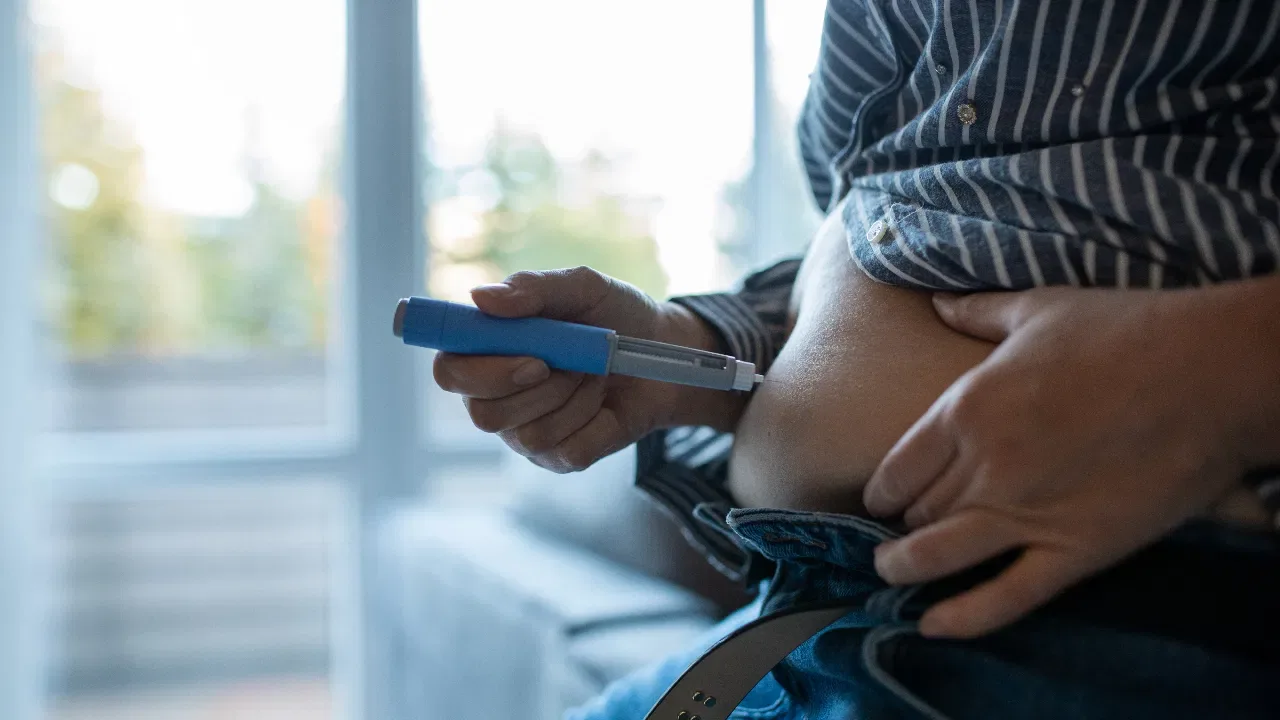
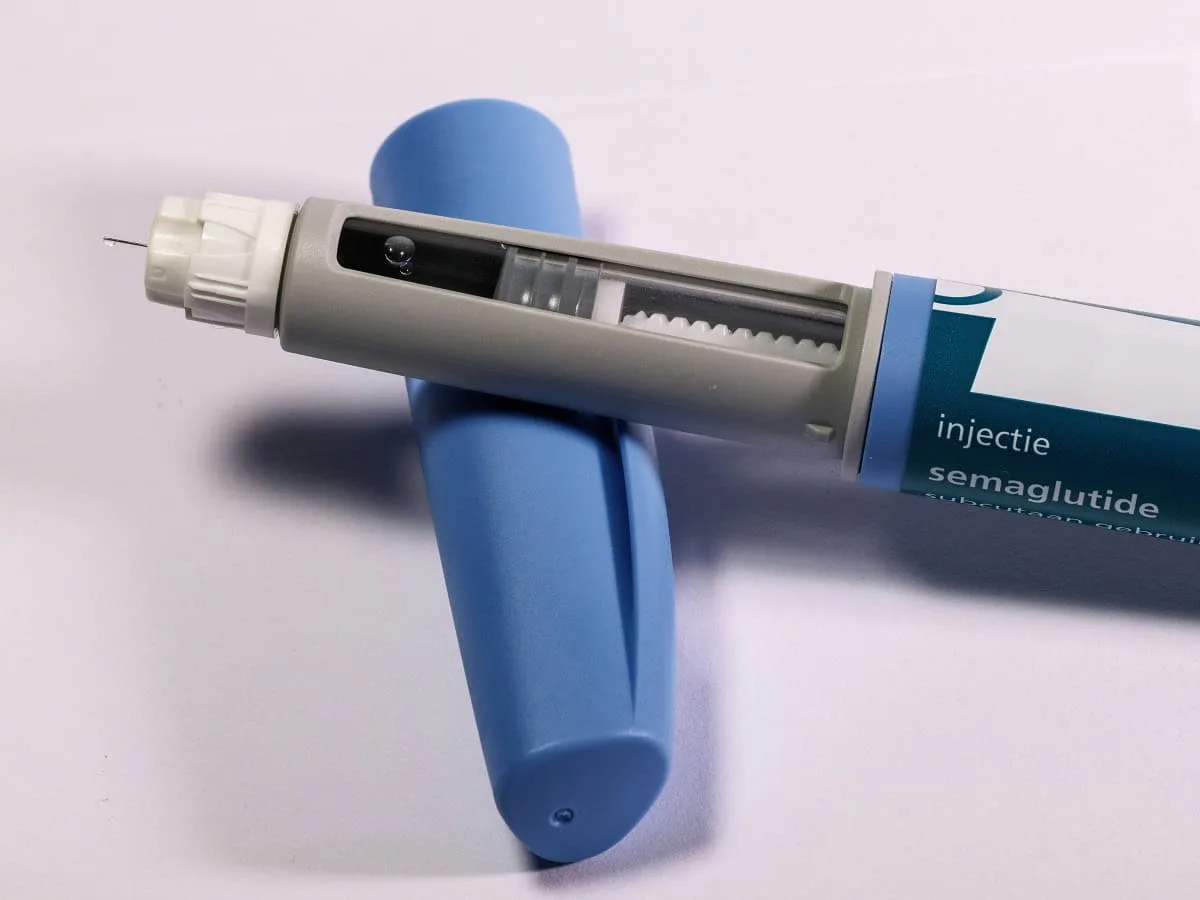
While the drug itself is cheap to produce, disposable injection pens are the hidden expense. Each pen costs $0.30-$2.50 to make, and with 52 needed annually, device costs can be 8-68 times the drug itself—totaling $29-$138 yearly. Novo Nordisk holds over 220 patents across 20 families, many protecting pen mechanisms rather than the molecule. These secondary patents may delay full affordability.
Patients using tools like Shotlee for medication schedules and side effect tracking can better manage these regimens, ensuring adherence amid cost concerns.
Oral Semaglutide: A Viable Alternative?
Oral versions require higher doses due to poor gut absorption, estimating $186-$380 per person-year for generics. Still a fraction of branded Rybelsus prices, this could expand options where injections are impractical.
Safety Considerations and Side Effects
Semaglutide is generally well-tolerated, with common side effects like nausea, vomiting, and diarrhea often improving over time. Serious risks include pancreatitis or thyroid tumors (rare), so patients should discuss family history and monitor symptoms. Trials like SUSTAIN-6 and FLOW demonstrated reduced kidney disease, major heart attacks, and all-cause mortality in high-risk groups, earning it a spot on the WHO Essential Medicines List.
Consult a healthcare provider to assess suitability, especially for those with gastrointestinal issues or planning pregnancy.
Global Health Implications of Cheaper Semaglutide
Obesity affects 1 in 8 people worldwide, with 70% of the burden in low- and middle-income countries (LMICs), where noncommunicable diseases cause 82% of premature deaths. Affordable semaglutide could address this crisis, offering more than weight loss—it's a lifeline for diabetes management.
"If generic production reduces prices to sustainable levels, millions more people could access treatment," says Dr. Samuel Cross of Imperial College London, a study author.
Who Should Consider Semaglutide?
Ideal candidates include adults with BMI ≥30 (or ≥27 with comorbidities like hypertension) and type 2 diabetes not controlled by lifestyle or other meds. Discuss with your doctor: start low (0.25mg weekly), titrate slowly, combine with diet/exercise. Compare to alternatives like liraglutide or phentermine for personalized fit.
Key Takeaways: What This Means for Patients
- Generic semaglutide could cost $28-$140/year post-2026 patents.
- Injection pens remain a cost hurdle due to extended patents.
- Proven benefits: weight loss, heart/kidney protection, lower mortality.
- Lifelong therapy likely needed; affordability critical for equity.
- Monitor access in your country and track progress with apps like Shotlee.
Conclusion: A Tipping Point for Metabolic Health
April 2026 marks a potential turning point. While no pill solves food insecurity or sedentary lifestyles, low-cost semaglutide could empower millions in the fight against obesity and diabetes. Stay informed on patent updates and consult providers for the latest on generic semaglutide availability. This isn't just about price—it's about global health equity.