
Introduction to GLP-1 Therapies in India
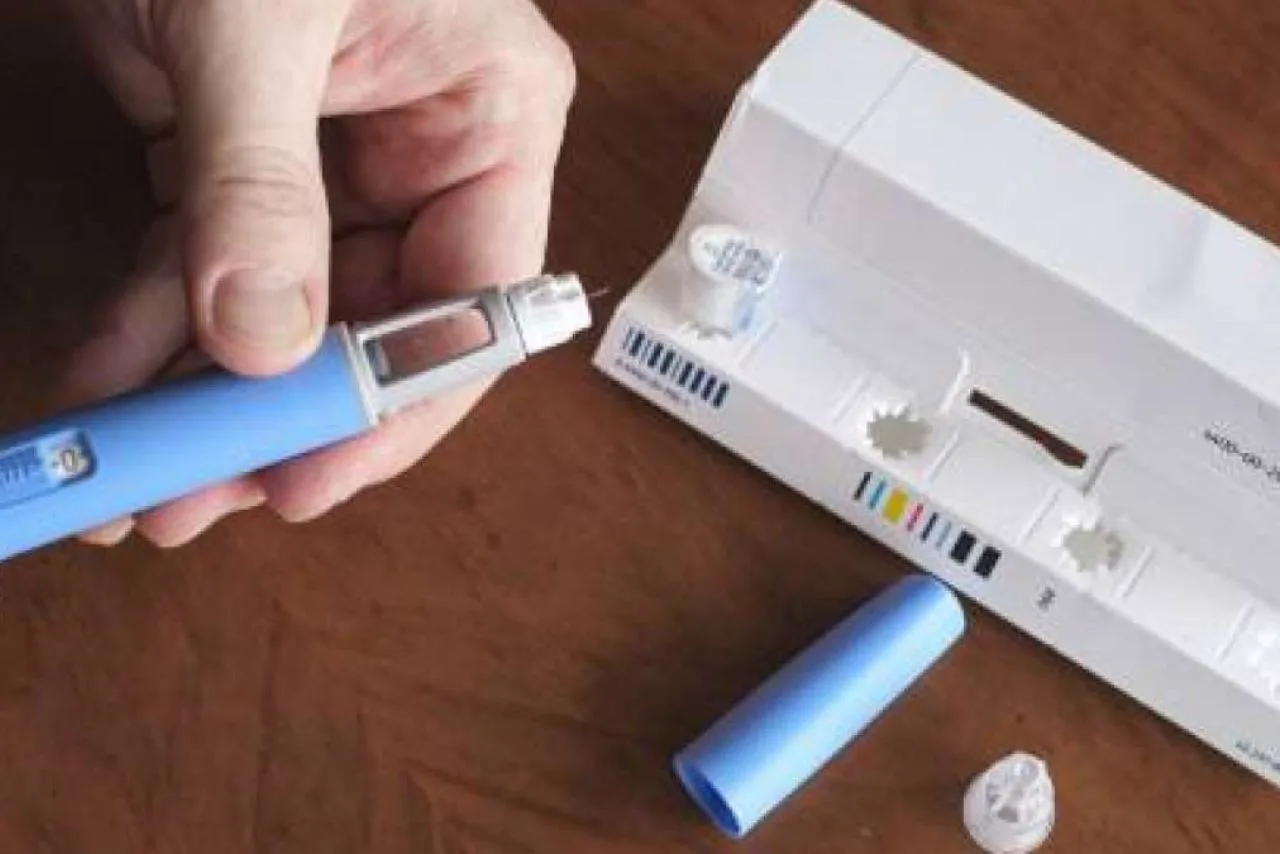
GLP-1 injectable medications have created significant buzz globally and quickly gained immense favor in India shortly after their introduction.
With glucagon-like peptide-1 (GLP-1) treatments for diabetes and weight management rapidly gaining traction in India, healthcare providers are intensifying their attention on what should precede the initial dose: a comprehensive diagnostic assessment.
The year 2025 saw the introduction of three eagerly awaited weekly GLP-1 injectable options in India—Mounjaro from Eli Lilly, along with Wegovy and Ozempic from Novo Nordisk.
Their availability has significantly transformed the approach to treating obesity and diabetes, leading to remarkable sales growth soon after they hit the market.
Mounjaro, launched in March 2025, became India's leading drug by sales value by October, with Wegovy closely trailing. Ozempic, which joined the scene later, is steadily building its presence.
Mounjaro features tirzepatide, whereas Wegovy and Ozempic utilize semaglutide. Prior to these robust weekly injectables, India had alternatives like liraglutide and low-dose oral semaglutide (Rybelsus), which were less intense.
How GLP-1 Drugs Function
Initially created for type 2 diabetes management, GLP-1 medications emulate gut hormones that control blood sugar levels, curb hunger, and delay stomach emptying.
Their success in aiding weight reduction has broadened their application well past diabetes treatment. Yet, specialists warn that these drugs aren't appropriate for all individuals and must not be prescribed without meticulous medical scrutiny.
Starting with Metabolic Health Evaluation
The diagnostic process usually starts by evaluating metabolic wellness. Endocrinologist Dr. Ambrish Mithal states that initial screenings like hemoglobin A1c and fasting plasma glucose are vital for determining glycemic control.
“These measurements assist in identifying if a person has diabetes, prediabetes, or standard glucose processing, and they act as a benchmark to monitor therapy effectiveness over time,” he elaborated.
Even for those seeking GLP-1 medications mainly for slimming down, these exams are critical due to the drugs' influence on insulin release and blood sugar management.
Kidney Function Screening
Examining kidney performance forms another vital part of pre-treatment checks. Indicators such as serum creatinine, blood urea nitrogen, and estimated glomerular filtration rate offer details on renal condition.
Although GLP-1 receptor agonists are typically safe for mild to moderate kidney issues and can even slow kidney disease advancement, spotting renal problems early helps doctors foresee complications like dehydration, which might intensify due to nausea or vomiting—a frequent initial reaction to GLP-1 treatment.
Liver Function Tests
Liver assessments are also standard. Elevated liver enzymes could indicate ailments like non-alcoholic fatty liver disease, which frequently co-occurs with obesity and diabetes.
While GLP-1 drugs aren't linked to liver damage and might even address fatty liver, unusual baseline findings could require enhanced surveillance or additional investigation.
Precision tracking for your journey
Join thousands using Shotlee to accurately track GLP-1 medications and side effects.
📱 Get the Shotlee App
Track your GLP-1 medications, peptides, and health metrics on the go with our mobile app!
“Liver tests aid in excluding hidden liver conditions. Thyroid checks are equally crucial, especially for those with personal or familial thyroid disorder histories,” noted Dr. Sukhvinder Singh Saggu, Director of Minimal Access, GI and Bariatric Surgery at CK Birla Hospital, Delhi.
Pancreatic and Other Health Considerations
Pancreatic wellness is another factor, particularly in the initial stages of GLP-1 adoption in India.
“Routine enzyme screenings aren't necessary for all, but a history of pancreatitis or elevated enzymes might affect decisions or lead to specialist consultations,” Dr. Mithal remarked.
Lipid panels assess heart disease risk, and GLP-1 treatments frequently enhance lipid levels, so starting values support ongoing risk monitoring, explained Dr. Vishal Wadhwa, head of scientific affairs at Metropolis Healthcare Ltd.
A body composition analysis to gauge fat-to-muscle ratios is essential, according to Dr. Mithal.
Specialized Screenings for Specific Patients
Beyond routine blood work, targeted evaluations are advised for certain individuals. Dr. Mithal highlighted the need for an eye check, focusing on retina and optic nerve condition.
“Vision screening is required for diabetes patients, but even weight loss seekers on GLP-1 should opt for this step prior to beginning,” he stated.
Individuals with thyroid nodules or a family background of thyroid cancer might need a calcitonin assay, which quantifies calcitonin hormone levels.
This assay detects medullary thyroid cancer (MTC), a rare tumor, and C-cell hyperplasia, a pre-malignant state. Though not seen in humans, GLP-1 treatments include an MTC alert, especially for those with pertinent family ties.
Gallbladder condition has also arisen as a worry. Swift weight reduction—a key outcome of GLP-1 therapy—can heighten gallstone likelihood.
Doctors frequently inquire about gallbladder disease history or unclear abdominal discomfort and examine initial liver results for biliary issue hints. Spotting these dangers promptly enables healthcare providers to advise on symptoms needing immediate care.
For childbearing-age females, pregnancy confirmation is mandatory before GLP-1 initiation. These drugs aren't advised in pregnancy, so verifying status and discussing birth control is key, given limited fetal safety data.
Broader Implications and Safeguards
Collectively, these diagnostic measures signal a wider evolution in GLP-1 positioning in contemporary healthcare. As usage spreads from specialist settings to general practice, professionals emphasize that detailed pre-treatment exams serve as protection, not hindrance.
Experts view GLP-1 medications as robust aids, not instant solutions, demanding vigilant medical supervision, and advise against self-starting without required pre-treatment checks.
Health tracking apps like Shotlee can assist in monitoring progress during GLP-1 therapy, ensuring users stay on top of their metabolic and weight goals.