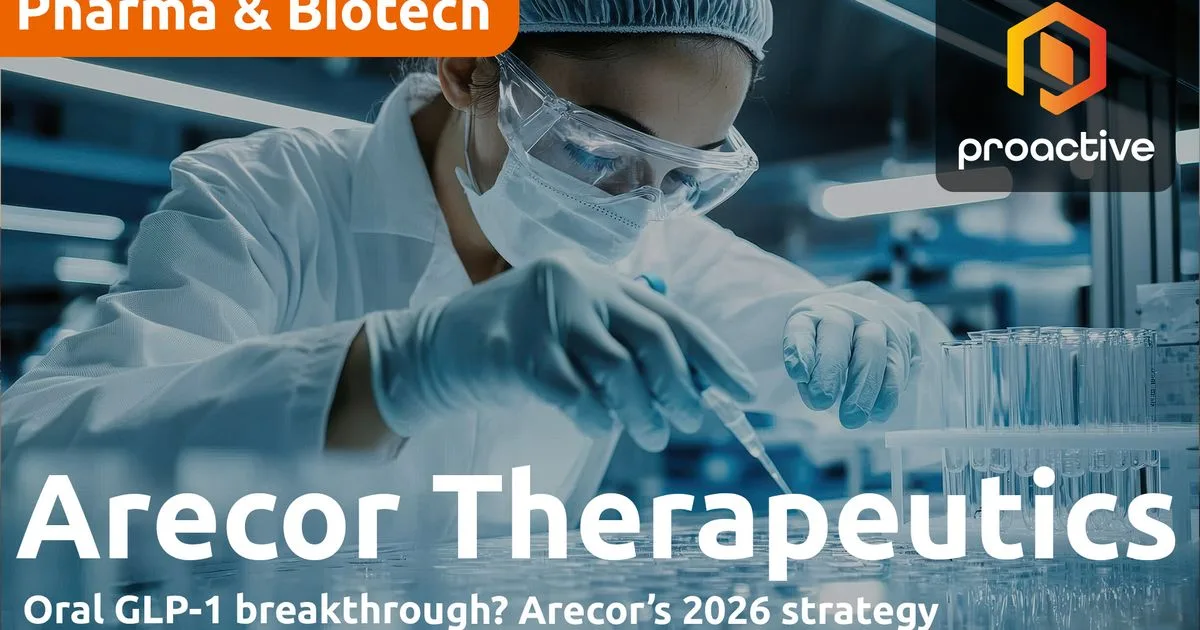
In a recent discussion with Proactive's Stephen Gunnion, Arecor Therapeutics PLC (AIM:AREC) CEO Sarah Howell outlined key FY25 highlights and substantial progress in next-generation treatments for diabetes and cardiometabolic diseases. The focus remains on the company's lead candidate, AT278, an ultra-concentrated, ultra-rapid-acting insulin tailored for automated insulin delivery (AID) systems, alongside advancements in an oral peptide delivery platform targeting GLP-1 therapies. This update underscores Arecor's commitment to addressing unmet needs in intensive insulin therapy and oral peptide administration.
Understanding Arecor Therapeutics' Mission in Diabetes and Cardiometabolic Health
Arecor Therapeutics specializes in reformulating existing therapies to enhance stability, delivery, and efficacy. For patients with diabetes—particularly those on intensive insulin regimens or emerging GLP-1 treatments—these innovations promise improved outcomes. Type 1 diabetes patients, who rely on continuous insulin pumps, often face challenges like bulky reservoirs, frequent refills, and suboptimal pharmacokinetics with current insulins. Similarly, GLP-1 receptor agonists, proven for glycemic control and weight management, are limited by subcutaneous injections, driving demand for oral formulations.
AT278 and the oral peptide platform position Arecor in high-value markets projected to grow significantly, with the global insulin market exceeding $30 billion and GLP-1 therapies surpassing $20 billion annually.
AT278: Revolutionizing Insulin for Automated Insulin Delivery Systems
The Unmet Need in Intensive Insulin Therapy
Current rapid-acting insulins fall short in AID systems, which combine continuous glucose monitoring with automated insulin dosing for better glucose control. Pump limitations include insufficient concentration, leading to larger volumes and shorter wear times, and slower onset/action profiles that risk post-meal hyperglycemia. Howell emphasized: "AT278 is the only insulin that meets this profile... and of course, we've shown superiority against those best-in-class insulins."
Clinically, ultra-rapid-acting insulins like AT278 mimic natural prandial insulin response more closely, potentially reducing hypoglycemia risks and improving time-in-range metrics—a critical measure for long-term complication prevention in diabetes.
Clinical and Regulatory Progress for AT278
Over the past year, Arecor secured a co-development partnership with Sequel Med Tech to support a planned Phase 2 clinical trial in the US. This collaboration leverages Sequel's expertise in insulin delivery devices, aligning perfectly with AT278's AID focus. Additionally, a positive FDA Type C meeting provided confidence in the study design and regulatory pathway. The Phase 2 trial is slated to commence in the second half of 2026, evaluating safety, efficacy, and pharmacokinetics in patients requiring intensive therapy.
For patients considering advanced insulin options, discussing AID-compatible insulins with endocrinologists is key. Tools like symptom trackers can help monitor glucose responses during transitions.
Precision tracking for your journey
Join thousands using Shotlee to accurately track GLP-1 medications and side effects.
📱 Get the Shotlee App
Track your GLP-1 medications, peptides, and health metrics on the go with our mobile app!
Arecor's Oral Peptide Delivery Platform: Targeting GLP-1 Therapies
Beyond insulin, Arecor's platform addresses a major hurdle in peptide therapeutics: oral bioavailability. GLP-1 agonists like semaglutide (Ozempic/Wegovy) have transformed type 2 diabetes and obesity management but require weekly injections. Oral versions, such as Rybelsus, exist but face stability and absorption challenges in the gastrointestinal tract.
Howell reported successful peptide stabilization and ongoing work to enhance bioavailability. This platform could enable needle-free GLP-1 delivery, improving adherence for cardiometabolic patients. Early data suggest Arecor's formulation techniques protect peptides from enzymatic degradation, a common barrier.
Compared to injectables, oral GLP-1s offer convenience but may require higher doses due to lower absorption (typically <1-5%). Arecor's approach aims to optimize this, potentially expanding access in obesity treatment and diabetes prevention.
Safety Considerations and Patient Guidance
Insulins like AT278 carry standard risks: hypoglycemia, injection-site reactions, and weight gain, though ultra-rapid profiles may mitigate some. GLP-1 platforms could introduce GI side effects like nausea, common in the class (affecting 20-40% initially). Patients should consult providers for personalized dosing, especially in AID setups.
Practical tips include starting with basal-bolus regimens before AID, monitoring for allergic responses, and using apps for logging side effects—such as Shotlee for tracking medication schedules and symptoms in peptide therapy.
Financial Strength and Upcoming Milestones
Arecor enters FY25 with a strengthened balance sheet, funding clinical advancements and platform expansion. Key milestones include Phase 2 initiation for AT278, further oral GLP-1 optimization, and potential partnerships in large markets.
Key Takeaways for Patients and Investors
- AT278 targets AID limitations with proven superiority over best-in-class insulins.
- US Phase 2 trial via Sequel Med Tech partnership starts H2 2026, backed by positive FDA feedback.
- Oral peptide platform stabilizes GLP-1 for better bioavailability, addressing injection fatigue.
- Arecor's progress positions it for diabetes and obesity markets amid rising demand.
Conclusion: What This Means for Diabetes Care
Arecor Therapeutics' FY25 highlights signal meaningful steps toward practical innovations in insulin and GLP-1 delivery. Patients with intensive needs should explore these with healthcare teams, while the biotech sector watches for trial data. Stay informed on #Arecor #AT278 #DiabetesTreatment updates for the latest in #InsulinTherapy and #GLP1 advancements.