
Eli Lilly Turns to AI After GLP-1 Boom for Next Growth
Eli Lilly is moving to expand its use of artificial intelligence as it searches for its next big growth engine after the surge in GLP-1 medicines for diabetes and obesity. The Indianapolis-based drugmaker is positioning AI across research and development to speed discovery, sharpen clinical trial design, and prepare for tighter competition in weight management drugs. "To find its next success cycle after GLP-1s, Lilly's turning to AI investments."
The GLP-1 Boom: Transforming Lilly's Growth Profile
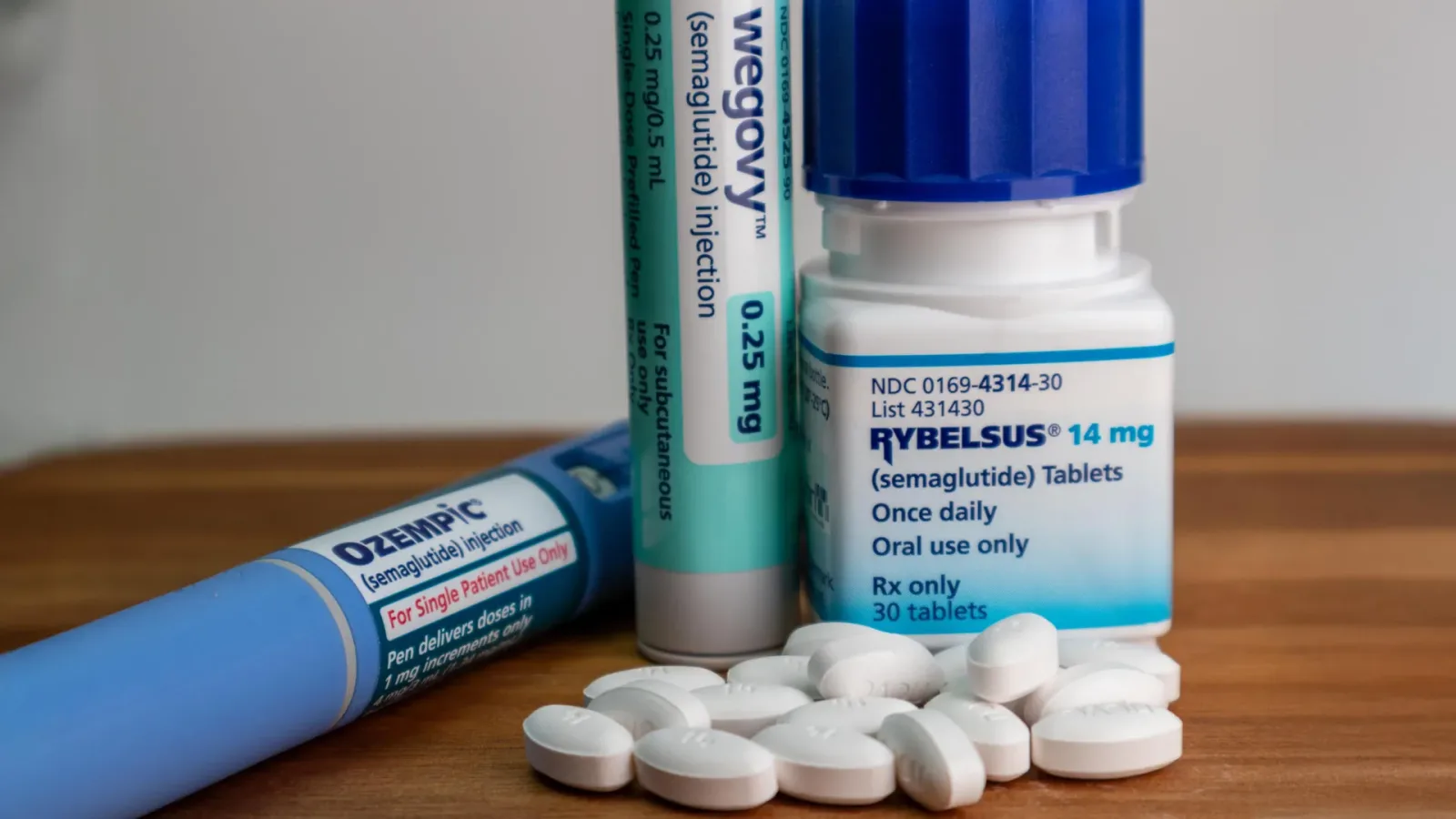
GLP-1 therapies have transformed Lilly's growth profile, with demand outpacing supply at times and reshaping the market for diabetes and obesity care. These glucagon-like peptide-1 receptor agonists, such as Lilly's Mounjaro and Zepbound, mimic the GLP-1 hormone to regulate blood sugar, slow gastric emptying, and reduce appetite, leading to significant weight loss and improved metabolic health. Rival Novo Nordisk has seen similar momentum with drugs like Ozempic and Wegovy, intensifying the contest in efficacy, dosing, and access.
Analysts say that while demand remains strong, investors are already asking what will fuel revenue in the next decade. For patients managing type 2 diabetes or obesity, GLP-1s offer proven benefits like better glycemic control and cardiovascular risk reduction, but supply constraints and high costs highlight the need for innovation beyond this class.
Why the Shift to AI Now?
The shift signals a push to lock in gains made through blockbuster weight-loss treatments while laying groundwork for future drugs. It also reflects a broader race among large pharmaceutical firms to apply data-driven tools to cut costs and time in development. Drug development remains slow and costly, with high rates of failure—often exceeding 90% from preclinical stages to approval. AI addresses this by enabling faster hit discovery, better selection of drug candidates, and smarter trial planning.
How AI is Revolutionizing Pharmaceutical R&D
AI has become a central part of that answer across the industry. Large drugmakers are striking deals with specialized AI groups and building internal platforms to model protein structures, predict drug-target interactions, and screen vast chemical libraries with fewer lab experiments. In early 2024, Alphabet's Isomorphic Labs announced partnerships with multiple companies, including Lilly, to apply its models to small-molecule design. Such agreements show how external alliances can accelerate internal pipelines.
These gains can shorten timelines and improve the odds that a candidate reaches approval. By triaging ideas earlier, companies can reduce late-stage setbacks. For Lilly, that could help diversify revenue beyond GLP-1s and spread risk across oncology, immunology, neurology, and cardiometabolic disease.
Mechanisms of AI in Drug Discovery
AI excels at spotting patterns that humans miss and simulating experiments at scale. Machine learning models analyze vast datasets to predict how molecules bind to targets, forecast toxicity, and optimize dosing regimens. In GLP-1 development, similar computational approaches helped refine structures for better efficacy and tolerability. For patients, this means potential new therapies with fewer side effects like nausea or gastrointestinal issues common in current GLP-1s.
Lilly's Two-Pronged AI Strategy
Lilly's approach appears two-pronged: build internal data infrastructure and partner where outside technology can speed results. Internal efforts often include data lakes that combine chemistry, biology, and clinical data; model-sharing across research units; and training for scientists to use AI tools effectively.
External collaborations offer access to specialized algorithms, high-quality training data, and expert teams. Deal structures typically include research funding, milestone payments, and royalties on approved drugs. While specific financial terms vary, the goal is consistent: translate computational predictions into trial-ready candidates faster than traditional methods allow.
Practical Implications for Clinical Trials
In clinical trial design, AI sharpens patient selection by analyzing real-world evidence and biomarkers, potentially reducing enrollment times and dropout rates. For metabolic health trials post-GLP-1, this could mean more precise endpoints for weight management or comorbidity resolution, benefiting participants and accelerating data readout.
Precision tracking for your journey
Join thousands using Shotlee to accurately track GLP-1 medications and side effects.
📱 Get the Shotlee App
Track your GLP-1 medications, peptides, and health metrics on the go with our mobile app!
Challenges and Limitations of AI in Pharma
AI can spot patterns that humans miss and simulate experiments at scale, but it is not a cure-all. Models are only as good as the data they ingest. Biases in training sets can mislead results. Wet-lab validation, rigorous toxicology, and clinical evidence remain essential. Regulators will still expect clear proof of safety and efficacy.
For GLP-1 users, while AI promises next-gen drugs, current therapies require monitoring for side effects like pancreatitis risk or thyroid concerns. Patients on Lilly's GLP-1s should discuss personalized plans with providers, and apps like Shotlee can help track symptoms, dosages, and progress seamlessly.
Key Signals and What to Watch For
Investors will watch for concrete milestones, such as a candidate entering the clinic that was discovered primarily through AI workflows. Cost savings are another test. Reduced cycle times or smaller, smarter trials would show that the tools are paying off.
If AI-enabled discovery shortens timelines by even a modest fraction, the effect on pipelines could be significant. More shots on goal may lead to more approvals. Competition among AI vendors may also lower costs and improve quality, benefiting early adopters.
Key signals in the months ahead include:
- Competitors are making similar moves, which may raise the bar for speed and data quality across the sector.
- Lilly's bet on AI suggests a clear message: the company plans to convert its GLP-1 windfall into longer-term innovation.
The next steps will be measured in pipeline breadth, trial efficiency, and approvals.
What This Means for Patients and Investors
For patients, faster development could mean more treatment options across major diseases, including advanced metabolic therapies or novel approaches in oncology and neurology. Compared to alternatives like older diabetes drugs (e.g., metformin) or surgical options for obesity, AI-driven GLP-1 successors could offer superior profiles.
Investors focus on proof that AI is not just a tool, but a driver of sustainable growth. Novo Nordisk's parallel efforts underscore the competitive landscape, where efficacy, access, and innovation will define leaders.
Key Takeaways
- Eli Lilly is expanding AI to sustain growth post-GLP-1 surge, targeting R&D acceleration.
- Partnerships like Isomorphic Labs enable small-molecule advances beyond weight-loss drugs.
- AI promises shorter timelines but requires robust validation for safety.
- Patients may see diversified options in cardiometabolic, oncology, and more.
In summary, Lilly's AI pivot positions it for enduring success, blending GLP-1 momentum with cutting-edge tech. Discuss emerging therapies with your healthcare provider to stay ahead in metabolic health management.