
The Global Surge in GLP-1 Therapy Demand
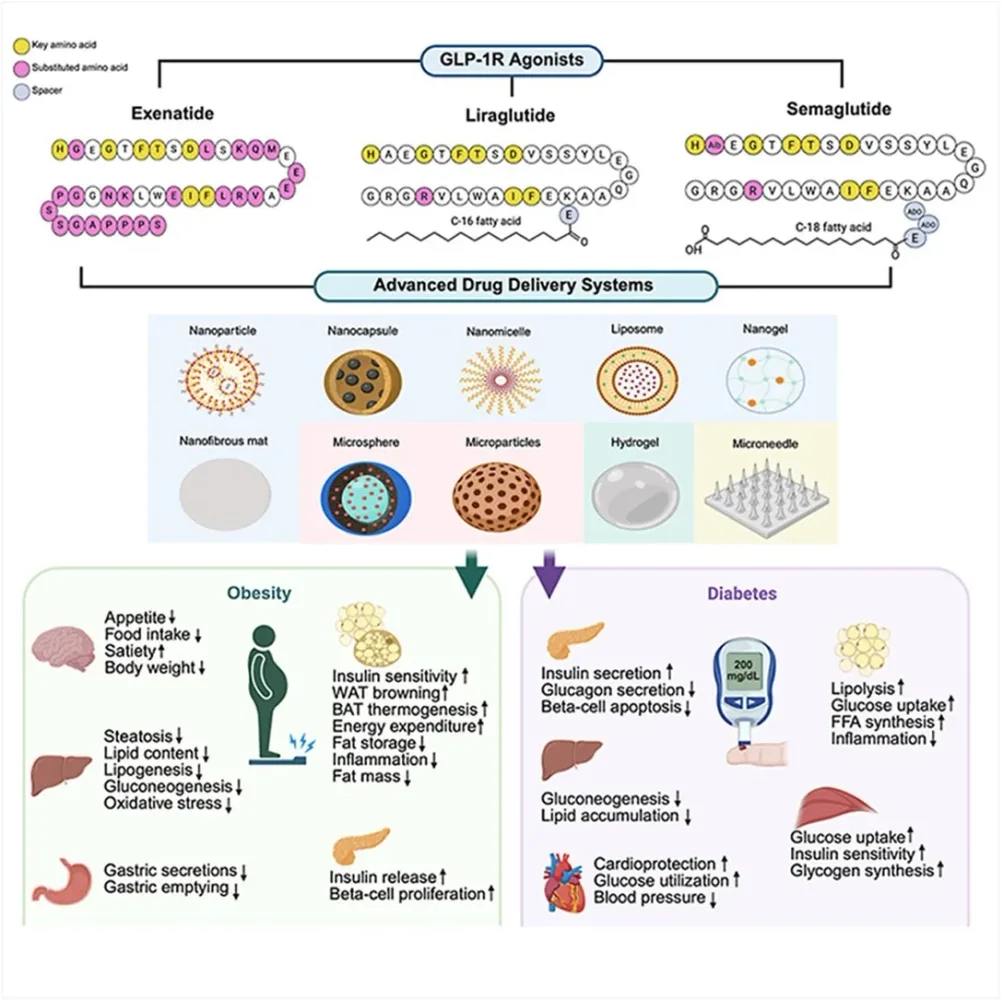
The landscape of obesity treatment has shifted dramatically in recent years. With the rise of Glucagon-like Peptide-1 (GLP-1) receptor agonists, treatments like semaglutide and tirzepatide have redefined what is possible for patients seeking weight loss and metabolic health. Drugs such as Ozempic, Wegovy, and Mounjaro have captured the public imagination, creating a market projected to reach $100 billion by 2030.
However, as demand skyrockets, the global supply chain faces immense pressure. While investors often focus on the pharmaceutical giants developing the molecules, the true backbone of this revolution lies in the manufacturing of the drugs themselves and the devices used to deliver them. For patients tracking their health journey, understanding the supply chain is crucial. Interruptions in manufacturing can lead to treatment gaps, which may negatively impact the efficacy of peptide therapy.
Two Indian manufacturers are emerging as critical players in this ecosystem. Neither is a traditional pharma giant developing new drugs, but both are essential for the physical existence of the therapies patients receive. One specializes in the precision engineering of delivery devices, while the other manages the complex chemistry required to synthesize the active ingredients.
Shaily Engineering: Precision Devices for Peptide Delivery
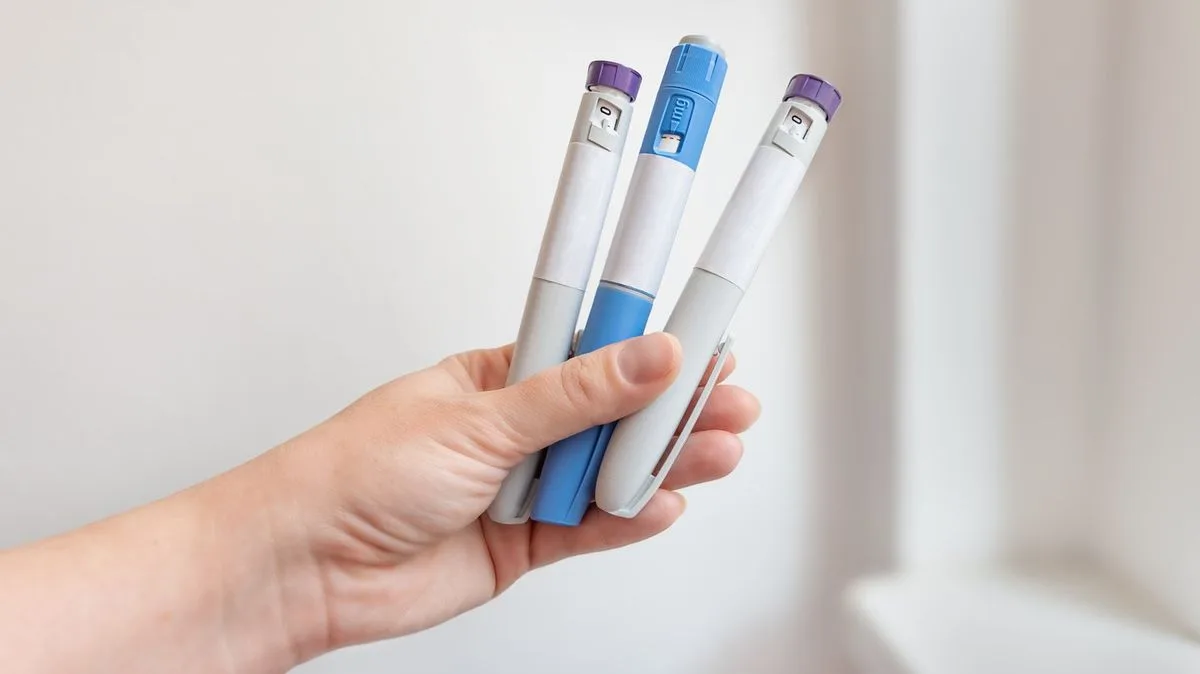
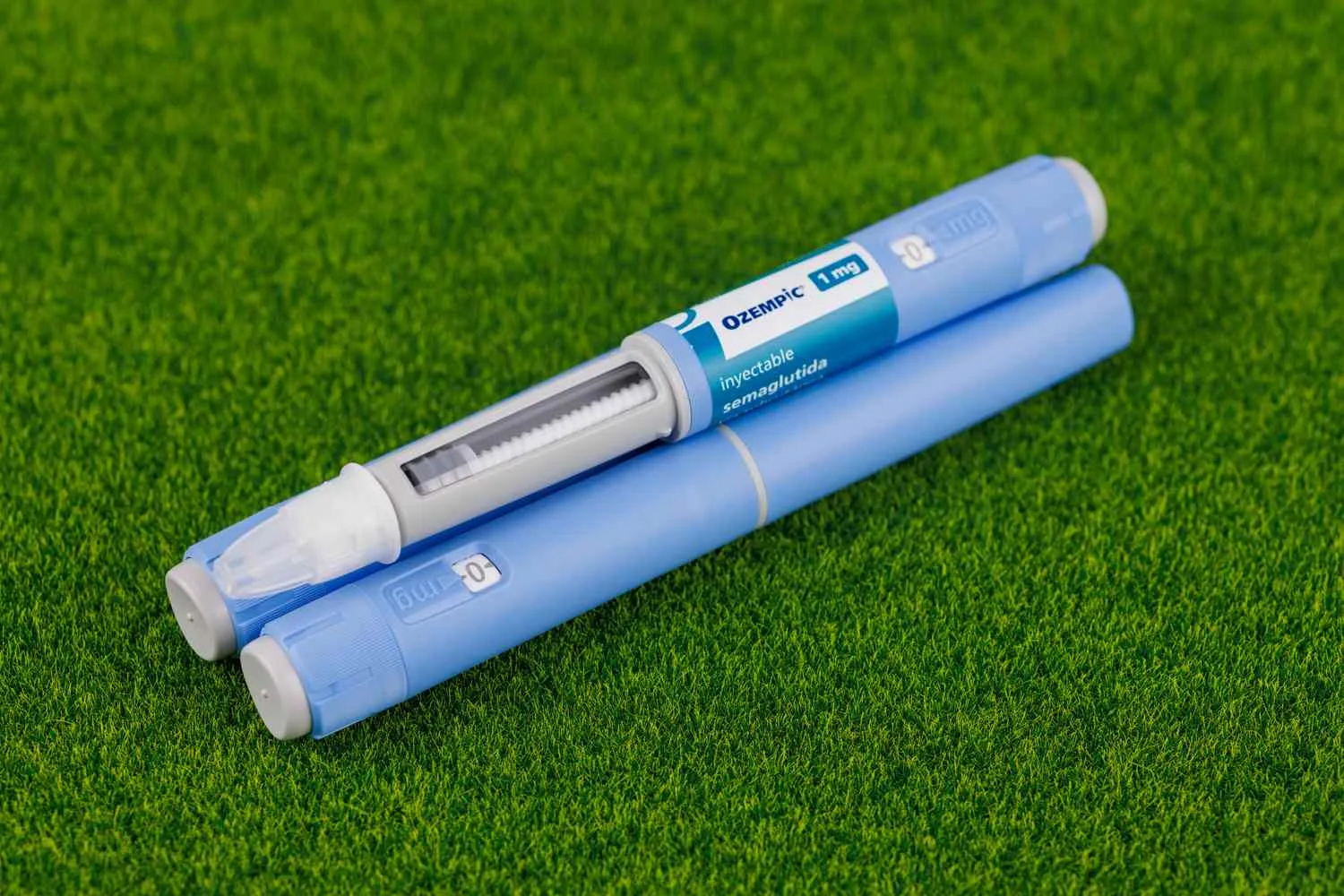
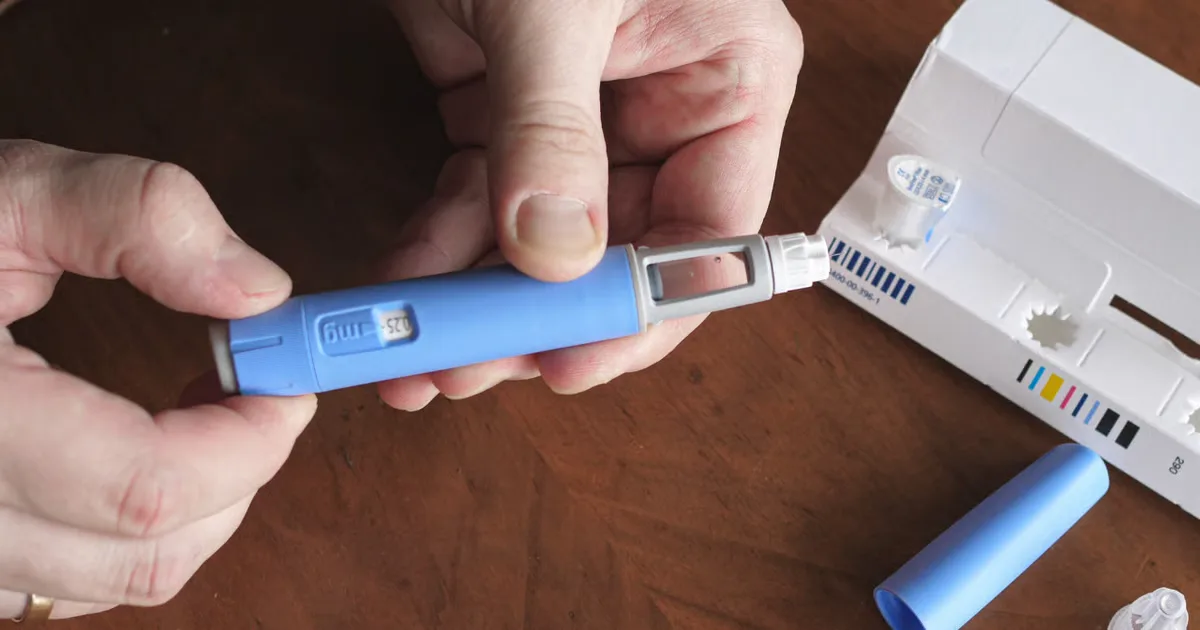
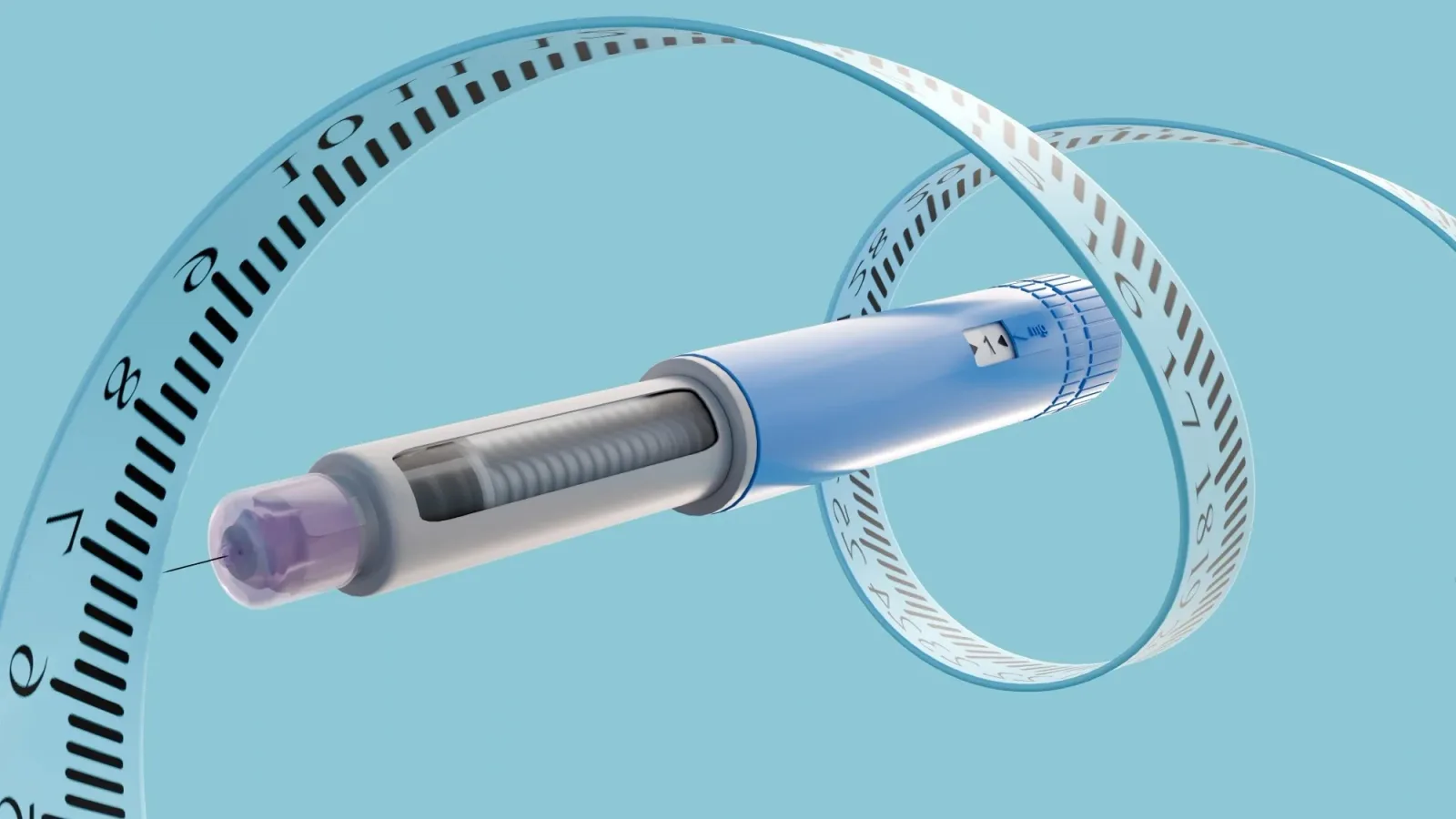
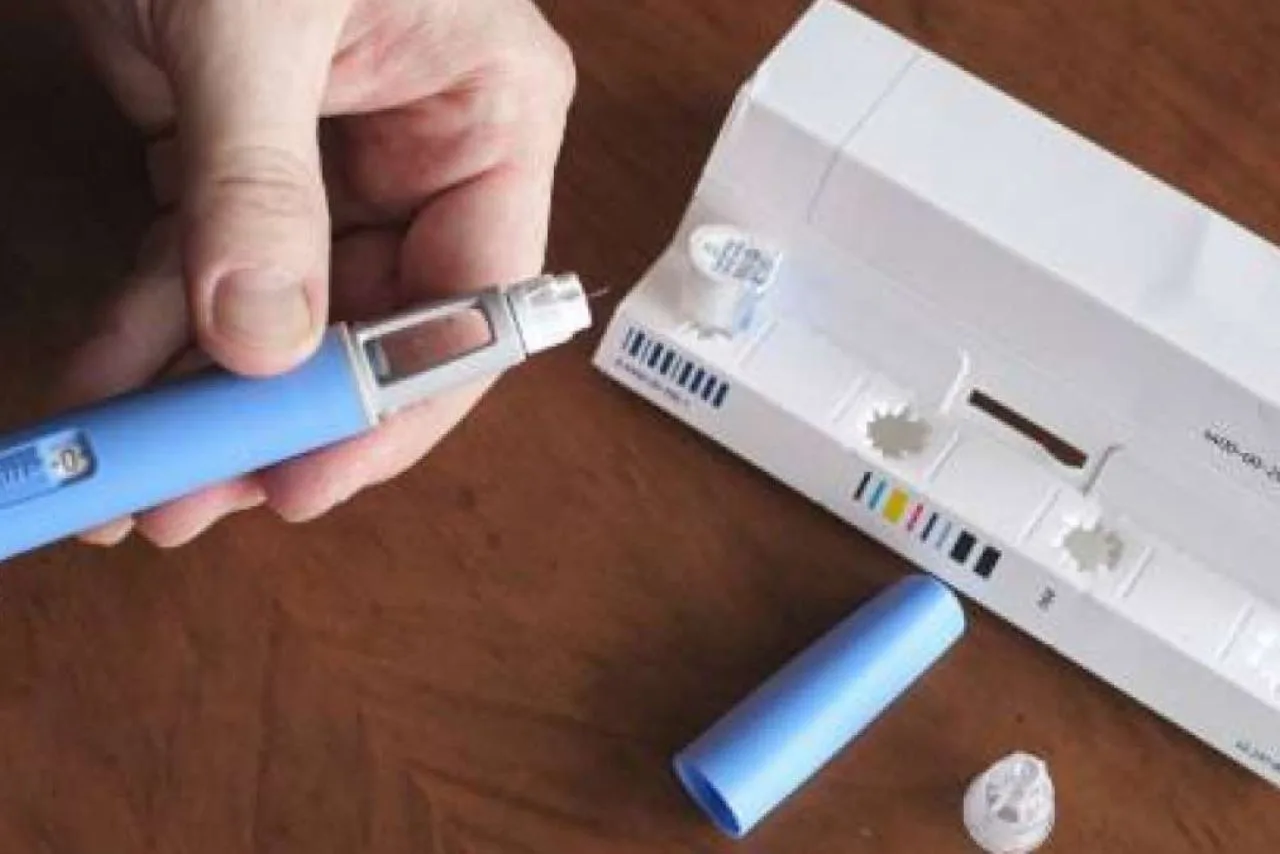
While the drug molecule is vital, the delivery mechanism is equally important for patient compliance and safety. GLP-1 therapies are typically administered via subcutaneous injection. Shaily Engineering Plastics has positioned itself as a leader in the manufacturing of pen injectors and auto-injectors. These devices are not simple plastic casings; they are high-precision instruments designed to ensure accurate dosing of viscous peptide solutions.
The growth in this sector reflects the broader demand for diabetes and obesity management tools. In the third quarter of FY26, Shaily's healthcare segment grew 139% year-on-year, becoming the company's primary growth engine. This surge is driven by the need for reliable delivery systems for therapies like semaglutide.
Capacity Expansion and Future Readiness
To meet the anticipated volume, Shaily is aggressively expanding its infrastructure. Current pen injector capacity stands at approximately 80 million units annually. Furthermore, an additional 50 million units are being added in India. A significant facility in Abu Dhabi is also in the works, with a planned investment of Rs 300-350 crore and a capacity of 75 million units by Q4 FY28.
For patients, this expansion is a positive signal. It suggests that the supply of injection devices is being scaled to meet the demand for weight loss medications. However, the company's valuation reflects high expectations. Trading at nearly 80x earnings, the market has already priced in much of this growth. The critical factor for long-term stability will be whether the production lines qualify correctly and if the Abu Dhabi timelines are met.
Why Device Precision Matters: Inaccurate dosing can lead to side effects or reduced efficacy. As you monitor your injection sites and dosage schedules, the reliability of the pen injector plays a silent but significant role in your treatment outcome.
Divi's Laboratories: The Peptide Chemistry Powerhouse
If Shaily handles the delivery, Divi's Laboratories handles the creation of the medicine itself. Divi's is a large-cap Contract Development and Manufacturing Organization (CDMO) and API (Active Pharmaceutical Ingredient) manufacturer with 25 years of custom synthesis experience. They do not necessarily sell the final drug to consumers, but they manufacture the peptide APIs that GLP-1 drugs are built from.
Peptide chemistry is complex. Molecules like semaglutide require specific synthesis platforms, including both solid and liquid phase synthesis. Divi's has invested heavily in these technologies, positioning them as a natural partner for global innovators and biosimilar players as they scale their supply chains.
The Role of CDMOs in Drug Accessibility
As patents expire on key markets, the opportunity for outsourcing increases. Established Indian CDMOs with regulatory-clean facilities and peptide expertise become essential partners. This is not just a pure-play GLP-1 bet for Divi's; it is a capabilities story. The company already earns significant revenue from custom synthesis contracts with global innovators.
However, investors and patients alike must recognize the timeline. Management has not confirmed any named GLP-1 contracts, and new custom synthesis deals are unlikely to generate meaningful income before late 2026 or early 2027. Additionally, Divi's revenue is diversified, with a key heart failure drug contributing significantly to custom synthesis revenue. This drug faces patent expiry in 2026, meaning GLP-1 revenue may replace lost income rather than simply adding to it.
Supply Chain Stability and Treatment Consistency
For individuals on GLP-1 therapy, consistency is key. Frequent shortages can lead to dose interruptions, which may cause weight regain or loss of metabolic control. The expansion of manufacturing capacity by companies like Shaily and Divi's aims to mitigate these risks. By increasing the production of both the active ingredient and the delivery device, the supply chain becomes more robust.
Precision tracking for your journey
Join thousands using Shotlee to accurately track GLP-1 medications and side effects.
📱 Get the Shotlee App
Track your GLP-1 medications, peptides, and health metrics on the go with our mobile app!
Key Takeaways for Patients:
- Device Quality: High-precision injectors reduce the risk of dosing errors.
- API Availability: Reliable peptide synthesis ensures the drug itself is available in sufficient quantities.
- Regulatory Compliance: Facilities in India are subject to rigorous global standards, ensuring product safety.
- Long-term Access: As capacity ramps up by 2028, the likelihood of shortages should decrease.
When using health tracking tools like Shotlee, patients can correlate their treatment consistency with their progress. If a supply chain disruption occurs, it is vital to log the gap in your journal to understand its impact on your weight loss or symptom management.
What This Means for Your Health Journey
While the news is framed through the lens of investment, the implications for patients are profound. The $100 billion GLP-1 wave is not just about stock returns; it is about the democratization of access to life-changing treatments. The involvement of these manufacturers indicates a maturing market where supply will eventually outpace the initial demand spike.
However, risks remain. For Shaily, the strategy is concentrated on GLP-1 devices, making revenue sensitive to this single market. If patients migrate from injections to pill-based GLP-1s over the next few years, volume assumptions for injection-based facilities could prove optimistic. For Divi's, the GLP-1 story is still in the potential stage, not revenue.
Monitoring Your Progress: Whether you are on Ozempic, Wegovy, or Mounjaro, the stability of your supply chain is foundational. As you track your dosage, symptoms, and weight loss milestones on Shotlee, remember that behind every dose is a complex manufacturing process. Ensuring this process is stable helps ensure your health goals are achievable.
Comparison of Key Manufacturers
| Feature | Shaily Engineering | Divi's Laboratories |
|---|---|---|
| Primary Focus | Pen Injectors & Auto-injectors | Peptide API & CDMO Services |
| Market Role | Device Manufacturing | Chemistry & Synthesis |
| Growth Driver | GLP-1 Device Demand | Custom Synthesis Contracts |
| Capacity Expansion | Abu Dhabi Facility (75M units) | Phase Synthesis Platforms |
| Risk Factor | Concentration on Single Segment | Patient Expiry & Timeline Delays |
Conclusion
The GLP-1 revolution is reshaping the obesity treatment landscape, and the supply chain is evolving to meet the demand. Companies like Shaily Engineering and Divi's Laboratories are quietly capturing value in this $100 billion market, ensuring that the drugs and devices patients need are produced at scale. For investors, this represents a high-growth opportunity. For patients, it signals a future where access to therapies like semaglutide and tirzepatide is more secure.
By understanding the ecosystem behind your medication, you can better appreciate the value of consistent treatment. As you continue your health journey, utilizing tools to track your progress remains essential. With supply chains stabilizing, the focus can shift back to what matters most: your health outcomes.
Frequently Asked Questions
What is the projected value of the GLP-1 market by 2030?
The global obesity drug boom is expected to create a $100 billion market by 2030, driven by therapies like semaglutide and tirzepatide.
How do pen injectors affect GLP-1 treatment efficacy?
Precision in pen injectors ensures accurate dosing of the peptide medication, which is critical for safety and achieving weight loss goals without side effects.
What is the difference between Shaily and Divi's in the supply chain?
Shaily Engineering manufactures the delivery devices (pen injectors), while Divi's Laboratories manufactures the active pharmaceutical ingredients (peptide APIs) used in the drugs.
Will the availability of Ozempic or Wegovy improve with these expansions?
Increased capacity from manufacturers like Shaily and Divi's is designed to meet growing demand, potentially reducing shortages and improving long-term availability.
What are the risks associated with GLP-1 supply chain manufacturing?
Risks include device reliance on a single market segment, potential shifts to oral medications, and delays in regulatory approvals for new manufacturing facilities.