
Decoding the Buzz: What Are These 'Miracle Molecules' Called Peptides?
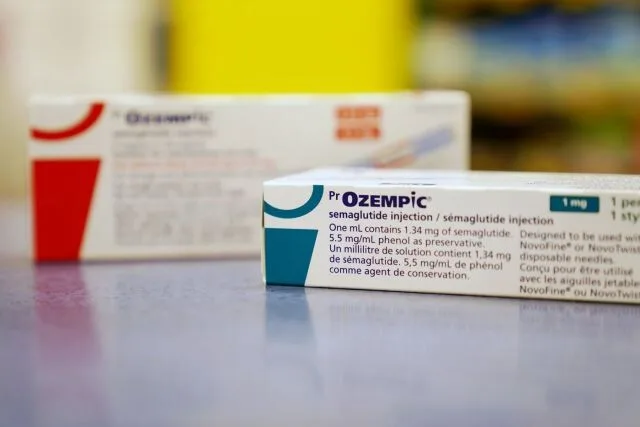
Peptides are rapidly becoming the cornerstone of longevity and targeted wellness protocols, appearing everywhere from advanced skincare serums to cutting-edge weight management therapies. While names like Ozempic and Wegovy (which utilize the GLP-1 peptide) have brought these molecules into the mainstream conversation, the world of peptides is vast and deeply rooted in biochemistry.
For women navigating health changes after 50, peptides offer a precise way to support systems that naturally begin to slow down. But what exactly are they, and how do they differ from the proteins we already know?
The Building Blocks of Life
At their core, peptides are short chains of amino acids—the fundamental building blocks of all proteins. Think of them as highly specific messengers. Where a full protein might be a complex machine, a peptide is a targeted instruction manual.
“Peptides are signals. They tell existing systems to activate,” explains peptide expert Christopher Shade, PhD. This signaling capability allows scientists to harness specific sequences to perform highly targeted jobs within the body, such as stimulating repair, regulating hormones, or calming inflammation.
The delivery method varies based on the peptide’s size and function. While longer chains, like the GLP-1 analog used in prescription weight loss drugs, often require injection for effective absorption, many wellness peptides are available as oral supplements (sometimes requiring special encapsulation), nasal sprays, or topical applications.
Familiar Peptides You Already Know
You interact with peptides daily without realizing it. Some well-known examples include:
- Insulin: A chain of approximately 50 amino acids crucial for regulating blood sugar.
- GLP-1 Analogs (e.g., Semaglutide): A roughly 30-amino-acid peptide chain that mimics gut hormones to promote satiety and weight loss.
- Collagen Peptides: Shorter chains derived from collagen, often added to smoothies to support skin, joint, and gut health.
Why Peptides Are Gaining Momentum in Midlife Wellness
While peptides have been used in nutritional and longevity medicine for years, their increased visibility is due to their effectiveness in restoring communication signals that naturally degrade with age. As Jennifer Woodward, MS, FDNP, notes, these molecules help restore function that weakens after 50.
For women entering or past menopause, the body’s natural production of crucial signaling molecules—those responsible for maintaining metabolic efficiency, joint resilience, and skin density—begins to decline. Targeted peptide therapy is gaining traction because it offers a precise way to fill these functional gaps without necessarily introducing large amounts of external hormones.
Five Transformative Peptides for Women Over 50
While the GLP-1 class dominates weight loss headlines, numerous other peptides offer significant benefits for systemic health, repair, and aging management. Here are five key compounds often integrated into comprehensive wellness plans:
1. BPC-157: The Gut and Tissue Protector
BPC-157 stands for “Body Protection Compound,” composed of 15 amino acids. It is highly regarded for its profound healing properties:
- Gut Healing: It is celebrated for its ability to repair the gut lining, potentially mitigating issues related to permeability (“leaky gut”).
- Tissue Repair: It accelerates the healing process for ligaments, tendons, and muscle tissue, making it valuable for recovery from exercise or injury.
2. GHK-Cu: The Beauty and Repair Tripeptide
GHK-Cu is a tripeptide (a chain of three amino acids) that binds to copper, a mineral essential for numerous biological processes. Its importance in aging is significant:
Precision tracking for your journey
Join thousands using Shotlee to accurately track GLP-1 medications and side effects.
📱 Get the Shotlee App
Track your GLP-1 medications, peptides, and health metrics on the go with our mobile app!
- As Dr. Shade points out, the body’s natural levels of GHK decline substantially by age 60.
- It plays a role in regulating over 30% of the body’s genes related to copper function, helping to restore skin tone, elasticity, and youthful repair mechanisms.
3. KPV: Calming Systemic Inflammation
KPV is another short, three-amino-acid peptide that targets “inflammaging”—the chronic, low-grade inflammation that accelerates aging and contributes to many chronic diseases.
- It possesses potent anti-inflammatory properties that can help stabilize the gut lining, reducing reactivity to certain foods.
- KPV is often utilized by practitioners to manage persistent inflammatory issues that impact overall vitality.
4. TB-500: Enhancing Healing and Cardiovascular Support
Derived from thymosin beta-4 (a peptide naturally present in blood cells and connective tissue), TB-500 focuses on amplifying the body’s innate repair systems.
- It is noted for strengthening muscle tissue and improving healing across the body.
- Users often report resolution of chronic joint discomfort (shoulders, hips, knees) as the peptide signals the body to repair old damage. It also supports cardiovascular health.
5. Glutathione: The Master Detoxifier
Composed of three amino acids, glutathione is often called the body’s most critical endogenous antioxidant. It is vital for cellular housekeeping.
- It is essential for neutralizing free radicals and supporting the liver’s detoxification pathways, particularly in the removal of heavy metals and environmental toxins.
- For those concerned with environmental exposure, optimizing glutathione levels is a foundational step in cellular defense.
Navigating Peptide Selection and Usage Wisely
Integrating these powerful molecules requires a thoughtful approach, especially since many are not regulated like traditional pharmaceuticals.
Understanding Naming and Sourcing
Since many peptides operate in the supplement space, they often carry research-based shorthand names (e.g., BPC-157). This is simply nomenclature for the amino acid sequence.
Crucially, quality matters. Always source peptides from reputable compounding pharmacies or established over-the-counter supplement brands that adhere to Current Good Manufacturing Practices (CGMP). While the FDA does not approve supplements, decades of clinical use and strong research support the efficacy of quality peptide products.
Optimizing Delivery and Absorption
Absorption is a major hurdle for many peptides. The delivery system must protect the molecule from being degraded by digestive enzymes or stomach acid.
| Peptide Size/Type | Optimal Delivery Method | Considerations |
|---|---|---|
| Short Chains (e.g., KPV, BPC-157) | Oral, Nasal Spray, Topical | Look for liposomal encapsulation for oral use to enhance bioavailability. |
| Longer Chains (e.g., Insulin, GLP-1 analogs) | Injection (Subcutaneous) | Required due to the length, which makes them susceptible to GI breakdown. |
Furthermore, many peptides require refrigeration to maintain stability. When tracking your protocol, using a dedicated health log, such as the features available in apps like Shotlee, can help ensure you adhere to correct dosing schedules and storage requirements.
Peptides vs. Lifestyle: A Supportive Role
Experts stress that peptides are tools, not magic bullets. Dr. Anna Cabeca cautions that if underlying issues—like poor nutrition, chronic stress, or lack of sleep—are not addressed, the benefits of peptides (especially for weight management) are often temporary.
Practical Takeaways for Starting Peptide Therapy:
- Prioritize Foundations: Ensure nutrition, sleep, and movement are optimized first.
- Consult Knowledgeably: Always discuss peptide use with a licensed healthcare practitioner familiar with peptide therapy, especially regarding contraindications (e.g., certain cancer histories).
- Track Progress: Monitor symptoms, energy levels, and any adverse reactions diligently. Tools that help track dosage timing and symptom correlation are invaluable for optimizing results.
Conclusion: Precision Support for Lifelong Vitality
Peptides represent a sophisticated evolution in personalized medicine, offering precise signaling to counteract the natural biological slowdowns experienced after midlife. Whether you are seeking enhanced recovery with BPC-157, improved skin health via GHK-Cu, or systemic anti-inflammation with KPV, these molecules are powerful allies. They require patience and a holistic framework, but when used correctly under professional guidance, they can be an incredible asset in optimizing health span.