
Analysts Highlight Fuel Savings from Weight-Loss Medications
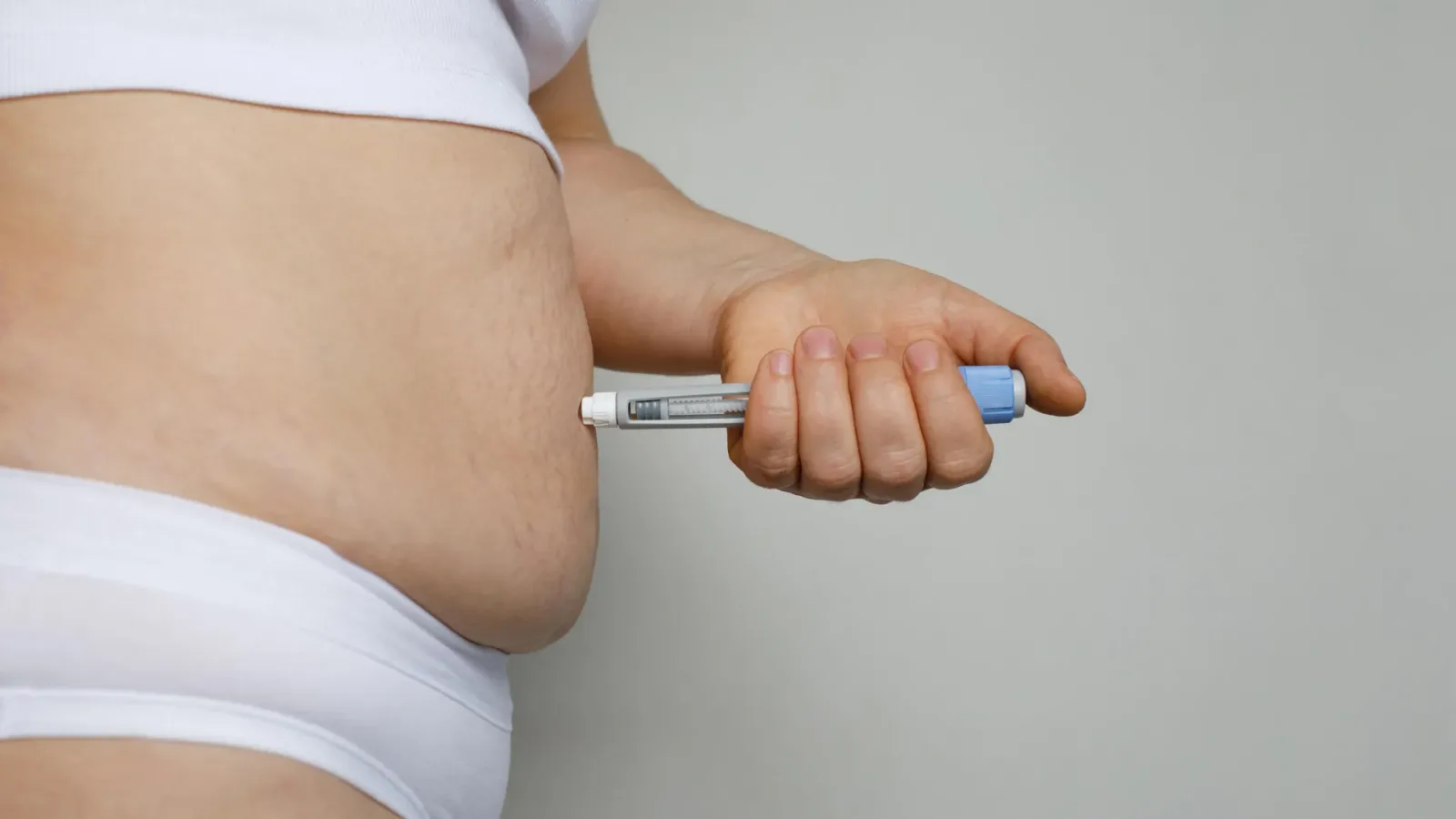
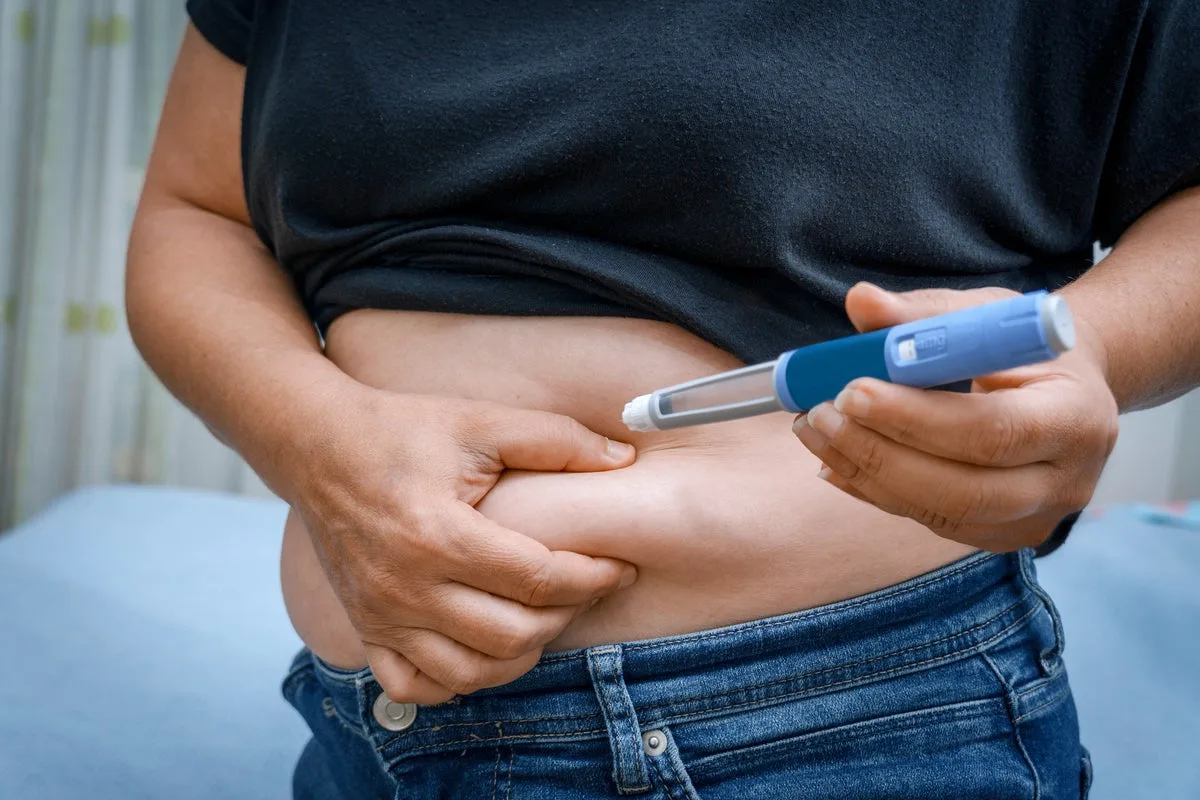
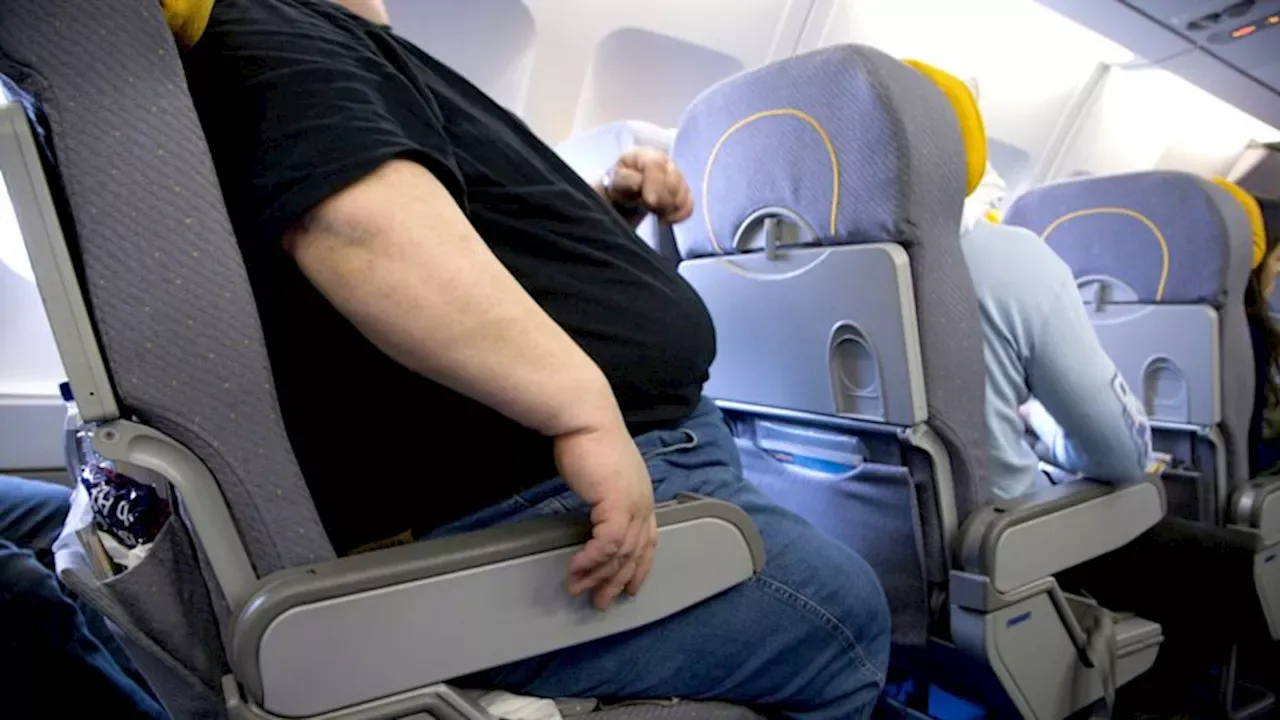
Financial market experts are emphasizing a surprising advantage for airlines due to the rise in GLP-1 weight-loss treatments such as Wegovy and Ozempic, involving considerable fuel reductions from passengers who are now lighter. According to a Jefferies report to investors on January 14, 2026, a 10% decrease in typical passenger weight might reduce overall aircraft mass by approximately 2%, leading to notable decreases in jet fuel use while airlines contend with fluctuating energy expenses.
Adoption of Oral Drug Versions
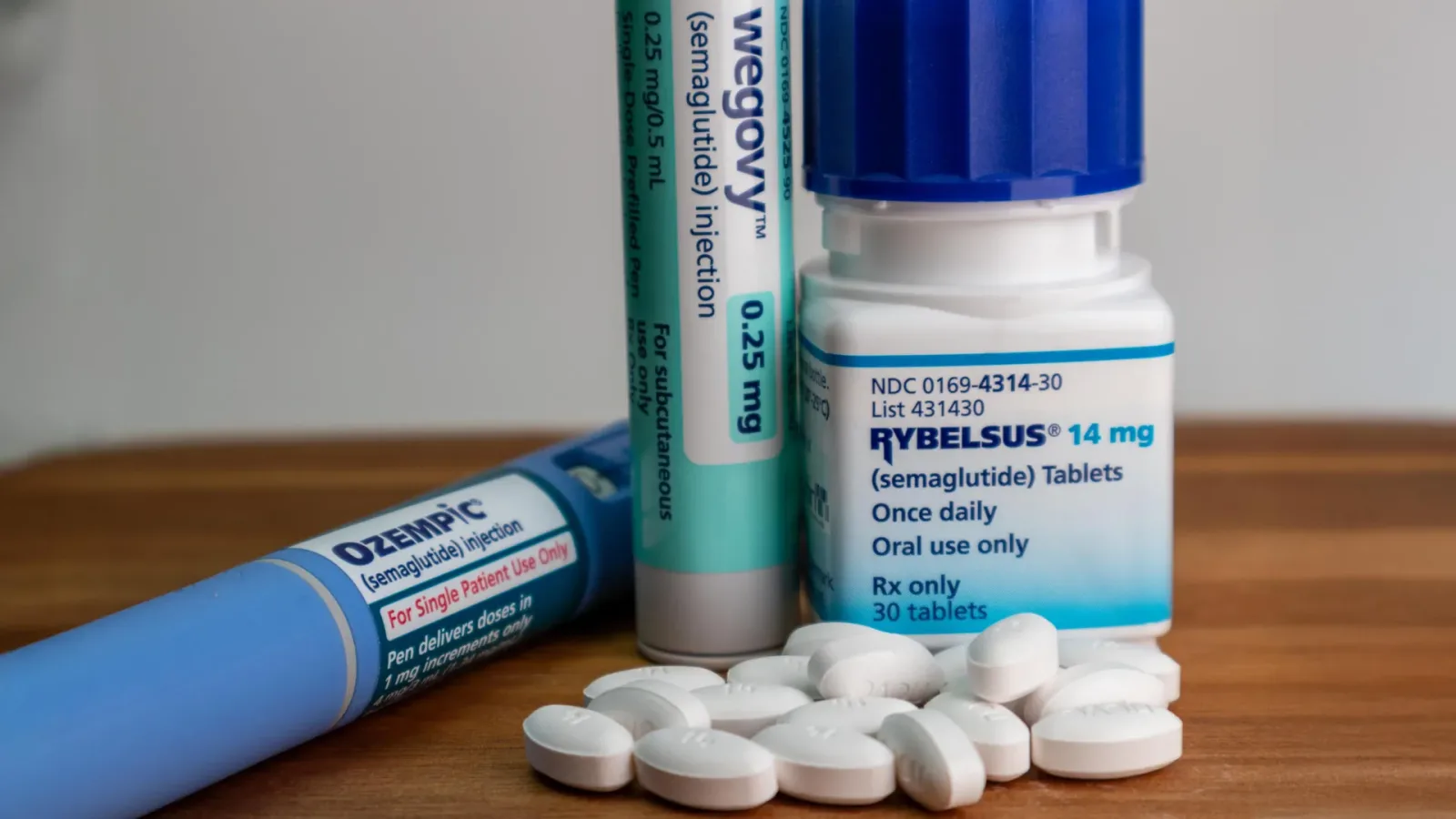
The projection relies on the swift uptake of pill forms of these drugs, which offer wider availability compared to injections. Novo Nordisk's Wegovy tablet, cleared by the FDA and introduced to the U.S. market at the start of this month, comes at a much lower price than the injectable option, sparking intense competition among competitors like Eli Lilly. CNBC indicates that this transition could hasten weight decreases among airline customers, given that U.S. adult obesity levels stand at roughly 42%, creating a huge potential market.
Fuel Dynamics in Aviation
Jet fuel consumption increases nonlinearly with weight; each saved pound means less power needed, especially for extended journeys. Jefferies projects yearly industry savings surpassing $1 billion if widespread use reaches a tipping point by 2027. Past examples include airlines switching from heavy metal utensils to plastic to shave off ounces per seat, and now drugs provide pound-level benefits without major operational modifications.
Sheila Kahyaoglu, Jefferies' head of aerospace research, stated to CNBC, 'We project around 2% savings in total aircraft weight from a 10% drop in average passenger weight.' This forecast presumes ongoing usage of medications like Wegovy, where the key component semaglutide showed an average 15% body weight decrease in studies. Companies such as Delta Air Lines and United Airlines, which spent billions on fuel recently, could benefit greatly from their long-distance fleets.
GLP-1 Medications' Growing Popularity
The driving force is the move to tablets. Novo Nordisk's oral Wegovy became available in the U.S. early January 2026, priced under half of the injectable form and distributed through Amazon Pharmacy, as per CNBC. Eli Lilly's competing oral GLP-1 is expected to receive approval later this year, with experts anticipating a fierce contest for Novo to retain leadership, as detailed in another CNBC report.
Patient consistency poses challenges, yet Amgen's CEO Bob Bradway told CNBC that updated versions tackle 'adherence problems' with monthly doses. Updates on X from CNBC highlight the excitement: a January 14 post on airlines' possible major savings attracted numerous views, mirroring current investor enthusiasm.
Measuring Passenger Weight Impact
The typical U.S. passenger weight, based on FAA statistics, is around 190 pounds including belongings. A 10% reduction—about 19 pounds—per 300 seats on a Boeing 787 amounts to nearly 6,000 pounds lighter per trip. When factored into daily schedules, the figures grow: Delta operates more than 5,000 flights each day. Fuel, the airlines' second-highest cost after payroll, averaged $2.50 per gallon in 2025; small efficiencies add up significantly.
Precision tracking for your journey
Join thousands using Shotlee to accurately track GLP-1 medications and side effects.
📱 Get the Shotlee App
Track your GLP-1 medications, peptides, and health metrics on the go with our mobile app!
Health tracking apps like Shotlee can help individuals monitor their progress with these medications, supporting sustained weight management.
Reuters reported in a December 2025 piece on food sector changes that GLP-1 demand is already altering eating patterns toward protein-rich, smaller meals, suggesting long-term weight control. The Guardian covered the Wegovy pill debut spurring price rivalry, with monthly costs below $500 versus $1,300 for injections.
Operational and Regulatory Support
Airlines are not just passive recipients. Carriers like Southwest have updated boarding weight estimates in fuel planning calculations. Authorities might revise FAA guidelines as population data changes; a 2024 guideline already incorporated increasing averages into safety buffers. Jefferies views this as a 'complimentary boost' despite capacity issues from Boeing production holds and Pratt & Whitney engine issues.
Investor comments on X reinforce the idea. CNBC's post referencing the Jefferies analysis received feedback from aviation experts lauding the 'underlying opportunity' in airline shares. Wider GLP-1 predictions from CNBC foresee oral treatments transforming the $100 billion sector, with U.S. prescriptions exceeding 20 million yearly by year's end.
Challenges to the Weight-Loss Trend
Not everyone is optimistic. Doubters point out that maintenance drops after initial weight loss, with actual data indicating just 50% continuation after six months. Semaglutide supply lines remain tight, although Novo has increased output. Economic downturns might reduce travel volume, countering per-flight advantages. Nevertheless, firms like UBS align with Jefferies, raising airline stock ratings due to improved fuel margins.
NBC News, in a January 2026 forecast, notes falling costs and pill clearances making therapies more accessible, likely speeding uptake among middle-class travelers who fly most often. Wall Street agrees: the blend of drug progress and airline economics could transform profitability into 2030.