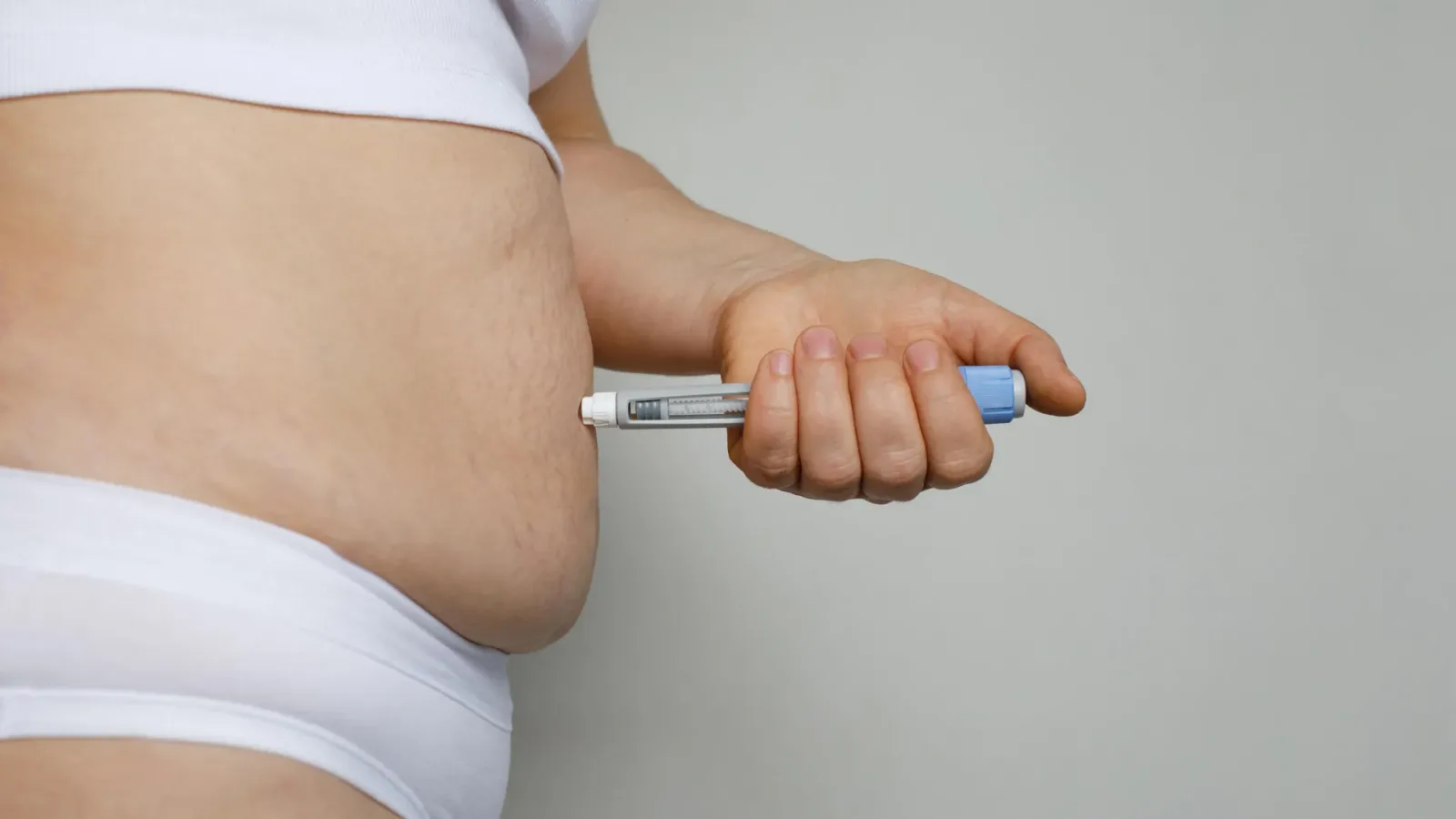

In 2024, the US Centers for Disease Control and Prevention released data revealing a historic shift: American obesity rates slightly declined after decades of steady increase. Experts hail this as one of the most significant public health tables in modern history.
The Breakthrough of Ozempic and GLP-1 Agonists
Novo Nordisk launched Ozempic in 2017 as a diabetes medication, noting weight loss as a side effect. Developers anticipated this would become the primary benefit, and it has. These GLP-1 agonists, dubbed "fat drugs," are now reducing obesity rates across multiple regions.
Future developments promise even greater reach: oral pills instead of injections and generic versions post-patent expiration could amplify their impact dramatically.
Serendipity in Scientific Discovery
The story of weight-loss injections blends chance, competition, and dedication. Macedonian chemist Svetlana Mojsov pioneered GLP-1 research in the 1970s, identifying glucagon-like peptide's role in blood sugar regulation. Ozempic mimics this hormone to curb appetite and promote fullness.
Precision tracking for your journey
Join thousands using Shotlee to accurately track GLP-1 medications and side effects.
📱 Get the Shotlee App
Track your GLP-1 medications, peptides, and health metrics on the go with our mobile app!
- Key discovery: A peptide from Gila monster lizard saliva proved instrumental.
- Mojsov's work laid the foundation for modern GLP-1 therapies.
Societal and Cultural Context
These drugs spark debate amid intense social pressures. While medically essential for some, others seek them for aesthetic goals like fitting smaller clothes or meeting social media ideals.
Real-Life Transformations and Nuanced Perspectives
Patients report profound changes. A 34-year-old marketer named Sarah gained inclusion in key meetings and a promotion after losing weight on Ozempic.
Yet, the verdict remains balanced. Do GLP-1 drugs treat symptoms rather than root causes of obesity? They raise questions about societal priorities when injections drive such life-altering results. Overall, they represent unsettling yet marvelous medical advances.