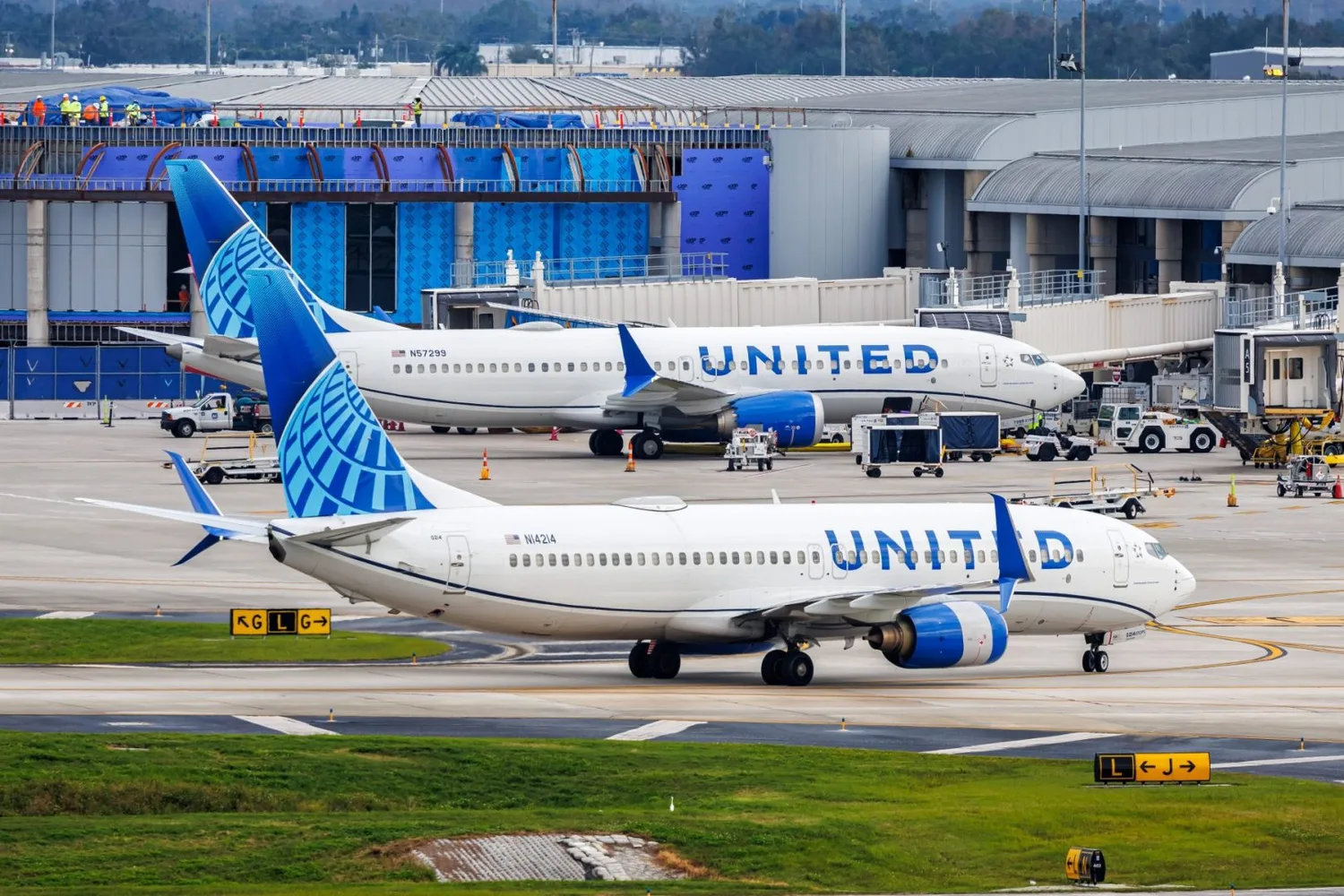
The aviation industry stands to gain massive financial benefits from the GLP-1 medication boom, as passengers lose weight and reduce fuel consumption. A Jefferies analysis projects that America's four largest airlines—American Airlines, Delta Air Lines, Southwest Airlines, and United Airlines—could save about $580 million annually.
Research Behind the Savings
Equity analyst Sheila Kahyaoglu from Jefferies conducted this study, examining how widespread GLP-1 adoption lowers airline costs. Unlike controllable factors such as seat materials or meal portions, passenger weight was previously fixed. Now, effective weight-loss drugs introduce a new variable that carriers can indirectly leverage.
Aviation Economics and Aircraft Weight
Airlines meticulously manage every ounce on board because fuel is a top expense. Each pound flown requires additional fuel, directly impacting profitability.
- Historical tactics include lighter paper for in-flight materials and smaller meal items like olives.
- Passenger weight influences fuel burn similarly to cargo loads.
- GLP-1 medications enable sustained weight reduction, amplifying these effects across millions of flyers.
The GLP-1 Weight-Loss Medication Boom
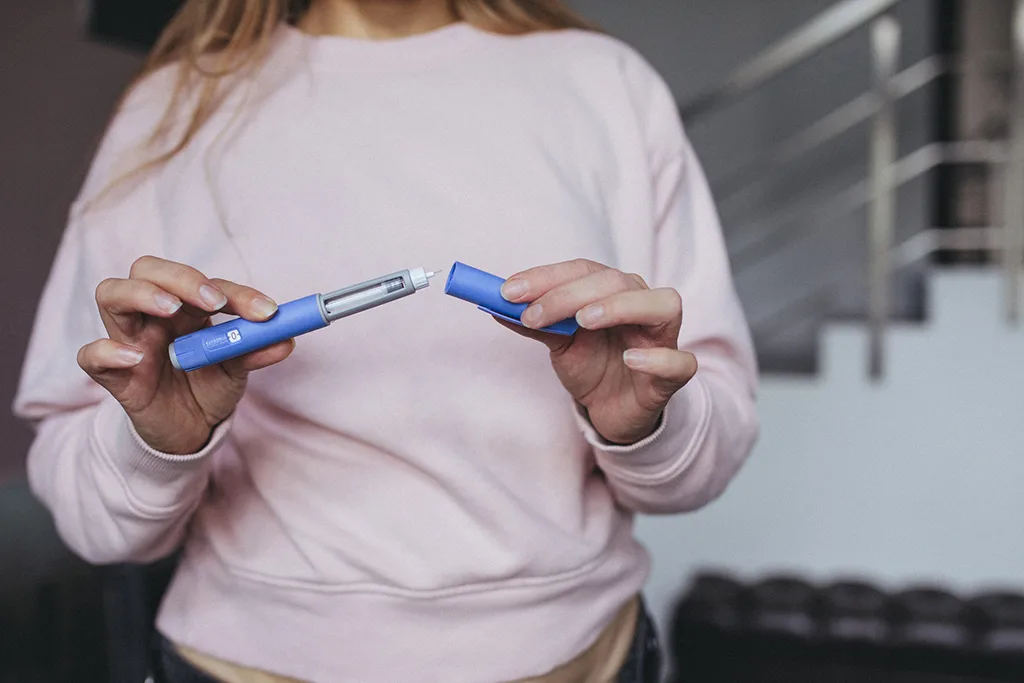
GLP-1 drugs like Ozempic and Wegovy mimic hormones to regulate appetite and blood sugar, fueling a U.S. weight management revolution. Novo Nordisk, maker of Wegovy, has expanded options with an oral semaglutide formulation.
Precision tracking for your journey
Join thousands using Shotlee to accurately track GLP-1 medications and side effects.
📱 Get the Shotlee App
Track your GLP-1 medications, peptides, and health metrics on the go with our mobile app!
Oral Semaglutide: A Game-Changer
The FDA approved this oral version in December 2025, with U.S. availability starting January 2026. Novo Nordisk executive Dave Moore noted strong demand from patients avoiding injections.
- Cash-paying patients: ~$149 monthly.
- Insured eligible patients: ~$25 monthly.
- Broader access could accelerate adoption rates.
Implications for Airlines
This pharmaceutical advancement creates ripple effects in aviation. The projected $580 million savings bolsters thin profit margins without airlines investing in changes.
Carriers already optimize ruthlessly—from fewer magazines to less frequent engine cleaning. Lighter passengers align perfectly with these efficiency drives.
Looking Ahead
As GLP-1 medications gain mainstream traction, their influence may span industries. Realized savings hinge on adoption, sustained loss, and treatment duration. This trend highlights how health innovations yield surprising economic wins.