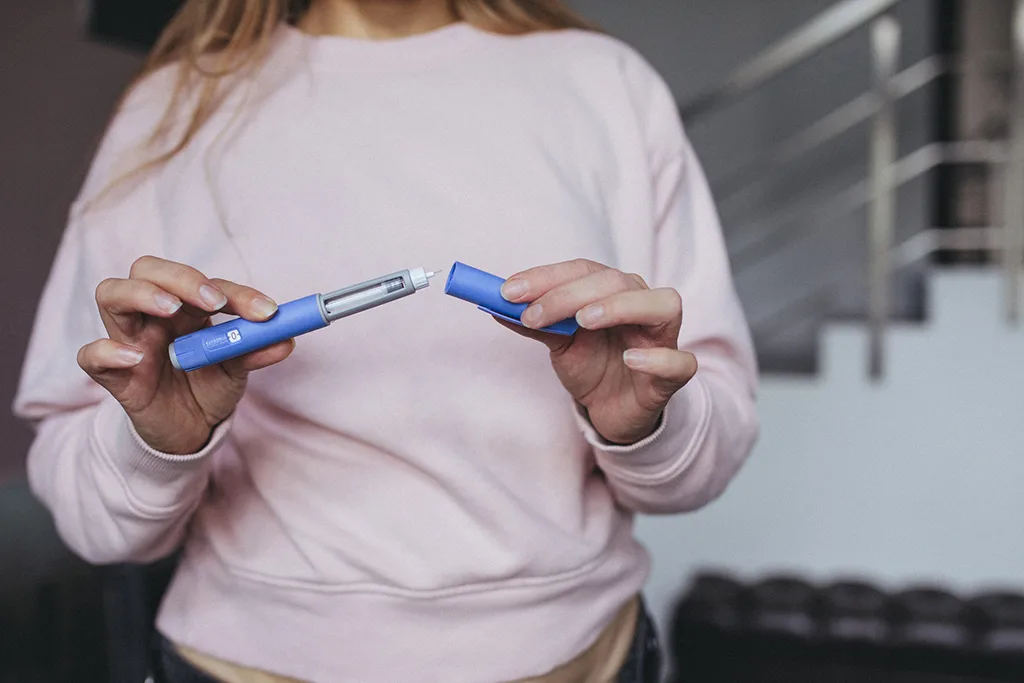

In the three years since Ozempic captured public attention, the brand has become shorthand for all GLP-1 receptor agonists like Wegovy and Mounjaro. Once hailed as a wonder drug transforming waistlines and markets—from falling Krispy Kreme stocks to airline fuel savings—these treatments mimic a hormone that curbs appetite and controls blood sugar. Users often describe silencing "food noise," eliminating the willpower struggle in dieting.
Weight Regain: The Temporary Effect of GLP-1 Drugs
Recent data from the British Medical Journal published January 7 indicates users lose about 20% of body weight on these drugs. However, stopping treatment leads to full regain within 1.5 years. Ozempic delivers nation-altering benefits only with lifelong use.
- Lifelong commitment raises costs—estimated at £10bn yearly for all eligible UK patients, half the drugs budget.
- NICE guidelines limit some GLP-1s for weight loss to two years maximum.
- Sustainable results demand lifestyle changes like "eat less, move more," mirroring past failed initiatives.
In essence, GLP-1 drugs resemble traditional diets: effective for loss but challenging for maintenance, as any yo-yo dieter knows.
Treating Symptoms, Not Obesity's Root Causes
Obesity demands addressing underlying drivers, not just symptoms. Factors include poverty, advertising, fast food, smartphone addiction, and sedentary lifestyles—not individual willpower alone.
UK stats highlight the crisis: 27% of men and 29% of women are obese today, up from 6% and 9% in 1980. Humanity thrived for 300,000 years with minimal obesity until industrialization eroded daily movement.
Precision tracking for your journey
Join thousands using Shotlee to accurately track GLP-1 medications and side effects.
📱 Get the Shotlee App
Track your GLP-1 medications, peptides, and health metrics on the go with our mobile app!
How Convenience Fuels the Obesity Epidemic
- Mechanized jobs and conveniences like cars, escalators, and vacuums reduced incidental activity.
- Instant access via screens to food, banking, and shopping—from the sofa—increases eating while sedentary.
- Shorter work hours yield more leisure, yet we feel too time-poor for exercise or home cooking.
The pandemic blurred work-play boundaries, amplifying always-on culture.
Ultra-Processed Foods and Addictive Design
Food has shifted to manufactured ultra-processed items, now over half of UK caloric intake. These hit the "bliss point"—optimal fat-salt-sugar ratios for maximum brain pleasure, overriding satiety signals.
Psychophysicist Howard Moskowitz defined this engineering. Historian David Courtwright terms it "limbic capitalism," where Big Food profits from addiction reward pathways, akin to social media or gambling. Early trials suggest GLP-1s may curb such addictions, but relying on Big Pharma for Big Food and Tech fixes feels dystopian.
From Individual to Systemic Solutions
689 UK anti-obesity initiatives since 1992 failed because obesity is collective, needing societal responses. Yet personal rebellion counts: cooking dinner or walking to takeaways defies profiteering from poor health.
For those on lifelong GLP-1s, apps like Shotlee help track doses consistently. Still, true change integrates drugs with environmental shifts for enduring weight management.