
The Rise of Ozempic and GLP-1 Medications in the Queer Community
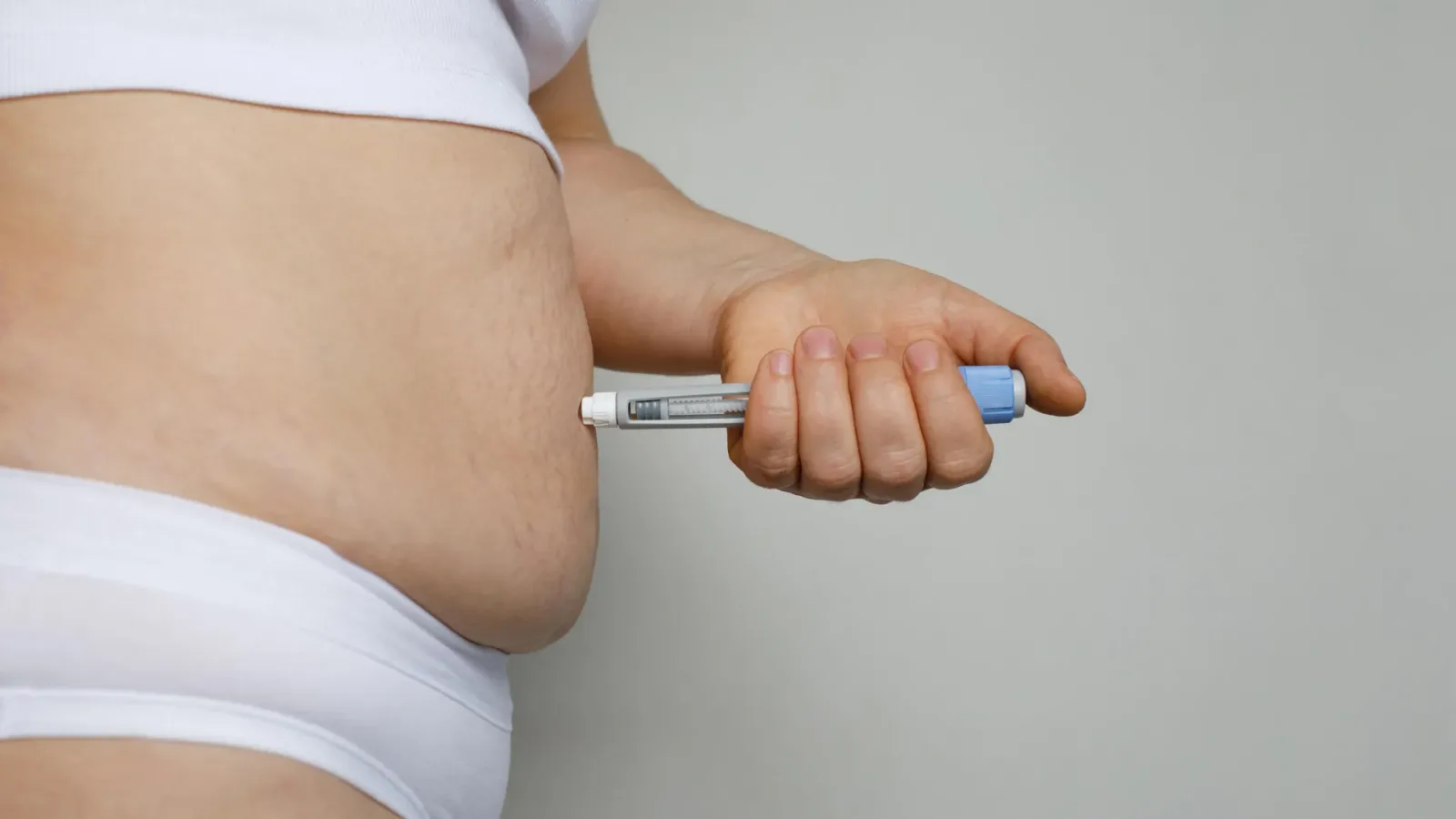
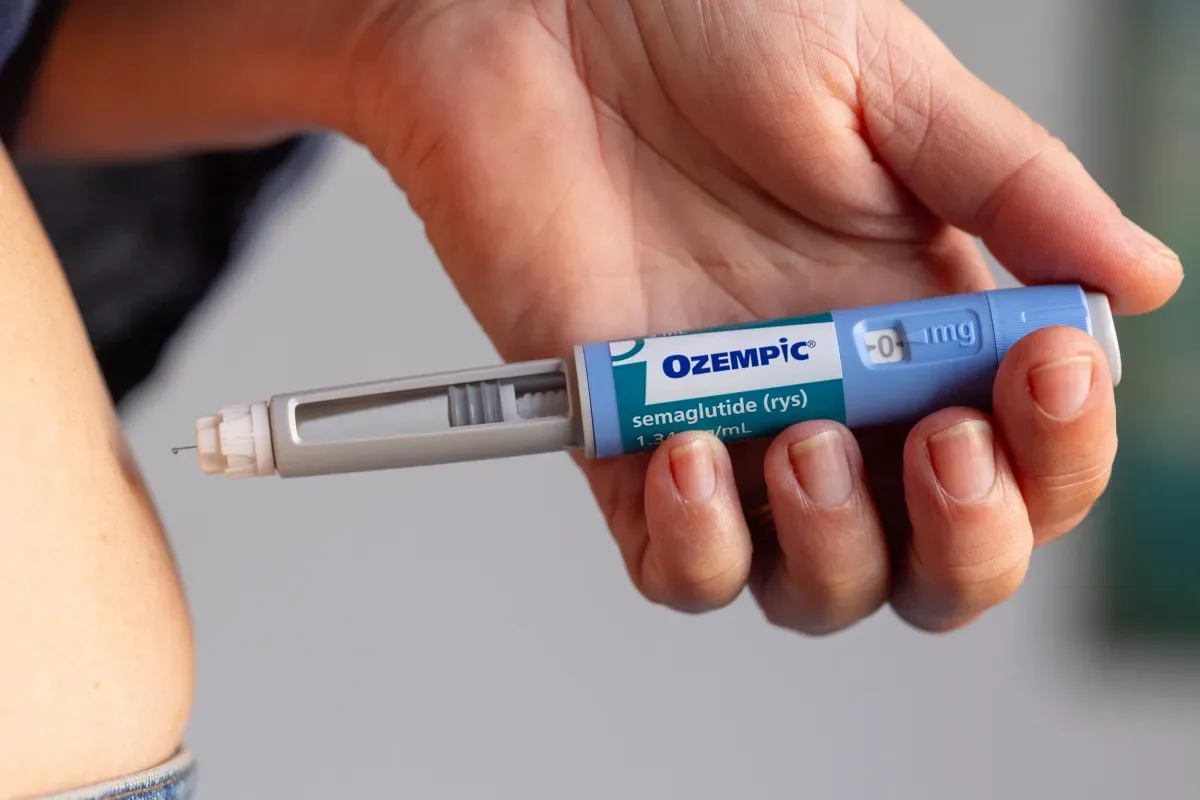
Ozempic and other GLP-1 weight-loss medications are transforming lives by promoting significant weight reduction, controlling Type 2 diabetes, lowering blood pressure, and improving cholesterol levels. These prescription drugs, primarily semaglutide-based like Ozempic, mimic the GLP-1 hormone to regulate blood sugar, slow gastric emptying, and reduce appetite. However, their rapid adoption—especially visible in Hollywood—has unintended consequences, particularly for gay men's body image and sexual function, including the ability to bottom.
Queer celebrities such as Margaret Cho, Jonathan Van Ness, Rosie O'Donnell, Boy George, and Harvey Fierstein have publicly shared their positive experiences with these medications, contributing to their popularity. Hollywood appears thinner than ever, amplifying the drugs' allure. Yet, while beneficial for those with genuine health issues like obesity or diabetes, Ozempic's impact on gay men extends beyond physical health, intersecting with longstanding cultural pressures.
Understanding GLP-1 Medications: Mechanisms and Proven Benefits
GLP-1 receptor agonists like Ozempic work by activating receptors in the pancreas, brain, and gut. This leads to increased insulin secretion, decreased glucagon, and prolonged feelings of fullness, resulting in 10-20% body weight loss in clinical trials for eligible patients. Beyond weight management, they offer cardiovascular protection and metabolic improvements, making them a cornerstone for Type 2 diabetes treatment.
For patients with comorbidities, these effects can be life-changing. Lowered blood pressure reduces hypertension risks, while better cholesterol profiles mitigate heart disease. However, these benefits must be weighed against emerging social and physiological downsides, especially in communities where body standards are scrutinized.
Who Should Consider GLP-1 Medications?
Experts recommend GLP-1 drugs primarily for individuals with BMI over 30, or 27+ with weight-related conditions like Type 2 diabetes or hypertension. Patients should discuss family history, current medications, and lifestyle with their doctor. Not ideal for cosmetic weight loss alone, as long-term use requires monitoring for sustainability.
In the queer community, where metabolic health issues like diabetes disproportionately affect some groups due to factors like stress or access disparities, GLP-1s could help. But candidacy hinges on medical need, not societal pressure.
Gay Men's Body Image Struggles and Toxic Gym Culture
The gay community has long grappled with intense body ideals, fueled by gym culture, media portrayals, and social norms emphasizing lean, muscular physiques. Body shaming and toxic comparisons are prevalent, contributing to higher rates of eating disorders, anxiety, and depression compared to the general population.
Ozempic exacerbates these issues by enabling rapid fat loss, often leading to an intensified pursuit of "perfect" bodies. Users may chase unsustainable leanness, ignoring that extreme thinness can harm health, including hormone levels and bone density. This shift amplifies existing pressures, where body image directly ties to self-worth and social acceptance.
Ozempic's Specific Impact on the Ability to Bottom
One distressing outcome is the effect on gay men's ability to bottom during anal sex. Weight loss from GLP-1 medications reduces subcutaneous fat in the gluteal region and pelvic area, which naturally cushions and lubricates. This can cause discomfort, pain, or difficulty accommodating penetration, as anecdotal reports from users indicate.
While no current studies detail GLP-1 use within the LGBTQ+ community, experts note that such physiological changes compound psychological barriers. Men already navigating body image insecurities may avoid intimacy, fearing inadequacy or pain. This intersection of physical alteration and cultural stigma underscores a unique vulnerability.
Precision tracking for your journey
Join thousands using Shotlee to accurately track GLP-1 medications and side effects.
📱 Get the Shotlee App
Track your GLP-1 medications, peptides, and health metrics on the go with our mobile app!
Expert Perspectives on GLP-1 Use in Queer Populations
To address these concerns, discussions with experts reveal key insights. There are no current studies detailing GLP-1 use within the LGBTQ+ community, highlighting a research gap. Specialists emphasize evaluating individual health profiles, as queer individuals may face compounded risks from stigma, mental health challenges, or hormone therapies.
Health concerns specific to queer people include potential interactions with PrEP or HIV medications, though data is limited. Experts urge holistic care: combining GLP-1s with therapy for body image and sexual health counseling. Side effects like gastrointestinal issues, muscle loss, or "Ozempic face" (facial fat depletion) further complicate body perception.
Safety and Side Effects Relevant to Gay Men
Common GLP-1 side effects include nausea, diarrhea, and constipation, but long-term risks like gallbladder issues or pancreatitis exist. For gay men, rapid fat loss may accelerate sarcopenia (muscle wasting), countering gym culture goals. Sexual function disruptions, beyond bottoming, could involve delayed gastric emptying affecting libido indirectly.
Monitoring is crucial; tools like Shotlee can help track symptoms, side effects, or medication adherence, providing data for doctor discussions.
Comparisons to Alternatives and Practical Guidance
Compared to lifestyle changes alone, GLP-1s offer faster results but require ongoing injections and cost. Alternatives like bariatric surgery suit severe cases, while metformin aids milder diabetes. For body image-focused individuals, behavioral therapies or nutritionist-led plans may suffice without pharmacological risks.
Patients considering Ozempic should: consult endocrinologists or primary care familiar with queer health; screen for contraindications like thyroid cancer history; start low-dose to minimize GI upset; and integrate strength training to preserve muscle. Discuss sexual health openly—urologists or sex therapists can address bottoming challenges.
Key Takeaways: Balancing Benefits and Risks
Ozempic and GLP-1s deliver real health wins—weight loss, diabetes control, better BP and cholesterol—but at a cost to gay men's body image and intimacy. Amid celeb endorsements, the queer community must prioritize medical necessity over trends. Experts stress personalized care amid toxic gym culture.
What This Means for Patients:
- Assess true need with a doctor before starting.
- Monitor body changes holistically, using apps like Shotlee for symptom logging.
- Seek support for body image via queer-affirming therapy.
- Explore non-drug options if cosmetic goals dominate.
In conclusion, while Ozempic heralds metabolic hope, its role in gay men's lives demands caution to protect mental and sexual well-being.