
Ozempic Users Warned: Don't Skip Exercise, Study Urges
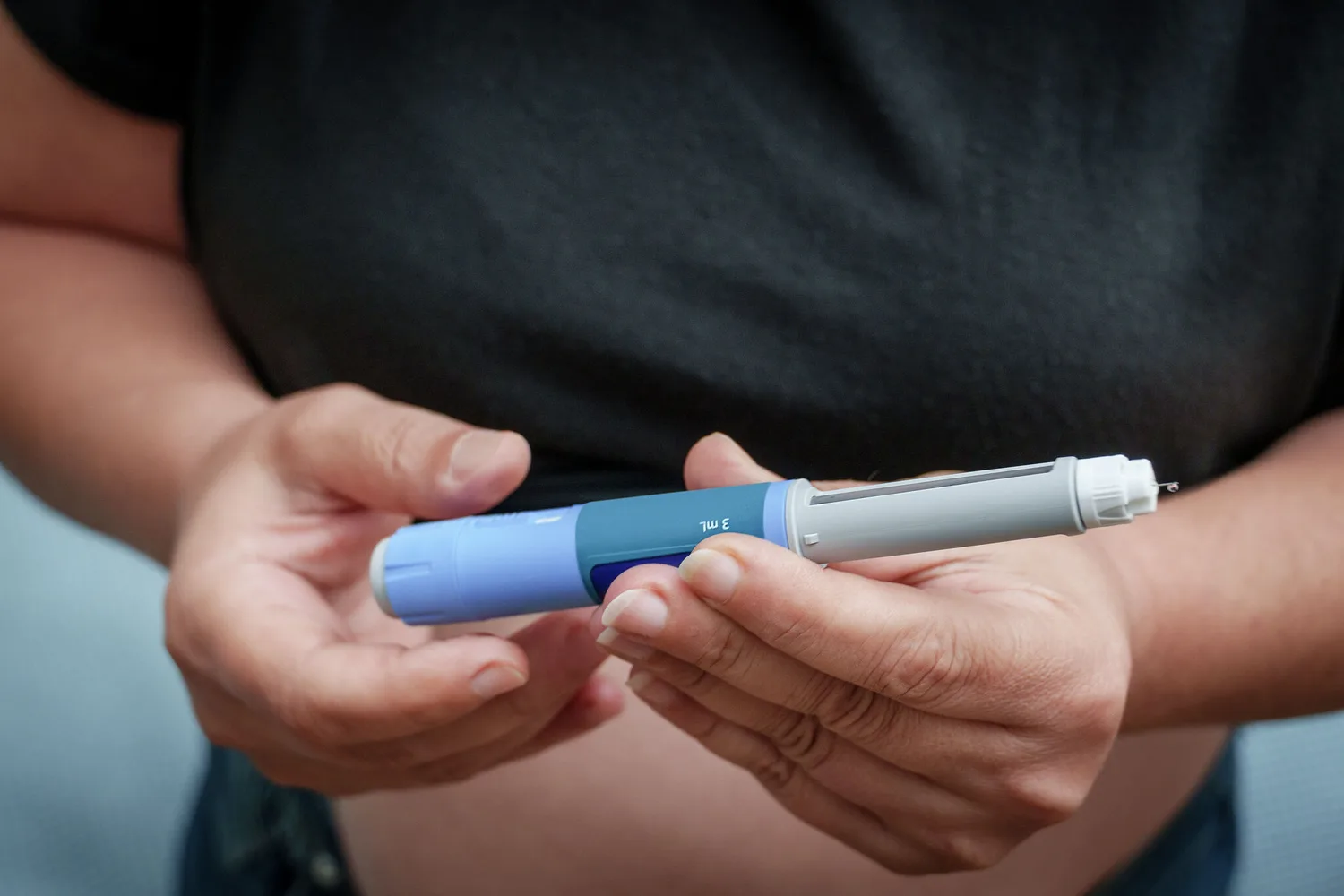
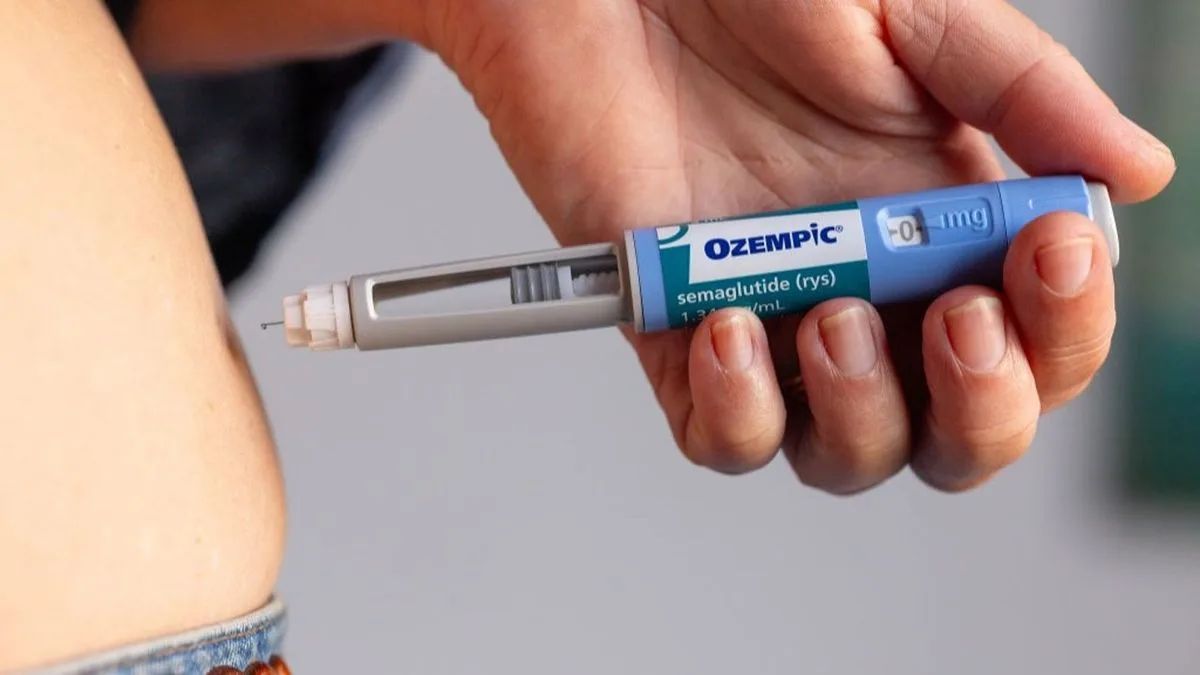
In the world of GLP-1 medications like Ozempic, significant weight loss can tempt users to slack on physical activity. However, a newly published study in the Sports Medicine journal delivers an urgent message: Ozempic users who don't exercise are missing out on key health benefits. The research emphasizes that exercise remains essential for optimal outcomes, even when using these powerful drugs.
The Study Behind the Ozempic Exercise Warning
Outside Online reports on this eye-opening research involving volunteers on GLP-1 products similar to Ozempic, specifically Victoza and Saxenda (both made by Novo Nordisk). Participants followed these medications for a full year, divided into groups with and without an exercise regimen.
The study included 193 adults aged 18 to 65. The exercise program was structured and realistic: two group classes per week, each featuring 30-minute intervals on bikes followed by 15 minutes of circuit training. Participants also completed two additional workouts on their own, with most choosing running, circuits, or cycling.
Key Study Results: Exercise + GLP-1 Wins
Everyone who exercised outperformed their sedentary counterparts. But the standout finding? The combination of GLP-1 drug-taking and exercise delivered the best results across health markers. Those doing nothing—relying solely on the medication—had the worst outcomes.
This underscores a critical point for Ozempic users who don't exercise: while these drugs promote weight loss by mimicking GLP-1 hormones to regulate blood sugar, slow digestion, and reduce appetite, they don't replace the multifaceted benefits of movement.
Why Exercise Matters with Ozempic and GLP-1 Therapies
GLP-1 receptor agonists like Ozempic (semaglutide), Victoza (liraglutide), and Saxenda work primarily by enhancing insulin secretion, suppressing glucagon, and delaying gastric emptying. This leads to effective weight loss and better glycemic control, especially for type 2 diabetes and obesity management.
However, weight loss alone isn't enough for long-term metabolic health. Exercise complements GLP-1 effects by:
- Improving cardiovascular fitness and muscle mass preservation during calorie deficits.
- Enhancing insulin sensitivity beyond what drugs provide.
- Boosting mental health and reducing inflammation.
- Preventing lean mass loss, which sedentary GLP-1 users risk.
Without exercise, users may lose weight but compromise muscle, bone density, and heart health—issues the study highlights through inferior results in non-exercisers.
Practical Exercise Guidance for GLP-1 Users
Start with the study's model: aim for 2-4 sessions weekly, mixing cardio (biking, running) and strength (circuits). Beginners should consult physicians to tailor plans, considering GLP-1 side effects like fatigue or nausea. Track progress with apps or tools like Shotlee for medication schedules and symptom monitoring alongside workouts.
Precision tracking for your journey
Join thousands using Shotlee to accurately track GLP-1 medications and side effects.
📱 Get the Shotlee App
Track your GLP-1 medications, peptides, and health metrics on the go with our mobile app!
A Sobering Side Effect Story: Ozempic and Blindness Risk
While the study stresses exercise needs, it arrives amid growing awareness of rare but severe GLP-1 side effects. Todd Engel, a 63-year-old ex-trucker from Maryland, was rendered legally blind after using Ozempic since 2023 to manage his type-2 diabetes.
Engel developed non-arteritic anterior ischemic optic neuropathy (NAION) in both eyes—a rare condition linked to sudden vision loss. Within months, he lost sight in his right eye; by October 2024, both were irreparably damaged.
"The worst part is that I can no longer see my beautiful wife's face again - or the faces of my grandchildren. Had I known it could lead to sudden and permanent blindness, I never would have taken this drug."
— Todd Engel, in an exclusive LADbible interview
His attorney, Jonathan Orent, stated: "Irreversible blindness is not side effect. It's a life-altering injury."
Engel's wife, Shelley, shared the family impact: "It's heartbreaking when our little grandkids have to take his hand and lead him around. He can't drive and he can't work, which is major, he can't play ball. It breaks my heart, but my life has changed. Our whole family's life, everything has changed completely. He can't play with our grandkids. Everything in our house has been rearranged and organised." Per The Independent, this tragedy highlights NAION risks potentially tied to rapid weight loss or vascular changes from GLP-1s.
Balancing Benefits and Risks of Ozempic-Like Drugs
GLP-1s offer proven advantages: substantial weight reduction (10-20% body weight), diabetes control, and cardiovascular benefits in trials like SELECT. Compared to alternatives like older diabetes meds (e.g., metformin) or bariatric surgery, they're convenient weekly injections.
Yet, safety monitoring is vital. Common side effects include GI issues; rare ones like NAION warrant vigilance. Patients should report vision changes immediately. Tools like Shotlee can help log symptoms for doctor discussions.
Who Should Consider GLP-1 + Exercise?
- Adults with obesity or type 2 diabetes seeking sustainable weight management.
- Those cleared by doctors, especially with heart disease history.
- Avoid if history of thyroid cancer or pancreatitis.
Discuss with providers: Is Ozempic right? How to integrate exercise safely?
Key Takeaways for Ozempic Users
- Exercise is non-negotiable: Study shows GLP-1 alone yields worst results; combo excels.
- Follow structured routines like 2 group + 2 solo sessions weekly.
- Monitor for rare risks like NAION—vision loss can be permanent.
- Combine meds, movement, and diet for metabolic health.
- Consult doctors before starting; track everything meticulously.
Conclusion: Actionable Insights for Better Health
The Sports Medicine study warns Ozempic, Victoza, and Saxenda users: sitting on the couch post-weight loss isn't an option. Pairing GLP-1 therapy with exercise maximizes benefits while stories like Todd Engel's remind us of risks. Prioritize movement, stay vigilant on side effects, and partner with healthcare pros for personalized plans. This integrated approach sustains weight loss, protects vision and vitality, and supports long-term wellness.