
'Ozempic Teeth': Dentists Urge Awareness of Weight Loss Drug Oral Risks
The side effects of weight loss drugs on teeth has dentists concerned (Getty Images)
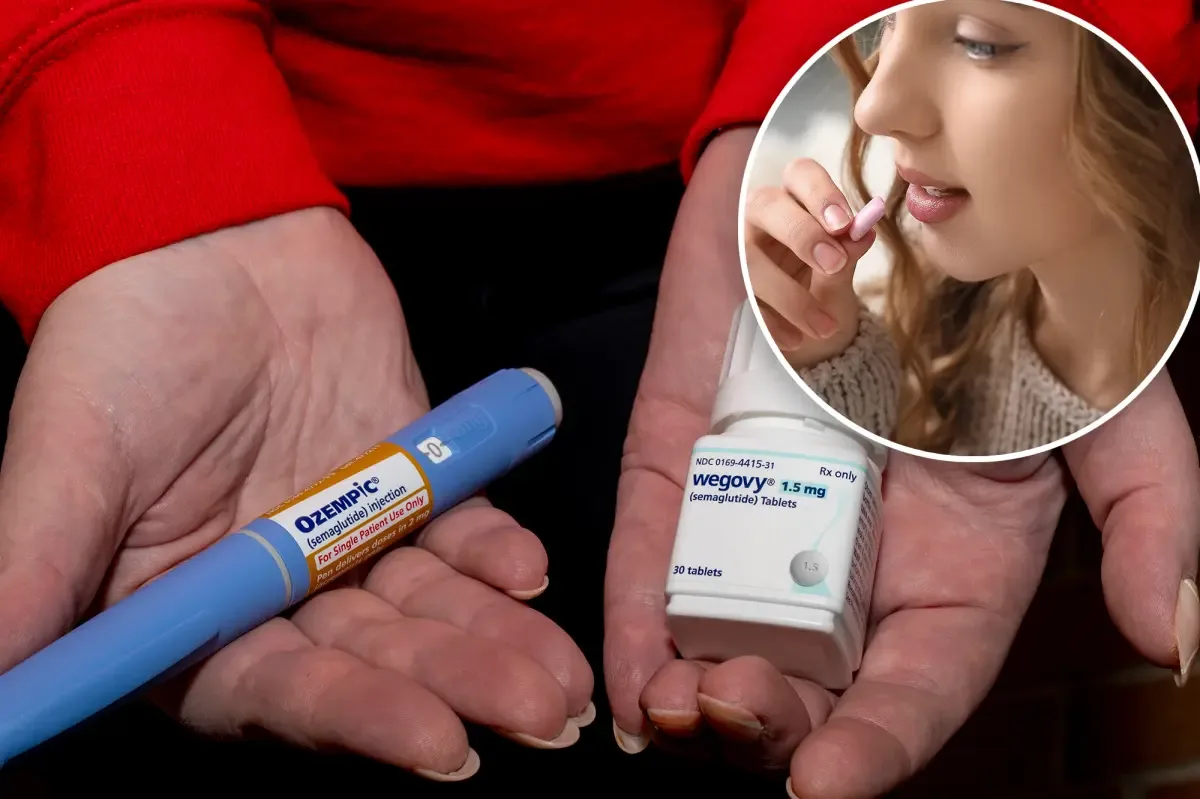
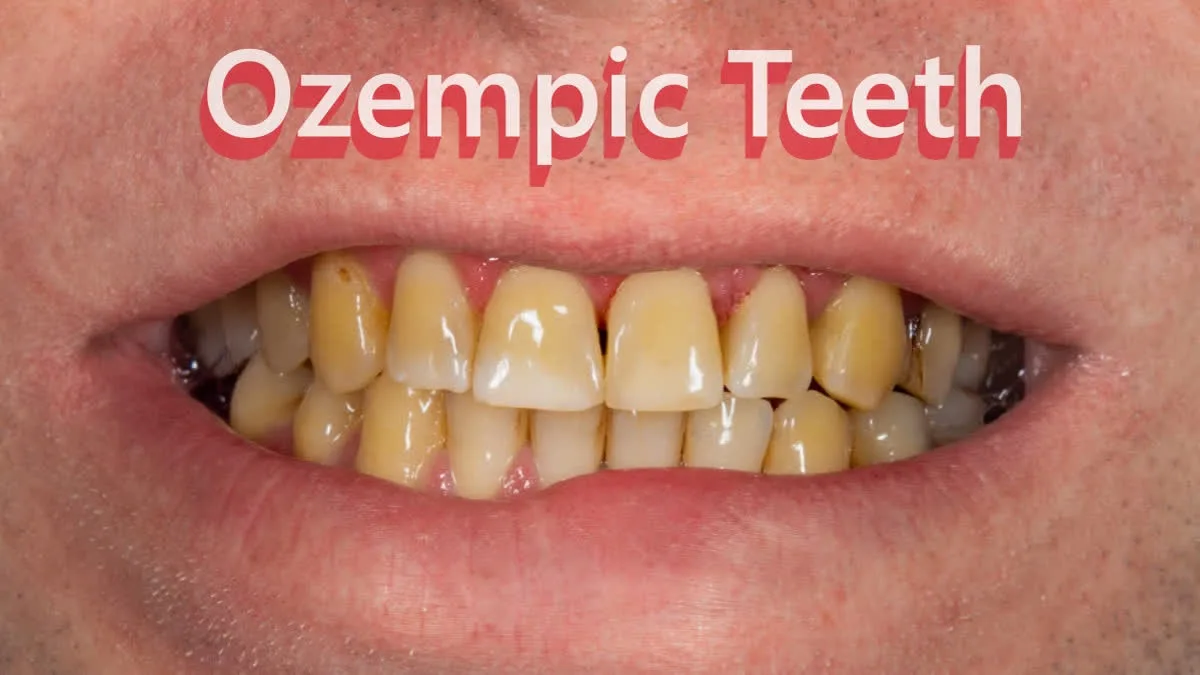
"Ozempic teeth" is emerging as a key concern for dental professionals amid the surge in GLP-1 medications like Ozempic for weight loss. Originally developed for diabetes management, these drugs—such as Ozempic and its GLP-1 counterparts—have gained massive popularity for rapid weight reduction. While users celebrate slimmer figures, dentists are observing troubling oral health changes that demand greater awareness.
What Are "Ozempic Teeth"?
"Ozempic teeth" refers to a cluster of oral side effects linked to GLP-1 drugs, sounding the alarm for patients and providers alike. According to Lt. Gen Dr Vimal Arora (RETD.), Chief Clinical Officer at Clove Dental, dentists are noticing a clear pattern in patients on these medications.
"Patients report persistent dry mouth, increased tooth sensitivity, gum irritation, and faster plaque accumulation," says Dr Arora. "There is also a noticeable rise in conditions such as xerostomia, dental caries, and early periodontal inflammation, which are often seen in the context of rapid weight loss and altered nutritional intake."
These symptoms aren't isolated; they stem from how GLP-1 agonists like semaglutide (the active ingredient in Ozempic) interact with the body. By mimicking the GLP-1 hormone, these injections slow gastric emptying, reduce appetite, and promote significant weight loss—often 15-20% of body weight over time. However, this systemic shift ripples into oral health.
Common Symptoms of Ozempic Teeth
- Persistent dry mouth (xerostomia): Reduced saliva production leaves teeth vulnerable to decay.
- Increased tooth sensitivity: Enamel wear exposes dentin, causing pain with hot, cold, or sweet foods.
- Gum irritation: Inflammation signals early gingivitis.
- Faster plaque accumulation: Leads to tartar buildup and heightened caries risk.
- Early periodontal inflammation: Potential precursor to gum disease.
How GLP-1 Drugs Like Ozempic Affect Oral Health
You can't just change one system (appetite and metabolism) and expect everything else to stay the same. GLP-1 drugs often reduce appetite and alter eating patterns, but they can also lead to reduced fluid intake, changes in nutrition, and crucially, reduced salivary flow, as noted by Dr Arora.
The Mechanism Behind the Issues
Saliva is the mouth's natural defender, neutralizing acids, washing away food particles, and providing minerals for enamel repair. GLP-1 medications can indirectly suppress saliva production through dehydration from lower fluid intake—common when appetite wanes—and nutritional shifts. Rapid weight loss exacerbates this by depleting essential vitamins like B12, calcium, and vitamin D, which support gum and bone health.
Precision tracking for your journey
Join thousands using Shotlee to accurately track GLP-1 medications and side effects.
📱 Get the Shotlee App
Track your GLP-1 medications, peptides, and health metrics on the go with our mobile app!
Dehydration compounds the problem: less water means drier oral tissues, fostering bacterial growth. Studies on similar populations (e.g., bariatric surgery patients) show parallel risks, but GLP-1 users experience them without surgery. Altered eating—smaller, less frequent meals—reduces mechanical cleansing from chewing, accelerating plaque buildup.
Comparison to Traditional Weight Loss Methods
Unlike diet and exercise alone, which might encourage balanced nutrition and hydration, GLP-1 drugs create a "calorie deficit by design." Historical weight loss relied on walking, cutting sugar, and habits like sipping green tea. Today's injections bypass behavioral changes but introduce unique oral vulnerabilities not seen in lifestyle interventions.
Who Is at Risk and Practical Guidance for Patients
Anyone on Ozempic or similar GLP-1s (e.g., Wegovy, Mounjaro) for weight loss or diabetes faces potential risks, especially long-term users or those with pre-existing dental issues. Dentists recommend proactive steps:
- Hydrate aggressively: Aim for 8-10 glasses of water daily; use a reminder app or tool like Shotlee for tracking intake alongside symptoms.
- Maintain oral hygiene: Brush twice daily with fluoride toothpaste, floss, and use an alcohol-free mouthwash.
- Supplement wisely: Discuss multivitamins, calcium, and saliva stimulants (e.g., xylitol gum) with your doctor.
- Schedule dental checkups: Every 3-6 months to monitor plaque, caries, and gums.
- Monitor symptoms: Log dry mouth or sensitivity; apps like Shotlee can help track side effects and medication schedules for doctor discussions.
Consult your physician before starting GLP-1s if you have dental concerns, and inform your dentist about your regimen.
Safety Profile and Broader Side Effects Context
While GLP-1 drugs excel in glycemic control and cardiovascular benefits, oral effects like those in "Ozempic teeth" underscore the need for holistic monitoring. Common side effects include nausea and GI issues, but dental risks are under-discussed. No direct causation is proven—issues arise from indirect effects—but awareness prevents escalation to costly treatments like fillings or root canals.
Key Takeaways: What This Means for Patients
- Dentists like Dr Arora observe rising xerostomia, caries, and periodontal issues in GLP-1 users.
- Root causes: reduced saliva, dehydration, nutritional gaps from appetite suppression.
- Protect your teeth with hydration, hygiene, and regular dental visits.
- GLP-1 benefits outweigh risks for many, but informed use is key.
Conclusion
"Ozempic teeth" highlights how weight loss innovations like GLP-1 drugs impact more than waistlines—they affect smiles too. By heeding dentists' calls for awareness, patients can enjoy benefits while minimizing oral risks. Discuss with your healthcare team, prioritize hydration and hygiene, and stay vigilant for early signs. A healthier body starts with a healthy mouth.