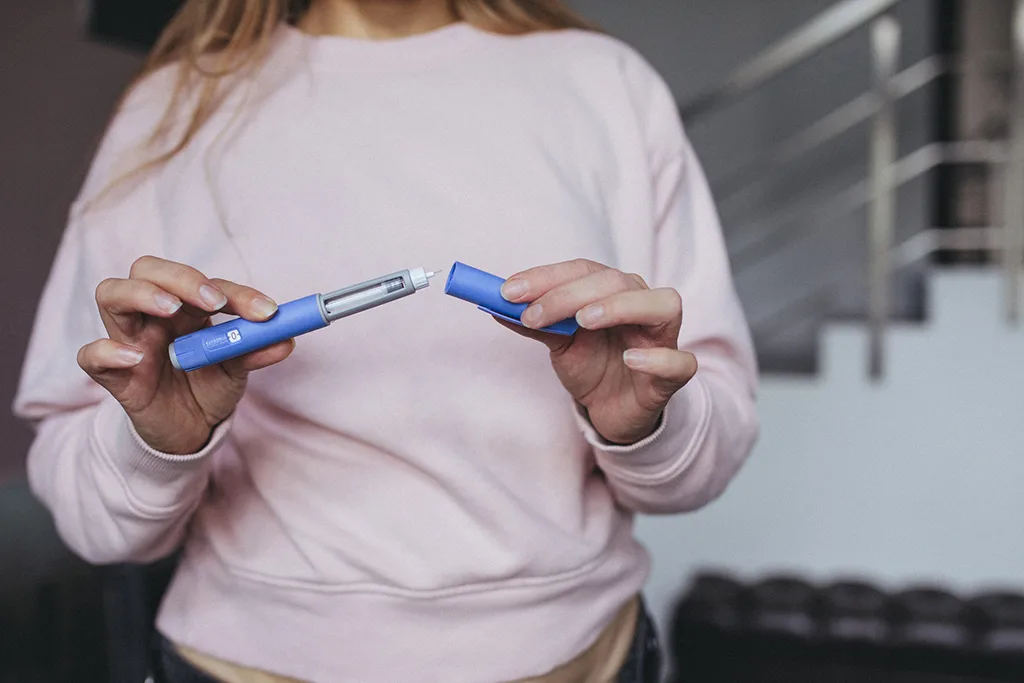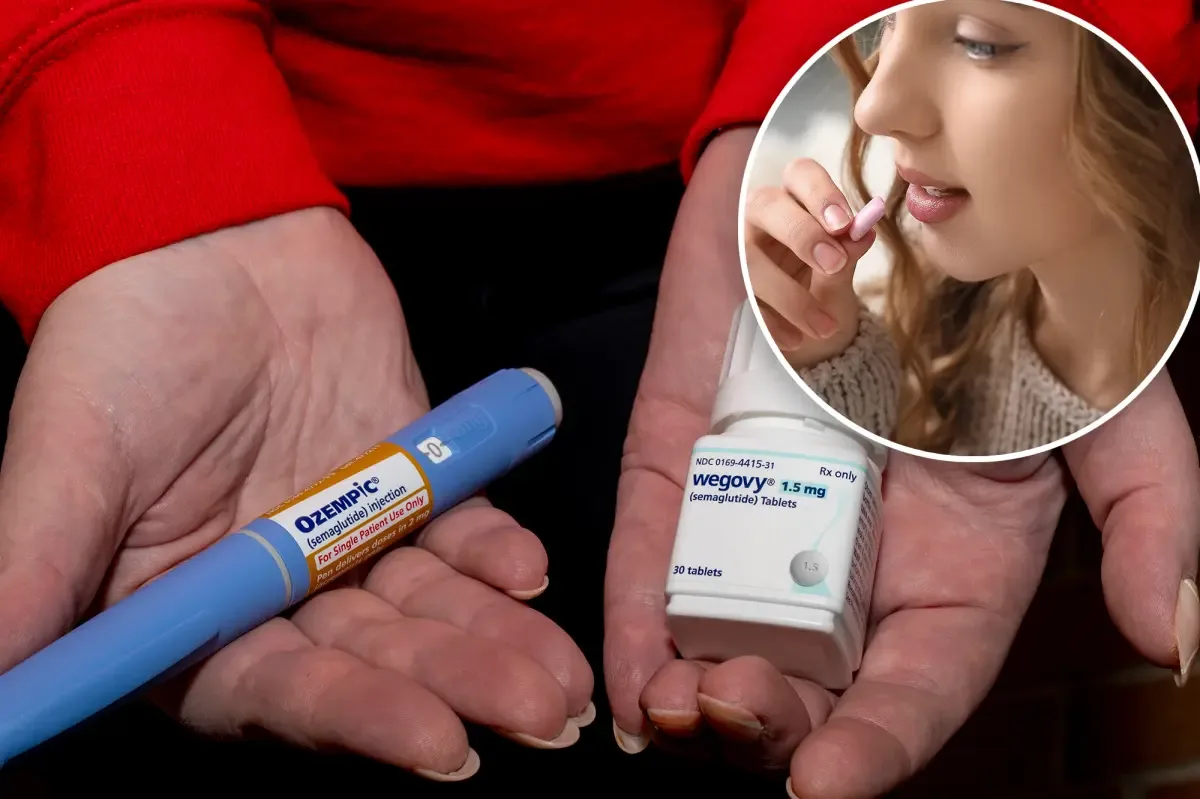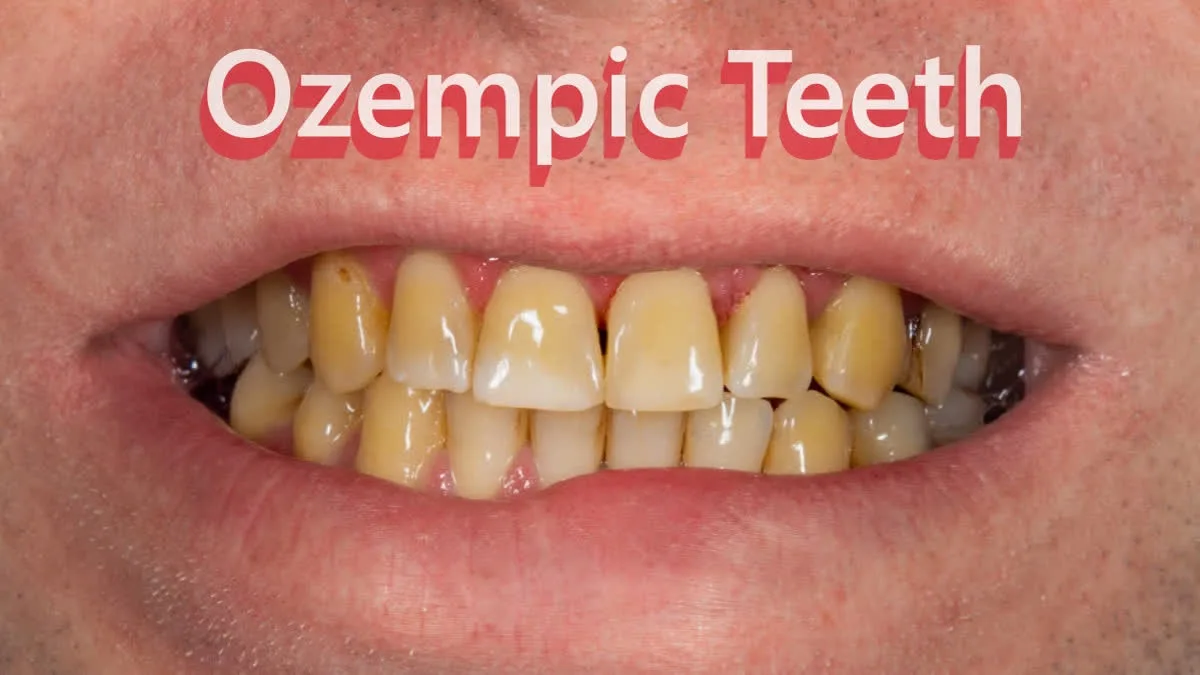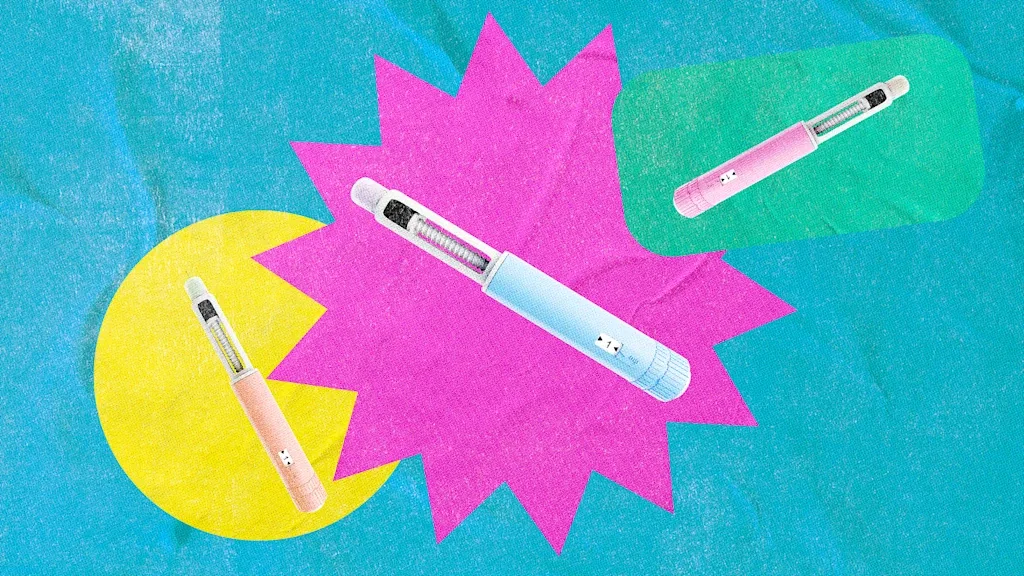
In the world of weight loss medications, GLP-1 drugs like Ozempic (semaglutide) have surged in popularity, mimicking the GLP-1 hormone to regulate blood sugar, slow digestion, and promote satiety. However, a growing concern among dental professionals is Ozempic teeth—a term describing accelerated tooth decay, brittle enamel, gum recession, and other oral health issues observed in patients using these medications. This phenomenon gained attention through a viral video from US dentist Dr. Gerry Curatola, who warns why more people should be talking about it.
What Are 'Ozempic Teeth' and Why Are Dentists Concerned?
Dr. Gerry Curatola, a US-based dentist, recently appeared on the TSC podcast, sparking online debate with a video captioned, "Why aren't we talking about this?! The rise of OZEMPIC TEETH." He describes Ozempic teeth as a real and emerging issue tied to GLP-1 receptor agonists like Ozempic, Wegovy, and similar drugs.
"It's a real thing. These GLP drugs are amazing, but what they do is slow gastric emptying, and they slow the flow of bile. Now, you need bile for vitamins - Vitamin A, Vitamin D, Vitamin K - and they also make your mouth drier. So, your mouth gets drier, your teeth start to get more brittle - a lot of that is lower Vitamin D. You need Vitamin D and K for your teeth and bones. It's really important. So, they're calling it Ozempic teeth and dentists out there are seeing higher decay rates, gum recession and all of that is controllable, but you need to be aware of it," Dr. Curatola shared.
According to Dr. Curatola, the problem extends beyond simple cavities. Key symptoms include:
- Dry mouth (xerostomia): Reduced saliva flow impairs natural cleansing and remineralization of teeth.
- Vitamin deficiencies: Impaired bile flow hinders absorption of fat-soluble vitamins A, D, and K, essential for enamel strength and bone health.
- Brittle teeth: Linked to low Vitamin D, leading to weakened dentin and enamel.
- Gum recession: Increased vulnerability to inflammation and periodontal issues.
- Higher decay rates: Dentists report elevated cavities and infections in GLP-1 users.
GLP-1 medications work by delaying gastric emptying, which helps control appetite and blood sugar but can disrupt nutrient absorption downstream. Bile, produced by the liver and stored in the gallbladder, emulsifies fats for vitamin uptake. When slowed, this process falters, potentially compromising oral health over time—especially in long-term users.
The Mechanism: How GLP-1 Drugs Impact Oral Health
GLP-1 agonists like Ozempic primarily target metabolic pathways: they enhance insulin secretion, suppress glucagon, and decelerate stomach emptying. This mechanism excels for type 2 diabetes and obesity management but has unintended ripple effects.
Slowed Gastric Emptying and Bile Flow
By prolonging food retention in the stomach, these drugs reduce the frequency of bile release into the intestines. Bile is crucial for absorbing vitamins A, D, and K—nutrients vital for mucosal integrity, immune function in the gums, and mineralization of teeth and jawbone.
Dry Mouth as a Gateway Issue
Xerostomia from GLP-1s stems from altered autonomic responses or dehydration risks during rapid weight loss. Saliva neutralizes acids, buffers pH, and delivers minerals to teeth. Without it, plaque builds up faster, fostering decay.
While not every user experiences these effects, dentists like Dr. Curatola note a pattern in practices serving weight loss patients, underscoring the need for proactive monitoring.
Prevention Strategies for Ozempic Teeth
Dr. Curatola emphasizes that these issues are "controllable" with awareness and targeted habits. His straightforward advice includes:
- Hydrate much more than usual: Aim for 3-4 liters daily to combat dry mouth and support saliva production. Sugar-free lozenges or oral rinses can help.
- Increase protein intake: Protein supports tissue repair and counters muscle loss, indirectly aiding gum health.
- Monitor Vitamin D levels: Regular blood tests and supplements (under medical guidance) ensure adequate levels for bone and tooth strength.
Additional evidence-based tips for GLP-1 users:
Precision tracking for your journey
Join thousands using Shotlee to accurately track GLP-1 medications and side effects.
📱 Get the Shotlee App
Track your GLP-1 medications, peptides, and health metrics on the go with our mobile app!
- Use fluoride toothpaste and remineralizing agents like nano-hydroxyapatite.
- Schedule dental check-ups every 3-6 months.
- Chew xylitol gum to stimulate saliva.
- Track symptoms with apps like Shotlee, which can log hydration, diet, and oral changes alongside medication schedules.
Online Debate: Real Experiences from GLP-1 Users
The video ignited mixed reactions online, reflecting diverse user experiences.
Supporters echoed Dr. Curatola: "My dentist told me about this too! He says the cavity and infection rates are higher in his practice than ever before." Another lamented, "It's sad this isn't common knowledge and doctors aren't educating their patients about everything needed to counter such things."
Positive outliers emerged: "I already had great teeth, but my dentist was SHOCKED by the reduction of inflammation in my mouth after starting a GLP-1." A Mounjaro user reported, "Seven months of Mounjaro and no dry mouth and no dental changes."
Skeptics countered: "All medications can cause a dry mouth; it's not just GLP-1s. Drink water, brush twice a day for 2 min and floss nightly."
This divide highlights individual variability—factors like baseline oral health, dosage, duration, and lifestyle influence outcomes.
Broader Context: Oral Health in GLP-1 Therapy
While Ozempic and peers like Mounjaro (tirzepatide) dominate headlines for weight loss, dental side effects represent one facet of their profile. Common GLP-1 issues include nausea and gastrointestinal upset, but oral concerns are under-discussed. Studies on semaglutide note xerostomia in up to 10-20% of users, though long-term dental data is emerging.
Compared to alternatives:
| Medication | Oral Side Effect Risk | Notes |
|---|---|---|
| Ozempic (semaglutide) | Moderate (dry mouth, potential decay) | Weekly injection |
| Mounjaro (tirzepatide) | Variable (user reports mixed) | Dual GLP-1/GIP action |
| Traditional statins/oral meds | Lower for xerostomia | Fewer GI impacts |
Patients on GLP-1s should discuss dental risks with both prescribers and dentists, especially if pre-existing conditions like periodontitis exist.
Key Takeaways: What This Means for Patients
- Ozempic teeth refers to dental changes like decay, brittleness, and recession from GLP-1 effects on digestion, vitamins, and saliva.
- Dr. Curatola's insights from the TSC podcast urge vigilance without dismissing the drugs' benefits.
- Prevent with hydration, protein, Vitamin D checks, and rigorous oral hygiene.
- Individual results vary—consult professionals before starting or adjusting GLP-1 therapy.
- Base decisions on medical advice, not social media.
Conclusion: Balancing Benefits and Awareness
Weight loss trends evolve—from keto to GLP-1s like Ozempic—but health requires holistic vigilance. Dr. Curatola's warning spotlights a critical gap: while these drugs transform metabolic health, their impact on oral wellness demands attention. By staying informed, adopting preventive measures, and partnering with healthcare providers, users can mitigate risks. Always consult a qualified doctor before using GLP-1 medications; self-medicating based on viral videos can lead to harm. Prioritize comprehensive care for lasting results.
(Word count: 1428)