
Shotlee LogoShotlee
Blog
Download on theApp Store
Get it onGoogle Play
Skip to main content
Ozempic Cuts Depression, Anxiety, and Addiction Risk: Study - Featured image
GLP-1 Medications

Ozempic Cuts Depression, Anxiety, and Addiction Risk: Study

Dr. Adrian Vale, MD
Reviewed by Dr. Adrian Vale, MDInternal Medicine · Board-Certified Obesity Medicine
·5 min read

On this page

  • Study Overview and Methodology
  • Key Findings: Reduced Depression, Anxiety, and Psychiatric Care
  • Expert Insights from the Researchers
  • Why GLP-1 Medications Might Influence Mental Health
  • Clinical Background: The Overlap of Metabolic and Mental Health
  • Comparisons to Alternative Treatments
  • Practical Guidance for Patients
  • Safety Considerations and Side Effects
  • Key Takeaways and What This Means for Patients
  • Conclusion
  • Lower Risk of Substance Use Disorders and Suicidal Behavior

Track Smart

Calculate active GLP-1 levels automatically with Shotlee.

Download →

A groundbreaking study reveals that Ozempic and other GLP-1 medications like semaglutide significantly lower risks of depression, anxiety, addiction, and even suicidal behavior. Analyzing nearly 100,000 people, researchers found up to 47% reductions in related hospital visits and work absences. This could transform treatment for those with overlapping metabolic and mental health issues.

Share

On this page

  • Study Overview and Methodology
  • Key Findings: Reduced Depression, Anxiety, and Psychiatric Care
  • Expert Insights from the Researchers
  • Why GLP-1 Medications Might Influence Mental Health
  • Clinical Background: The Overlap of Metabolic and Mental Health
  • Comparisons to Alternative Treatments
  • Practical Guidance for Patients
  • Safety Considerations and Side Effects
  • Key Takeaways and What This Means for Patients
  • Conclusion
  • Lower Risk of Substance Use Disorders and Suicidal Behavior

Ozempic Cuts Depression, Anxiety, and Addiction Risk: Study

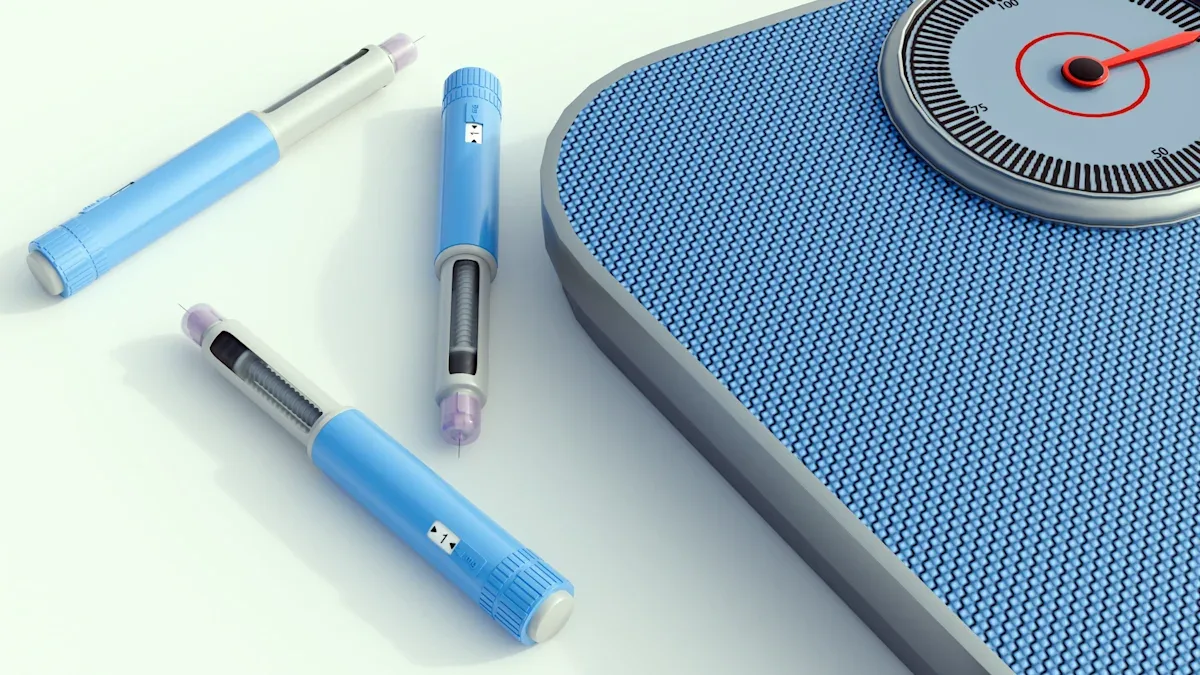
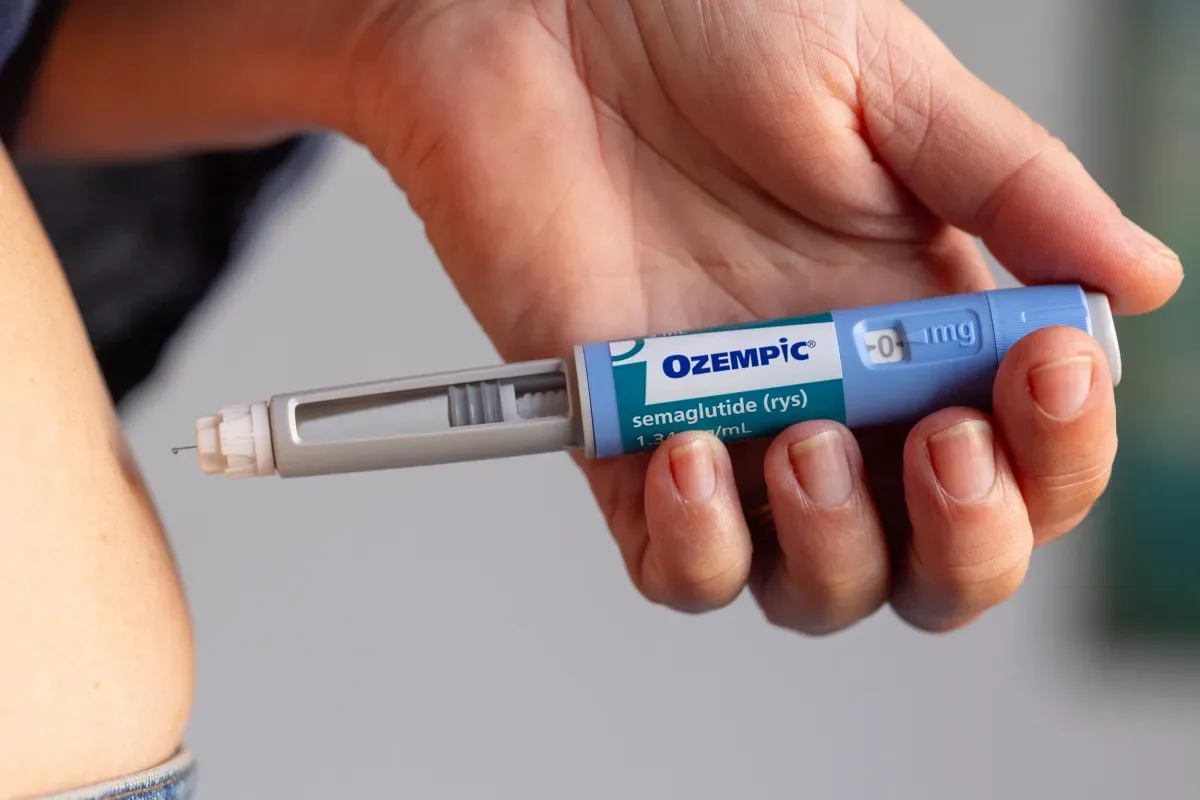
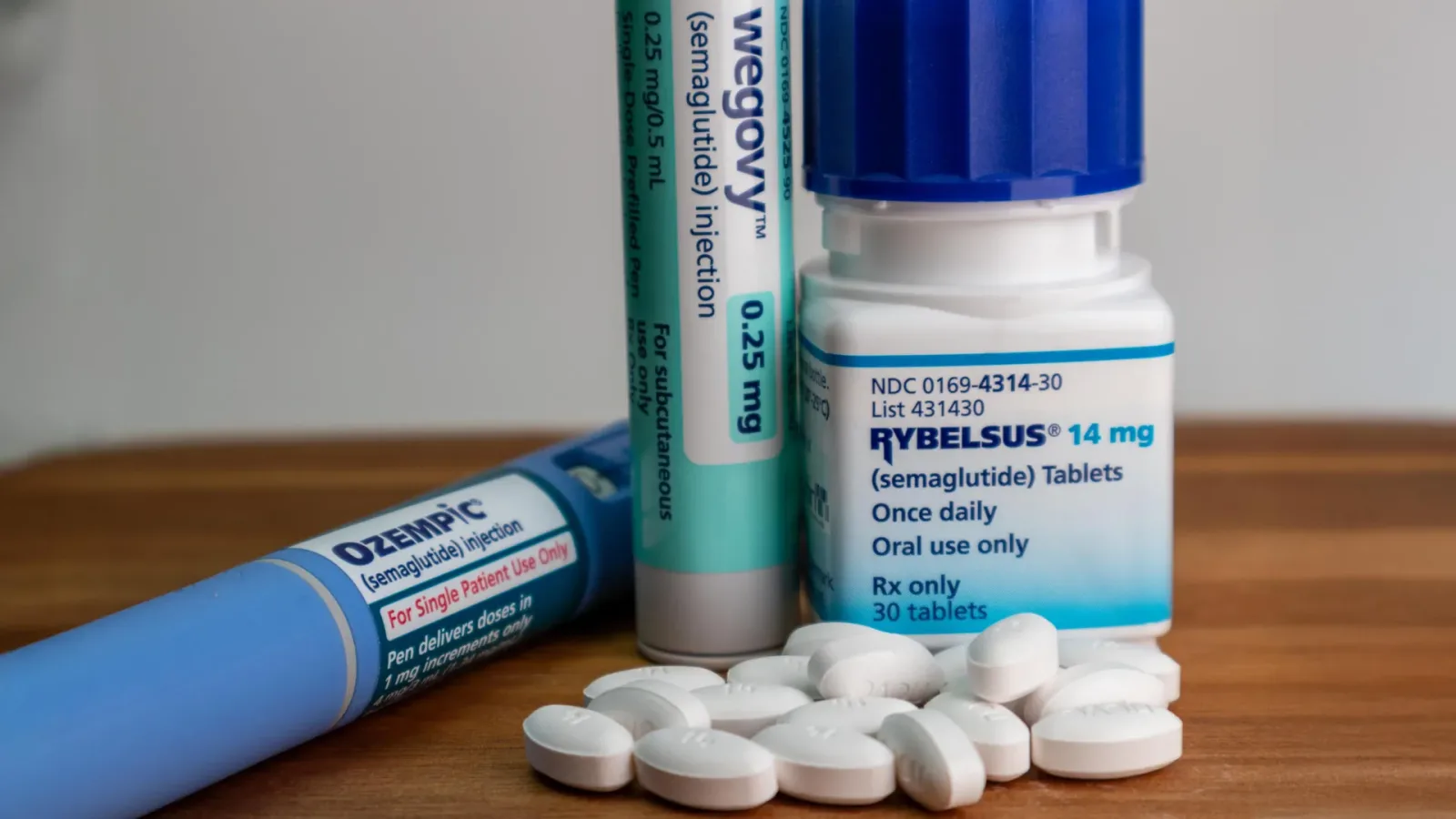
GLP-1 medications, such as semaglutide (Ozempic, Wegovy, and Rybelsus), commonly prescribed for diabetes and obesity, may also improve mental health outcomes. A large-scale study from the University of Eastern Finland, Karolinska Institutet in Stockholm, and Griffith University in Australia found that users had fewer psychiatric hospital visits and less time off work due to mental health issues. This research highlights the potential of GLP-1 medications for mental health beyond weight management.

Study Overview and Methodology

Obesity and diabetes are strongly linked to higher risks of mental health problems, while psychiatric disorders increase the likelihood of metabolic conditions. To explore this bidirectional relationship, researchers analyzed data from nearly 100,000 individuals, including more than 20,000 who used GLP-1 medications. Data came from Swedish national health registers spanning 2009 to 2022, providing a robust, real-world dataset.

This registry-based approach allowed comparison of outcomes during GLP-1 treatment periods versus non-treatment periods, offering strong observational evidence on semaglutide's associations with mental health metrics like hospital visits and sickness absence.

Key Findings: Reduced Depression, Anxiety, and Psychiatric Care

The study demonstrated clear benefits for psychiatric care. GLP-1 medications, particularly semaglutide, were associated with a 42% drop in psychiatric-related hospital visits and sickness absence during treatment periods compared to non-use.

  • Depression risk was 44% lower.
  • Anxiety disorders showed a 38% reduction.

These reductions suggest that semaglutide users experience fewer severe mental health episodes requiring intervention, potentially easing the burden on healthcare systems and improving daily functioning.

Lower Risk of Substance Use Disorders and Suicidal Behavior

Beyond mood disorders, the analysis revealed a 47% lower rate of hospital care and work absences due to substance use disorders among semaglutide users. GLP-1 receptor agonists were also linked to reduced suicidal behavior, adding to the profile of these drugs as multifaceted therapies.

Expert Insights from the Researchers

One of the study's authors, Professor Mark Taylor from Griffith University, said the findings were not entirely unexpected: "An earlier study examining Swedish registers found the use of GLP-1 medications to be associated with a reduced risk of alcohol use disorder. Alcohol-related problems often have downstream effects on mood and anxiety, so we expected the effect to be positive on these as well."

The strength of these associations surprised the team. Research Director Docent Markku Lähteenvuo from the University of Eastern Finland noted:

"Because this is a registry-based study, we cannot determine exactly why or how these medications affect mood symptoms, but the association was quite strong. It is possible that, in addition to factors such as reduced alcohol consumption, weight loss-related improvements in body image, or relief associated with better glycemic control in diabetes, there may also be direct neurobiological mechanisms involved -- for example, through changes in the functioning of the brain's reward system."

Why GLP-1 Medications Might Influence Mental Health

GLP-1 receptor agonists like semaglutide mimic the glucagon-like peptide-1 hormone, which regulates blood sugar, slows gastric emptying, and promotes satiety for weight loss. Emerging evidence points to brain effects: these drugs cross the blood-brain barrier, influencing areas involved in reward, appetite, and mood regulation.

Precision tracking for your journey

Join thousands using Shotlee to accurately track GLP-1 medications and side effects.

📱 Get the Shotlee App

Track your GLP-1 medications, peptides, and health metrics on the go with our mobile app!

Download on theApp Store
Get it onGoogle Play

Indirect benefits include weight loss improving self-esteem and body image, better diabetes control reducing physiological stress, and decreased alcohol use disrupting cycles of addiction and depression. Direct neurobiological actions on dopamine pathways may curb addictive behaviors and stabilize mood, explaining the observed reductions in anxiety, depression, and substance use.

Clinical Background: The Overlap of Metabolic and Mental Health

Conditions like obesity and type 2 diabetes share pathways with mental health disorders, including inflammation, insulin resistance, and hypothalamic dysregulation. Up to 50% of people with depression have metabolic issues, and vice versa. Traditional antidepressants or anti-anxiety meds often overlook these links, but GLP-1 drugs address root causes holistically.

Published in The Lancet Psychiatry, this study surpasses smaller prior research with mixed results, providing stronger evidence. However, as an observational study, it shows association, not causation—randomized trials are needed.

Comparisons to Alternative Treatments

Unlike SSRIs for depression (which may cause weight gain, worsening metabolic health), semaglutide offers dual benefits. Bupropion for addiction aids weight loss modestly but lacks glycemic control. GLP-1s stand out for comorbid patients, potentially reducing polypharmacy.

Practical Guidance for Patients

If you have obesity, diabetes, or mental health concerns, discuss GLP-1 medications with your doctor. They may suit those with treatment-resistant depression, anxiety, or substance use alongside metabolic issues. Monitor progress: apps like Shotlee can track symptoms, side effects, and adherence to optimize outcomes.

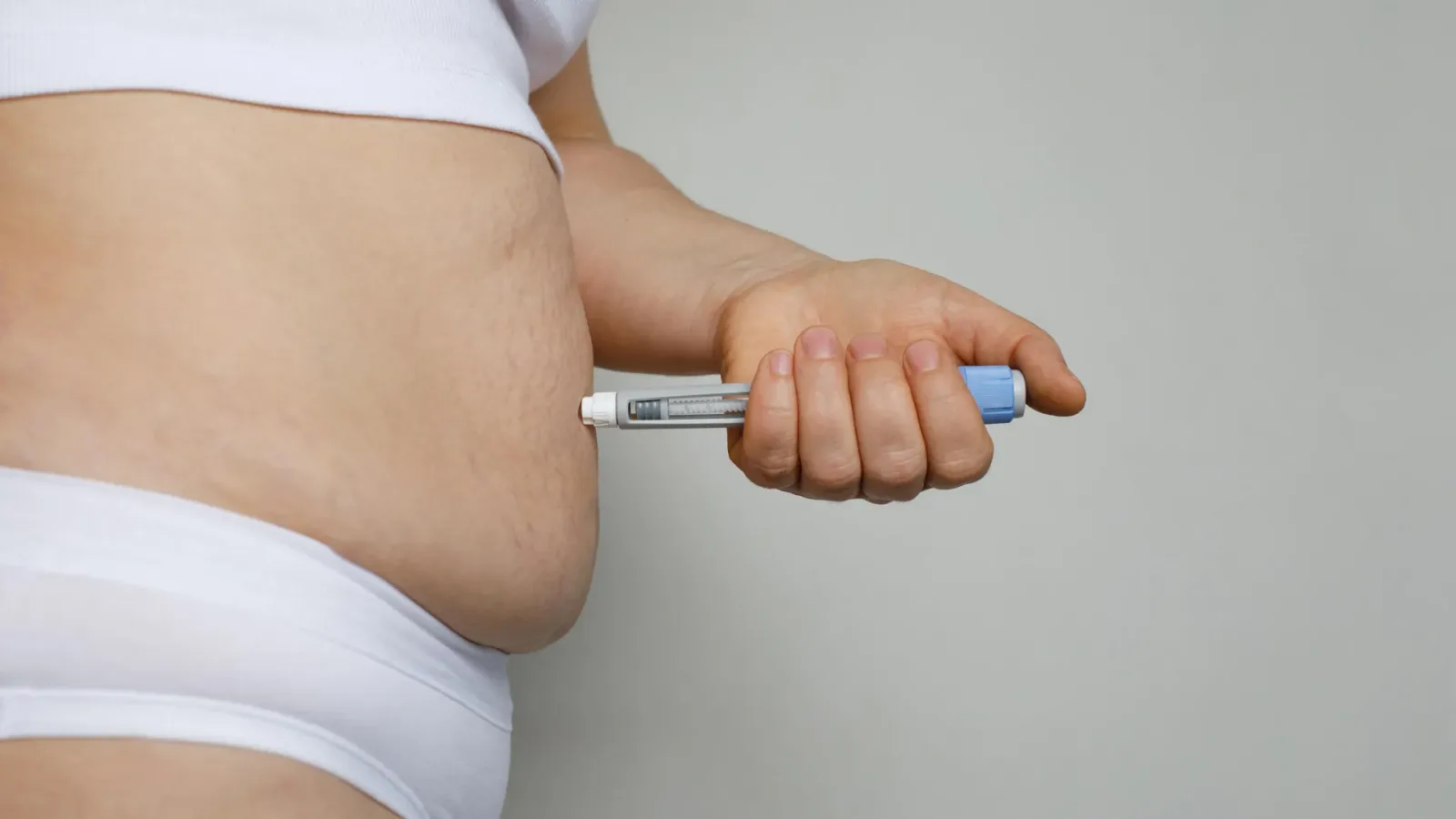
Start with lifestyle changes, but for eligible patients, semaglutide dosing (e.g., Ozempic weekly injections) could yield mental health co-benefits.

Safety Considerations and Side Effects

Common GLP-1 side effects include nausea, vomiting, and gastrointestinal issues, often transient. Rare risks like pancreatitis or thyroid tumors require screening. Mental health monitoring is key—while benefits appear strong, individual responses vary. No increased psychiatric risks were noted here.

Key Takeaways and What This Means for Patients

  • Semaglutide linked to 42-47% reductions in psychiatric and substance use outcomes.
  • Benefits may stem from weight loss, glycemic control, and brain reward system effects.
  • Large Swedish study adds robust evidence; more RCTs needed.
  • Consult providers for personalized use in metabolic-mental health overlap.

Conclusion

This study positions Ozempic and GLP-1s as promising for depression, anxiety, and addiction risk reduction, enriching treatment for millions with intertwined conditions. Stay informed on evolving research and prioritize doctor-guided care for best results.
?Frequently Asked Questions

Does Ozempic reduce depression risk?

Yes, a large study found semaglutide (Ozempic) associated with a 44% lower risk of depression, alongside 42% fewer psychiatric hospital visits during treatment.

Can GLP-1 medications like Wegovy help with anxiety?

Research shows GLP-1 agonists like semaglutide (in Wegovy) linked to a 38% reduction in anxiety disorders, based on Swedish health register data from over 20,000 users.

What is the link between Ozempic and addiction risk?

Semaglutide users had 47% lower hospital care and sickness absence for substance use disorders, plus reduced suicidal behavior, per a study in The Lancet Psychiatry.

How might semaglutide affect mental health?

Possible mechanisms include weight loss improving body image, better glycemic control, reduced alcohol use, and direct effects on the brain's reward system.

Who should consider GLP-1 drugs for mental health benefits?

Patients with obesity, diabetes, and co-occurring depression, anxiety, or substance issues; always consult a doctor to assess suitability and monitor side effects.

Source Information

Originally published by ScienceDaily.Read the original article →

Read next

Keep exploring

More on Ozempic

Articles covering Ozempic dosing, side effects, and clinical updates.

Ozempic Price Cut: Generic Semaglutide Arrives in Canadian Pharmacies
Health & Wellness

Ozempic Price Cut: Generic Semaglutide Arrives in Canadian Pharmacies

Two generic versions of Ozempic have arrived in Canadian pharmacies, offering diabetes and weight loss patients significant cost savings compared to the brand-name medication.

7 min read
Retatrutide Breaks Records: What Phase 3 TRIUMPH-1 Data Means
Health & Wellness

Retatrutide Breaks Records: What Phase 3 TRIUMPH-1 Data Means

Eli Lilly's Retatrutide has shown remarkable weight loss potential in Phase 3 trials. We break down the TRIUMPH-1 results, safety data, and what patients can expect.

9 min read
Driving on Ozempic & Mounjaro: Avoiding the £1,000 DVLA Fine
Health & Wellness

Driving on Ozempic & Mounjaro: Avoiding the £1,000 DVLA Fine

New regulations warn that GLP-1 medication users could face significant fines if side effects impair driving. Here is the complete guide to staying safe and compliant.

8 min read

Same topic: Ozempic

All Ozempic articles →
How to Keep Weight Off After Ozempic: Proven Strategies
GLP-1 Medications

How to Keep Weight Off After Ozempic: Proven Strategies

Stopping Ozempic often leads to weight regain—up to 7% in trials or two-thirds within a year. While continuing semaglutide helps sustain losses, lifestyle changes and maintenance dosing offer alternatives. Work with your healthcare team for a personalized plan to keep the weight off long-term.

6 min read
Ozempic Fuels Tapatío Hot Sauce Boom: L.A. Icon's Story
GLP-1 Medications

Ozempic Fuels Tapatío Hot Sauce Boom: L.A. Icon's Story

Ozempic isn't just transforming waistlines—it's igniting a surge in hot sauce sales like Tapatío's. As millions embrace GLP-1 drugs, cravings for bold flavors skyrocket, propelling L.A.'s iconic brand into national expansion under new owners Highlander Partners. This is the untold story of family legacy meeting metabolic health trends.

5 min read
Taking GLP-1s? Doctors Stress Movement and Mental Health Too
GLP-1 Medications

Taking GLP-1s? Doctors Stress Movement and Mental Health Too

Jelon Smart from Savannah dropped 110 pounds on Ozempic—but credits her intensive workout regimen too. Facing severe ankle swelling from Achilles tendinitis at 285 pounds, she transformed her life. Doctors remind GLP-1 users: movement and mental health are essential alongside medication.

5 min read

More in GLP-1 Medications

Beyond Willpower: Understanding Obesity's Metabolic Roots
Health & Wellness

Beyond Willpower: Understanding Obesity's Metabolic Roots

Obesity is a complex, multi-organ disease, not a failure of willpower. This article delves into its metabolic underpinnings and outlines a practical approach to management, including modern medications and lifestyle adjustments.

7 min read
Daily Almonds Boost GLP-1 & Gut Health: Science-Backed Weight Loss Tips
Nutrition & Wellness

Daily Almonds Boost GLP-1 & Gut Health: Science-Backed Weight Loss Tips

A new controlled study suggests that swapping processed snacks for a daily serving of almonds can enhance gut bacteria, lower inflammation, and increase satiety hormones like GLP-1.

7 min read
Looksmaxxing: The Risky Trend of Extreme Self-Improvement
Health & Wellness

Looksmaxxing: The Risky Trend of Extreme Self-Improvement

Looksmaxxing, a trend focused on extreme self-improvement and physical optimization, has gained significant traction online. While some aspects involve standard grooming and fitness, others venture into dangerous territory, including bone-smashing and unregulated injectable substances. This article delves into the spectrum of looksmaxxing, its psychological underpinnings, and the serious health risks associated with its more extreme practices.

8 min read
Share this article
  1. Home
  2. Blog
  3. Ozempic Cuts Depression, Anxiety, and Addiction Risk: Study
Dr. Adrian Vale, MD — Internal Medicine · Board-Certified Obesity Medicine
Medically reviewed

Dr. Adrian Vale, MD

Internal Medicine · Board-Certified Obesity Medicine

Dr. Adrian Vale is a board-certified internal medicine physician with a clinical focus on obesity medicine and metabolic health. He reviews Shotlee guides and articles on GLP-1 medications, peptide therapy, and weight-management protocols for clinical accuracy.

View all articles reviewed by Dr. Adrian Vale, MD
Shotlee LogoShotlee

Your comprehensive health tracking companion. Track, analyze, and optimize your journey with advanced metrics and community support.

Product

  • Medication Trackers
  • Health Guides
  • Calculators
  • Compare Medications
  • Pricing

Resources

  • Health Blog
  • Support Center

Legal

  • Privacy Policy
  • Terms of Service
  • Community Guidelines
  • Refund Policy

© 2026 Shotlee. All rights reserved.

Made with for the community♥ for the community