
In the relentless pursuit of physical perfection, a growing online movement known as 'looksmaxxing' has emerged, promising young men the ultimate transformation of their faces and bodies. This trend, however, spans a wide spectrum, from relatively benign self-care routines to alarming and potentially dangerous practices. While the surface appeal lies in enhancing attractiveness, a deeper dive reveals a complex interplay of societal pressures, psychological insecurities, and a murky online marketplace for unproven treatments.
The Spectrum of Looksmaxxing: From Soft to Hard
Looksmaxxing, a term that encapsulates the drive for physical optimization, has amassed billions of views across social media platforms. It's a subculture where attractiveness is often quantified and specific facial features are highly coveted. The trend can be broadly categorized into two main approaches:
Softmaxxing: The Benign Beginning
At the gentler end of the spectrum is 'softmaxxing'. This involves practices that are largely considered standard self-improvement. These include:
- Consistent gym workouts and a healthy diet.
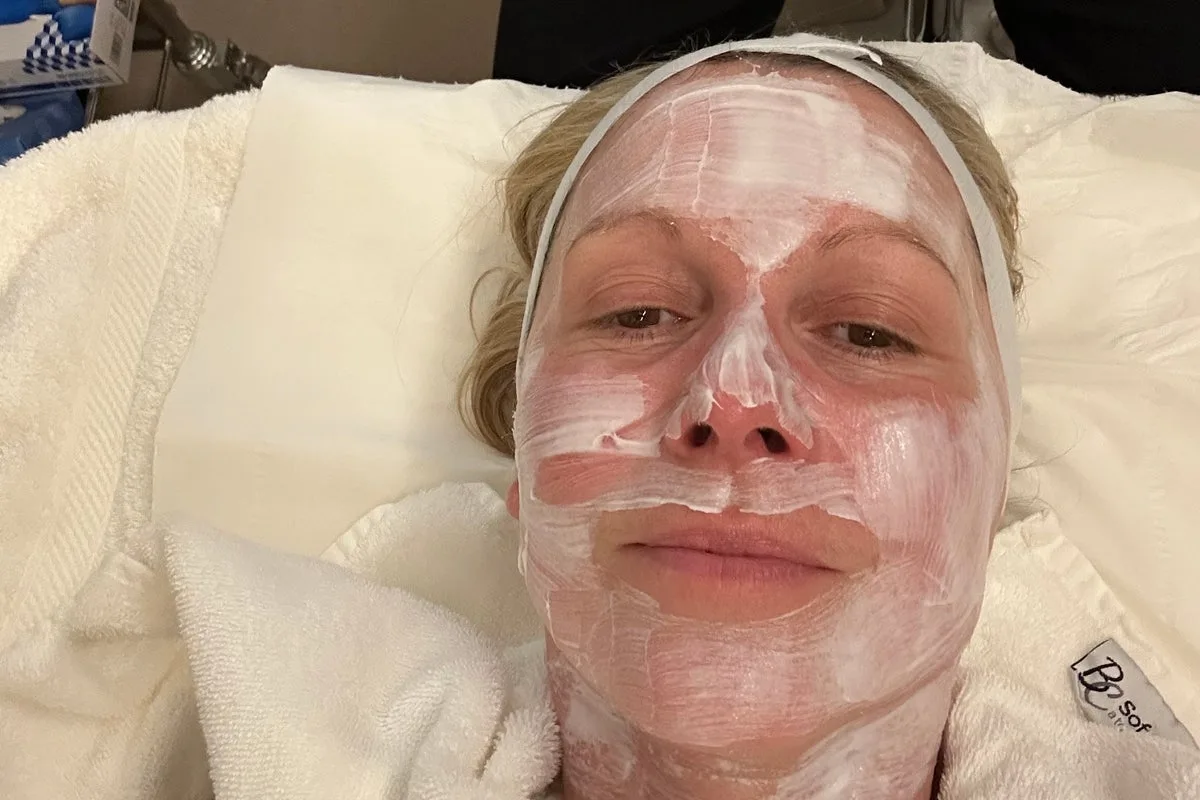
- Meticulous grooming and skincare routines.
- Bizarre facial exercises, often popularized through viral memes.
- 'Mewing', a technique involving pressing the tongue flat against the roof of the mouth, with the belief that it can sharpen the jawline and lift the face.
These methods, while sometimes presented with exaggerated claims, generally pose little to no risk and align with conventional advice for well-being and appearance.
Hardmaxxing: Venturing into Dangerous Territory
As the trend escalates, 'hardmaxxing' emerges. This involves more obsessive and often risky attempts to physically reshape the face and body. Shocking examples include:
- Bone-smashing: This involves repeatedly striking facial bones, such as the cheekbones, with implements like hammers, in the belief that the resulting swelling and subsequent healing will alter the bone structure. Videos depicting this practice often come with warnings about potential injury.
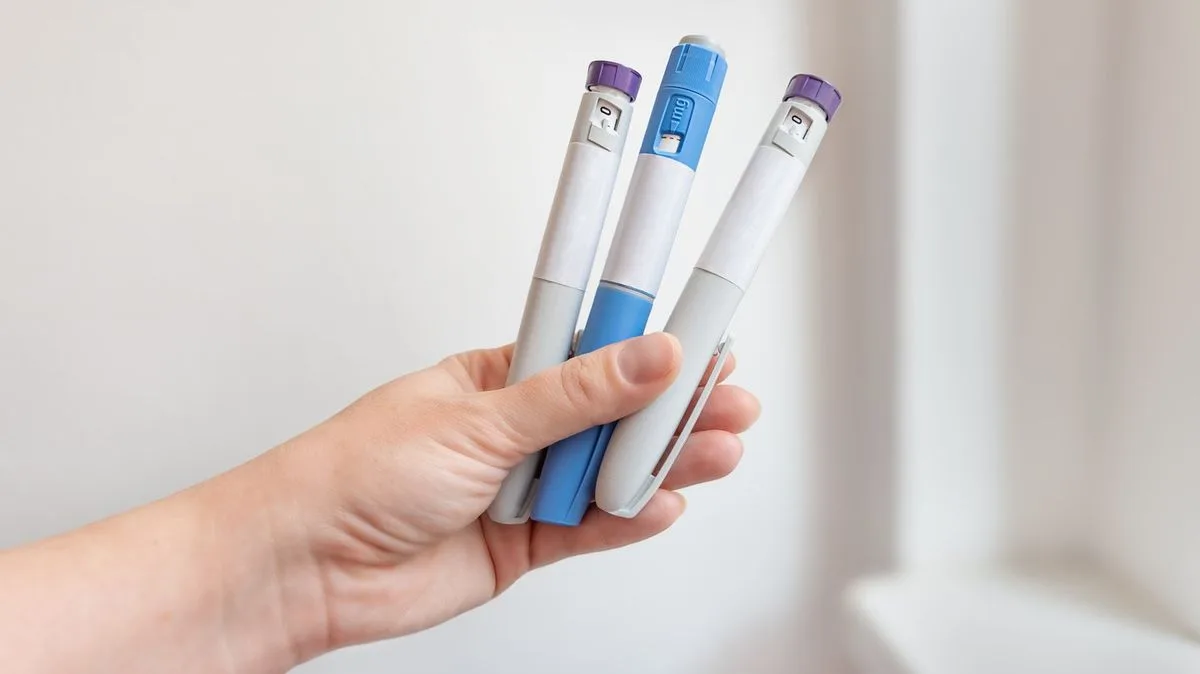
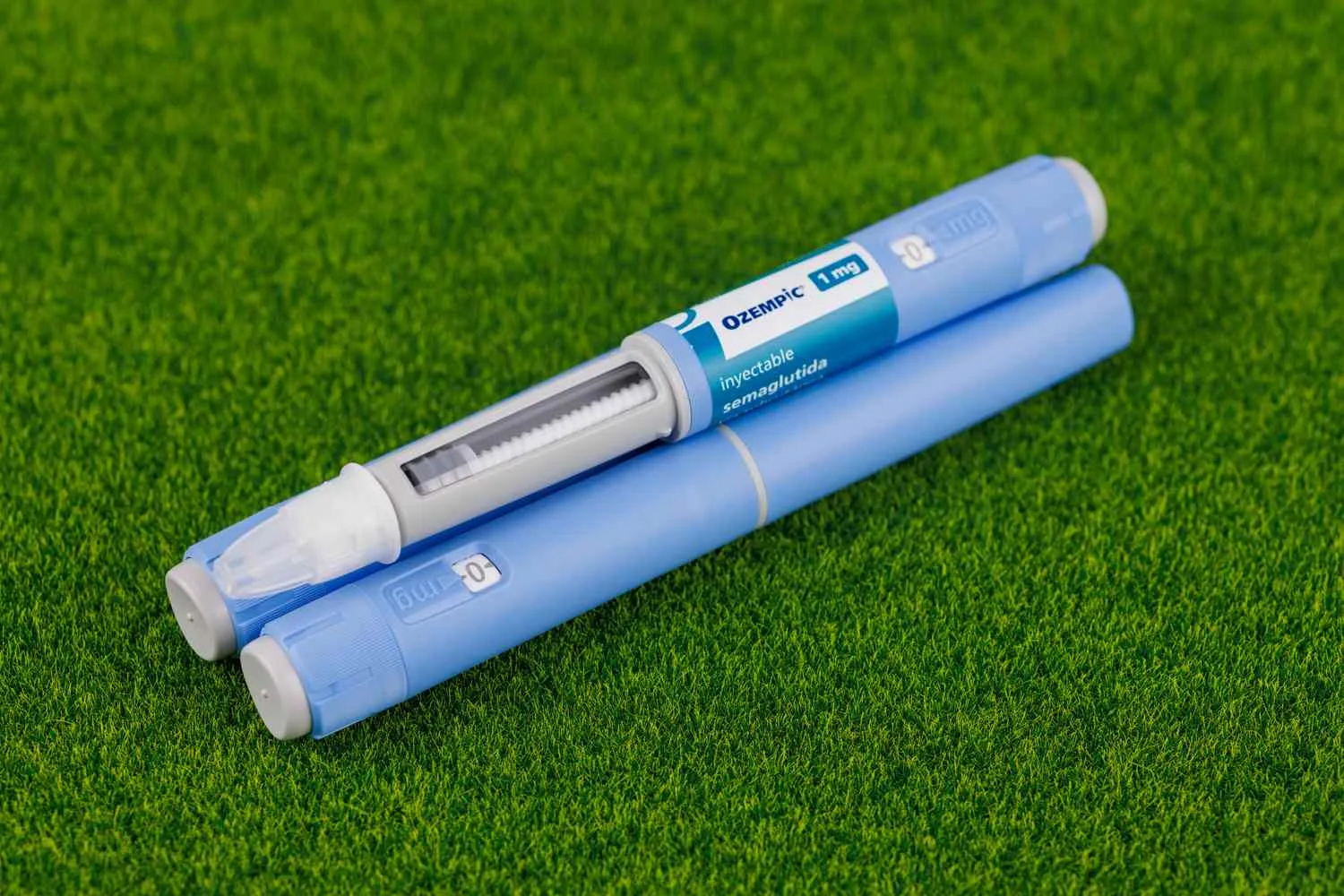
- Injecting unregulated compounds: Users turn to substances purchased from a dubious online market, often described as peptides, claiming they can enhance everything from athletic performance to skin quality.
These extreme practices raise significant concerns about safety, efficacy, and the underlying psychological motivations.
The Allure of Unproven Treatments: Peptides and Beyond
A significant driver of the 'hardmaxxing' movement is the pursuit of quick and dramatic results through unproven treatments. Among these, injectable peptides have gained notoriety. These substances, often sourced from unregulated websites and overseas suppliers, are marketed with promises of remarkable effects.
One example is GHK-Cu, sometimes called 'Smurf juice' due to its blue color. It's claimed to boost collagen production, improving skin and hair. Another substance mentioned is Melanotan II (MT-II), a tanning agent banned in many countries due to potential links with cancer and respiratory issues, and side effects like painful erections.
However, medical experts express serious reservations. Dr. Rachael Dickman, a lecturer and peptide expert at University College London, states there is little scientific evidence to support these claims in humans. She emphasizes that compounds tested in animal studies or in vitro may not translate to human efficacy or safety. The primary concern, according to Dr. Dickman, is the high risk of contamination in these unregulated products. Users often have no way to verify the purity of what they are injecting, leading to potential infections or adverse reactions. For MT-II specifically, the risk of melanoma is a significant concern.
Psychological Roots and Societal Pressures
The intense focus on physical appearance within the looksmaxxing community often stems from deep-seated insecurities and societal pressures. The narrative frequently promoted is that being perceived as unattractive carries severe consequences, impacting social interactions, business opportunities, and romantic relationships.
Precision tracking for your journey
Join thousands using Shotlee to accurately track GLP-1 medications and side effects.
📱 Get the Shotlee App
Track your GLP-1 medications, peptides, and health metrics on the go with our mobile app!
Influencers like 20-year-old Braden Eric Peters, known as Clavicular, exemplify the financial success some achieve within this space, further incentivizing participation. Peters openly discusses using bone-smashing, anabolic steroids, and peptides, and reportedly earns substantial income from streaming platforms.
Content creators like Marvin Würzner, who focuses on 'softmaxxing' techniques, aim to help others improve their appearance, believing that a better first impression can lead to a better life. Tom Thebe, another content creator, turned to looksmaxxing to combat hair loss and low self-esteem, using a combination of legal medication, strict haircare, and even unregulated peptides. While Tom downplays the risks of substances like MT-II, comparing them to alcohol consumption, his experience highlights the willingness of some individuals to accept significant risks for perceived benefits.
The pressure to conform to narrow beauty standards is amplified by social media algorithms, which can lead users down a rabbit hole from relatively harmless content to more extreme and potentially harmful ideologies.
The Darker Connections: Incels and Ideological Contamination
A critical and concerning aspect of the looksmaxxing trend is its association with the darker corners of the internet, particularly incel communities. Incels, or involuntary celibates, are men who believe they are unable to form romantic or sexual relationships. Certain strands of incel ideology are linked to misogyny and, in extreme cases, violence.
Research from the University of Portsmouth has revealed how incel communities are rebranding their content to bypass platform moderation and reach wider audiences. This rebranding makes their ideologies more accessible, potentially drawing individuals interested in looksmaxxing into forums discussing societal destruction and revenge. Anda Solea, a lead author of the study, warns that this exposure can foster insecurity, leading individuals to make radical and potentially self-harming choices regarding their bodies and health. While many mainstream influencers may be unaware of these connections, the algorithm can inadvertently guide users towards these harmful spaces.
Navigating the Trend Safely
Social media platforms like TikTok and Meta (parent company of Instagram) have policies against content that depicts or promotes activities likely to cause significant physical harm. However, the sheer volume of content and the sophisticated ways it can be disguised make moderation a constant challenge.
For individuals considering looksmaxxing practices, it's crucial to differentiate between genuine self-care and dangerous obsessions. While improving one's appearance through healthy habits like diet, exercise, and proper skincare can boost confidence, resorting to unproven, experimental, or physically harmful methods carries substantial risks.
The pursuit of the 'best version of yourself' should prioritize overall well-being, including mental health, rather than solely focusing on external validation. For those using medical treatments for conditions like hair loss, consulting with a qualified healthcare professional is paramount to ensure safe and effective solutions. If you are tracking your progress with any treatments, whether conventional or experimental, utilizing tools like the Shotlee app can help document your journey, monitor symptoms, and manage doses, providing valuable data for yourself and your healthcare provider.
Conclusion
Looksmaxxing represents a complex phenomenon driven by a desire for self-improvement that, for some, morphs into a dangerous fixation. The spectrum ranges from harmless grooming to risky practices like bone-smashing and the use of unregulated peptides. While the allure of quick fixes and societal validation is strong, the potential health consequences and the ideological contamination from extremist online communities are significant concerns. It is vital for individuals to approach self-improvement with a critical eye, prioritizing safety, evidence-based practices, and mental well-being over potentially destructive obsessions.
Frequently Asked Questions
- What is 'looksmaxxing' and why is it trending? Looksmaxxing is an online trend focused on extreme self-improvement and physical optimization, particularly among young men. It's trending due to a combination of societal pressures to conform to narrow beauty standards, the influence of social media algorithms, and the promise of enhanced attractiveness and social success.
- What are the risks associated with 'hardmaxxing' practices like bone-smashing or using unregulated peptides? Hardmaxxing practices carry significant risks. Bone-smashing can lead to severe facial trauma, infection, and permanent disfigurement. Unregulated peptides, often sourced from dubious suppliers, are not tested for safety or efficacy in humans. They can be contaminated with dangerous substances, leading to serious infections, allergic reactions, and unknown long-term health consequences, including potential links to cancer.
- Is there any scientific evidence supporting the effectiveness of peptides used in looksmaxxing? According to medical experts, there is very little scientific evidence to support the claims made by looksmaxxing influencers about the effectiveness of peptides for human enhancement. While some compounds might show effects in lab or animal studies, these results do not reliably translate to safe or effective outcomes in people.
- How are looksmaxxing communities connected to incel ideology? Looksmaxxing communities can be a gateway to incel ideology. Research shows that incel groups rebrand their content to bypass moderation, drawing in individuals interested in appearance enhancement. This exposure can lead users to forums discussing misogyny, societal grievances, and potentially radical or self-harming beliefs, even if the initial interest was purely aesthetic.
- What are the safer alternatives to extreme looksmaxxing practices? Safer alternatives focus on holistic well-being. This includes maintaining a balanced diet, engaging in regular exercise, practicing good skincare and grooming, getting adequate sleep, and managing stress. For specific concerns like hair loss or skin conditions, consulting with a dermatologist or other qualified healthcare professional for evidence-based treatments is the safest approach.