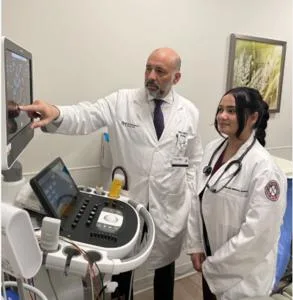

Nutrition & Lifestyle Guidance for GLP-1 Medications with Dietician Diana Reid
In the evolving world of GLP-1 medications like Ozempic, Mounjaro, and Wegovy, nutrition and lifestyle guidance is crucial for sustainable health. This comprehensive guide draws from a candid Mom Life in Luxembourg podcast episode featuring Luxembourg-based dietician-nutritionist Diana Reid. As a follow-up to two moms' personal accounts of life on these meds, the discussion dives into the less glamorous realities, ensuring listeners get a full picture before deciding.
The GLP-1 Journey: Beyond the Magic Wand Perception
GLP-1 medications mimic glucagon-like peptide-1, a hormone that regulates blood sugar, slows gastric emptying, and suppresses appetite by acting on brain receptors. They also influence the brain's reward system, potentially quieting dopamine-driven behaviors like overeating or even drinking. Last week's Mom Life in Luxembourg episode shared honest stories from two local moms—one the host—highlighting life-changing benefits but risking an overly rosy view.
This episode shifts focus to unseen changes. Diana Reid emphasizes that GLP-1s aren't a quick fix. Clients often approach her saying, "I just want to lose 3-5 kg, so I'll go on these meds, lose the weight, and then go off and keep my habits." Diana warns this is "probably the worst reason" due to potential long-term harm, stressing that thin doesn't equal healthy.
The Beach Ball Metaphor: Understanding Body Set Points
One of the episode's most powerful insights is Diana's beach ball metaphor: pushing a giant beach ball underwater at the pool. You can force it down temporarily, but it pops back up. Our bodies have set points—stable weights where they feel safe. The healthiest weight isn't always aesthetic, especially with age; it's maintainable without struggle, restriction, or obsession.
For GLP-1 users, forcing below set points ignores physiology. Rapid weight loss signals threat, triggering adaptations that make regain likely. This aligns with evidence on metabolic adaptation, where the body conserves energy post-loss.
Why Rapid Weight Loss from GLP-1s Can Backfire
Diana explains how quick drops, often from racing to high doses, lead to weight cycling or yo-yo dieting. This may increase bone fracture risk later in life by stressing skeletal health. A "low and slow" approach—gradual dosing—supports better outcomes.
Without intervention, GLP-1-induced calorie restriction risks muscle loss over fat. The body prioritizes fat preservation under perceived famine, catabolizing lean mass instead. This explains midlife challenges like perimenopause, where hormonal shifts compound vulnerabilities.
Essential Nutrition Strategies for GLP-1 Medications
Protein is key—Diana stresses more protein to signal muscle preservation. But protein alone isn't enough. Strength training gives the body reason to build or maintain muscle, countering sarcopenia risks.
Precision tracking for your journey
Join thousands using Shotlee to accurately track GLP-1 medications and side effects.
📱 Get the Shotlee App
Track your GLP-1 medications, peptides, and health metrics on the go with our mobile app!
Overall nutrition prevents deficiencies emerging in months. Hair thinning, menstrual cycle loss, and bone density changes are physiological alarms of undernourishment. Common immediate effects include constipation, nausea, and fatigue—though the host only noted thirst.
- Increase protein: Aim for sources like lean meats, eggs, dairy, legumes to hit 1.6-2.2g/kg body weight daily, adjusted for activity.
- Strength train: 2-3 sessions weekly targeting major groups to preserve lean mass.
- Monitor labs: Track markers like vitamin D, B12, iron, and hormones with your doctor.
Apps like Shotlee can help track symptoms, side effects, and nutrition intake alongside GLP-1 schedules for better adherence.
Real Benefits and Balanced Perspectives on GLP-1s
Benefits are profound: reduced "food noise," improved insulin sensitivity, less inflammation. Many report a dopamine shift, creating a novel quiet state—potentially positive for habits, but worth monitoring if it dulls joy.
"These medications don't just affect appetite; they influence the brain's reward system, which may explain why some people feel a quieting state that they've never experienced before. Which could be a good or a bad thing." — Diana Reid
The episode avoids extremes—neither pro nor anti. It's evidence-informed, urging proper support: nutritional guidance, strength training, lab monitoring, realistic expectations. We're in the "Wild West" of GLP-1 use, with evolving research and forming guidelines; many prescriptions lack maintenance plans.
Who Should Consider This Guidance?
Ideal for those on GLP-1s, considering them, navigating perimenopause, or seeking midlife strength. Discuss with your doctor: Is GLP-1 right? What's your dosing plan? How will we monitor muscle, bones, hormones?
Key Takeaways for GLP-1 Success
- GLP-1s like Ozempic, Mounjaro, Wegovy offer benefits but require lifestyle synergy—not solo magic.
- Respect set points; prioritize low-and-slow over rapid loss to avoid yo-yo effects and bone risks.
- Boost protein + strength train to protect muscle; watch for deficiency signals like hair thinning.
- Balance side effects (nausea, constipation) with upsides (less food noise, better insulin).
- Seek pro support in this research Wild West—nutritionists like Diana Reid are vital.
Resources and Next Steps
Access the free Nutrition & Lifestyle Guidance for Taking GLP-1 Medications download from the episode. Listen to Mom Life in Luxembourg for the full conversation. Connect with the host at @momlifeinluxembourg or momlife@rtltoday.lu. Learn more about Diana Reid at theglobaldietitian.com.
This guide empowers informed choices. Pair GLP-1s with nutrition and lifestyle for lasting metabolic health.