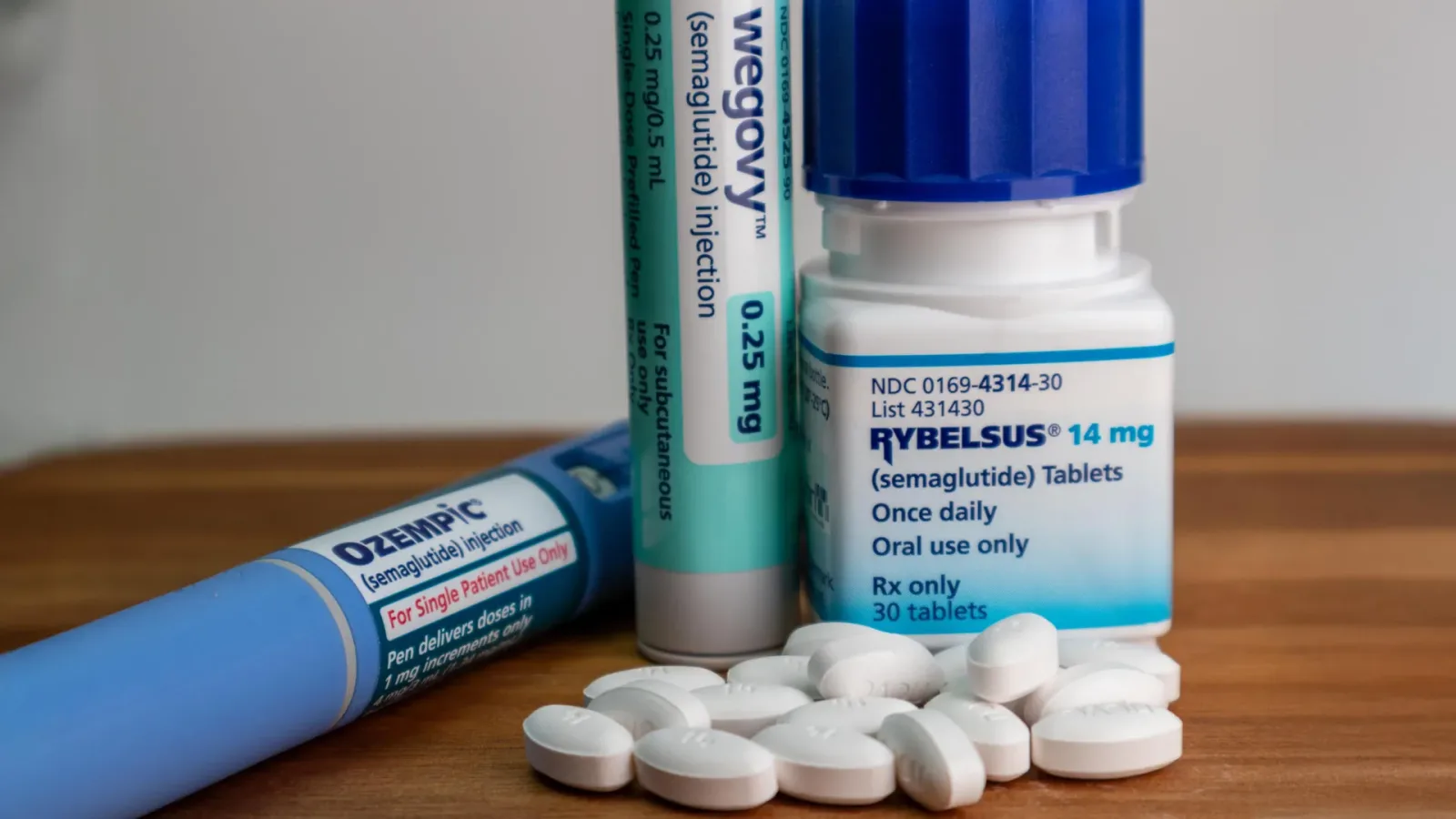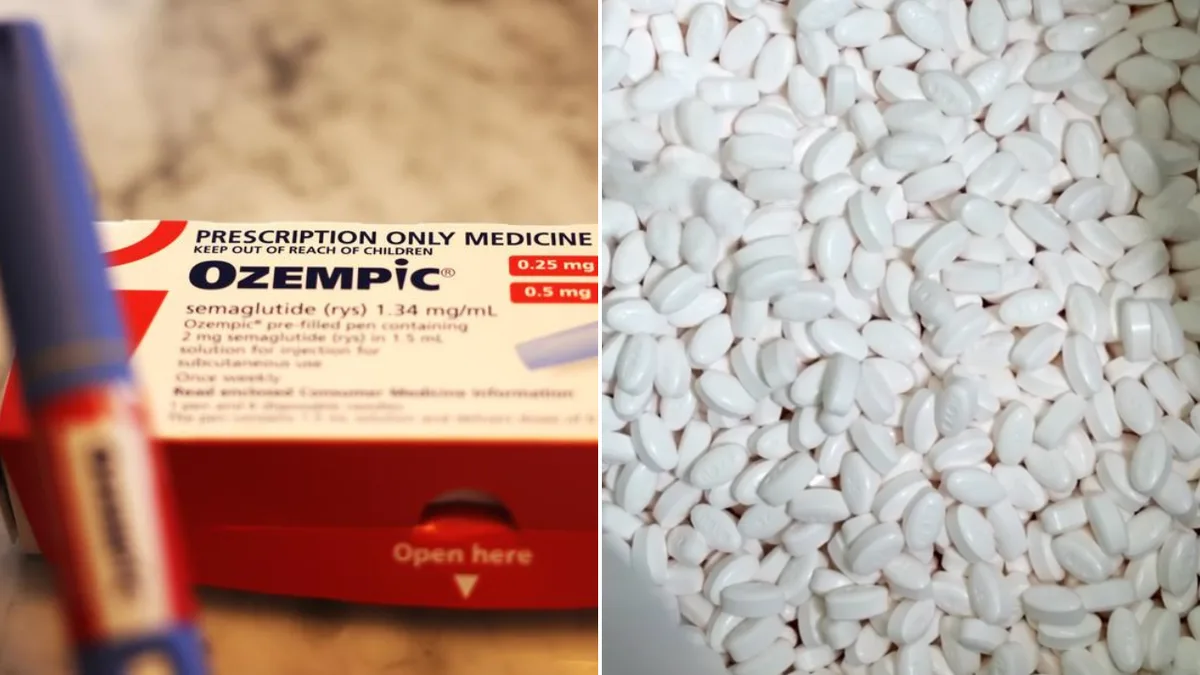

The landscape of weight management and diabetes treatment has been dramatically reshaped by the advent of GLP-1 receptor agonists. Medications like Ozempic, Wegovy, Mounjaro, and Zepbound have not only become household names but have also ignited a manufacturing race to meet unprecedented global demand. This surge is particularly impacting the production of peptide active pharmaceutical ingredients (APIs), the core components of these innovative drugs. In response, companies like CordenPharma are undertaking significant expansions, underscoring the critical role of peptide manufacturing in delivering these transformative therapies to millions worldwide.
The GLP-1 Revolution and Its Manufacturing Demands
The success of GLP-1-based therapies for conditions like type 2 diabetes and obesity has been nothing short of revolutionary. These medications mimic the action of the natural GLP-1 hormone, helping to regulate blood sugar, reduce appetite, and promote weight loss. Blockbuster drugs from pharmaceutical giants like Novo Nordisk (Ozempic, Wegovy) and Eli Lilly (Mounjaro, Zepbound) have seen their sales skyrocket, creating a ripple effect across the entire supply chain. This immense demand necessitates a parallel surge in the production of the complex peptide molecules that form the active ingredients of these drugs.
The manufacturing of peptides is a highly specialized and intricate process. Unlike traditional small-molecule drugs, peptides are chains of amino acids that require sophisticated synthesis techniques to ensure purity, potency, and scalability. As the market for GLP-1 medications continues to expand, the need for robust, high-capacity peptide manufacturing facilities has become a critical bottleneck. This has spurred significant investment and strategic moves by contract development and manufacturing organizations (CDMOs) that specialize in this area.
CordenPharma's Strategic Expansion in Peptide Manufacturing
One of the key players responding to this growing need is CordenPharma, a prominent CDMO with a strong focus on complex pharmaceutical ingredients. Recognizing the burgeoning market for GLP-1 peptides, CordenPharma has embarked on a substantial manufacturing expansion. This initiative is not just about increasing capacity; it's about strategically positioning the company to serve the evolving needs of pharmaceutical clients developing and producing these vital medications.
In a significant move, CordenPharma announced a major expansion of its peptide manufacturing capabilities, including a nearly $1 billion investment planned over three years starting in 2024. This investment is specifically aimed at bolstering its capacity for GLP-1 peptide production. This proactive approach highlights the company's commitment to staying ahead of the curve in a rapidly growing sector.
Acquisition of AmbioPharm: Expanding Global Reach
A cornerstone of CordenPharma's expansion strategy is the acquisition of AmbioPharm, a U.S.-based peptide contractor. This deal, for an undisclosed sum, significantly enhances CordenPharma's global footprint and peptide synthesis capabilities. With the integration of AmbioPharm's facilities, CordenPharma gains access to new manufacturing sites in South Carolina, USA, and Shanghai, China.
AmbioPharm's dual-site operation, employing approximately 400 individuals, is expected to complement CordenPharma's existing peptide platform. The combined entity will be well-equipped to offer a wider array of peptide synthesis approaches, catering to the diverse and complex requirements of clients needing to produce long, high-purity peptide APIs. This acquisition is particularly crucial for tapping into the Asian market, with the Shanghai site serving as a strategic springboard into China and a third continent for CordenPharma's operations, which already span Europe and North America.
Strengthening U.S. Domestic Supply
The acquisition also bolsters CordenPharma's presence in the United States. AmbioPharm's facility in South Carolina will become CordenPharma's second U.S. site dedicated to peptide manufacturing, joining its established plant in Boulder, Colorado (acquired from Roche in 2011). This dual U.S. presence is vital for providing clients with reliable, fully domestic peptide API supply options, especially for large-scale commercial projects. This can be crucial for supply chain security and regulatory compliance.
Precision tracking for your journey
Join thousands using Shotlee to accurately track GLP-1 medications and side effects.
📱 Get the Shotlee App
Track your GLP-1 medications, peptides, and health metrics on the go with our mobile app!
Investing in Future Peptide Production
CordenPharma's expansion is not limited to acquisitions. The company is also making substantial investments in new, state-of-the-art facilities. As part of its 900 million euro investment tranche, CordenPharma announced plans to build a new peptide facility outside Basel, Switzerland. This facility is slated to commence commercial operations in 2028 and will be equipped to handle both GLP-1 and non-GLP-1 peptide projects, further diversifying its service offerings.
This new Swiss site is expected to create approximately 300 new jobs, contributing to economic growth and reinforcing Europe's position in advanced pharmaceutical manufacturing. The strategic placement of these new facilities in both established and emerging markets underscores CordenPharma's commitment to building a resilient and comprehensive global peptide manufacturing network.
Supporting Key Industry Players
The demand for CordenPharma's services is evident in its partnerships with leading companies in the metabolic medicine space. Viking Therapeutics, a prominent upstart in obesity treatment, has already engaged CordenPharma. Last year, Viking Therapeutics agreed to a significant deal, committing up to $150 million through 2028 for the production of its dual GIP/GLP-1 agonist, VK2735. This highlights the trust and reliance that innovative biotech firms place on CDMOs like CordenPharma to scale up production of their promising drug candidates.
| Company | Drug/Molecule | Therapeutic Area | Manufacturing Partner | Key Investment/Deal |
|---|---|---|---|---|
| Novo Nordisk | Semaglutide (Ozempic, Wegovy) | Diabetes, Obesity | Various (including CordenPharma) | Ongoing capacity expansion |
| Eli Lilly | Tirzepatide (Mounjaro, Zepbound) | Diabetes, Obesity | Various (including CordenPharma) | Ongoing capacity expansion |
| Viking Therapeutics | VK2735 (dual GIP/GLP-1 agonist) | Obesity | CordenPharma | $150 million through 2028 for production |
The Future of Peptide Therapy and Health Tracking
The expansion of peptide manufacturing for GLP-1 drugs is a testament to the transformative potential of these therapies. As more individuals gain access to treatments that can effectively manage diabetes and obesity, the focus will increasingly shift towards long-term health management and tracking. For patients on these medications, consistent adherence to prescribed doses and monitoring of their health metrics are paramount.
Tools that facilitate detailed health tracking, such as dose logging, symptom recording, and progress monitoring, become invaluable. Platforms like Shotlee can play a crucial role in empowering patients to actively participate in their treatment journey. By enabling users to record their medication schedules, side effects, weight changes, and other relevant health data, Shotlee can provide valuable insights for both the patient and their healthcare provider. This data-driven approach can help optimize treatment efficacy, identify potential issues early, and foster a more proactive approach to managing chronic conditions.
Conclusion
The GLP-1 revolution is fundamentally changing the pharmaceutical manufacturing landscape. The immense demand for drugs like Ozempic, Wegovy, Mounjaro, and Zepbound is driving unprecedented investment in peptide production. Companies like CordenPharma are strategically expanding their global capacity through acquisitions and new facility development, ensuring that the supply chain can keep pace with therapeutic innovation. This expansion is not just about meeting demand; it's about building a robust and resilient infrastructure to support the future of metabolic medicine and peptide-based therapies. As these treatments become more widespread, the importance of patient engagement through effective health tracking tools will only grow, complementing the critical work of manufacturers in delivering life-changing medications.
Practical Takeaways:
- The surge in GLP-1 drug demand is a major driver for peptide manufacturing expansion.
- Companies like CordenPharma are investing heavily in new facilities and strategic acquisitions to meet this demand.
- Global capacity is increasing, with new sites in the US, Europe, and China.
- These expansions are crucial for ensuring patient access to vital weight loss and diabetes medications.
- Effective health tracking tools are essential for patients managing their treatment and progress.