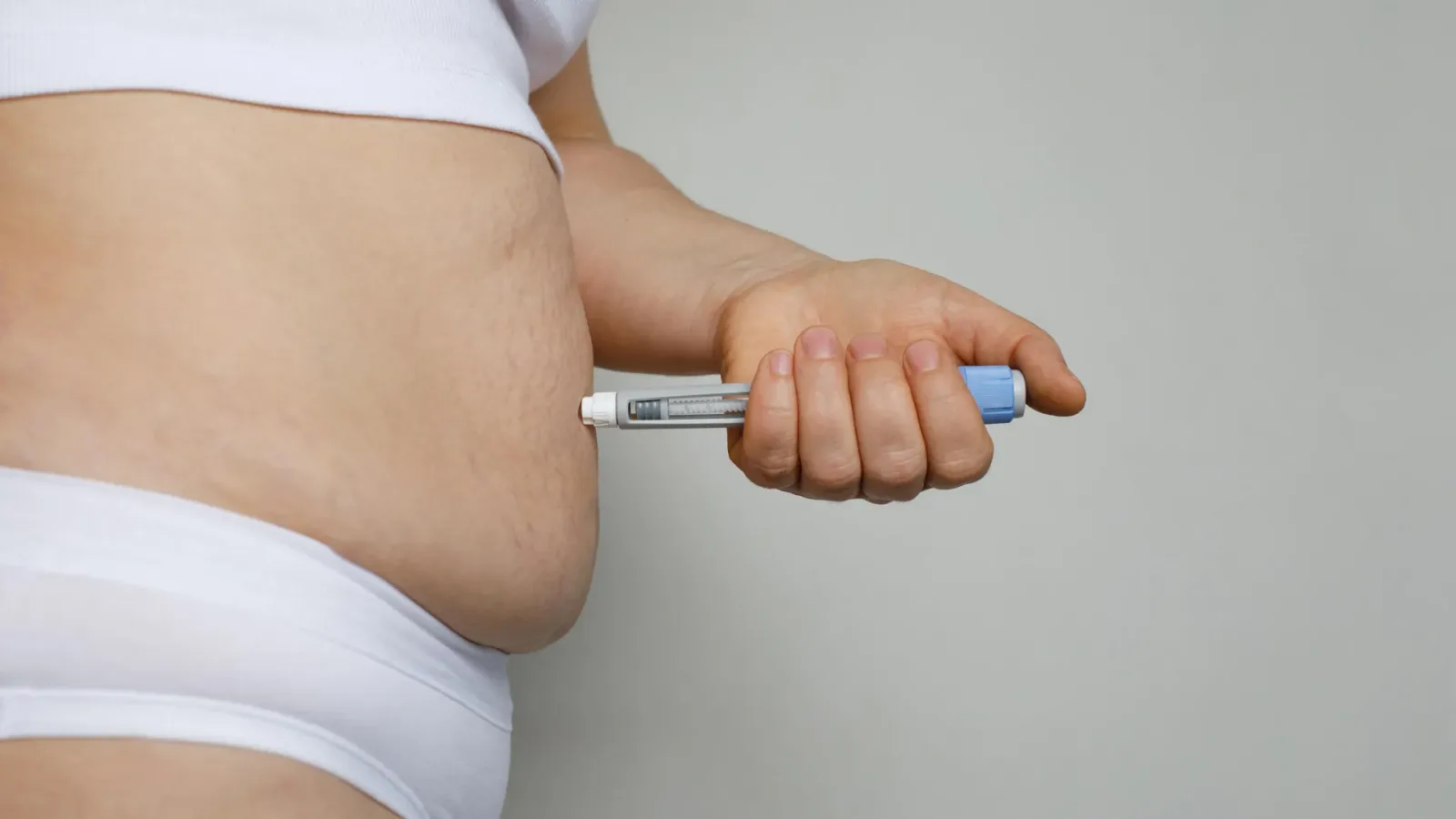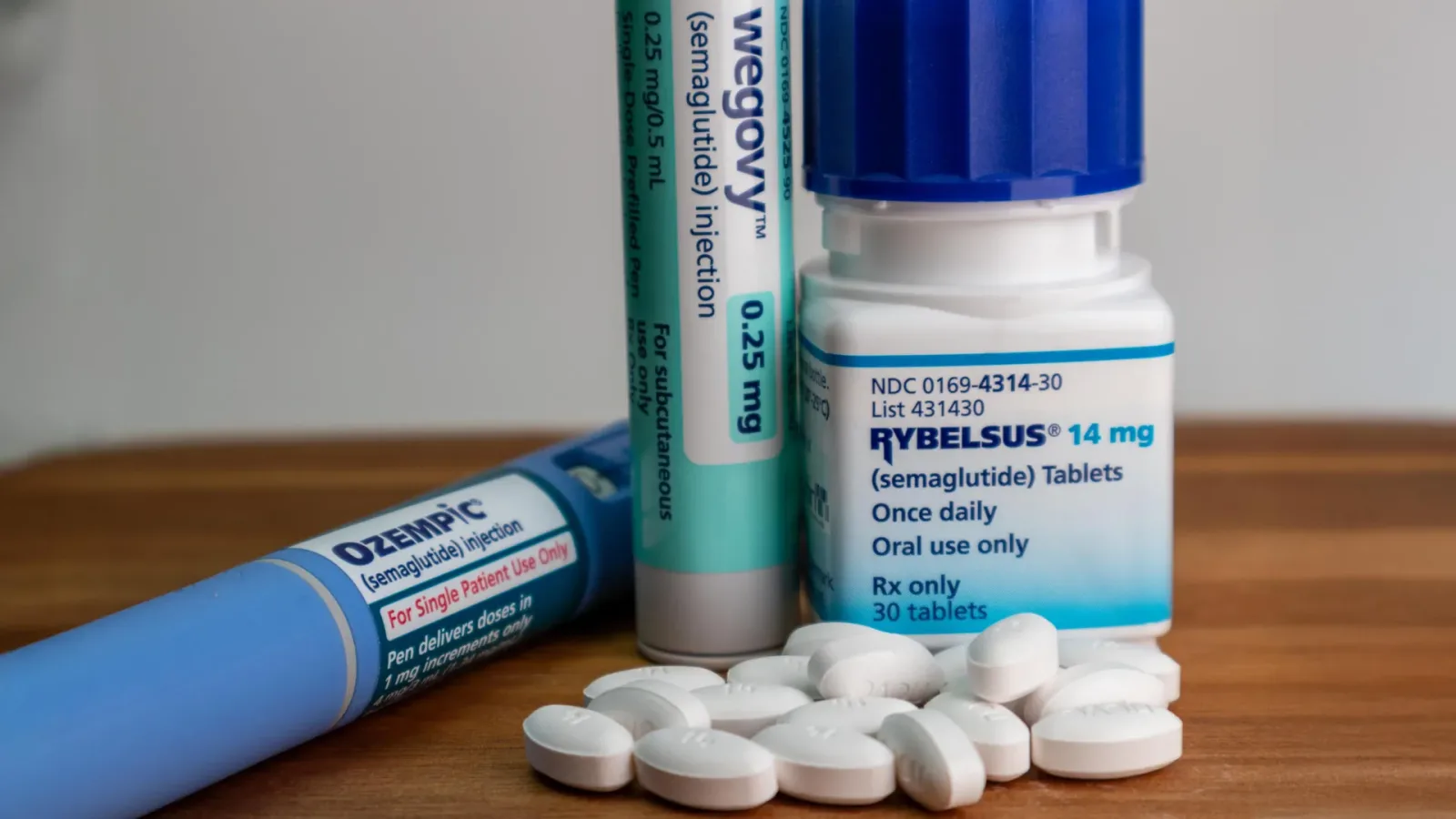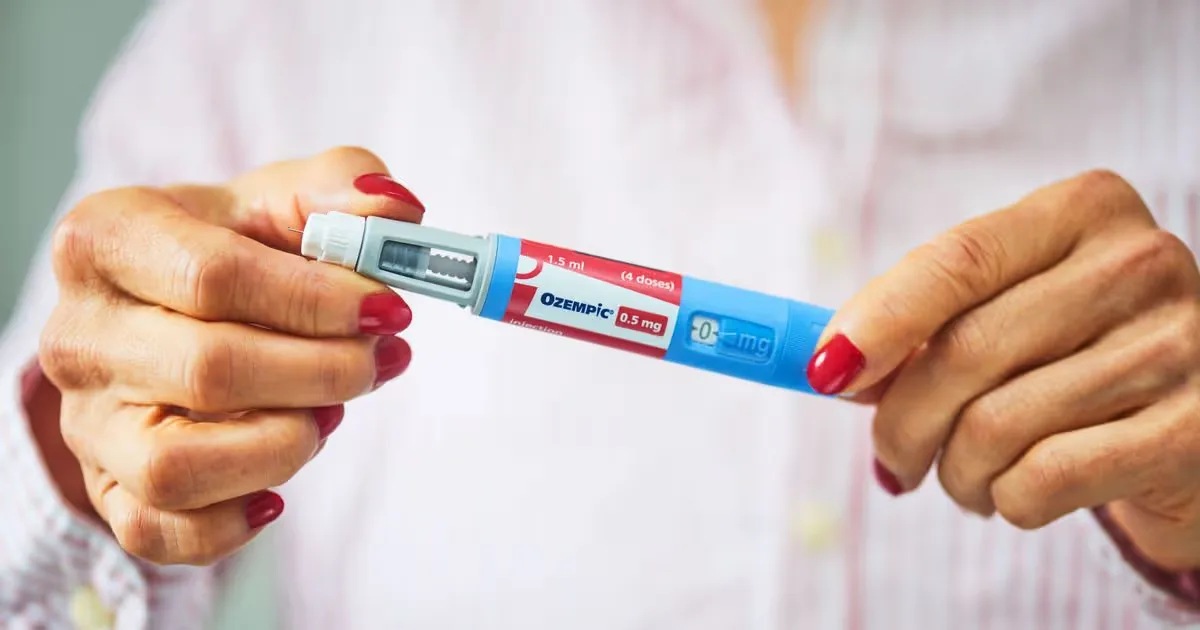

A registered nurse has been charged in federal court for allegedly distributing counterfeit Ozempic to patients.
Details of the Counterfeit Ozempic Case
Sharon Charitine Sackman, 52, from Chicago, was arrested for providing three people with injections falsely labeled as Ozempic in 2023. Prosecutors allege the drugs were not manufactured by the official producer and contained no semaglutide, the key ingredient for treating type 2 diabetes.
Sackman, now residing in Playa del Carmen, Mexico, is not licensed to prescribe, dispense, or sell the medication. The counterfeit products posed serious health risks to patients expecting legitimate treatment.
Ozempic Demand and Shortages
Though not officially approved for weight loss, Ozempic has surged in popularity for slimming. This off-label use has caused widespread shortages and increased illegal alternatives outside approved channels.
Precision tracking for your journey
Join thousands using Shotlee to accurately track GLP-1 medications and side effects.
📱 Get the Shotlee App
Track your GLP-1 medications, peptides, and health metrics on the go with our mobile app!
Federal officials state Sackman exploited this demand by supplying misbranded drugs.
Court Proceedings
- Charged with one count of distributing misbranded drugs and three counts of dispensing counterfeit drugs.
- Entered a not guilty plea in Chicago federal court.
- Each count carries up to one year in prison if convicted.
- Next hearing scheduled for February 3 before Judge Laura K. McNally.
The U.S. Attorney's Office notes these are allegations; Sackman is presumed innocent until proven guilty.
Risks of Rapid Weight Loss with GLP-1 Drugs
Beyond counterfeits, rapid weight loss from GLP-1 medications like Ozempic raises concerns. Aesthetic specialist Roy Cowley warns of gaunt appearances.
"Really, anyone you see who's had very rapid weight loss, generally it's down to these Ozempic-type fat-loss jabs. It's the gaunt appearance - sunken cheeks, hollow eyes, sagging skin and more prominent wrinkles. Skin doesn't always bounce back, especially when weight drops quickly."
Fast weight loss from any method can cause these effects, emphasizing the need for evidence-based approaches.