
Challenges Faced by Novo Nordisk
Novo Nordisk has endured a tough period, marked by a declining share value that triggered the most significant executive overhaul in its century-long existence. Investors have largely abandoned the Danish pharmaceutical firm and its obesity treatment division, losing faith in the company's capacity to convert breakthroughs in GLP-1 therapeutics into profitable outcomes amid a crowded and competitive field.
Divergent Views from Investors and Scientists
Yet, experts in the field maintain that these treatments hold considerable promise. What began as an emphasis on the medication's role in controlling body mass and glucose levels, along with addressing associated issues like cardiovascular problems, is broadening. Now, there's rising curiosity about its possible effects on cognitive processes.
The Evolution of Semaglutide
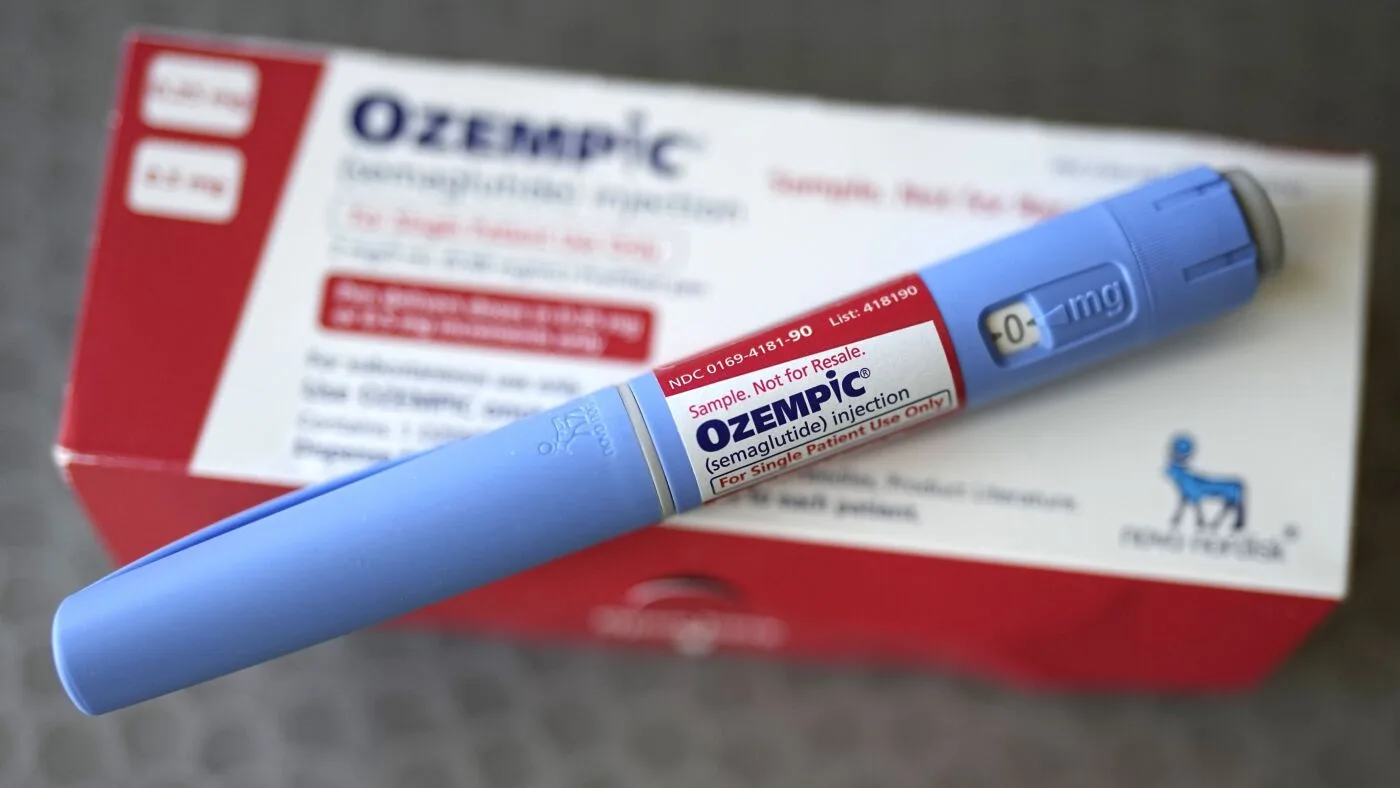
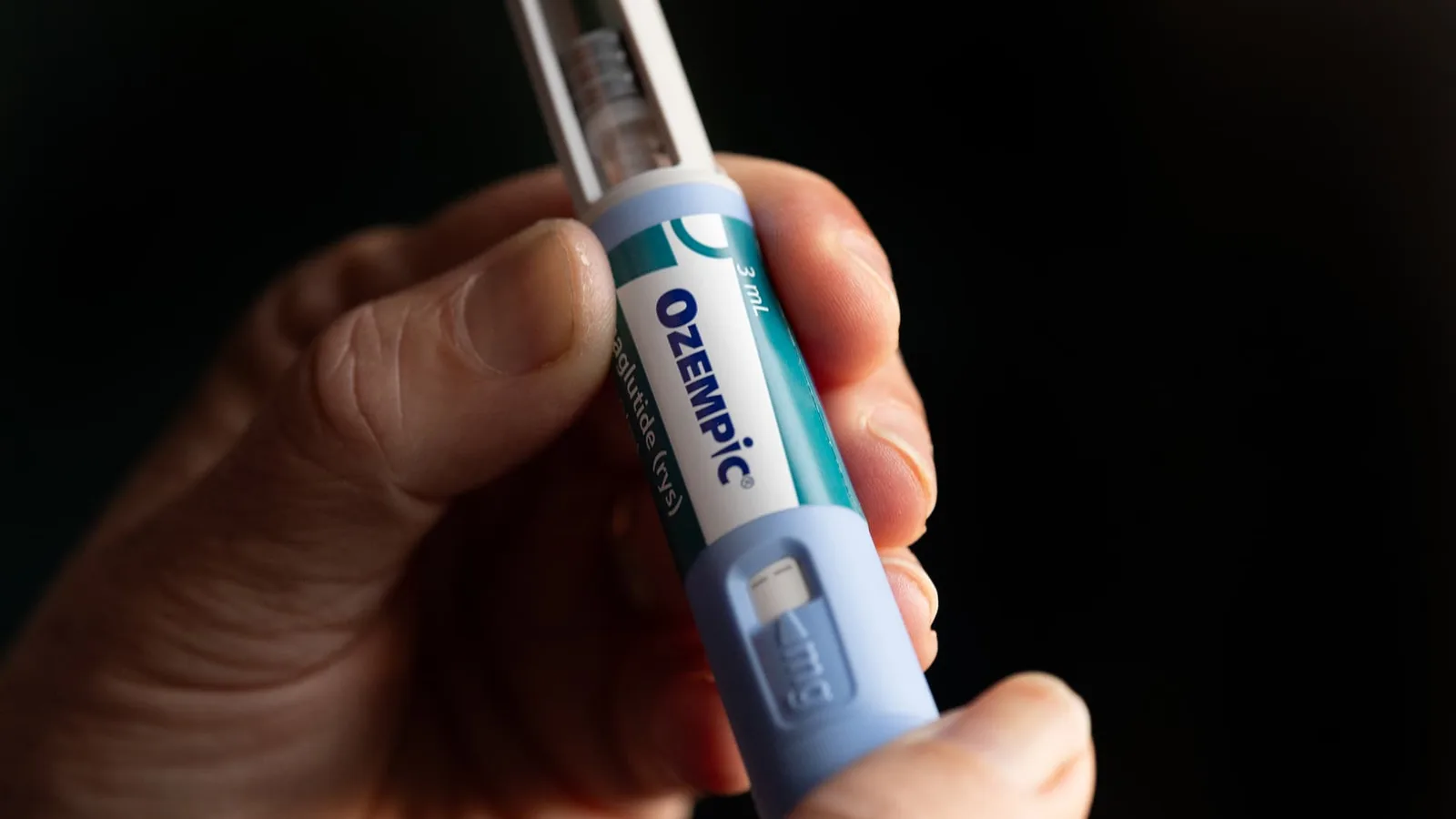
Semaglutide, commonly recognized as Ozempic and Wegovy, acts as a GLP-1 receptor stimulant initially crafted for diabetic individuals to regulate their sugar readings. It soon gained widespread unofficial use among physicians due to its hunger-suppressing and slimming effects. Currently, it's sanctioned for combating obesity and generates substantial revenue for Novo Nordisk, amounting to billions yearly.
Emerging Additional Advantages
The healthcare sector is uncovering an increasing array of extra perks from these compounds. 'Wegovy supports fat reduction and possibly other yet-to-be-fully-explained processes,' stated the U.S. Food and Drug Administration in August when sanctioning the medication for hepatic ailment treatment. Semaglutide has also received regulatory approval to lower the chances of myocardial infarctions and cerebrovascular events in obese individuals with heart conditions, and to manage persistent renal issues in those with diabetes.
Precision tracking for your journey
Join thousands using Shotlee to accurately track GLP-1 medications and side effects.
📱 Get the Shotlee App
Track your GLP-1 medications, peptides, and health metrics on the go with our mobile app!
Competition and Expanding Applications
In the meantime, a competing product from U.S.-based rival Eli Lilly, tirzepatide (branded as Mounjaro and Zepbound), which influences both GLP-1 and another digestive hormone known as GIP, is authorized for addressing moderate to severe obstructive sleep apnea in obese adults. However, the advantages might extend beyond that. With heightened rivalry, supplementary uses represent a fresh avenue for pharmaceutical innovators, paired with innovative delivery methods such as oral tablets.
Impact on Brain and Cravings
Observational investigations indicate that GLP-1 drugs seem to diminish urges not only for sustenance but also for alcohol, nicotine, and illicit substances by influencing the brain's pleasure circuits. Altering dopamine pathways apparently lessens desires, enabling users to make wiser choices amid alluring temptations. Individuals using these drugs might benefit from health tracking apps like Shotlee to monitor their progress and overall well-being.
Expert Insights on Neurological Potential
'There's enthusiasm for exploring semaglutide's effects on diverse cerebral operations,' explained Laura Nisenbaum, executive director at the Alzheimer's Drug Discovery Foundation (ADDF). 'Recognizing how inflammation and metabolic activity in the brain contribute to typical mental performance will prove crucial,' she noted. This connection could prove valuable across numerous neurological and psychiatric disorders where cerebral alterations or harm affect emotions, conduct, or thinking abilities.