The Next Generation of Ozempic: Exploring the Future of Weight Loss
Blockbuster weight-loss shots are undergoing a major transformation.
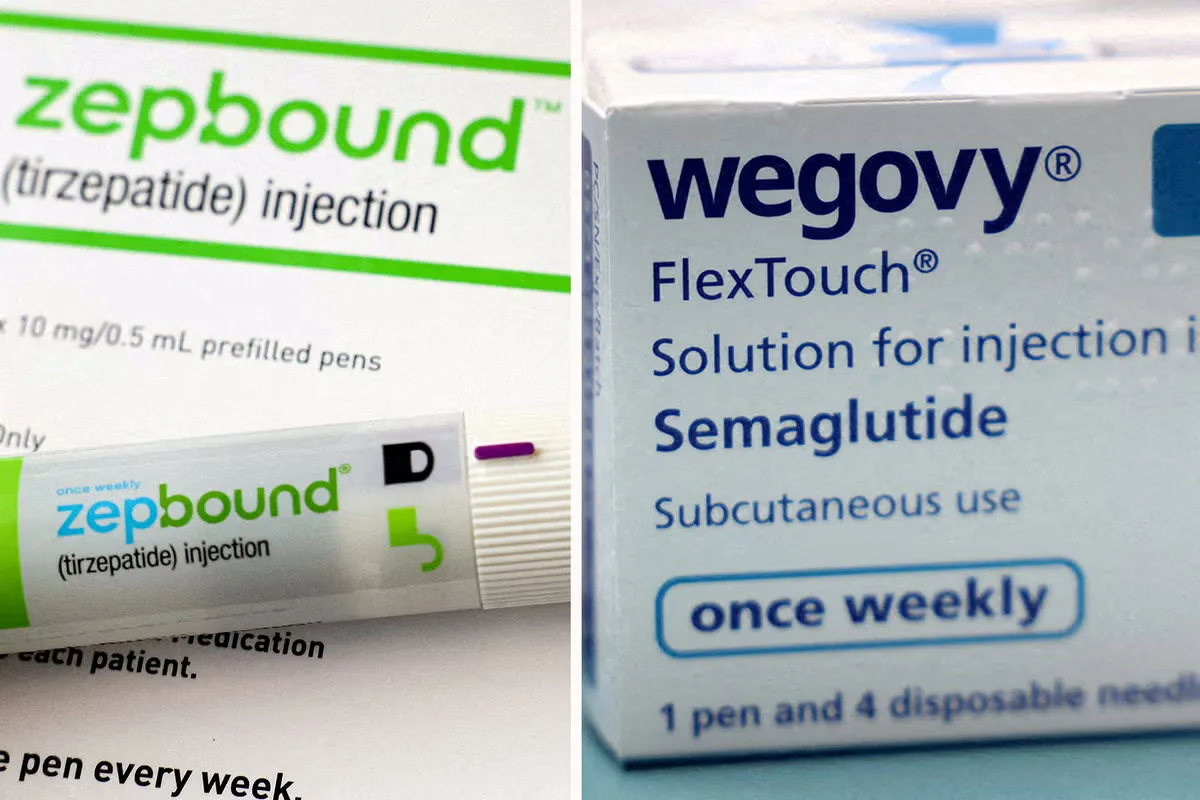
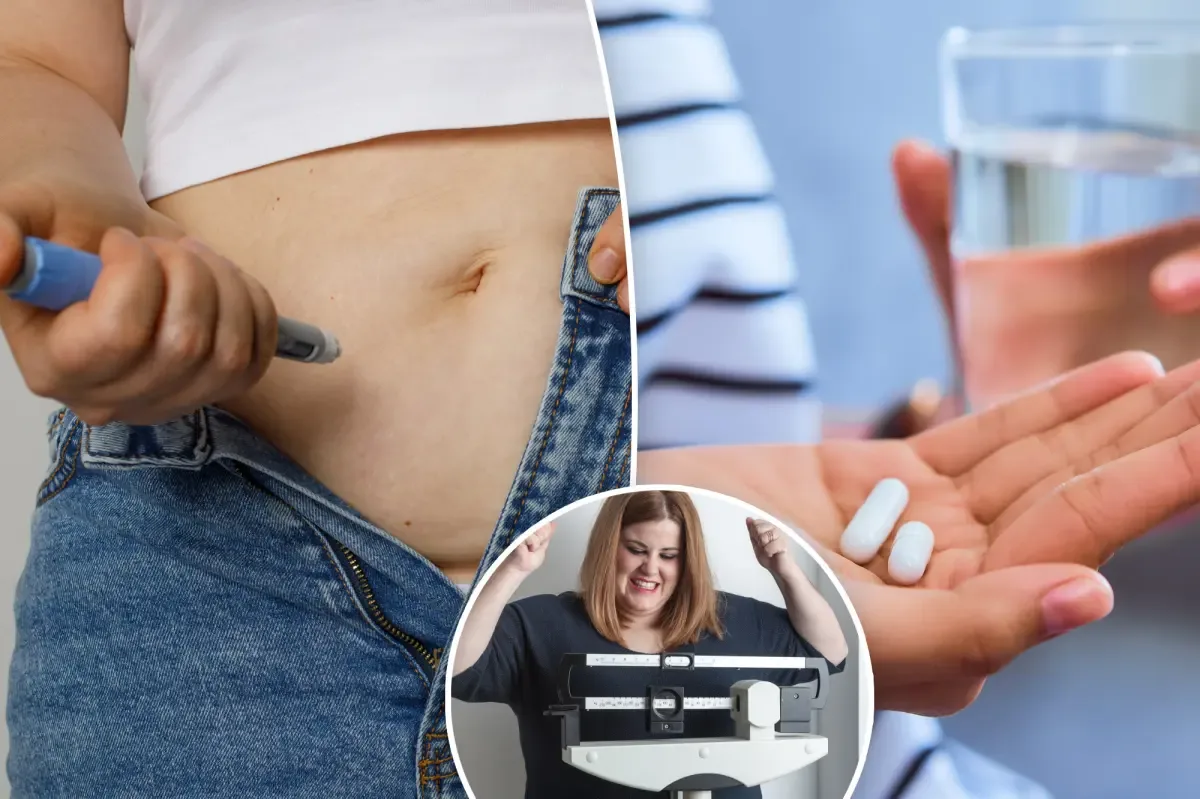
Drugs like Zepbound and Wegovy have surged in popularity in the US, with the number of Americans using them to lose weight more than doubling in the last 18 months.
Pharmaceutical companies are looking to capitalize further on the weight-loss trend, with a new generation of advanced GLP-1 treatments on the horizon, featuring several promising options in development.
These experimental treatments, pending approval from the US Food and Drug Administration, are designed to tackle some of the primary concerns associated with current injectable medications.
Experts suggest that the introduction of more options into the market could lead to a reduction in the high prices that have prevented many Americans from accessing these treatments.
David Lau, an endocrinologist and professor emeritus at the University of Calgary Cumming School of Medicine, stated that this new generation of medications is focusing on more than just weight loss, aiming for broader changes beyond the scale.
However, it's clear that drugmakers also aim to help people lose even more weight with these new versions.
Existing GLP-1 drugs mimic one or two naturally produced hormones that reduce appetite, slow digestion, and lower blood sugar, helping individuals feel full for a longer period.
Eli Lilly is striving to enhance this effect with a new medication targeting three hormones, known as "triple G."
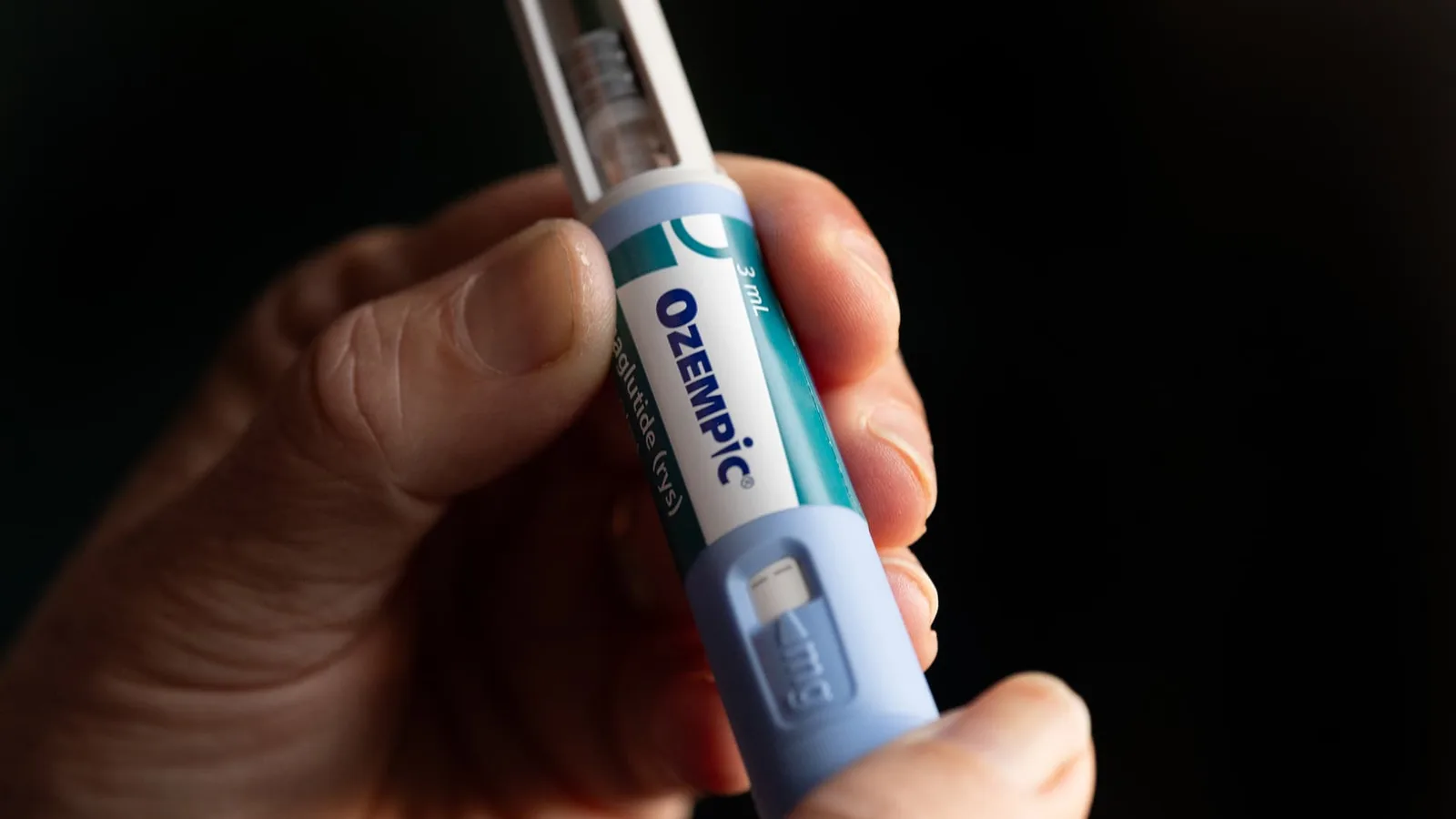
In a mid-stage clinical trial, obese adults receiving the weekly injection, called retatrutide, experienced up to a 22% reduction in body weight over 11 months, compared to a 14% reduction over 15 months for semaglutide, the active ingredient in Ozempic and Wegovy.
Phase 3 trials are scheduled to continue until January 2026, meaning FDA approval is still some time away.
In the meantime, Lilly is preparing other options, including eloralintide, a once-weekly injection targeting amylin, a hormone released by the pancreas during meals.
Louis Aronne, director of the Comprehensive Weight Control Center at Weill Cornell Medicine, noted that they have been studying amylin for weight loss for over 20 years. Health tracking apps like Shotlee can help monitor the effectiveness of such treatments.
He added that it might be a better compound in some ways, appearing to cause less lean muscle loss and fewer stomach-related side effects.
In a phase 2 clinical trial, eloralintide patients experienced an average weight loss of 9% to 20% and did not reach a plateau, suggesting continued weight loss if the study had continued longer.
Liana K. Billings, the lead author of the trial, highlighted the clinically impactful weight loss observed in the study.
Precision tracking for your journey
Join thousands using Shotlee to accurately track GLP-1 medications and side effects.
📱 Get the Shotlee App
Track your GLP-1 medications, peptides, and health metrics on the go with our mobile app!
She added that with this level of weight loss in just 48 weeks, improvements or resolution in conditions like hypertension, hyperlipidemia, osteoarthritis, sleep apnea, and other weight-related conditions were observed.
Novo Nordisk is also developing its own amylin-targeting drug that includes semaglutide for an added boost.
A clinical trial revealed that the combination resulted in approximately 20% weight loss, about 5% more than semaglutide alone.
The drug, known as CagriSema, was generally safe, with common side effects like nausea, vomiting, diarrhea, and constipation, similar to other GLP-1 treatments currently available.
A post hoc analysis of the trial also indicated that CagriSema significantly reduced blood pressure and inflammation, two significant contributors to heart disease.
Professor Subodh Verma, a cardiac surgeon and lead author of the analysis, stated that reducing inflammation, normalizing blood pressure, and facilitating weight loss simultaneously offers the potential for holistic improvement in overall health.
Nordisk anticipates seeking FDA approval for CagriSema next year.
Drugmakers are not exclusively focusing on injectable medications.
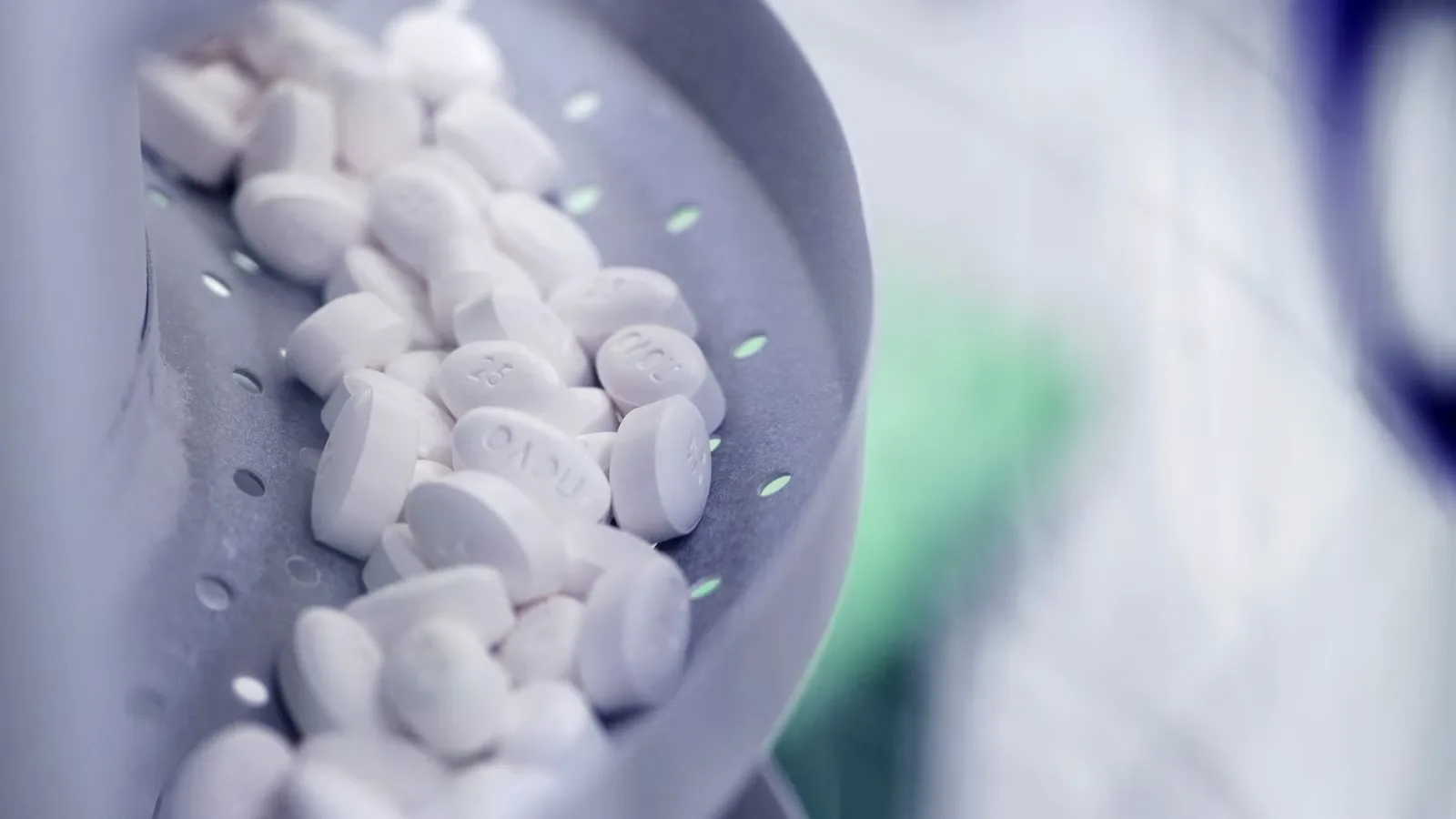
Lilly and Nordisk are competing to release oral medications, providing patients who are averse to needles with an alternative to injections.
A daily pill from Lilly, orforglipron, helped patients lose an average of 10.5% of their body weight, nearly 23 pounds, over 16 months in a late-stage trial. Patients also experienced improvements in their cholesterol, blood sugar, blood pressure, and triglyceride levels.
Meanwhile, Nordisk's daily pill containing semaglutide helped people lose 13.6% of their body weight over 64 weeks in a phase 3 study.
Both pills were associated with some gastrointestinal side effects and did not produce the same dramatic results as the injectables, but drugmakers believe the potential is still substantial.
In addition to eliminating needles, the pills do not require refrigeration like other GLP-1s, making them much easier to store and transport.
Nordisk expects to launch its pill in early 2026, with an FDA decision likely by the end of the year.
Lilly anticipates approval for its oral obesity drug by March 2026.