Ozempic 2.0 is Coming: A Potentially More Transformative Treatment
Ozempic, and the class of weight loss medications it represents, has made a significant impact. This impact is evident in the lives of millions who have experienced substantial weight loss, in grocery stores offering products specifically for those using these drugs, and even in insurance companies assessing the drugs' effects on mortality.
Despite the widespread changes brought about by GLP-1 drugs, their high costs limit accessibility. Many patients discontinue use due to adverse side effects. Others who could benefit remain hesitant due to the need for injections.
A new wave of medications is on the horizon, potentially offering even greater benefits for human health. These include pills, more potent injectables, and novel compounds that may have fewer side effects or require administration only once a month.
According to David Lau, an endocrinologist and professor emeritus at the University of Calgary Cumming School of Medicine, these next-generation medications are not solely focused on weight loss. He stated that the expected changes extend beyond what is reflected on the scale.
The realization of this promise is not guaranteed. These treatments are still awaiting approval from the Food and Drug Administration. The FDA has cautioned consumers regarding unauthorized versions advertised online. It is also common for the FDA to identify new risks after approving drugs, as seen with current GLP-1 drugs.
The potential of these future offerings is significant. Eli Lilly, a dominant company in the weight loss sector, reached a stock market value exceeding $1 trillion, marking the first health care company to achieve this milestone.
Here's a preview of what's to come, featuring insights from obesity researchers who have led key clinical trials and have also received compensation from pharmaceutical companies for their work.
Next-Generation Pills
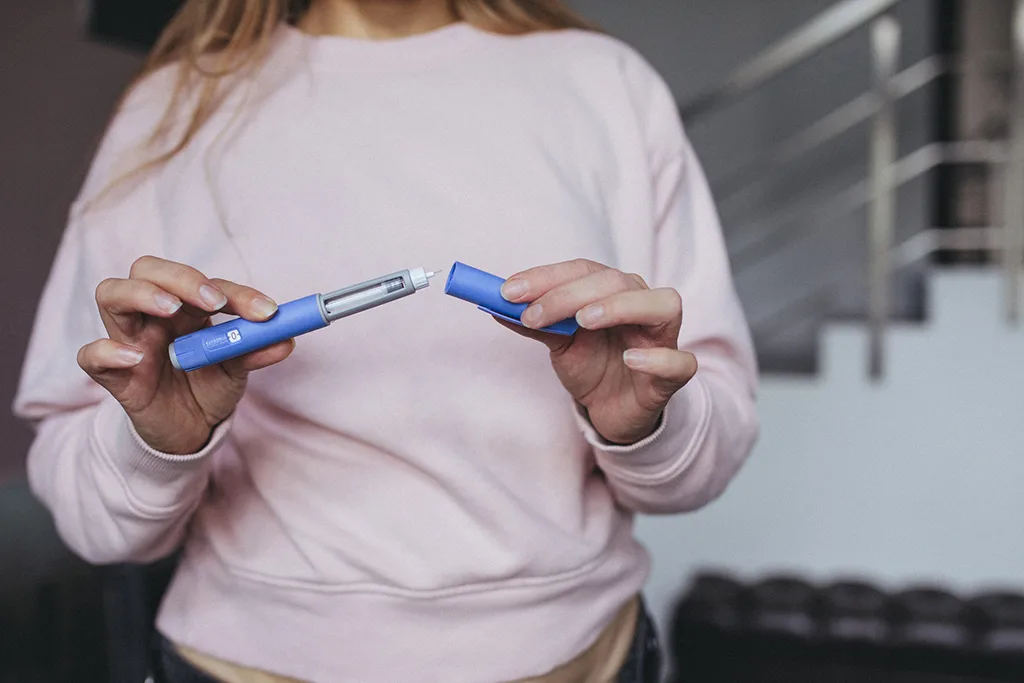
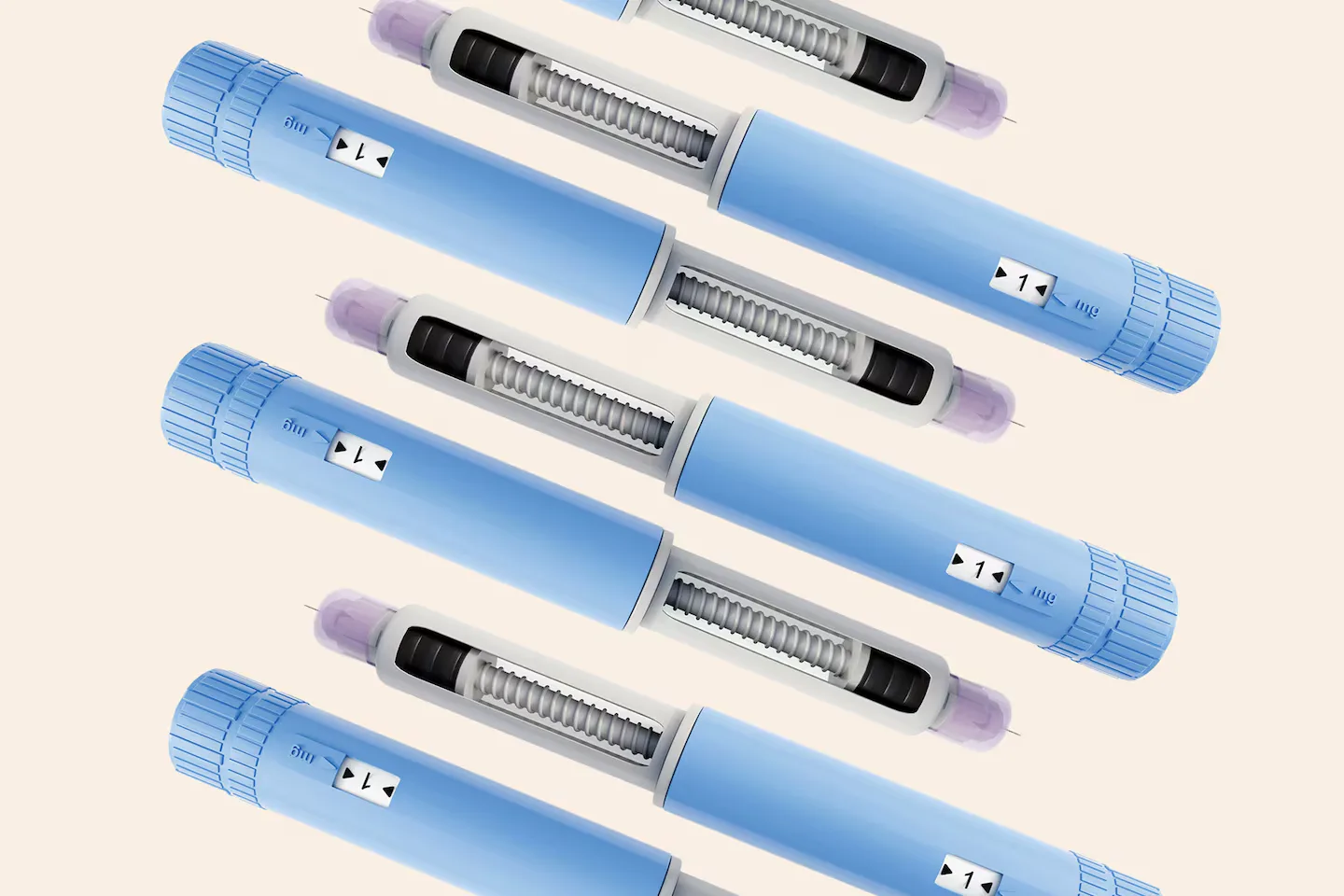
Novo Nordisk and Eli Lilly are both planning to introduce once-daily weight loss pills by next year, pending FDA approval, which is widely anticipated. This would eliminate the need for auto-injector pens with tiny needles.
Lau noted that some individuals are apprehensive about needles and self-injections.
Pills do not require refrigeration, which adds to the cost and complexity of shipping and storing injectable medications. Additionally, there are indications that pills will be more affordable.
Sean Wharton, a physician-researcher in Toronto and lead author of two New England Journal of Medicine papers on oral GLP-1 drugs, drew a parallel to Henry Ford's impact on the automobile industry. By increasing accessibility and convenience at a lower cost, these pills could achieve something similar for weight loss, he explained.
The trade-off is that the pills currently being tested are not as effective. Clinical trials spanning over a year showed that participants taking these drugs experienced an average weight loss of approximately 11 to 14 percent of their body weight. This is less than the 15 to 20 percent weight loss observed with the most effective injectable drugs.
Novo Nordisk's Wegovy pill is expected to be available to patients first. The company anticipates a decision from the FDA before the end of the year and may launch it in early 2026. Eli Lilly has positioned its GLP-1 pill, orforglipron, as more convenient due to the absence of dietary restrictions.
The anticipation for these pills is so high that they are already part of drug price negotiations with the White House. Novo Nordisk and Eli Lilly reached agreements with the Trump administration earlier in the month to offer certain medications at a discounted rate in exchange for Medicare access.
Novo Nordisk and Eli Lilly have stated that they would offer the lowest dose of their new pills, if approved, directly to consumers for $150 per month.
More Weight Loss, Fewer Side Effects?
Current weight loss drugs function by triggering the body's natural processes, instructing it to produce more gut hormones that signal the brain when to stop eating. Existing drugs target one or two of these hormones. Eli Lilly is developing a drug that targets three, potentially leading to even greater weight reductions. Health tracking apps like Shotlee can help monitor the effectiveness of these drugs.
Precision tracking for your journey
Join thousands using Shotlee to accurately track GLP-1 medications and side effects.
📱 Get the Shotlee App
Track your GLP-1 medications, peptides, and health metrics on the go with our mobile app!
A 2023 paper indicated that participants in a clinical trial who received the highest dose of this drug experienced an average weight loss of 24.2 percent of their body weight over 48 weeks. Researchers anticipate that this magnitude could increase over a longer period.
Ania Jastreboff, director of the Yale Obesity Research Center and lead author of the 2023 paper, stated that patients with severe obesity may require stronger agents. She is also co-authoring a book on obesity with Oprah Winfrey.
Before seeking FDA approval, Eli Lilly is awaiting results from several major clinical trials on the drug retatrutide, expected by the end of next year. Potential risks for some patients include excessive weight or muscle loss.
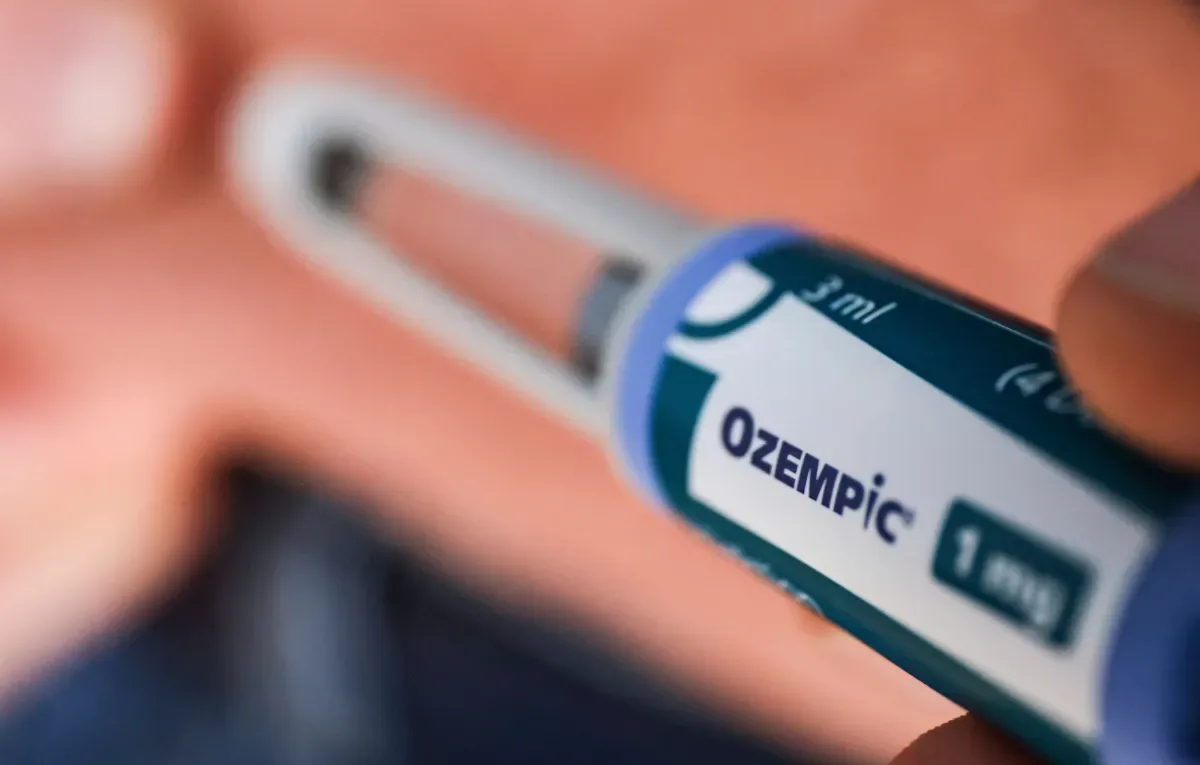
Drugmakers are also combining molecules known to suppress appetite in an effort to achieve a more potent effect. Novo Nordisk's experimental drug CagriSema combines semaglutide, the active ingredient in Ozempic and Wegovy, with a compound that mimics amylin, another gut hormone. A clinical trial revealed that this combination increased average weight loss to approximately 20 percent of body weight, 5 percent more than semaglutide alone. The company plans to seek FDA approval for CagriSema next year.
Eli Lilly published data earlier in the month on a clinical trial for a drug that stimulates amylin.
Louis Aronne, director of the Comprehensive Weight Control Center at Weill Cornell Medicine, stated that they have been studying amylin for weight loss for over 20 years. He added that it may be a better compound in certain ways, appearing to cause less loss of lean muscle and fewer stomach-related side effects.
A Monthly Dose?
While many find a daily pill more convenient than a weekly injection, drugmakers are approaching another milestone: a drug that delivers weight loss comparable to the best existing medications, but only requires a monthly injection.
Earlier this month, Pfizer outbid Novo Nordisk, agreeing to pay up to $10 billion for Metsera, a biotech company whose leading weight loss products are being studied for once-monthly administration. Amgen's experimental drug MariTide demonstrated an average weight loss of up to 16 percent of body weight over a year, although trial data on side effects has raised concerns among analysts.
Jastreboff, the lead author of the MariTide study, envisions a future where monthly or less frequent injectables are available to patients.
Will Anyone Be Taking Ozempic in Five Years?
Combined, Eli Lilly's tirzepatide-based drugs, Mounjaro and Zepbound, have generated approximately $25 billion in revenue through the first nine months of the year, making them the world's top-selling medications. Novo Nordisk's Ozempic and Wegovy are not far behind, with revenues of $23.5 billion over the same period. However, if patients have the option to take a weight loss pill, a more potent injectable, or a drug with fewer side effects, what will be the appeal of the current blockbusters?
Researchers suggest that these medications could remain relevant. There are now years of safety data on GLP-1 drugs outside of clinical trials. The FDA has approved Wegovy not only for weight loss but also for reducing cardiovascular risk, while Zepbound is an approved treatment for sleep apnea. There's no guarantee that other medications, however promising, will have the same benefits.
According to Aronne, demonstrating a reduction in the risk of heart attack, stroke, and death will be the hurdle that any other class of drugs must overcome.
Market competition and government policy are also contributing to lower prices, meaning that any new drug will need to offer significant advantages to justify a premium price over current GLP-1 drugs.
Jastreboff hopes that increased competition resulting from more options will lower costs and improve drug accessibility.
Wharton considers semaglutide to be a remarkable molecule with potential long-term benefits for conditions like coronary artery disease and osteoarthritis. Reflecting on next-generation treatments, he used a technology analogy.
He said that nobody is using the iPhone 1 anymore, but sometimes he wishes he had his Blackberry back.