
Novo Crash Cuts Wegovy Maker Shareholder Assets by a Third
Novo Nordisk A/S's slump last year has significantly impacted its controlling shareholder, slashing the asset value by about a third and limiting investments in emerging biotechs. As the maker of the blockbuster weight-loss treatment Wegovy, Novo faces mounting pressures in the GLP-1 market, including cheaper copycat drugs and fierce competition from U.S. rival Eli Lilly & Co. This financial turbulence underscores the volatility in the obesity medication sector, where rapid innovation meets intense market dynamics.
The Direct Hit to Novo Holdings
Novo Holdings A/S, the investment vehicle that controls Novo Nordisk, reported its assets under management reduced to about 694 billion Danish kroner ($108 billion) last year, as detailed in a report released Thursday. This represents a substantial decline, curtailing the fund's capacity to pour capital into up-and-coming biotechs—a critical area for advancing peptide therapies and metabolic health innovations.
Despite the headwinds, Novo Holdings generated returns of about 9% last year at constant exchange rates, down from almost 15% in 2024. Factors like the drugmaker's decision to halt share buybacks and the dollar's decline against the Danish krone further eroded performance. Led by former investment banker Kasim Kutay, Novo Holdings manages the assets of the Novo Nordisk Foundation, balancing investments across life-science companies and capital in non-health sectors.
Why Novo Nordisk's Stock Plunged
The maker of Wegovy anticipates a steep sales decline this year, driven by cheaper copycat drugs flooding the market and head-to-head competition from Eli Lilly & Co. Novo's stock fell about 48% last year and another 23% since the start of 2026, exacerbated by a next-generation obesity shot that delivered less weight loss than hoped.
Understanding Wegovy and GLP-1 Mechanisms
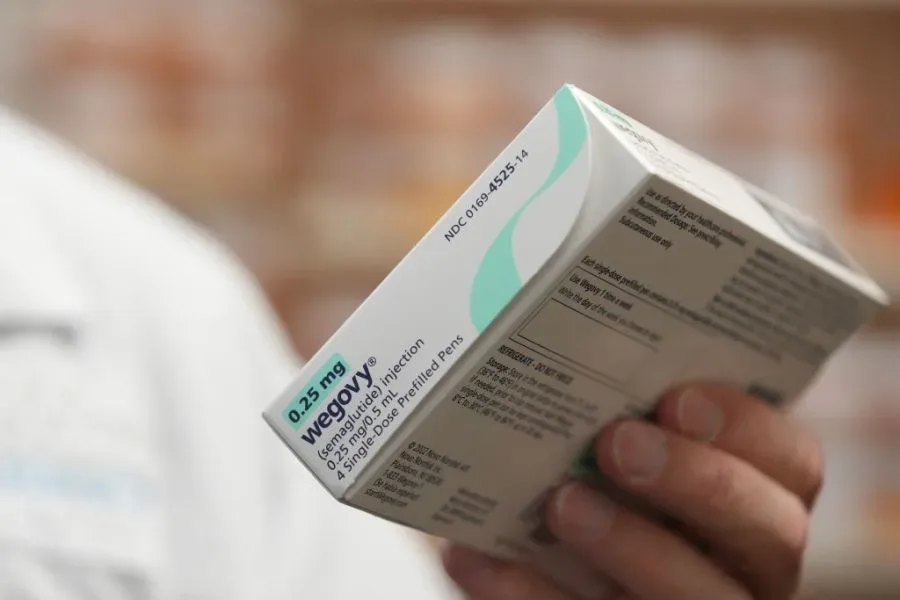
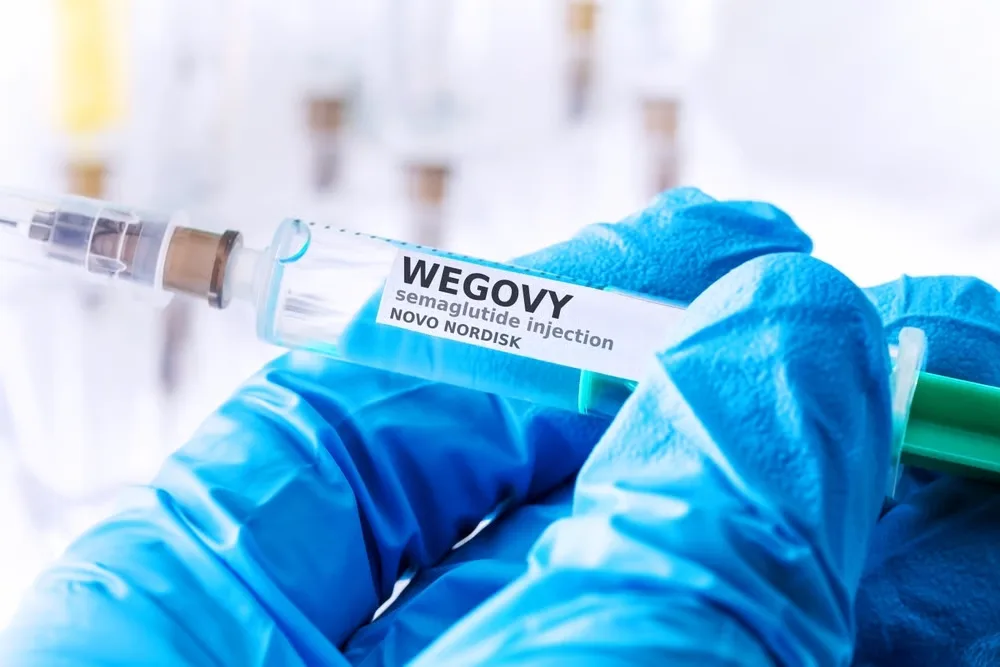
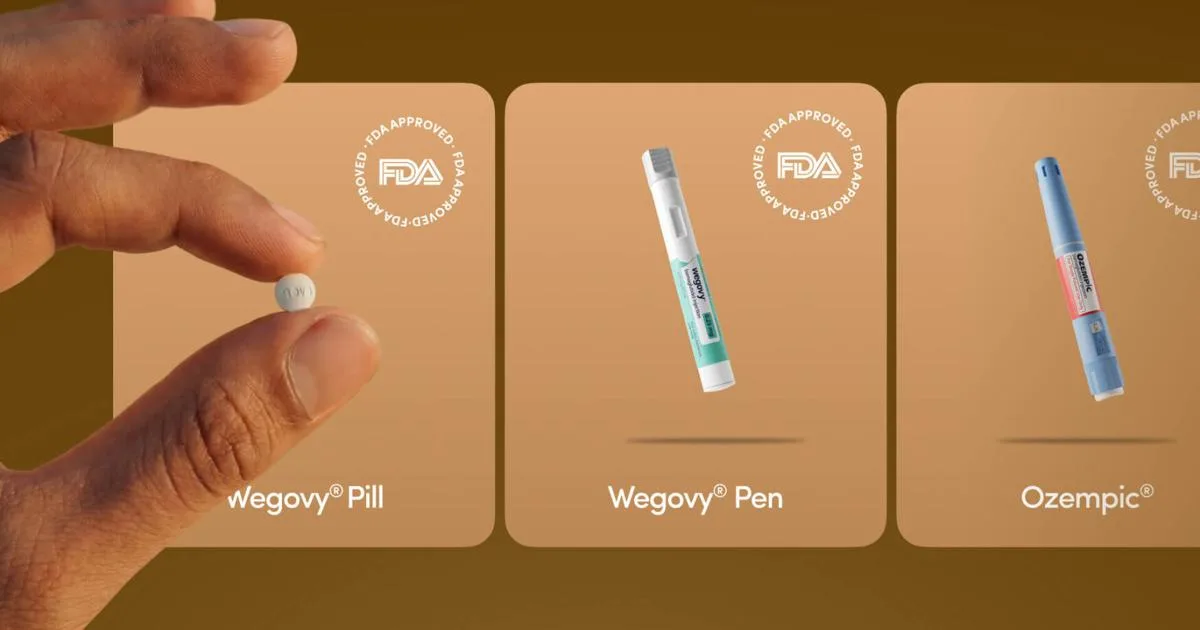
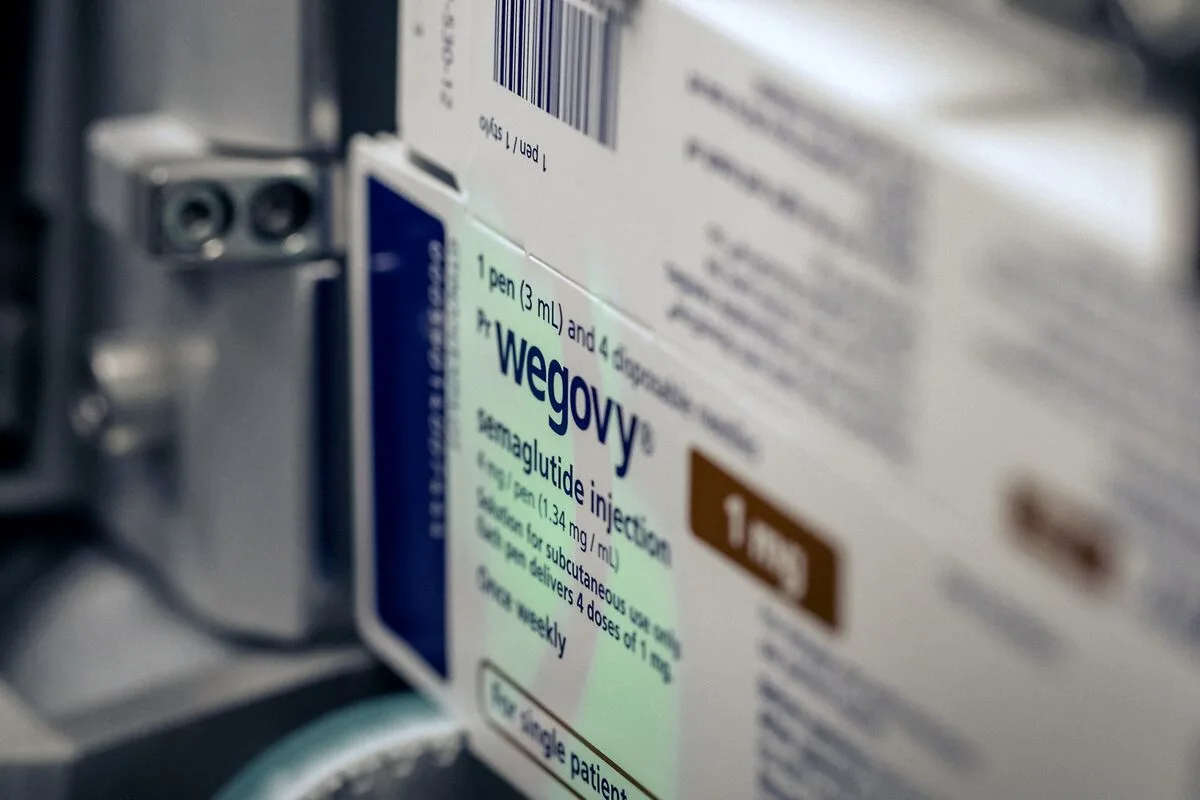
Wegovy (semaglutide) is a GLP-1 receptor agonist, a class of medications that mimic the glucagon-like peptide-1 hormone to regulate blood sugar, slow gastric emptying, and reduce appetite. Approved for chronic weight management in adults with obesity or overweight with comorbidities, it has been a cornerstone in metabolic health, helping patients achieve significant weight loss—often 15-20% of body weight in clinical use. However, its blockbuster status has attracted copycats, particularly compounded versions of semaglutide, which offer lower-cost alternatives but raise concerns about quality, dosing accuracy, and regulatory oversight.
Competition from Eli Lilly Heats Up
U.S. rival Eli Lilly & Co. has challenged Novo's dominance with its own GLP-1-based therapies like tirzepatide (marketed as Mounjaro for diabetes and Zepbound for weight loss), which acts on both GLP-1 and GIP receptors for potentially superior efficacy. This dual-agonist approach has captured market share, pressuring Wegovy's pricing power and sales forecasts. The influx of these alternatives highlights the maturing GLP-1 landscape, where innovation in peptide therapy is key to staying ahead.
Next-Generation Setbacks
Novo's pipeline ambitions hit a snag with a next-generation obesity shot that underperformed in weight loss expectations. Such developments are common in peptide therapy development, where fine-tuning receptor agonism and tolerability is crucial. While specifics remain tied to ongoing trials, this disappointment amplified investor concerns, contributing to the stock's sharp decline.
Precision tracking for your journey
Join thousands using Shotlee to accurately track GLP-1 medications and side effects.
📱 Get the Shotlee App
Track your GLP-1 medications, peptides, and health metrics on the go with our mobile app!
Novo Holdings' Evolving Investment Approach
Last year, Novo Holdings boosted its capital investments in sectors outside health to 48% of the portfolio, up from 41% in 2024. Market volatility prompted caution, with only 12 new firms added to the portfolio, compared to 43 a year earlier. This year, the company participated in a new funding round for Sylvan, a fungal biotech company from China, signaling continued interest in novel biotechs despite broader challenges.
For investors eyeing the GLP-1 space, Novo Holdings' strategy illustrates diversification amid sector risks. Tracking tools like Shotlee can help patients and stakeholders monitor medication adherence and side effects in real-world GLP-1 use, providing data that informs both personal health and market trends.
Implications for Patients, Investors, and the GLP-1 Market
For Patients Considering Wegovy
Despite sales pressures, Wegovy remains a proven option for eligible patients. Consult your doctor to discuss if it fits your metabolic health goals, especially weighing generics or competitors. Common considerations include starting at lower doses to minimize gastrointestinal side effects like nausea, vomiting, or diarrhea, and monitoring for rarer risks such as pancreatitis or thyroid concerns. Lifestyle integration—diet, exercise—amplifies benefits.
Investor Perspective
The Novo slump reflects broader GLP-1 market maturation: from supply shortages to abundant competition. While short-term volatility persists, long-term demand for obesity and metabolic therapies grows with rising prevalence of type 2 diabetes and cardiovascular risks.
Safety and Practical Guidance
GLP-1s like Wegovy are generally well-tolerated, but side effects can include injection-site reactions or slowed motility. Patients should report persistent issues to providers. Compared to alternatives, Wegovy's weekly dosing offers convenience, though Lilly's options may edge in efficacy for some.
Key Takeaways
- Novo Holdings' assets dropped to 694B DKK ($108B), down a third due to Novo's slump.
- Stock fell 48% last year + 23% YTD amid copycats, Lilly rivalry, and pipeline misses.
- Returns at 9% (constant FX), with fewer investments (12 vs. 43 prior year).
- Wegovy faces sales declines, but GLP-1s remain vital for weight management.
- Diversification into non-health assets now 48% of portfolio.
Conclusion: Navigating GLP-1 Volatility
Novo Nordisk's challenges highlight the dynamic GLP-1 arena, where competition drives progress but tests resilience. For patients, focus on personalized medical advice; for investors, eye pipeline recoveries and market expansion. This episode reinforces the need for sustained innovation in peptide therapy and metabolic health.