
Mars CEO Poul Weihrauch Named Novo Nordisk Board Observer
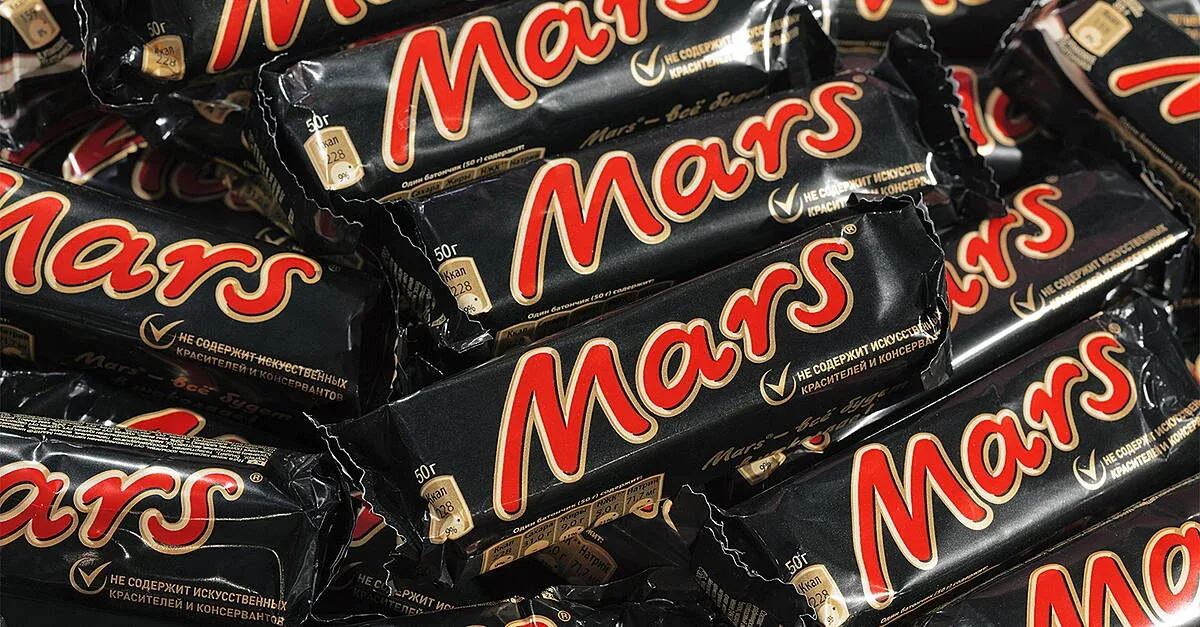
In a strategic cross-industry move, Novo Nordisk, one of the principal suppliers of GLP-1 weight-loss medications such as Ozempic and Wegovy, has appointed Poul Weihrauch, the chief executive of Mars, as a "board observer." This appointment underscores the profound influence of GLP-1 receptor agonists on consumer behavior, particularly in food and beverage sectors, as these drugs suppress appetite and alter purchasing patterns for snacks and sweets.
The Significance of Poul Weihrauch's Appointment at Novo Nordisk
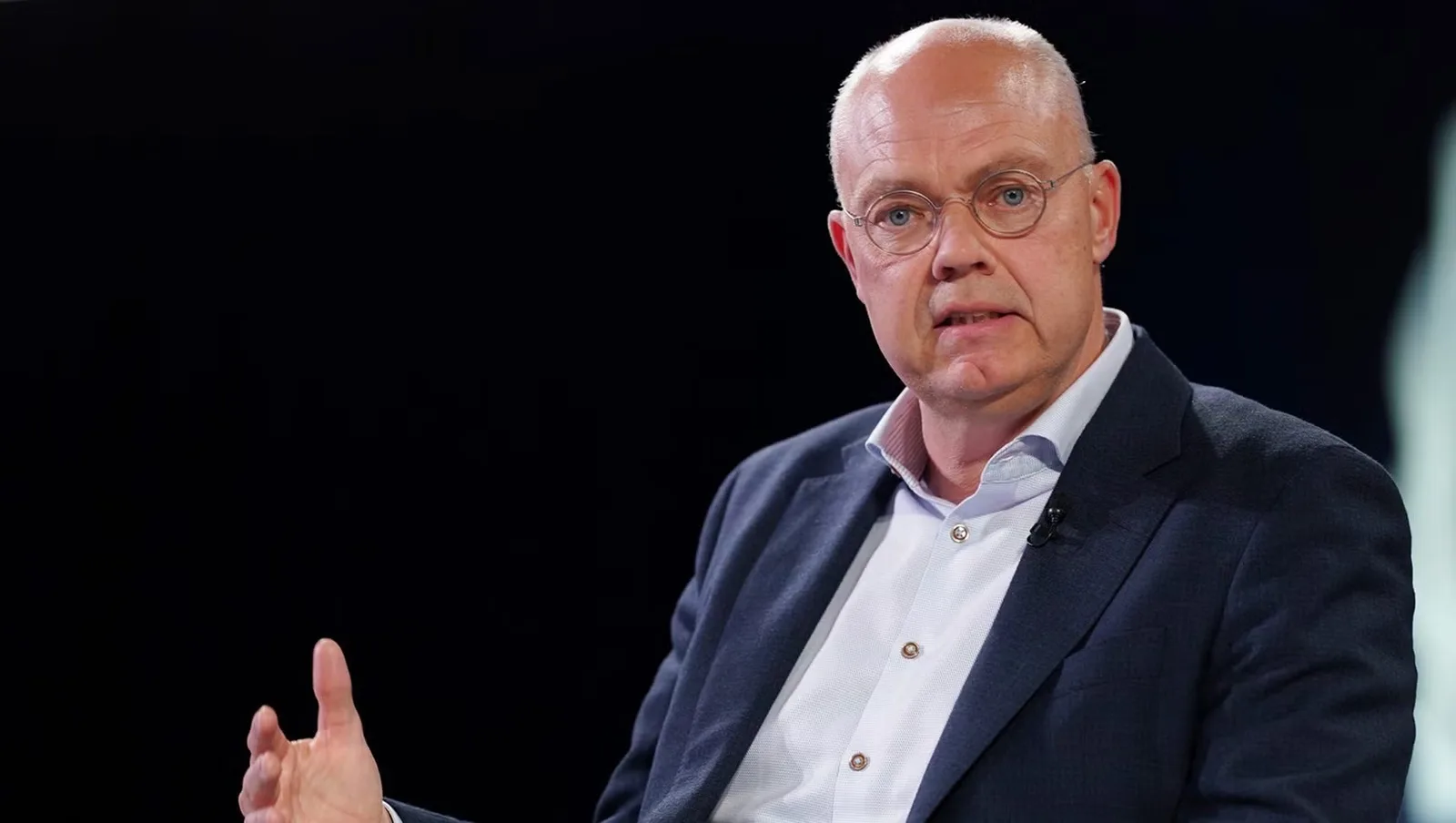
Poul Weihrauch will serve as a Novo Nordisk board observer for the 2026/2027 term. The company plans to nominate him for election as a full board member at its Annual General Meeting (AGM) in 2027, which typically occurs in March. A spokesperson for Novo Nordisk explained the rationale: "We invited Poul Weihrauch to serve as an observer on the board to benefit from his sector knowledge and global leadership experience."
"As the CEO and president of Mars, Poul brings deep commercial insight into multinational consumer markets, strong experience with brand and supply‑chain strategy, and proven leadership in driving large, complex organisations, all of which are highly relevant to our strategic priorities. Mars is one of the top fast-moving consumer goods companies, and we think he will make a significant contribution to our board."
The spokesperson declined to comment on specific duties Weihrauch would undertake in the observer role. This position allows him to attend board meetings and provide input without full voting rights, offering Novo Nordisk valuable perspectives from the fast-moving consumer goods (FMCG) world.
Background on Novo Nordisk and GLP-1 Medications
What Are GLP-1 Drugs Like Ozempic and Wegovy?
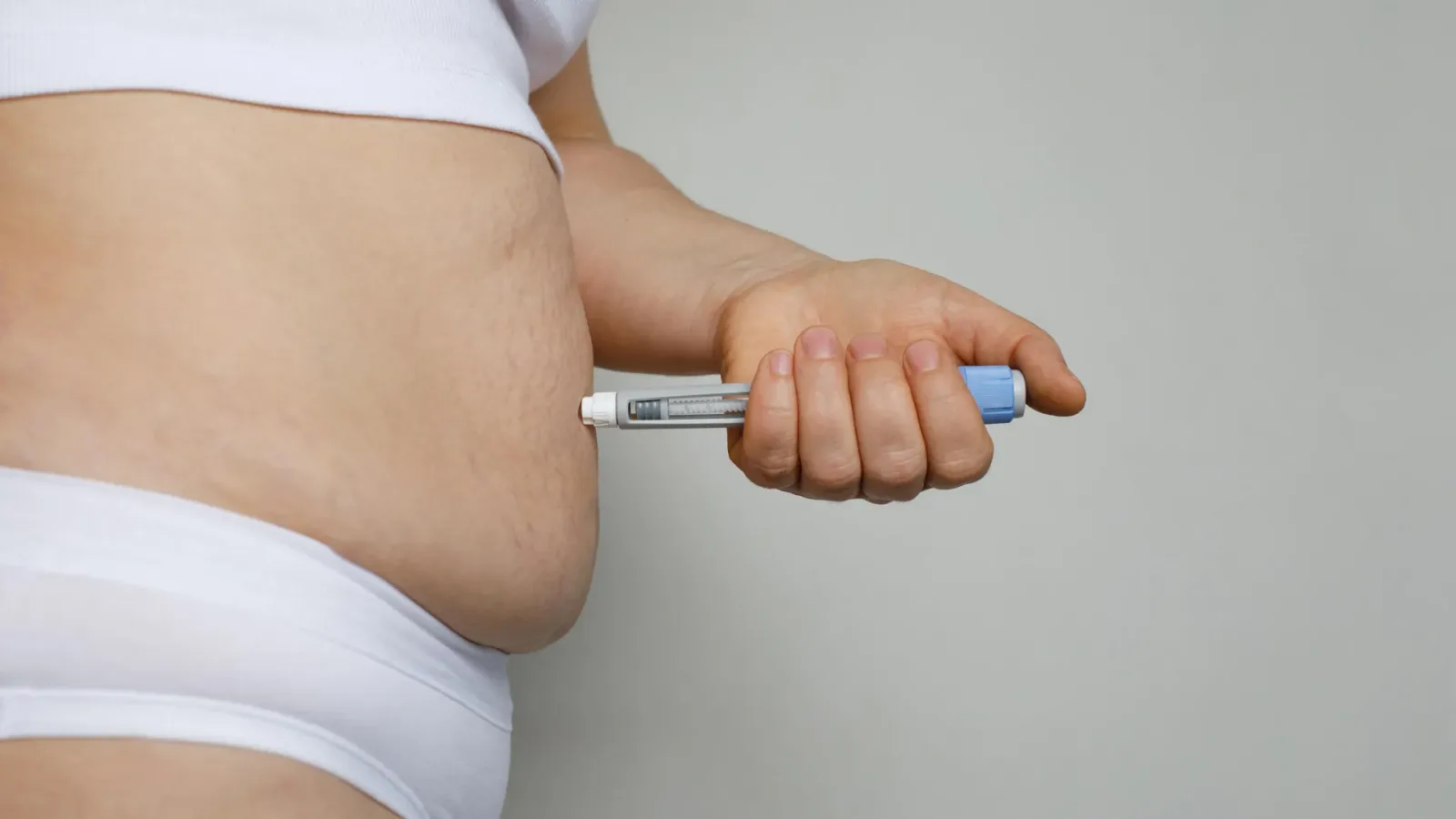
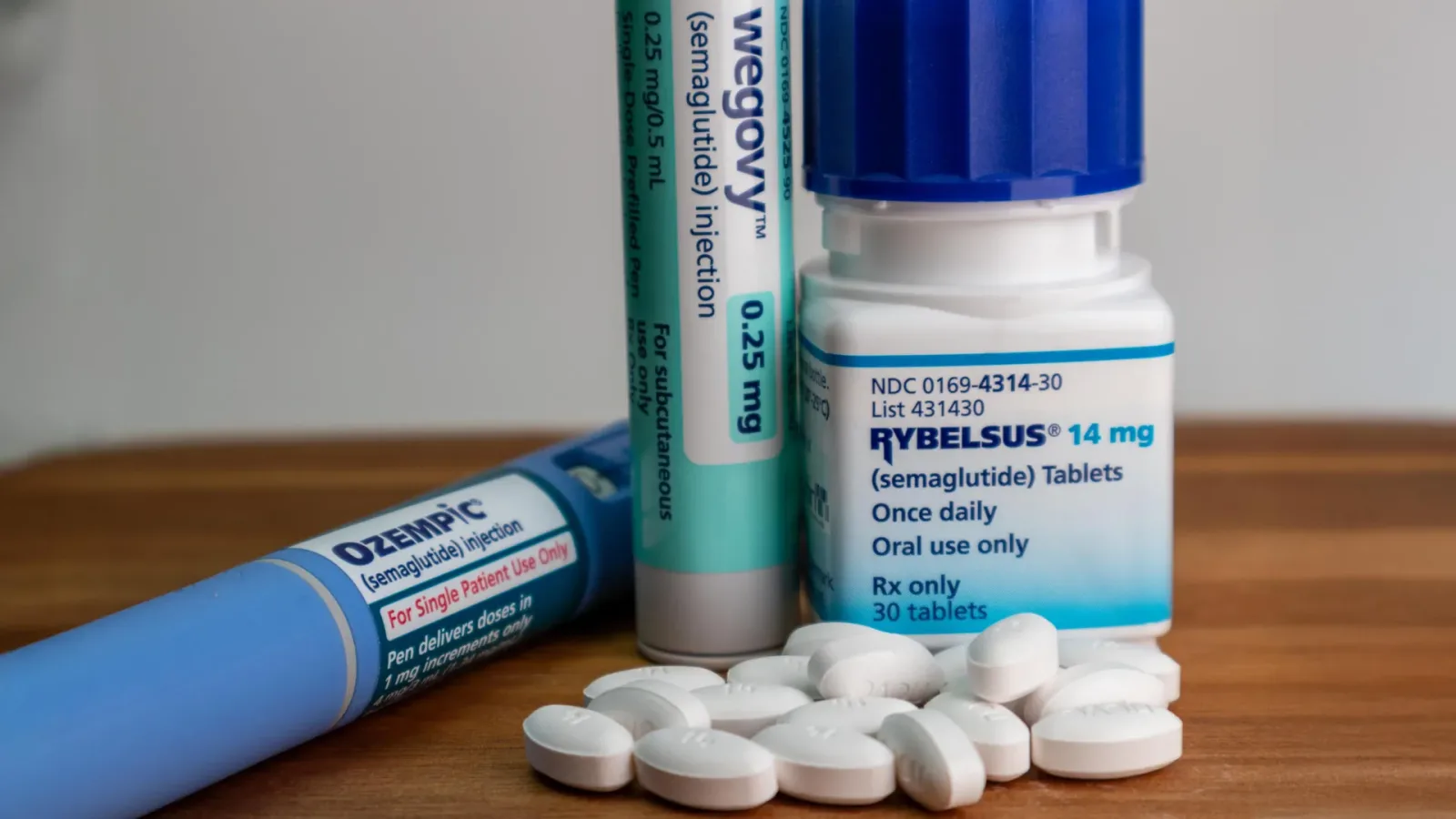
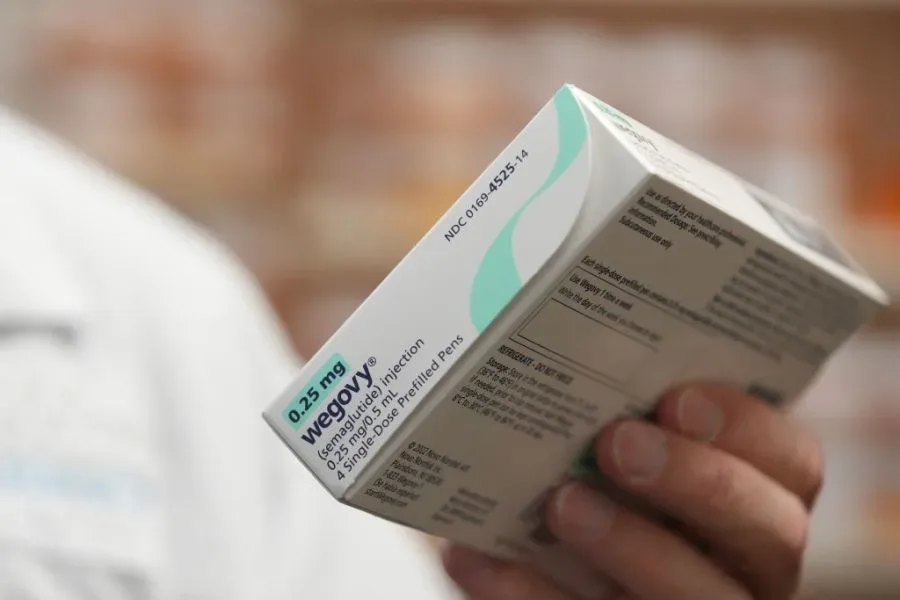
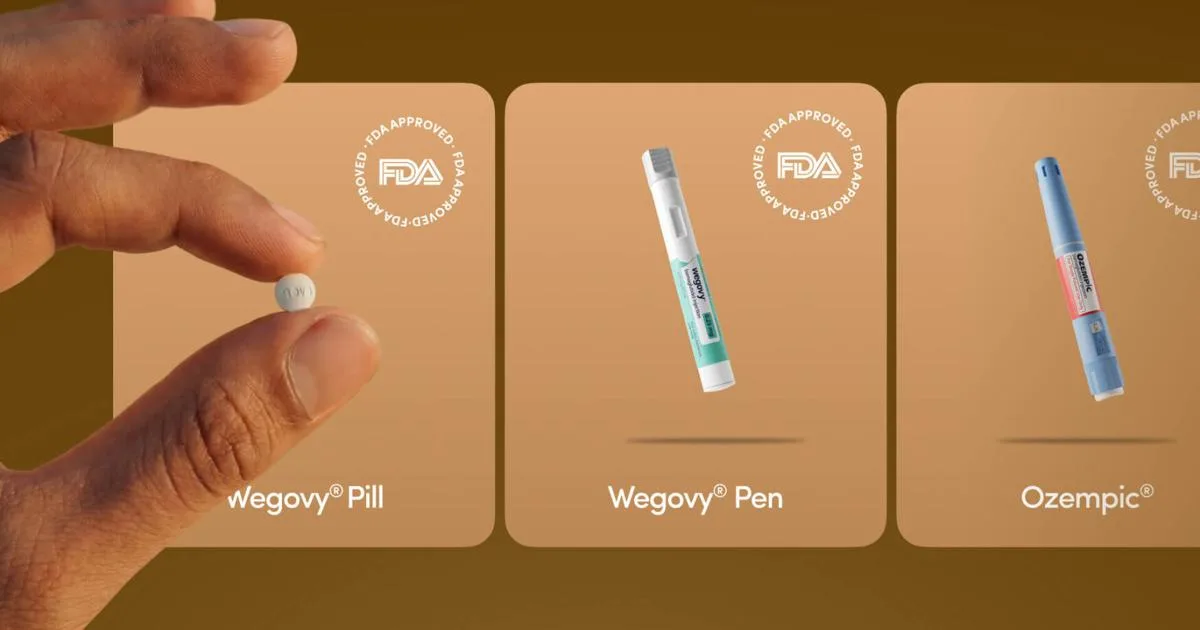
GLP-1 medications, associated with appetite suppression, were first approved to treat Type-2 diabetes in the US more than 15 years ago and for the treatment of obesity around a decade ago. Novo Nordisk markets these under brands including Ozempic (semaglutide for diabetes) and Wegovy (higher-dose semaglutide for weight management). These injectable therapies mimic the glucagon-like peptide-1 hormone, which regulates blood sugar, slows gastric emptying, and signals fullness to the brain, leading to reduced calorie intake.
The mechanism is particularly relevant for metabolic health: by enhancing insulin secretion and reducing glucagon, GLP-1 agonists improve glycemic control in Type-2 diabetes while promoting sustainable weight loss—often 15-20% of body weight in clinical trials. This dual benefit has fueled explosive demand, with prescriptions surging amid off-label use for weight management.
Rising Popularity and Market Impact
With more consumers turning to GLP-1 medications to manage their weight, industries beyond pharma are taking notice. Research in the US has suggested demand from users for sweet and savoury snacks has been affected, prompting food and beverage sectors to monitor changes closely. Some industry watchers believe the rising use of GLP-1 medication will have a "structural" impact on the market.
Food and drinks manufacturers and retailers are weighing the effects on sales and adapting product lines. For instance, lower-calorie options, protein-rich snacks, and smaller portions are emerging to align with reduced appetites. This shift ties directly to metabolic health goals, as GLP-1 users often report sustained changes in eating habits that support long-term weight maintenance.
Precision tracking for your journey
Join thousands using Shotlee to accurately track GLP-1 medications and side effects.
📱 Get the Shotlee App
Track your GLP-1 medications, peptides, and health metrics on the go with our mobile app!
Poul Weihrauch's Career Journey at Mars
Weihrauch joined Mars in 2000 in a role working on the Snickers brand in Europe. By 2011, he was president of Mars' global food arm before becoming president of the company's pet-care business in 2015—a role he held for seven years. He ascended to group CEO in 2022, bringing extensive experience in consumer brands like Snickers, M&M's, and pet foods such as Pedigree.
His expertise in navigating multinational markets and supply chains positions him uniquely to advise Novo Nordisk on how GLP-1-driven appetite changes ripple through FMCG sales. As obesity rates climb globally, this appointment signals pharma's proactive engagement with food industry dynamics.
Implications for the Food Industry and Metabolic Health
How GLP-1 Use Is Reshaping Consumer Behavior
GLP-1 medications like Ozempic and Wegovy reduce cravings for high-calorie foods, leading to measurable dips in snack purchases. US studies indicate users cut back on sweets and savories, challenging traditional FMCG growth models. Companies like Mars are responding by innovating—think high-protein chocolate bars or volume-controlled treats that fit reduced intake patterns.
For patients, this means GLP-1 therapy not only aids weight loss but fosters healthier eating. However, common side effects like nausea or gastrointestinal issues can influence food choices initially. Tools like Shotlee can help track these appetite shifts and symptoms alongside medication schedules for better doctor discussions.
Strategic Value for Novo Nordisk
Novo Nordisk's strategic priorities—expanding GLP-1 access amid supply shortages and regulatory scrutiny—benefit from Weihrauch's insights. As demand grows, understanding supply-chain pressures in food parallels pharma manufacturing challenges. This could inform branding for Wegovy, emphasizing lifestyle integration over quick fixes.
Patient Guidance: Who Might Benefit?
Eligible patients include those with Type-2 diabetes (HbA1c >7%) or obesity (BMI ≥30, or ≥27 with comorbidities). Discuss with your doctor: start low (e.g., 0.25mg Ozempic weekly), titrate slowly to minimize GI side effects. Combine with diet/exercise for optimal metabolic outcomes. Monitor heart health benefits, as GLP-1s show cardiovascular risk reduction in trials.
- Consult a specialist: Endocrinologists for dosing.
- Lifestyle tips: Focus on nutrient-dense foods as appetite wanes.
- Safety note: Rare risks include pancreatitis; report persistent symptoms.
Key Takeaways
- Mars CEO Poul Weihrauch joins Novo Nordisk as board observer for 2026/2027, eyeing full board role in 2027.
- GLP-1 drugs Ozempic/Wegovy suppress appetite, impacting food sales structurally.
- Weihrauch's FMCG expertise aids Novo Nordisk's strategies in consumer markets.
- Patients: Leverage GLP-1 for metabolic health; track changes with apps like Shotlee.
Conclusion
The appointment of Poul Weihrauch to Novo Nordisk's board reflects the intersection of pharma innovation and food industry adaptation amid the GLP-1 boom. For patients pursuing metabolic health via Ozempic or Wegovy, it signals a future where treatments align with real-world eating shifts. Stay informed, consult providers, and monitor progress for personalized success.