
FDA Scrutiny Intensifies on Novo Nordisk's GLP-1 Advertising
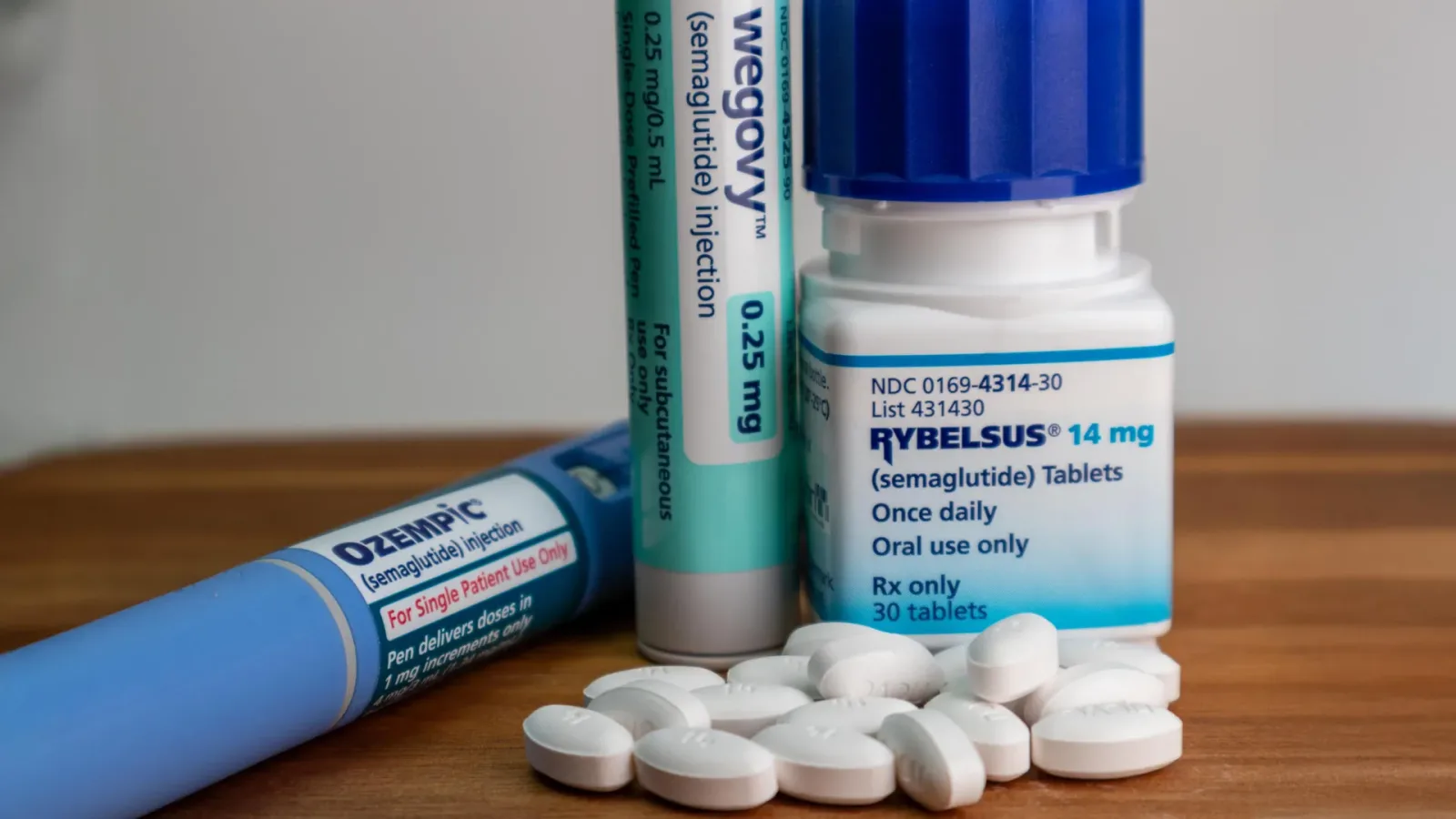
Just weeks after an FDA untitled letter targeted Novo Nordisk's Wegovy TV spot, the Danish pharmaceutical giant has landed another regulatory notice. This time, the focus is on a digital advertisement for Ozempic (semaglutide injection) from the "There's Only One Ozempic" campaign. Launched in January, the ad reunites actors Justin Long and John Hodgman—familiar from Apple's late-2000s "Get a Mac" commercials—to humorously position Ozempic against "other GLP-1s for Type 2 diabetes."
The FDA's letter, dated February 26 and uploaded to its public database, accuses the ad of "claims and presentations that misrepresent the efficacy of Ozempic." This development underscores growing regulatory oversight on GLP-1 receptor agonist promotions amid surging demand for drugs like Ozempic and Wegovy for Type 2 diabetes, weight management, and cardiovascular risk reduction.
Background on the Controversial Ozempic Ad Campaign
The "There's Only One Ozempic" campaign cleverly riffs on Apple's iconic ads, with Long portraying Ozempic in a bright orange shirt and Hodgman as a generic GLP-1 in dull gray. A third character, Stan, joins to highlight Ozempic's FDA-approved indications: lowering A1C, reducing the risk of major cardiovascular events, and decreasing the risk of worsening kidney disease.
However, the FDA contends that the ad's structure and voiceover create a misleading impression. It suggests that "all patients with type 2 diabetes are candidates for all the FDA-approved indications for Ozempic," overlooking key patient-specific criteria. For instance:
- Cardiovascular risk reduction is approved only for adults with Type 2 diabetes and established cardiovascular disease.
- Kidney disease protection applies to those with Type 2 diabetes and chronic kidney disease.
While full indication details appear in onscreen text during Stan's lines, the FDA argues this is "not sufficient to correct the overall misleading impression created by the claims in the voiceover at the beginning of the video."
Other FDA Concerns: Superiority Claims and Risk Information
The letter also critiques the ad's final joke, where Hodgman's character, upon learning it lacks Ozempic's breadth of indications, responds with a bird call. The FDA views this as implying superiority over competitors, amplified by visual cues like clothing colors. Importantly, Ozempic's approvals stem from the number of indications—not clinical data proving superior efficacy to other GLP-1s for Type 2 diabetes glucose control.
Additionally, the regulator faults Novo for not signaling that important risk information follows the actors' interaction. Ozempic's risks—such as thyroid C-cell tumors, pancreatitis, and gallbladder issues—are presented only after the storyline and jingle, potentially burying critical safety data.
What Is an FDA Untitled Letter?
Unlike warning letters, untitled letters serve as early notices of potential violations under the Federal Food, Drug, and Cosmetic Act. They urge voluntary correction without immediate enforcement action. For pharma marketers, these signal the need for precise language, especially with high-profile GLP-1s facing intense public interest.
This marks Novo's second such letter in three weeks. The prior one disputed the Wegovy "Live Lighter" ad for implying unproven advancements over other GLP-1s.
Ozempic's FDA-Approved Indications: A Clinical Breakdown
To contextualize the ad's claims, Ozempic is a once-weekly subcutaneous GLP-1 receptor agonist primarily indicated for:
Precision tracking for your journey
Join thousands using Shotlee to accurately track GLP-1 medications and side effects.
📱 Get the Shotlee App
Track your GLP-1 medications, peptides, and health metrics on the go with our mobile app!
- Glycemic control: Adjunct to diet and exercise to improve blood sugar (A1C) in adults with Type 2 diabetes.
- Cardiovascular benefit: Reduce major adverse cardiovascular events (MACE) in adults with Type 2 diabetes and established CVD, based on the SUSTAIN-6 trial.
- Renal protection: Reduce risk of worsening kidney disease, end-stage kidney disease, and cardiovascular death in T2D patients with CKD, supported by the FLOW trial data.
These indications highlight Ozempic's expanded role beyond diabetes, but eligibility requires specific comorbidities. Patients without CVD or CKD should not assume universal applicability.
How Ozempic Works in Cardiovascular and Kidney Health
Ozempic mimics GLP-1, enhancing insulin secretion, slowing gastric emptying, and reducing hepatic glucose production. For heart and kidney benefits, it likely involves anti-inflammatory effects, improved endothelial function, and weight loss—reducing obesity-related strain on these organs. Trials like LEADER and SUSTAIN-6 demonstrated up to 26% MACE risk reduction in high-risk groups, informing label expansions.
Implications for Patients and Healthcare Providers
Regulatory actions like this ensure ads don't oversimplify complex therapies. For Type 2 diabetes patients considering Ozempic:
- Consult your doctor: Discuss personal risk factors for CVD or CKD to determine eligibility.
- Monitor side effects: Common issues include nausea, vomiting, and diarrhea; rarer risks like gastroparesis warrant vigilance. Tools like Shotlee can help track symptoms and medication adherence.
- Avoid self-diagnosis from ads: Base decisions on lab results (A1C, eGFR) and clinical history.
Comparatively, rivals like Trulicity (dulaglutide) or Mounjaro (tirzepatide) offer similar glycemic control but vary in CV/renal labels. Ozempic leads in approved breadth, but head-to-head superiority remains unproven.
Novo Nordisk's Response and Commitment to Compliance
"We take all regulatory feedback seriously and are in the process of responding to the FDA to address their concerns regarding the advertisement's presentation," a Novo spokesperson said. "Novo Nordisk is committed to responsible advertising that is accurate, balanced and meets all FDA regulatory and compliance standards. We believe in Ozempic and it is our hope that patients who can benefit from it are aware of it and encouraged to have an informed discussion with their healthcare professional."
This echoes Novo's prior Wegovy response, emphasizing dialogue with regulators.
Broader Context: GLP-1 Marketing in a High-Demand Era
GLP-1s like Ozempic dominate headlines for dual diabetes/weight loss benefits, with U.S. prescriptions soaring. Yet, FDA oversight protects against hype. Past violations include off-label promotion; current focus is precise indication communication amid compounded semaglutide shortages.
Marketers must balance creativity (e.g., Apple parody) with disclaimers, fair balance, and substantiation—challenges in 15-30 second spots.
Key Takeaways for Patients and Providers
- The FDA untitled letter targets specific Ozempic ad misimpressions on indications and superiority, not denying Ozempic's proven benefits.
- CV and renal indications require established disease; A1C lowering is broader.
- Always prioritize doctor discussions over ads.
- Track therapy with apps for optimal outcomes.
Conclusion: Navigating GLP-1 Ads with Caution
Novo's Ozempic ad controversy highlights the tightrope of pharma marketing. While the campaign effectively spotlights unique labels, FDA feedback ensures accuracy. Patients should leverage these therapies under guidance, focusing on evidence-based use for Type 2 diabetes, heart, and kidney health. Stay informed on regulatory updates to make empowered choices.