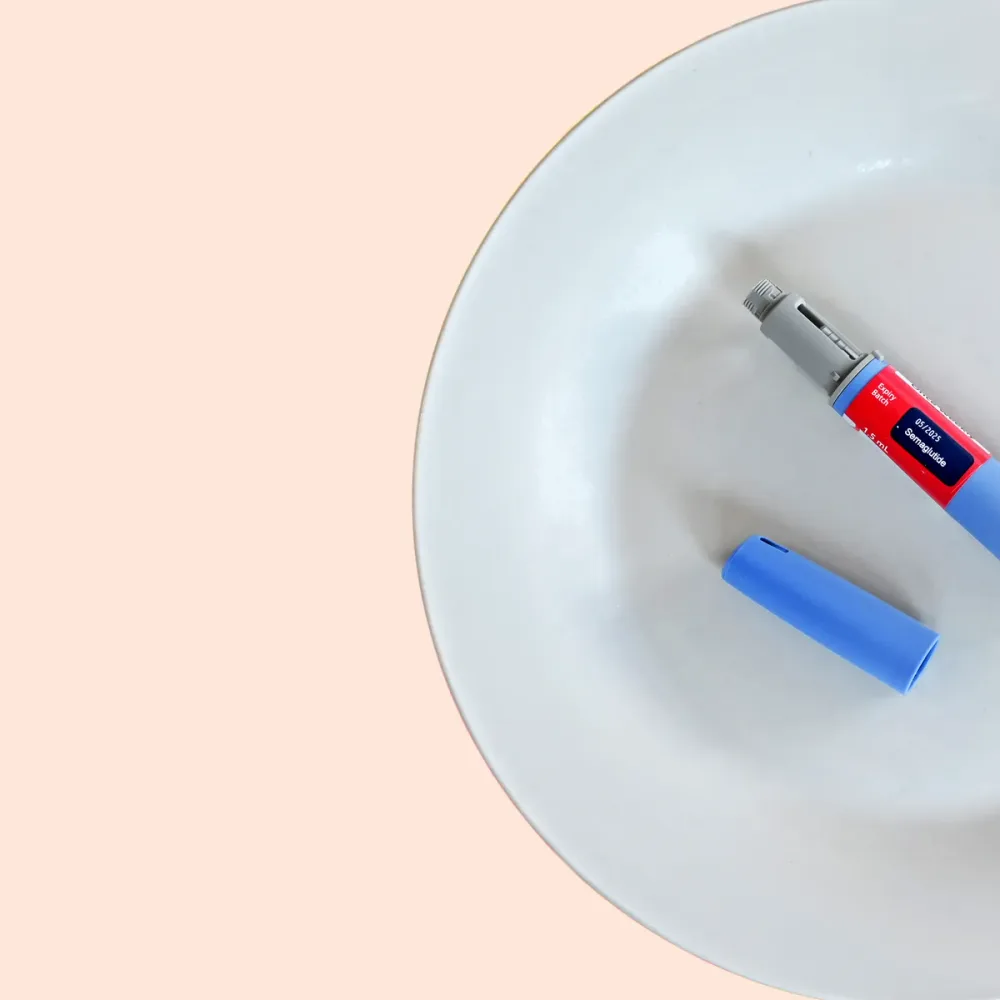

Novo Nordisk is facing significant legal challenges as a New Jersey court has ruled that the pharmaceutical company must answer allegations of shareholder fraud regarding its next-generation weight loss therapy, CagriSema. The ruling by U.S. District Judge Robert Kirsch allows investors to argue that the company misled the market about specific clinical trial details. This legal development highlights the intense scrutiny surrounding GLP-1 medications and the financial stakes attached to their development pipelines. The case centers on whether the company concealed critical information that would have affected investor decisions regarding Novo's securities. While the company denies the allegations, the court has acknowledged that the plaintiffs have a viable case to pursue. This decision underscores the importance of transparency in clinical trial reporting for publicly traded health companies.
What Is the Core Allegation in the Novo Nordisk Shareholder Lawsuit?
Novo Nordisk faces legal scrutiny over CagriSema transparency following a New Jersey court ruling that allows shareholder fraud claims to proceed. Investors allege the pharmaceutical company withheld critical information regarding patient dosing protocols during the Phase 3 REDEFINE 1 study. Specifically, plaintiffs argue that Novo misled shareholders about the flexibility patients had to modify their own medication doses. This omission allegedly caused investors to purchase securities at artificially inflated prices before the truth emerged. The judge acknowledged that this conduct could constitute fraud despite dismissing claims about efficacy exaggeration. The case centers on whether the company failed to disclose risks associated with the drug’s tolerability profile. This distinction is vital for understanding how clinical trial data influences market valuation and investor confidence in GLP-1 therapies.
The lawsuit claims that the failure to disclose the flexible dosing approach misled plaintiffs about the study’s risks and prospects for success. Novo Nordisk has denied the allegations, with company representatives calling them meritless in a statement to BioSpace. The company intends to vigorously defend against these claims as the case moves forward in the legal system. Investors who purchased Novo’s securities during the relevant period are seeking damages based on the price inflation caused by the alleged misinformation.
How Did the Flexible Dosing Protocol Impact Study Data?
The flexible dosing approach allowed participants to adjust their CagriSema levels, which significantly altered the trial's completion metrics and safety outcomes. According to the January 2025 court complaint, less than 60% of patients completed the full dose escalation process required for the highest drug dosage. This deviation from standard protocols meant that many participants did not receive the maximum therapeutic potential intended by the study design. Novo Nordisk did not initially inform shareholders that this modification would likely reduce the overall success rate of the trial. Consequently, the data regarding tolerability became less reliable for predicting real-world patient adherence and long-term safety. The judge noted that this lack of disclosure misled investors about the study’s risks and prospects for success. Understanding this mechanism helps explain why the court allowed the fraud claims to move forward against the larger drug maker.
This protocol change allowed patients to modify their own CagriSema doses throughout the trial, a fact the pharma withheld from shareholders. The failure to disclose this detail was central to the argument that the study’s risks were misrepresented to the public. It also raised questions about how the drug would perform in a real-world setting where patients might not strictly follow escalation schedules. The court opinion highlighted that this information was material to the decision-making process of investors evaluating the company's future prospects.
What Do the REDEFINE Trial Results Show for CagriSema?
Clinical data released in December 2024 demonstrated that patients on CagriSema achieved a 22.7% reduction in body weight at 68 weeks. This result was statistically significant compared to the placebo group, which lost only 2.3% over the same time span. However, the outcome fell short of Novo’s prior projection that the drug would achieve at least 25% weight loss. Chief Scientific Officer Martin Holst Lange had set this high bar, leading to a sharp decline in stock value when the number was missed. The drug combines semaglutide with the long-acting amylin analog cagrilintide to enhance metabolic effects. While the efficacy was lower than expected, the weight loss remains substantial compared to previous generation medications. The discrepancy between the projected 25% and actual 22.7% became a focal point for the subsequent legal and financial fallout.
| Study Name | Drug | Weight Loss Result | Timeframe |
|---|---|---|---|
| REDEFINE 1 | CagriSema | 22.7% | 68 Weeks |
| REDEFINE 4 | CagriSema | 23.0% | Head-to-Head |
| REDEFINE 4 | Zepbound | 25.5% | Head-to-Head |
In the head-to-head Phase 3 REDEFINE 4 study, CagriSema bowed to Eli Lilly’s Zepbound, with patients seeing a 23% reduction versus 25.5% for the competitor. Novo filed for CagriSema’s approval in December 2025, but no target action date has been announced. The stock plunged 20% after the initial data readout, erasing some $72 billion off its market cap in the aftermath. These figures illustrate the high stakes involved in GLP-1 development and the direct correlation between clinical success and shareholder value.
How Does This Ruling Affect Future GLP-1 Investment and Approval?
The court's decision to dismiss efficacy fraud claims while permitting tolerability claims creates a complex precedent for pharmaceutical litigation and investor protection. Judge Robert Kirsch labeled Novo’s weight loss projections as aspirational, which legally distinguishes them from proven fraud. This ruling suggests that optimistic marketing language does not automatically equate to misleading financial statements unless specific data points are concealed. Despite this, the stock plunge of 20% erased approximately $72 billion from Novo Nordisk’s market capitalization shortly after the data readout. Investors remain cautious about the regulatory timeline, as Novo filed for approval in December 2025 without a target action date. Future GLP-1 developments will likely face stricter scrutiny regarding how companies communicate trial risks to the public and shareholders alike.
Novo has denied the allegations, with Ambre James-Brown, vice president of Global Media, calling them meritless in an emailed statement. The judge dismissed the shareholders’ other allegations that the pharma overstated the efficacy of CagriSema. This distinction protects companies from liability for optimistic forecasts while holding them accountable for hiding operational risks. The outcome will likely influence how other pharmaceutical companies structure their disclosures regarding peptide therapy trials and weight loss claims.
Precision tracking for your journey
Join thousands using Shotlee to accurately track GLP-1 medications and side effects.
📱 Get the Shotlee App
Track your GLP-1 medications, peptides, and health metrics on the go with our mobile app!
Why Is Accurate Health Tracking Essential During Weight Loss Therapy?
Monitoring symptoms and dosage changes is critical for patients navigating complex treatments like CagriSema or semaglutide-based therapies. Without accurate data, individuals may miss early signs of adverse reactions or fail to report dose modifications that affect efficacy. Tools like Shotlee help patients track their progress systematically by logging weight, side effects, and adherence to the prescribed regimen. This detailed record-keeping supports better communication with healthcare providers and ensures that clinical decisions are based on real-world evidence. Patients should document any changes in their tolerance to the medication, especially during the dose escalation phase. Reliable health tracking mitigates risks and provides a clearer picture of the treatment’s effectiveness over time.
Patients taking GLP-1 agonists often experience varying degrees of nausea or gastrointestinal issues that require dose adjustments. Keeping a detailed log allows doctors to identify patterns that might indicate a need for a change in therapy. It also helps patients feel more empowered and informed about their own health data. When patients track their symptoms accurately, they contribute to a better understanding of the drug’s real-world performance beyond the clinical trial setting.
Key Metrics to Monitor on Shotlee
- Daily weight measurements to track trends over time
- Symptom logs for nausea, fatigue, or other side effects
- Dosage records to ensure adherence to the prescribed schedule
- Food intake notes to correlate with weight changes
Practical Takeaways for Patients and Investors
For patients, understanding the nuances of clinical trials can help manage expectations regarding weight loss outcomes. Investors should remain vigilant about how companies communicate trial data and regulatory timelines. Transparency remains the cornerstone of trust in the pharmaceutical industry.
Conclusion
The New Jersey court ruling regarding Novo Nordisk and CagriSema marks a significant moment in pharmaceutical litigation and investor relations. While the company denies the allegations, the decision to allow the case to proceed highlights the need for rigorous disclosure standards in clinical trials. The interplay between clinical data, market expectations, and regulatory approval continues to shape the landscape of obesity treatment. As patients and investors navigate this evolving sector, accurate information and careful tracking remain essential for safety and success.
Frequently Asked Questions
What specific dosing issue caused the Novo Nordisk lawsuit?
The lawsuit centers on the flexible dosing protocol in the REDEFINE 1 study, where patients could modify their own CagriSema doses. Novo Nordisk allegedly withheld this information from shareholders, leading to claims that investors were misled about the study's tolerability and completion rates.
Did the judge rule that Novo Nordisk lied about weight loss efficacy?
No, the judge dismissed the allegations that Novo overstated efficacy, calling projections aspirational. However, the court agreed that the company potentially defrauded shareholders regarding the dosing protocol and tolerability risks.
How much weight loss did CagriSema achieve in the REDEFINE 1 trial?
Patients on CagriSema achieved a 22.7% reduction in body weight at 68 weeks, which was statistically significant but fell short of the 25% projection made by Novo Nordisk executives.
How did the stock market react to the CagriSema trial data?
Novo Nordisk shares plunged 20% after the data readout, erasing approximately $72 billion from its market capitalization due to the disappointment regarding the weight loss results.
How can patients track their progress safely on GLP-1 therapies?
Patients should use health tracking tools to log weight, side effects, and dosage adherence. Accurate monitoring helps healthcare providers make informed decisions and ensures safety during dose escalation phases.