Recent Mounjaro Theft: A Wake-Up Call for GLP-1 Users
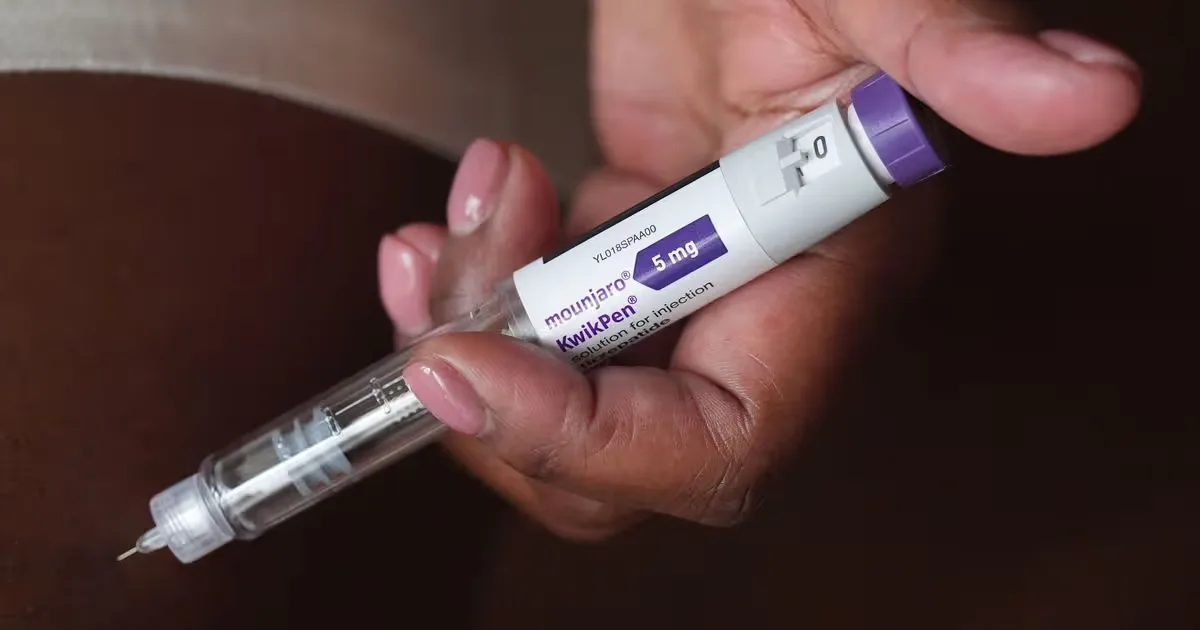
In a striking incident, Hertfordshire Police reported the theft of a large quantity of Mounjaro (tirzepatide) from Phoenix Healthcare Distribution in St Albans, UK, on a Saturday evening. This distributor supplies over 6,700 clients, including community pharmacies. Authorities are urging the public to buy only from reputable sources, emphasizing that these drugs require strict refrigeration and professional oversight.
This event isn't isolated. Demand for GLP-1 receptor agonists like Mounjaro, Ozempic, Wegovy, and Zepbound has skyrocketed due to their proven efficacy in weight management and type 2 diabetes control. But with shortages and high prices, a black market has emerged, posing serious health risks. As a specialist in peptide therapy and metabolic health, I'll guide you through understanding these drugs, the dangers of mishandled versions, and proven strategies for safe use.
What Is Mounjaro and How Do GLP-1 Drugs Work?
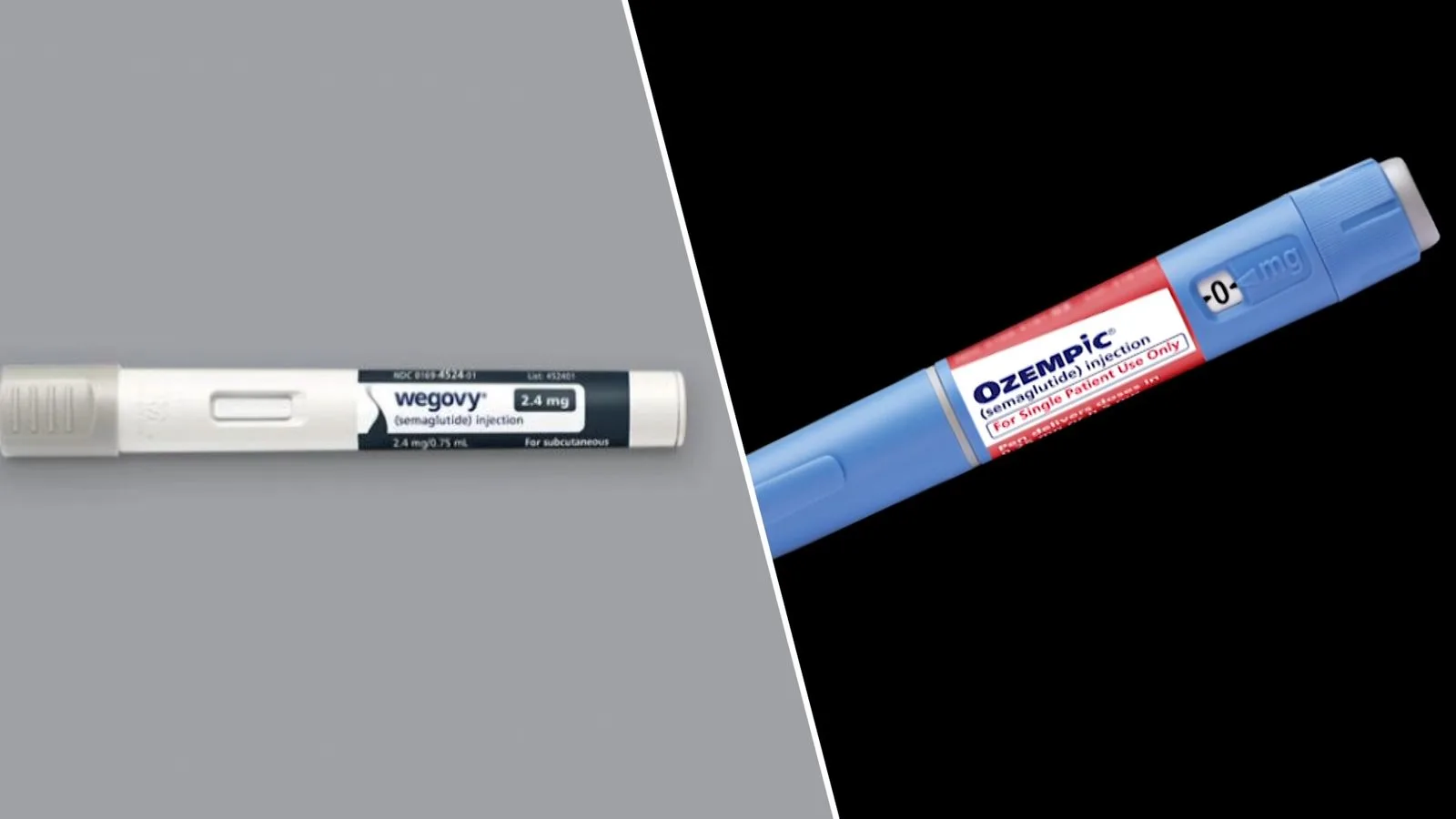
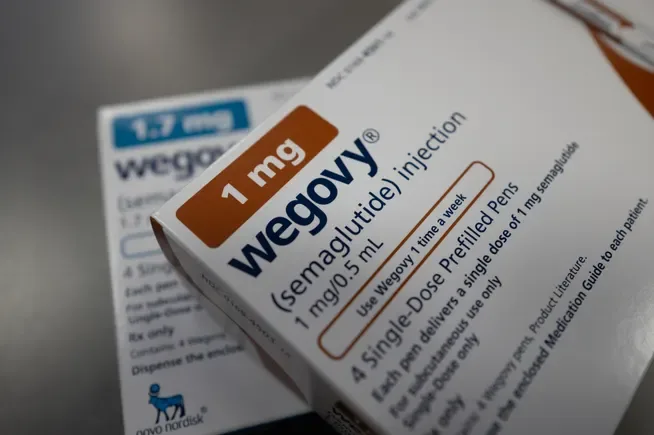
Mounjaro, developed by Eli Lilly, is tirzepatide—a dual agonist mimicking GLP-1 (glucagon-like peptide-1) and GIP (glucose-dependent insulinotropic polypeptide) hormones. Unlike single GLP-1 agonists like semaglutide (Ozempic/Wegovy), tirzepatide offers enhanced satiety signaling and blood sugar regulation.
These peptides slow gastric emptying, reduce appetite via brain signaling, and improve insulin sensitivity. Clinical trials like SURMOUNT-1 showed 15-20% average weight loss over 72 weeks at 15mg doses, outperforming semaglutide in head-to-head studies (SURPASS-2). For diabetes, SURPASS trials demonstrated superior A1C reductions.
Key Mechanism: GLP-1/GIP activation suppresses glucagon, promotes fullness, and curbs hepatic glucose output—ideal for obesity and metabolic syndrome.
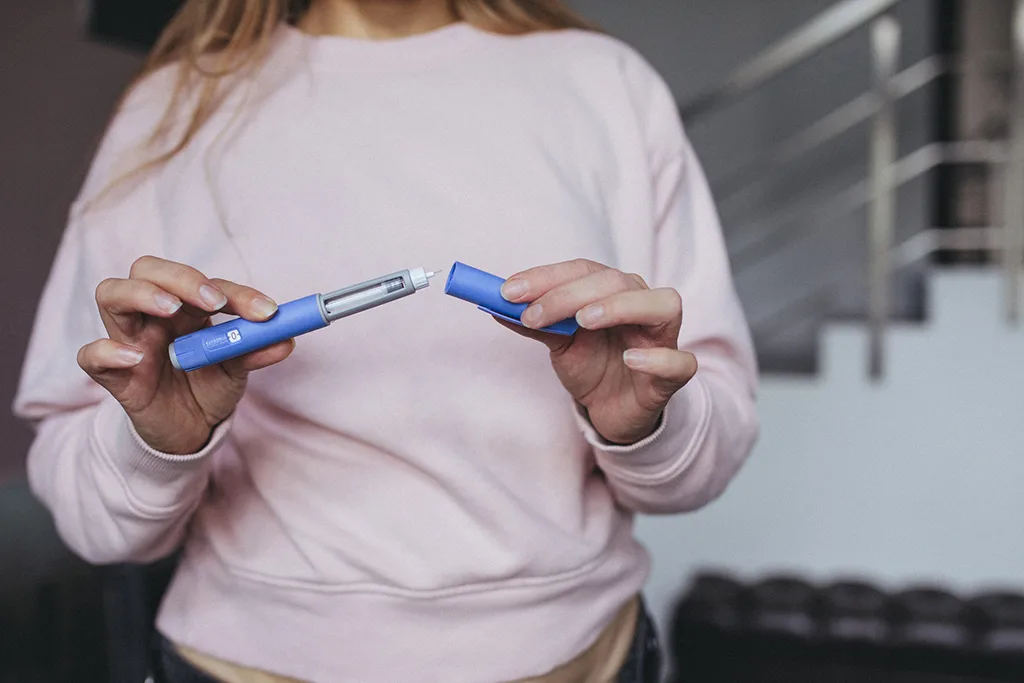
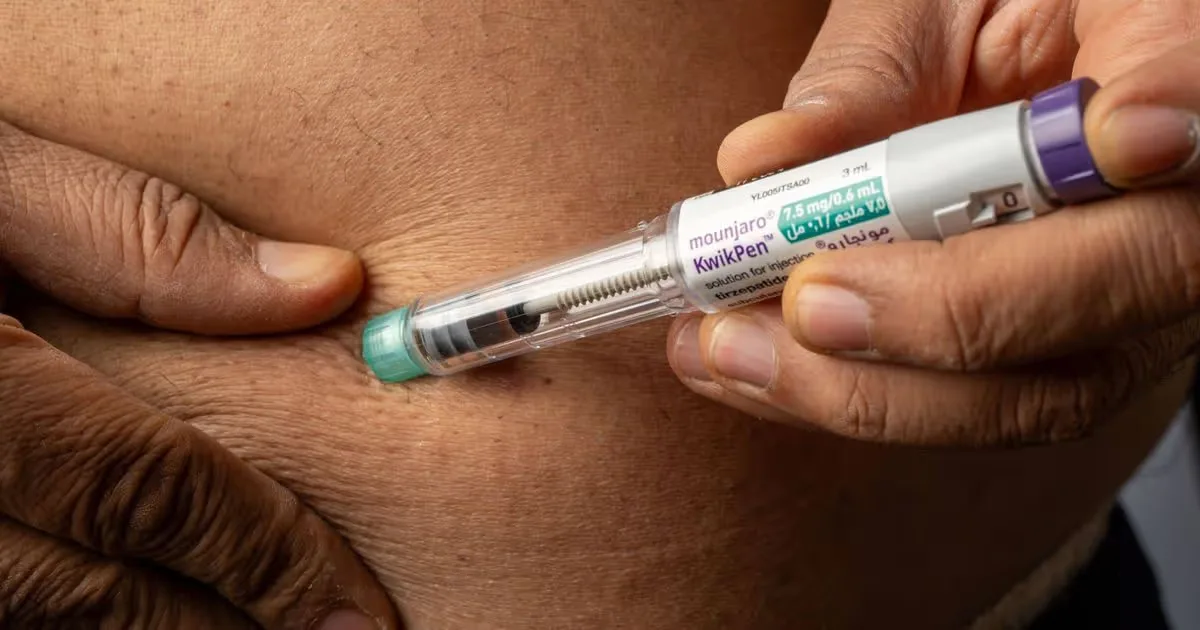
Weekly subcutaneous injections start at 2.5mg, titrating to 15mg. Always under medical supervision due to gastrointestinal side effects like nausea (20-40% incidence).
Comparing Mounjaro to Other GLP-1s
- Mounjaro/Zepbound (tirzepatide): Dual action; best weight loss (up to 22.5% in trials).
- Ozempic/Wegovy (semaglutide): GLP-1 only; 15% loss; more nausea initially.
Shortages amplify theft incentives, but patient safety demands vigilance.
Why Refrigeration Is Critical for Mounjaro Stability
GLP-1 peptides like tirzepatide are proteins prone to denaturation. Manufacturer guidelines specify 2-8°C (36-46°F) storage in original packaging. Unrefrigerated, efficacy drops; extremes cause aggregation or hydrolysis.
A 2023 study in Journal of Pharmaceutical Sciences found semaglutide loses 50% potency after 30 days at room temperature. Stolen drugs, exposed during transport, may be ineffective or toxic. Police warnings highlight this: "These drugs must be stored correctly and are dangerous if not administered properly."
Real-World Stability Data
- Fridge: 24 months shelf life.
- Room temp (<30°C): 21 days max post-first use.
- Frozen: Avoid—crystallization damages structure.
Counterfeit pens may contain incorrect doses or contaminants, risking infections or inefficacy.
Precision tracking for your journey
Join thousands using Shotlee to accurately track GLP-1 medications and side effects.
📱 Get the Shotlee App
Track your GLP-1 medications, peptides, and health metrics on the go with our mobile app!
Risks of Stolen, Counterfeit, or Black Market GLP-1 Drugs
Theft fuels underground sales at "unusually low prices," per Det Sgt Yolanda Morales-Willis. FDA reports confirm compounded semaglutide outbreaks—over 200 illnesses from bacterial contamination in 2023.
Dangers include:
- Reduced efficacy: Wasted treatment, rebound weight gain.
- Infection/overdose: Non-sterile needles or wrong concentrations.
- Toxicity: Adulterants like insulin mimics causing hypoglycemia.
In the UK/EU, MHRA seizures of fake Ozempic caused hospitalizations. A Danish study (2024) linked illicit semaglutide to 10-fold higher adverse events.
How to Safely Source Mounjaro and GLP-1 Medications
Prioritize prescriptions from licensed providers. Verify pharmacies via NABP (US) or GPhC (UK).
Step-by-Step Safe Buying Guide
- Consult a doctor: Get personalized Rx; telehealth like Ro or PlushCare if eligible.
- Use authorized pharmacies: Costco, Walgreens, or LillyDirect for Mounjaro savings cards (up to $25/month).
- Avoid: Social media sellers, unverified sites, or "research peptides."
- Check packaging: Holograms, lot numbers, expiry dates.
For shortages, FDA-authorized compounding is okay short-term—but only from 503B facilities.
Spotting Red Flags in Weight Loss Drug Purchases
- Unusually low prices (<$800/month).
- No prescription required.
- Unfamiliar companies or overseas shipping.
- Poor packaging, no refrigeration chain proof.
Report suspicions to police/FDA. Tools like Shotlee can help track symptoms, side effects, and nutrition post-purchase for safety.
Home Storage and Administration Best Practices
Once home:
- Store in fridge door away from freezer.
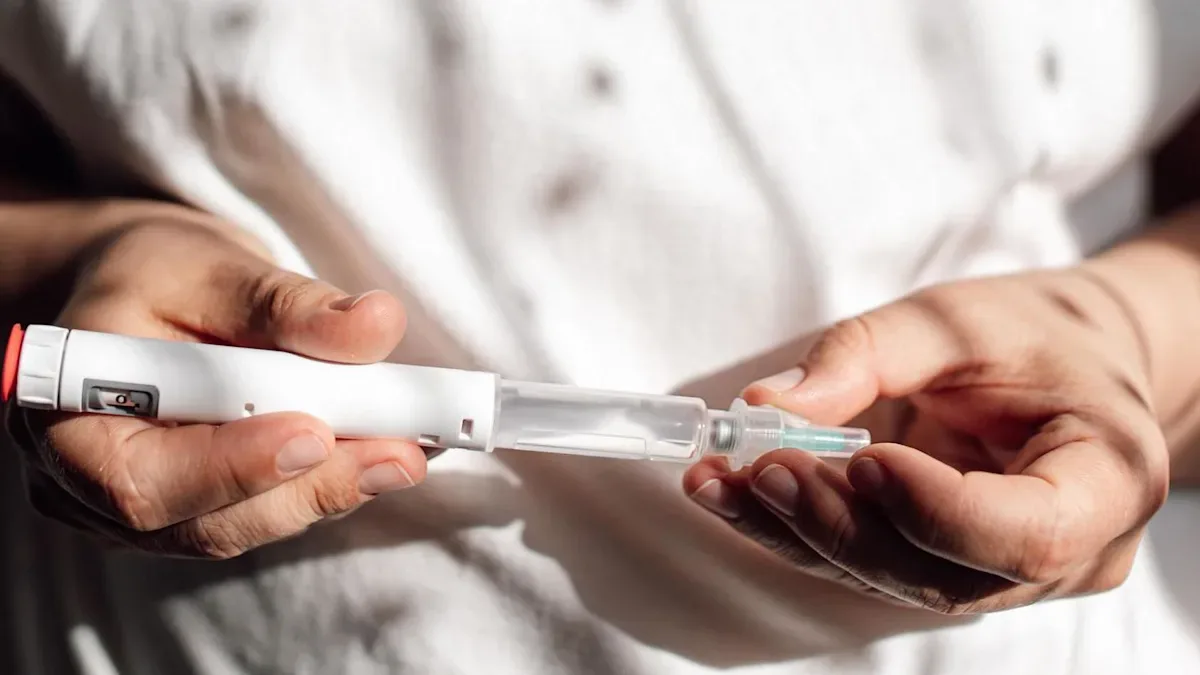
- Pre-filled pens: Room temp 1 hour before injecting.
- Site rotation: Abdomen, thigh, arm.
- Titrate slowly to minimize GI issues (eat small, protein-rich meals).
Pair with lifestyle: 150min/week exercise, 1.6g/kg protein. Studies show combined approaches sustain 10%+ loss long-term.
Managing Side Effects
Common: Nausea (peaks week 4). Proactive—ondansetron, hydration. Rare: Pancreatitis (monitor amylase). Shotlee apps excel at logging these for doctor reviews.
Conclusion: Empower Your Metabolic Health Journey
The Mounjaro theft exemplifies risks in the GLP-1 boom. By sourcing via professionals, verifying storage, and monitoring closely, you safeguard efficacy and health. Consult providers for tailored advice—evidence-based tools like tirzepatide transform lives when used correctly. Stay informed, stay safe.