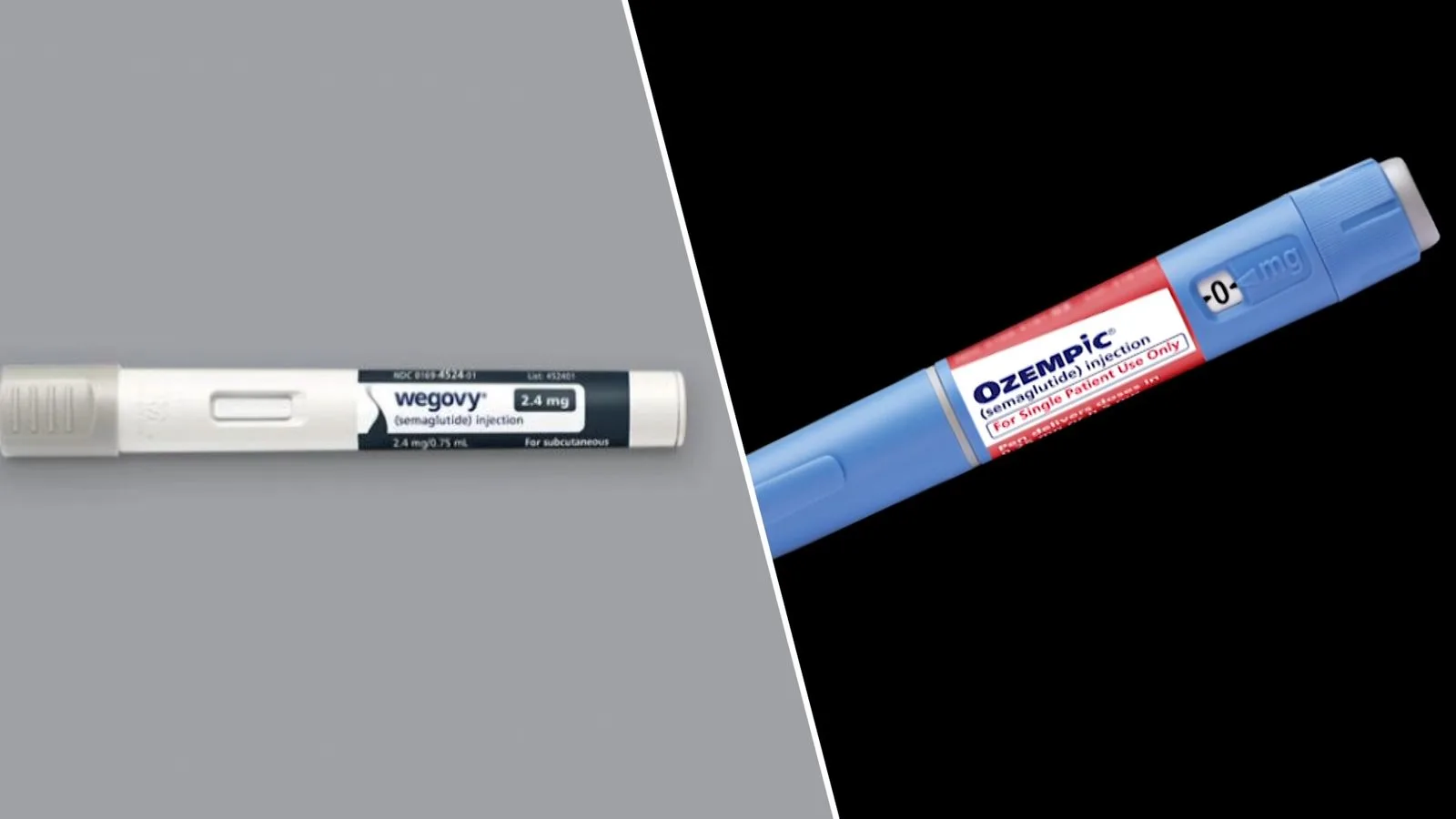

In the rapidly growing world of GLP-1 medications for diabetes and obesity management, safety remains paramount. North Carolina Poison Control is issuing a clear warning to GLP-1 drug users: exercise caution when taking these medications. Last year, the center averaged one to two calls per day about GLP-1 drugs, with 80 percent of those calls stemming from mistakes in administering the drug. This surge underscores the need for proper education on dosing and self-administration to prevent GLP-1 poisoning.
What Are GLP-1 Drugs and Why the Popularity Surge?
GLP-1 drugs, or glucagon-like peptide-1 receptor agonists, mimic a natural hormone that regulates blood sugar and appetite. They are primarily used to treat type 2 diabetes and obesity by slowing gastric emptying, promoting satiety, and improving insulin sensitivity. Common GLP-1 drug brand names include Ozempic, Wegovy, Trulicity, and Mounjaro. These medications are available in tablet form or through injections, though most popular versions like Ozempic and Wegovy are weekly injections.
The surge in popularity over the last few years is tied to their effectiveness in weight loss and cardiovascular benefits, alongside high-profile endorsements. However, this increased use has led to more inquiries at poison control centers, highlighting the importance of understanding how these drugs work to avoid errors.
How GLP-1 Drugs Work: A Quick Mechanism Overview
These medications activate GLP-1 receptors in the pancreas, brain, and gut. This action boosts insulin release when blood sugar is high, suppresses glucagon (which raises blood sugar), and delays stomach emptying to reduce post-meal spikes. For obesity, the appetite-suppressing effects lead to significant weight reduction. Proper dosing is critical because the therapeutic window can be narrow—too much can overwhelm the gastrointestinal system, leading to overdose symptoms.
NC Poison Control's GLP-1 Call Statistics and Common Mistakes
North Carolina Poison Control handled an average of one to two calls a day last year specifically about GLP-1 drugs. Alarmingly, 80 percent involved a mistake when administering the drug. While most cases resulted in mild outcomes, the center emphasizes awareness of GLP-1 poisoning dangers to prevent escalation.
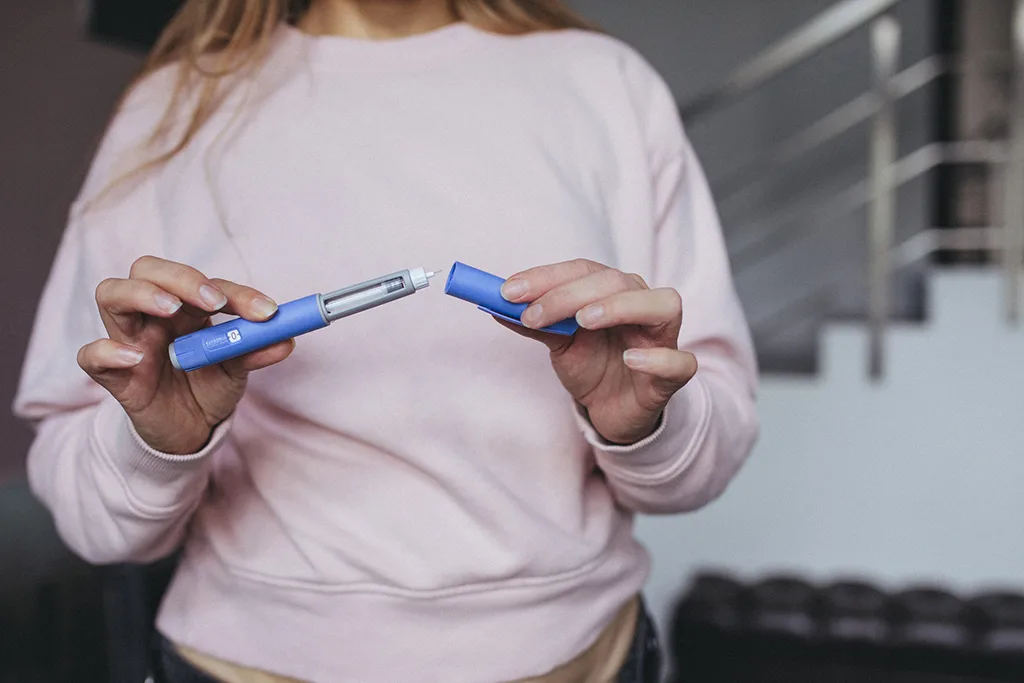
Common mistakes include incorrect measurement of doses, especially with injectable pens, or confusing weekly schedules. For instance, users might accidentally administer multiple doses or misuse the auto-injector devices. These errors are more prevalent among new users unfamiliar with the titration process, where doses start low and increase gradually to minimize side effects.
Symptoms of GLP-1 Poisoning
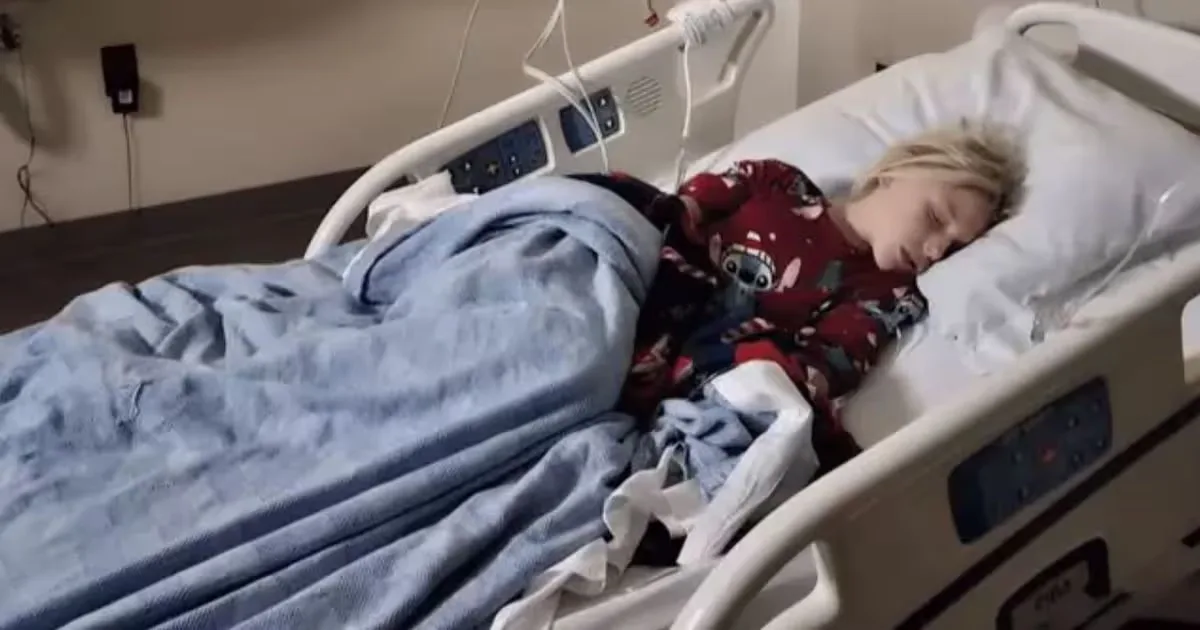
Overdose or improper use can trigger gastrointestinal distress, the hallmark of GLP-1 poisoning. Key symptoms include:
- Nausea
- Vomiting
- Diarrhea
- Stomach pain
In severe cases, dehydration from prolonged vomiting or diarrhea may require medical attention. Most incidents reported to NC Poison Control resolved mildly, but prompt recognition of these symptoms is essential. Patients experiencing them should contact their healthcare provider or poison control immediately (1-800-222-1222).
Precision tracking for your journey
Join thousands using Shotlee to accurately track GLP-1 medications and side effects.
📱 Get the Shotlee App
Track your GLP-1 medications, peptides, and health metrics on the go with our mobile app!
"People should be informed, not fearful, about GLP-1 medications," said Dr. Michael Beuhler, Medical Director of NC Poison Control. "Make sure you understand the dose and possible complications with your healthcare provider and clarify about how to measure and self-administer the medication to avoid an overdose."
Prevention Tips from NC Poison Control
To prevent GLP-1 medication poisoning, NC Poison Control recommends proactive steps centered on education and verification:
- Review dosing instructions thoroughly with your healthcare provider before starting.
- Practice measuring and self-administering under supervision if new to injections.
- Use tools like medication trackers or apps—such as Shotlee for logging doses and symptoms—to stay on schedule and spot issues early.
- Store medications properly, away from children, and double-check pens or tablets for correct strength.
- Titrate slowly as prescribed to build tolerance and reduce GI side effects.
Patients with diabetes or obesity considering GLP-1 therapy should discuss their full medical history, including GI conditions, to tailor treatment safely.
FDA Warnings on Compounded GLP-1 Drugs
The FDA echoes these concerns, particularly warning about dangers associated with GLP-1 drugs from online compounding pharmacies. Compounding alters or combines ingredients to customize medication, often during shortages or for allergies/incompatibilities. However, compounded GLP-1 drugs are not evaluated by the FDA for safety or effectiveness.
The FDA urges avoiding purchases from online retailers, especially unknown compounders, as these products may not meet quality standards. Stick to FDA-approved versions like Ozempic or Wegovy from licensed pharmacies to ensure purity and accurate dosing. Recent shortages have fueled compounding, but risks of contamination or incorrect potency make them hazardous.
Comparing FDA-Approved vs. Compounded GLP-1s
FDA-approved GLP-1s undergo rigorous testing for stability, dosing accuracy, and sterility. Compounded alternatives might use salt forms (e.g., semaglutide acetate vs. base) that behave differently, increasing overdose risk. For patients, this means prioritizing prescriptions from trusted sources and verifying authenticity.
Who Should Be Most Cautious with GLP-1 Drugs?
Ideal candidates are adults with type 2 diabetes or BMI ≥30 (or ≥27 with comorbidities). Caution is advised for those with a history of pancreatitis, thyroid cancer, or severe GI disorders. Elderly patients or those on multiple meds should monitor interactions—GLP-1s can delay absorption of oral drugs.
Discuss with your doctor: "Is this the right GLP-1 for me? How do I handle side effects?" Regular follow-ups help adjust doses safely.
Key Takeaways for GLP-1 Users
- NC Poison Control saw 1-2 daily GLP-1 calls last year; 80% from administration errors.
- Symptoms: nausea, vomiting, diarrhea, stomach pain—mostly mild but seek help if severe.
- Prevent with provider education on dosing and self-injection.
- Avoid compounded GLP-1s per FDA; use approved brands like Ozempic, Wegovy, Trulicity, Mounjaro.
- Track symptoms and doses diligently for safety.
Conclusion: Informed Use Ensures Safe Benefits
GLP-1 drugs offer transformative benefits for metabolic health, but NC Poison Control's warnings remind us: caution prevents pitfalls. By understanding administration, recognizing symptoms, and sourcing FDA-approved products, users can minimize risks. Consult your healthcare provider for personalized guidance, and consider symptom-tracking tools to stay proactive. Safe use maximizes the potential of these medications without fear.