
Mounjaro Shortage Harms Patients Amid Diet Craze: Supply Crisis
Mounjaro shortage is intensifying, particularly for the 5mg product, as dieting enthusiasm drives up demand for this obesity treatment containing tirzepatide. Patients relying on it for metabolic conditions like diabetes and obesity are bearing the brunt, unable to secure prescriptions amid the supply instability.
The Growing Mounjaro Supply Crisis Explained
Mounjaro (tirzepatide) is a dual GLP-1 and GIP receptor agonist approved for obesity and type 2 diabetes management. It promotes significant weight loss and glycemic control by mimicking gut hormones that regulate appetite, insulin secretion, and glucose metabolism. Treatment typically starts at 2.5mg, titrating to 5mg after four weeks—a step now bottlenecked by shortages.
According to reporting compiled on the 12th, supply instability for the 5mg product intensified from last month. By early March, medical institutions in Seoul struggled to prescribe it. Inquiries on the 11th with clinics near Jongno 5-ga pharmacy district revealed: "if we are quick, the drug may come in around the 15th of this month, but it will take at least until the end of March for supply to stabilize." Many pharmacies posted notices: 'All strengths of Mounjaro out of stock'.
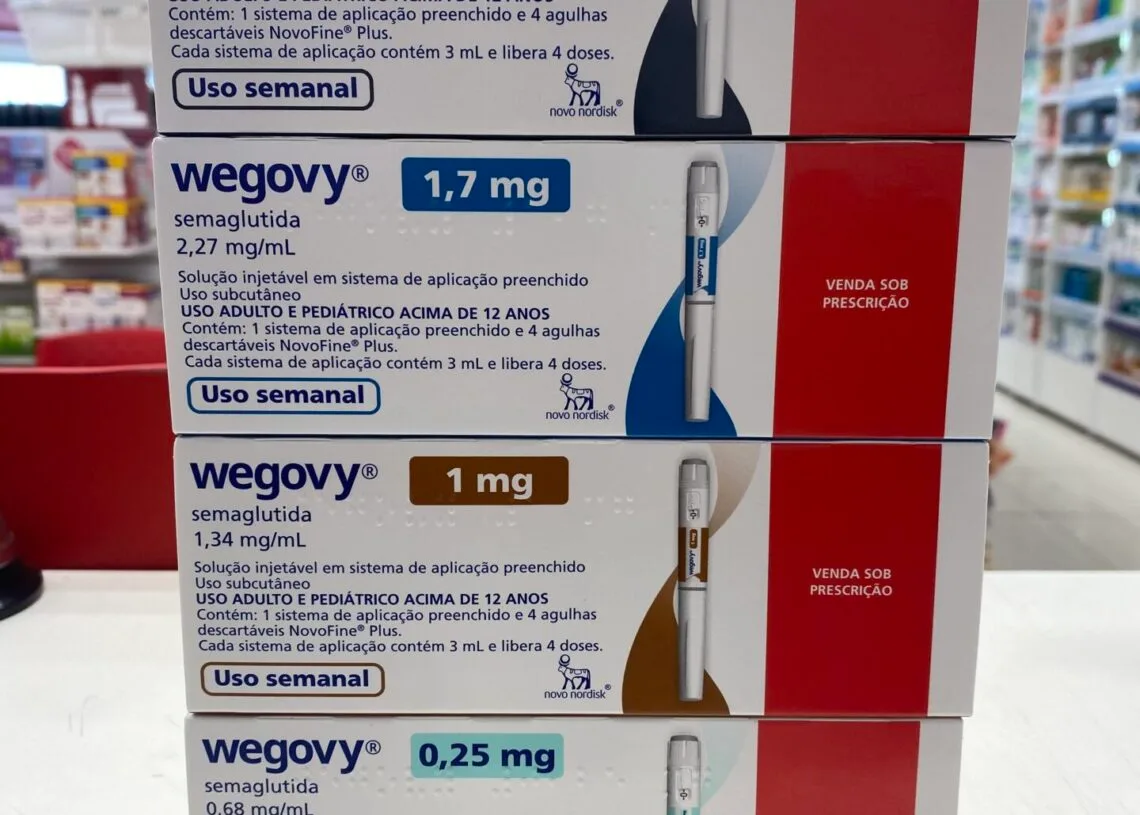
The pharmaceutical data analysis platform BRP Insight shows the supply index for Mounjaro 2.5mg and 5mg remained in the 'unstable' range throughout February. Demand spiked as new year dieters progressed from the 2.5mg titration dose to 5mg, fueled by rumors of Mounjaro's superior weight-loss efficacy compared to Wegovy (semaglutide).
Why Demand is Surging: Dieting vs. Medical Need
As more people seek obesity treatments for dieting, supply concentrates on aesthetic goals rather than therapeutic ones. Mounjaro, as a non-reimbursed drug, isn't managed by the government for supply, exacerbating the issue. Manufacturer Eli Lilly stated, "we do not make separate allocations by medical institution," but added, "we are asking wholesalers to cooperate so that supply can reach tertiary hospitals that must manage obesity together with comorbidities."
This mirrors global trends where GLP-1 agonists like tirzepatide face off-label use pressures, but in Korea, the non-reimbursed status leaves patients distressed by combined cost burdens and instability.
Impact on Patients with Metabolic Diseases
Patients needing Mounjaro for diabetes or obesity suffer most. These individuals often have comorbidities like hyperlipidemia or elevated liver enzymes, where tirzepatide's multi-hormonal action provides targeted benefits: reducing HbA1c, improving lipid profiles, and aiding weight loss to mitigate cardiovascular risks.
A Real Patient Story: Mr. A's Experience
An office worker in his 40s, Mr. A, started Mounjaro for diabetes treatment in late last year with remarkable results. Within a month, his HbA1c dropped from 6.5% to 5.8%, liver enzymes normalized, hyperlipidemia markers improved, and he lost about 10kg alongside better eating habits.
"Although some costs are reimbursed by his indemnity insurance, the drug price of about $375 (500,000 KRW) per month was a heavy burden, and supply instability made it difficult to continue treatment," Mr. A said. "It would be good if National Health Insurance were applied even if the copay were set a bit higher."
Mr. A halted treatment at the end of last month, highlighting how shortages disrupt proven therapies. For patients like him, consistent access is crucial to sustain metabolic improvements.
Cost and Coverage Challenges
Mounjaro's non-reimbursed status means full out-of-pocket costs, around 500,000 KRW monthly, deterring adherence. Voices call for National Health Insurance (NHI) coverage, especially for treatment purposes in severe obesity and metabolic diseases.
Precision tracking for your journey
Join thousands using Shotlee to accurately track GLP-1 medications and side effects.
📱 Get the Shotlee App
Track your GLP-1 medications, peptides, and health metrics on the go with our mobile app!
Discussions progress slowly. Since last month, Ozempic (semaglutide) gained NHI coverage for some diabetes patients. Mounjaro, approved for diabetes, is in price negotiations but limited to a "very small subset" under strict criteria, criticized by the medical community as out of touch.
Government and pharma remain cautious on obesity indications due to upcoming new drugs, potential price cuts under coverage, and misuse fears. Eli Lilly sees little incentive for obesity coverage applications, as current demand suffices without reimbursement mandates.
Expert Perspective
Kim Dae-jung, professor of endocrinology at Ajou University Hospital, emphasized: "Obesity is a disease and an issue that the state must manage," adding, "it is necessary to seek policy support measures starting with groups with high treatment needs, such as obese patients with metabolic comorbidities or low-income children·adolescents with obesity."
Clinical Background: How Mounjaro Works for Metabolic Health
Tirzepatide's dual agonism on GLP-1 and GIP receptors offers advantages over single GLP-1 drugs like Wegovy. Clinical trials (e.g., SURMOUNT and SURPASS) demonstrate 15-20% weight loss and superior A1c reductions, explaining its popularity—and shortages.
For diabetes patients, it addresses insulin resistance and postprandial glucose spikes. In obesity with comorbidities, it reduces inflammation and ectopic fat, benefiting liver and cardiovascular health. However, titration prevents GI side effects like nausea, making the 5mg step critical.
Safety Considerations During Shortages
Common side effects include nausea, diarrhea, and injection-site reactions, typically mild and dose-dependent. Patients switching doses or pausing therapy risk rebound effects. Consult endocrinologists before alternatives; tools like Shotlee can help track symptoms and schedules during instability.
Comparisons: Mounjaro vs. Wegovy and Ozempic
Mounjaro shows greater weight loss in head-to-head data versus Wegovy, driving demand shifts. Ozempic's recent NHI coverage for diabetes sets a precedent, but Mounjaro's broader mechanism positions it strongly—once accessible.
- Mounjaro (tirzepatide): Dual agonist, weekly injection, starting 2.5mg.
- Wegovy (semaglutide): GLP-1 only, higher doses for obesity.
- Ozempic: Same as Wegovy but diabetes-focused, now partially reimbursed.
Practical Guidance for Patients
If facing Mounjaro shortages:
- Discuss alternatives like Ozempic with your doctor, prioritizing metabolic needs.
- Explore indemnity insurance or compounding options where legal.
- Monitor tertiary hospitals for prioritized supply.
- Track progress with apps to discuss data at follow-ups.
Advocate for policy changes by sharing stories like Mr. A's.
Key Takeaways: What This Means for Patients
- Mounjaro 5mg shortages stem from dieting demand, harming diabetes/obesity patients.
- Supply instability persists into late March in Seoul areas.
- Costs (~500,000 KRW/month) and lack of NHI coverage compound issues.
- Calls grow for targeted reimbursement to prioritize medical use.
- Consult specialists; maintain titration schedules where possible.
Conclusion: Urging Action on Access
The Mounjaro shortage underscores the tension between dieting trends and therapeutic equity. Preserving access for metabolic patients requires policy shifts toward NHI coverage for high-need groups. Stay informed, consult providers, and support systemic changes for sustainable supply.