
The Growing Demand for Weight Management Solutions
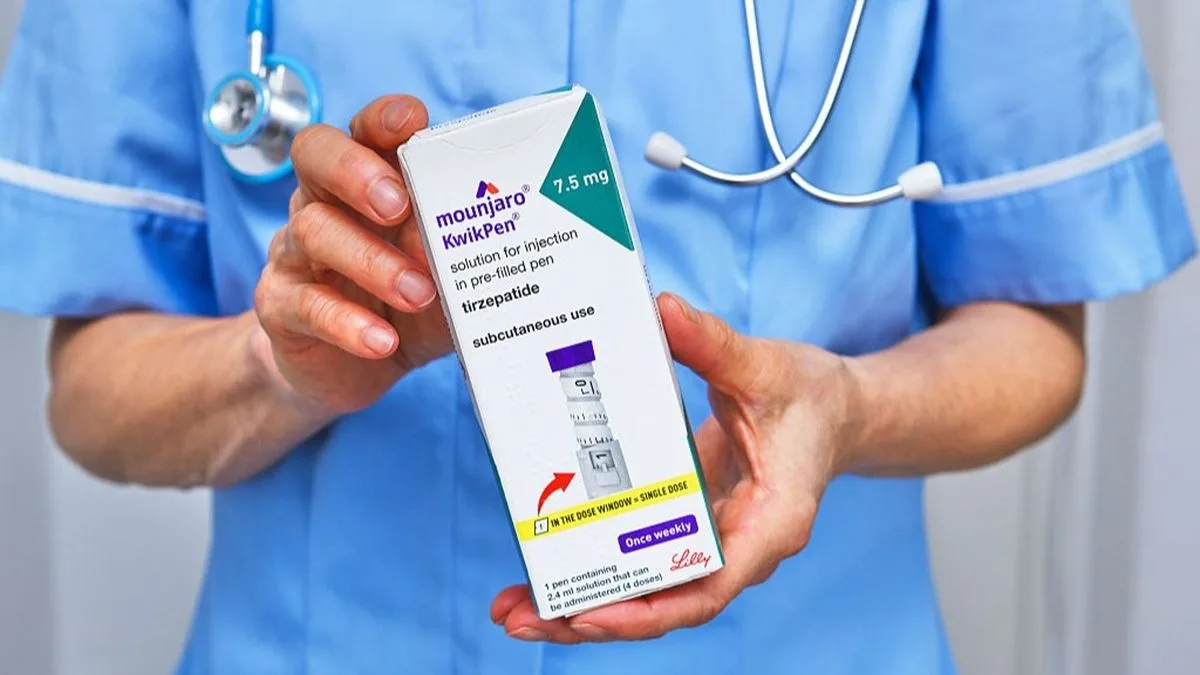
In recent years, the landscape of weight management has been significantly reshaped by innovative medications like Mounjaro (tirzepatide), Wegovy (semaglutide), and Zepbound (tirzepatide). These medications, often referred to as GLP-1 receptor agonists or peptide therapies, have shown remarkable efficacy in aiding weight loss and managing conditions like Type 2 Diabetes. In the UK alone, an estimated 1.6 million adults have utilized such treatments in the past year. However, access to these powerful tools, particularly Mounjaro, is not as straightforward as a simple BMI calculation. The National Health Service (NHS) in the UK has begun a phased rollout of Mounjaro, a process that highlights the intricate considerations involved in prescribing these advanced therapies.
Understanding Mounjaro (Tirzepatide) and Its Mechanism
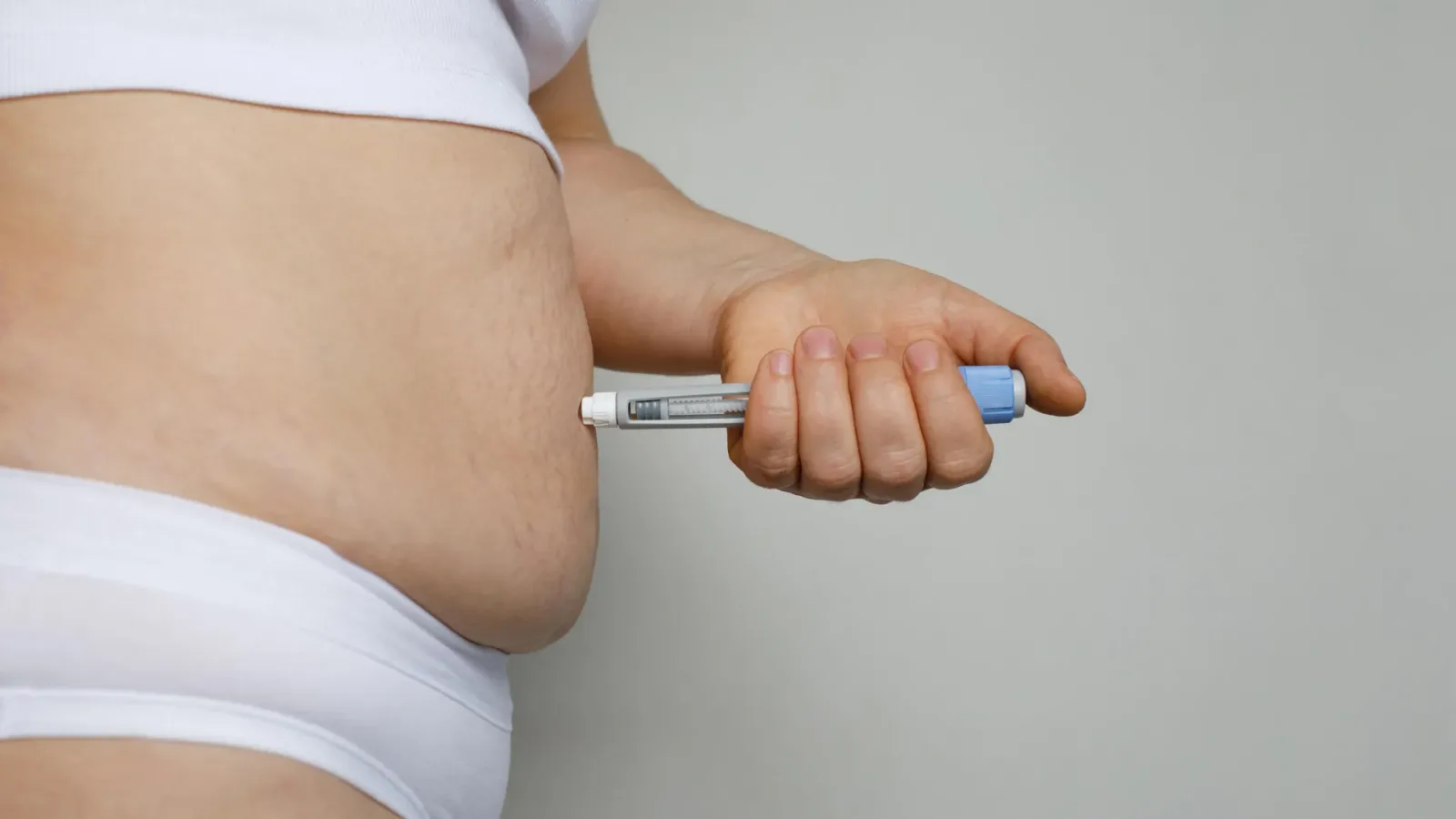
Mounjaro, with its active ingredient tirzepatide, is a prescription injection designed to assist with weight management and treat certain individuals with Type 2 Diabetes. Its mechanism of action is sophisticated, mimicking the body's natural hormones that regulate appetite and blood sugar levels. By stimulating these pathways, Mounjaro helps individuals feel fuller for longer, leading to reduced food intake and, consequently, potential weight loss. This dual action makes it a valuable tool for those struggling with obesity and related metabolic conditions.
The NHS's phased introduction of Mounjaro, which commenced in June 2025, is a strategic approach to manage the anticipated high demand and address funding pressures. This rollout is expected to span several years, with an estimated 220,000 patients accessing treatment within the first three years, and a full rollout potentially taking up to 12 years. This extended timeline underscores the careful planning and resource allocation required for such a significant medical initiative.
Beyond the Numbers: Comprehensive Eligibility Criteria
A common misconception is that eligibility for medications like Mounjaro is solely determined by Body Mass Index (BMI). While BMI remains an important factor, healthcare providers assess a much broader spectrum of health indicators to ensure patient safety and treatment efficacy. This holistic approach is crucial, especially given the potency of these medications and the potential for interactions with existing health conditions or other treatments.
Key Factors Influencing Eligibility:
- Pregnancy and Breastfeeding: Due to limited safety data regarding the medication's effects on pregnant individuals and developing infants, Mounjaro is typically not prescribed to those who are pregnant or breastfeeding.
- Mental Health History: Individuals with a history of eating disorders, such as anorexia nervosa or binge eating disorder, may be considered unsuitable. The appetite-suppressing effects of Mounjaro could potentially exacerbate these conditions.
- Concurrent Medications: Patients currently taking other GLP-1 medications, anti-obesity treatments, or certain diabetes drugs may be refused Mounjaro due to potential safety risks and drug interactions.
- Digestive Health: Pre-existing severe gastrointestinal disorders can be a contraindication, as Mounjaro's effect of slowing digestion could worsen these conditions.
- Organ Function and Medical History: Severe kidney or liver problems, a history of pancreatitis, or specific diabetes management plans can lead to additional scrutiny or ineligibility.
Crystal Wyllie, clinical lead at ZAVA, highlights this common misunderstanding: "A lot of patients are coming to us expecting a fairly straightforward yes or no based on BMI alone, largely because that's how weight loss jabs are often discussed online. But in reality, eligibility has never been that simple." She further explains that the increased demand has made the assessment process more visible, leading to surprise when additional checks are applied. This creates an "expectation gap" where patients anticipate easier access than the comprehensive clinical evaluation allows.
The Role of BMI and Weight-Related Conditions
While not the sole determinant, BMI remains a significant consideration. For many private providers, a BMI of 30 or higher is often required. Alternatively, a BMI of 27 or higher may be acceptable if accompanied by significant weight-related health conditions, such as high blood pressure, sleep apnea, or dyslipidemia. This nuanced approach acknowledges that individuals with a lower BMI but co-existing health issues may still benefit significantly from weight management interventions.
Precision tracking for your journey
Join thousands using Shotlee to accurately track GLP-1 medications and side effects.
📱 Get the Shotlee App
Track your GLP-1 medications, peptides, and health metrics on the go with our mobile app!
Navigating the Prescribing Process and Managing Expectations
The increased visibility of eligibility requirements, driven by high demand for medications like Mounjaro, Ozempic, and Wegovy, has brought to light the complexities of safe prescribing. Clinicians are tasked with a broader view of patient safety and suitability, which can lead to a disconnect with patient expectations. It's not necessarily about stricter rules, but rather a more thorough understanding of what responsible medical practice entails when dealing with powerful therapeutic agents.
For individuals considering Mounjaro or similar peptide therapies, understanding these multifaceted eligibility criteria is paramount. Tracking your health data, including BMI, weight changes, blood sugar levels, and any existing medical conditions, can empower you to have informed discussions with your healthcare provider. Tools like Shotlee can be invaluable in meticulously documenting these metrics, providing a clear picture of your health journey and aiding in the assessment process.
Potential Risks and Considerations
Like all medications, Mounjaro carries potential risks and side effects. Common side effects include nausea, vomiting, diarrhea, and constipation, often experienced during the initial stages of treatment. More serious, though less common, risks can include:
| Potential Risk | Description |
|---|---|
| Pancreatitis | Inflammation of the pancreas, which can cause severe abdominal pain. A history of pancreatitis is a significant contraindication. |
| Gallbladder Problems | Including gallstones or cholecystitis. Rapid weight loss can increase this risk. |
| Kidney Problems | Dehydration from gastrointestinal side effects can exacerbate existing kidney issues or lead to acute kidney injury. |
| Hypoglycemia | Low blood sugar, particularly when used in combination with certain diabetes medications like sulfonylureas or insulin. |
| Allergic Reactions | Though rare, severe allergic reactions can occur. |
It is essential for patients to have an open and honest dialogue with their doctor about their full medical history, including any family history of certain conditions, to mitigate these risks. Regular monitoring and adherence to prescribed dosages are crucial for a safe and effective treatment experience.
Practical Takeaways for Patients
If you are considering Mounjaro or other GLP-1 medications for weight management or diabetes control, keep these points in mind:
- Be Transparent: Disclose your complete medical history, including mental health conditions and any current medications, to your healthcare provider.
- Understand the Criteria: Eligibility extends beyond BMI and involves a comprehensive health assessment.
- Manage Expectations: The rollout is phased, and approval is not guaranteed.
- Track Your Progress: Utilize tools to monitor your health metrics, which can be beneficial for your doctor's assessment and your own understanding.
- Ask Questions: Don't hesitate to clarify any doubts about the medication, its benefits, risks, and the prescribing process.
Conclusion
The journey to accessing advanced weight management medications like Mounjaro is multifaceted, extending far beyond a simple BMI measurement. The NHS's phased rollout and the stringent assessment criteria employed by healthcare providers underscore a commitment to patient safety and optimal treatment outcomes. By understanding the comprehensive health factors that influence eligibility, patients can engage in more informed discussions with their doctors and navigate the process with realistic expectations. As these therapies continue to evolve and become more accessible, a thorough understanding of their application and the criteria for their use remains paramount for both patients and clinicians.