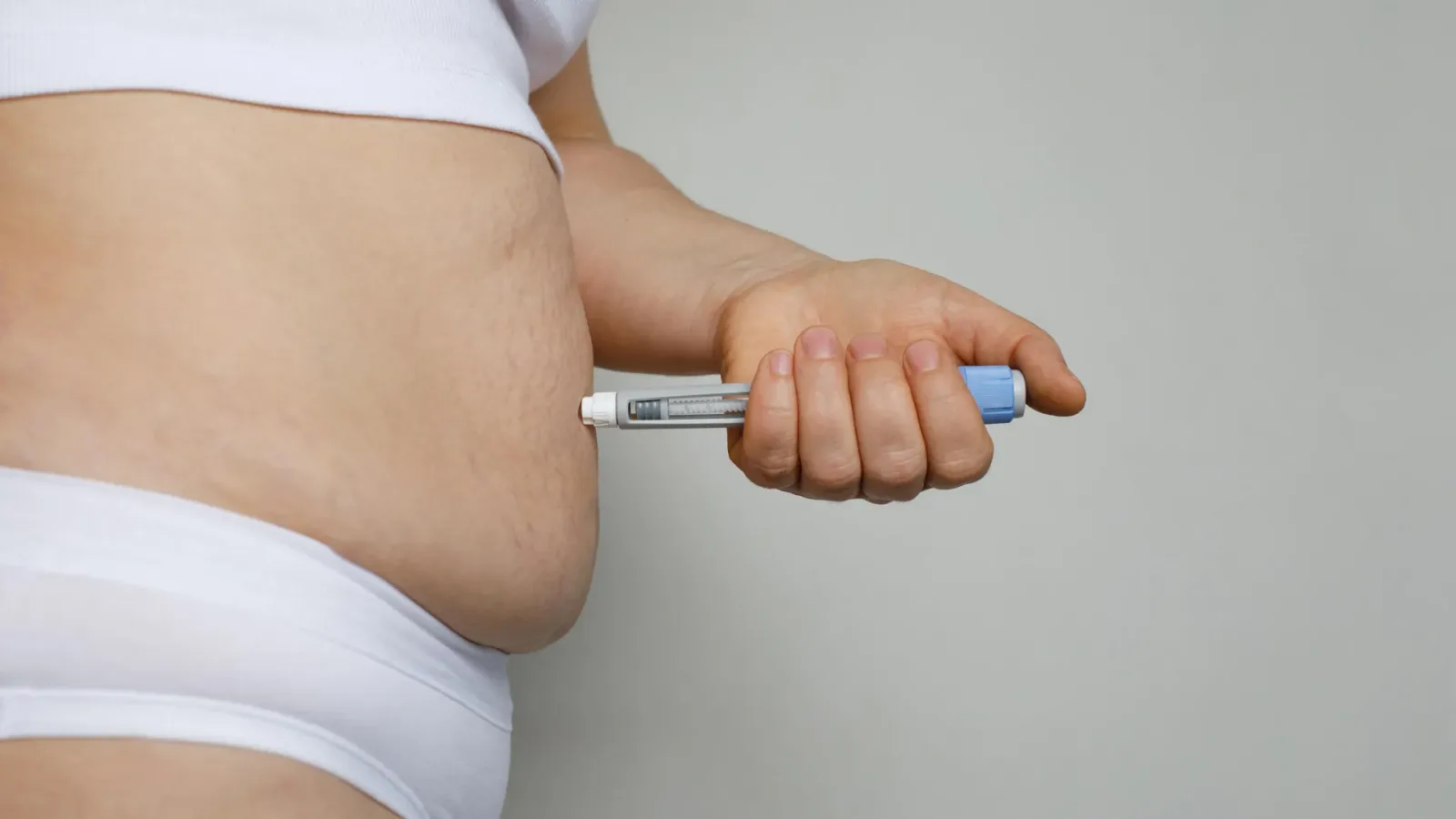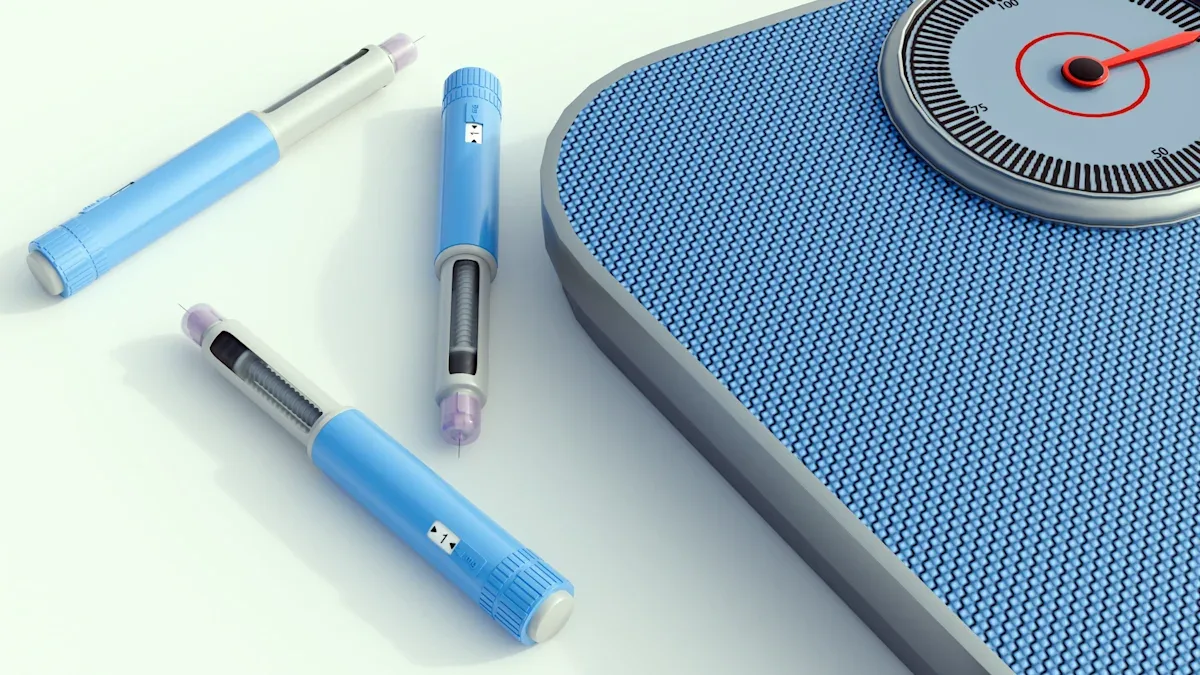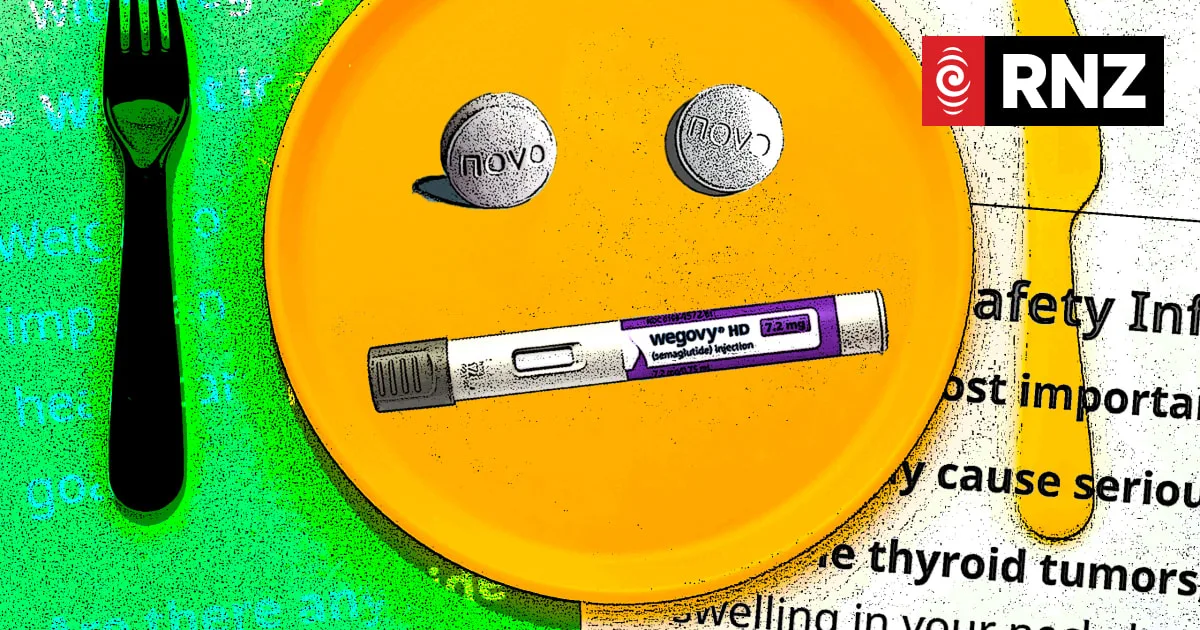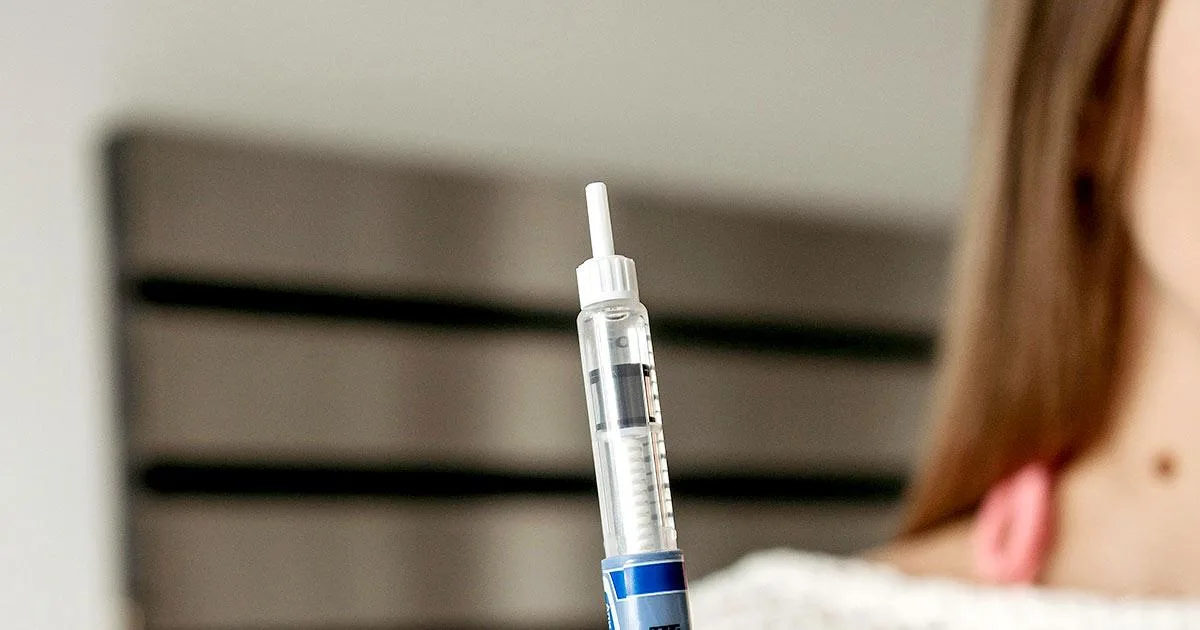

The allure of a dramatic pre-wedding transformation is powerful, especially in an era saturated with curated social media feeds showcasing seemingly effortless physical perfection. This has led to a growing trend of individuals, particularly brides-to-be, exploring prescription medications like Mounjaro and Ozempic for rapid weight loss. While these drugs have shown remarkable efficacy in managing diabetes and obesity, their use for purely cosmetic pre-wedding goals raises significant medical and ethical questions. Dr. Kashish Gupta, an endocrinologist, sheds light on why this trend is gaining traction, who these medications are truly intended for, and the potential pitfalls of chasing a 'bridal glow' with powerful prescription drugs.
The Rise of 'Bridal Weight Loss' Packages
Dr. Gupta has observed a notable increase in patients seeking medical interventions for weight loss, a trend that extends beyond brides to include grooms as well. While these medications have been popular internationally for some time, their accessibility and awareness are rapidly growing in India. The introduction of more affordable generic versions, coupled with pervasive social media influence, has made them a more visible option for those looking to shed pounds.
For many brides, the motivation is deeply rooted in societal and peer pressure to achieve a specific aesthetic for their wedding day. "For brides, yes, it is definitely cosmetic pressure, the peer pressure to look good in their lehengas on the day of the wedding," Dr. Gupta explains. The perceived speed and effectiveness of these medications make them seem like a convenient shortcut compared to the time and effort required for sustained lifestyle changes.
Why 'Quick Fix' Temptations Emerge
The urgency of a wedding timeline can amplify the desire for rapid results. "They feel this is an easy way out to shed weight fast before marriage," she notes. Traditional methods involving diet and exercise, while sustainable and healthy, demand consistency and patience. When a wedding date looms, the appeal of a medication that promises faster weight reduction becomes understandably strong.
'Mounjaro Brides' and the Red Flags of Unqualified Clinics
Dr. Gupta strongly criticizes the emergence of clinics and centers marketing specialized "Mounjaro Brides" or rapid bridal weight-loss packages. She emphasizes that these medications are not intended for aesthetic enhancement and should not be prescribed or managed by individuals without the necessary medical expertise.
"I don't think these packages are medically appropriate at all, especially if they are being marketed by aestheticians, gym trainers or people who are not qualified for weight-loss treatment."
She highlights that these are serious prescription medications with significant metabolic implications. The packaging itself often carries a warning: "On the Mounjaro pen itself, there's a red-box warning saying this medicine should be prescribed only under the guidance of an endocrinologist or internal medicine specialist." The proliferation of such packages, Dr. Gupta believes, exploits individuals' insecurities about their appearance and the pressures associated with major life events like weddings.
What Brides Should Watch Out For
A primary concern is the ease with which these drugs can be obtained outside of legitimate medical channels. "This should not be taken over the counter," Dr. Gupta warns. She has encountered situations where medications are dispensed directly by chemists or pharmacists without a proper prescription or medical evaluation.
Furthermore, any clinic promising dramatic weight loss within unrealistic timelines should be viewed with extreme caution. "If they are guaranteeing a certain amount of weight loss in a very short time, that's a red flag. That is completely false and unreliable." A responsible medical evaluation for these medications should encompass:
- A thorough Body Mass Index (BMI) and obesity assessment.
- Comprehensive blood tests to evaluate overall health and identify any underlying conditions.
- A detailed discussion about potential long-term risks and side effects.
- Screening for hormonal imbalances or other contributing factors to weight gain.
- Integrated lifestyle counseling that includes diet and exercise recommendations.
"GLP-1 medication is not the answer for every obesity case," Dr. Gupta stresses. "The root cause of the weight gain has to be evaluated first." This underscores the importance of a personalized medical approach rather than a one-size-fits-all solution.
Who is Mounjaro and Similar Medications Truly For?
Mounjaro (tirzepatide) and other GLP-1 receptor agonists were initially developed and approved for the management of type 2 diabetes. Their significant impact on appetite regulation and glucose control led to their subsequent approval for chronic weight management in individuals with obesity or overweight with at least one weight-related comorbidity.
Indications for Prescription
Dr. Gupta clarifies that these medications are approved for patients diagnosed with obesity, whether or not they also have diabetes. They can be particularly beneficial for individuals managing obesity-related health issues such as:
- Polycystic Ovary Syndrome (PCOS)
- High cholesterol
- Non-alcoholic fatty liver disease (NAFLD)
- Hypertension (high blood pressure)
- Insulin resistance
It is crucial to reiterate that these drugs are intended as treatments for medical conditions with metabolic implications, not as cosmetic tools for temporary slimming. "It is a proper disease treatment with metabolic implications, not an aesthetic medicine to just look slim."
The Perils of 'Quick Wedding Weight Loss'
The idea of using these powerful medications for short-term wedding goals is strongly discouraged by medical professionals like Dr. Gupta. The efficacy of these drugs in promoting sustained weight loss is a gradual process, typically unfolding over six months to a year.
Precision tracking for your journey
Join thousands using Shotlee to accurately track GLP-1 medications and side effects.
📱 Get the Shotlee App
Track your GLP-1 medications, peptides, and health metrics on the go with our mobile app!
Why Short-Term Use Backfires
Attempting to achieve significant weight loss in a few months is not only medically unsound but can also lead to adverse outcomes. "These medicines are not supposed to be given for short durations," she explains. Stopping the medication prematurely can result in rebound weight gain, negating any progress made.
Furthermore, rapid weight loss itself, regardless of the method, can pose health risks:
- Muscle Mass Loss: Rapid reduction in body weight can lead to a decrease in lean muscle mass, impacting strength and metabolism.
- Bone Health: Significant and rapid weight loss can sometimes affect bone density.
- Skin Elasticity: Rapid changes can lead to skin laxity.
- Gallstones: A well-documented risk associated with rapid weight loss is the increased incidence of gallstones.
Manageable Side Effects During a Crucial Time
The common side effects associated with GLP-1 receptor agonists can be particularly disruptive during the high-stress period of wedding preparations and the event itself. These can include:
- Nausea
- Vomiting
- Gastritis (stomach inflammation)
- Constipation
- Diarrhea
- Dehydration
"These complications can become very troublesome while preparing for a wedding," Dr. Gupta notes. If a wedding is only a month or two away, initiating these medications makes little practical sense, as the risk of experiencing side effects during critical wedding functions or on the wedding day itself is high.
Fertility, Pregnancy, and Responsible Planning
For women with obesity and associated hormonal imbalances like PCOS, these medications can sometimes have a positive impact on fertility by helping to regulate menstrual cycles and improve metabolic health. This can be a beneficial side effect for those planning conception.
However, there is a critical caveat: these medications are not approved for use during pregnancy. Women planning to conceive should stop these medications at least two to three months prior to attempting conception to ensure safety for both mother and fetus. Brides who intend to start a family immediately after marriage should exercise extreme caution and consult their doctor thoroughly before considering such treatments close to their wedding date.
A Health-First Approach to Wedding Wellness
Dr. Gupta advocates for a health-conscious and realistic approach to weight management, especially for those with upcoming weddings. The timeline is a crucial factor in determining the suitability of any weight-loss strategy.
When Medical Intervention Might Be Considered
If a bride has a substantial lead time – approximately seven to eight months before the wedding – and medically qualifies for these medications, then under strict medical supervision, they can be considered as part of a comprehensive plan that includes significant lifestyle modifications. This integrated approach ensures that weight loss is managed safely and effectively.
Alternatives for Shorter Timelines
For those with shorter timelines, Dr. Gupta advises against any form of "crash" methods, including extreme dieting or rapid weight-loss medications. "I would not advise crash dieting either. That's going to cause more harm than benefit."
Instead, she recommends focusing on sustainable, evidence-based strategies:
- Professional Guidance: Consult a qualified nutritionist or registered dietitian for personalized dietary plans.
- Calorie Management: Adopt a sustainable calorie deficit that supports gradual weight loss.
- Regular Exercise: Incorporate a balanced fitness routine that includes cardiovascular activity and strength training.
- Gradual, Maintainable Loss: Aim for steady, consistent weight loss that is more likely to be maintained long-term.
Dr. Gupta's overarching advice for brides-to-be is to prioritize their overall health and well-being. "Don't chase unrealistic expectations or compare yourself to social media transformations. Focus on your health first, not just the number on the scale before the wedding." This mindset shift is key to achieving not just a wedding-day look, but lasting health and confidence.
For those embarking on a weight management journey, tracking progress, symptoms, and medication adherence can be invaluable. Tools like Shotlee can help individuals meticulously record their experiences, share data with their healthcare providers, and stay accountable to their health goals, ensuring a safer and more informed approach to any medical treatment.
Conclusion
The trend of using powerful weight-loss medications like Mounjaro for pre-wedding transformations highlights a societal pressure to achieve an idealized physique rapidly. However, medical professionals strongly caution against this approach. These drugs are designed for treating chronic medical conditions, not for short-term cosmetic goals. Their use demands rigorous medical evaluation, specialist supervision, and a commitment to gradual, sustainable lifestyle changes. Focusing on holistic health, consulting qualified professionals, and setting realistic expectations are paramount for any bride-to-be seeking to look and feel her best, not just for the wedding day, but for a lifetime.