
Karren Brady's Weight Loss Journey: Beyond the Ozempic Speculation
Karren Brady, the formidable businesswoman, The Apprentice star, and member of the House of Lords, has undergone a noticeable physical transformation in recent years. At 56, the mother-of-two and grandmother has shared glimpses of her gym sessions and active lifestyle on Instagram, sparking widespread speculation about Ozempic—the popular GLP-1 receptor agonist. In interviews with The Sun and Fabulous magazine, Brady firmly denied using the medication, calling out the 'demeaning' and 'belittling' commentary on women's bodies. 'All I want is to feel strong, physically and mentally,' she stated, emphasizing hard work over injections.
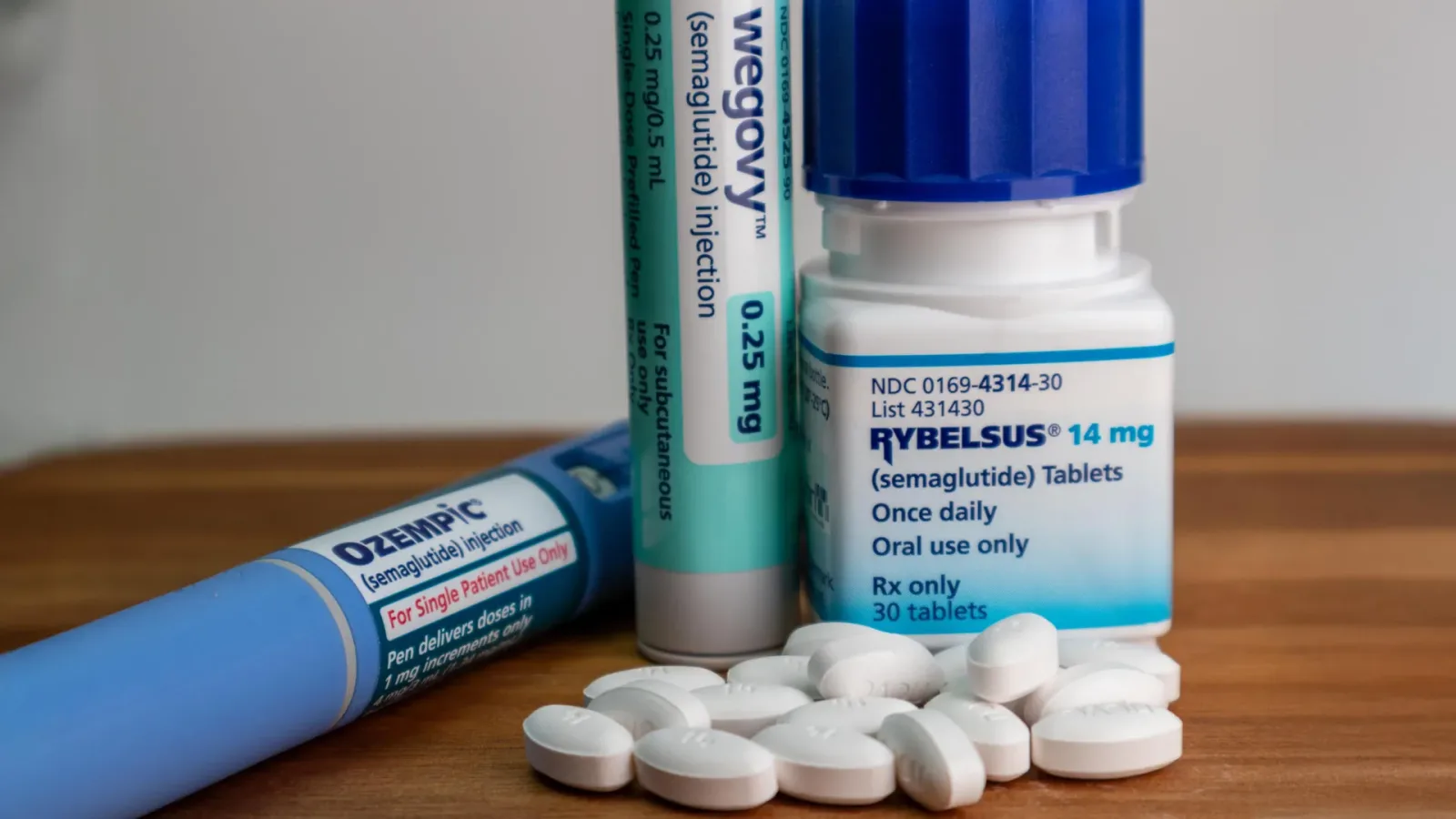
Her story resonates with millions navigating weight management in an era dominated by GLP-1 drugs like Ozempic (semaglutide), Wegovy (higher-dose semaglutide), Mounjaro (tirzepatide), and Zepbound (tirzepatide for weight loss). While these meds offer rapid results, Brady's approach highlights sustainable alternatives. This guide unpacks the science, compares options, and provides evidence-based strategies for metabolic health.
What Are GLP-1 Medications? The Science Behind Ozempic and Beyond
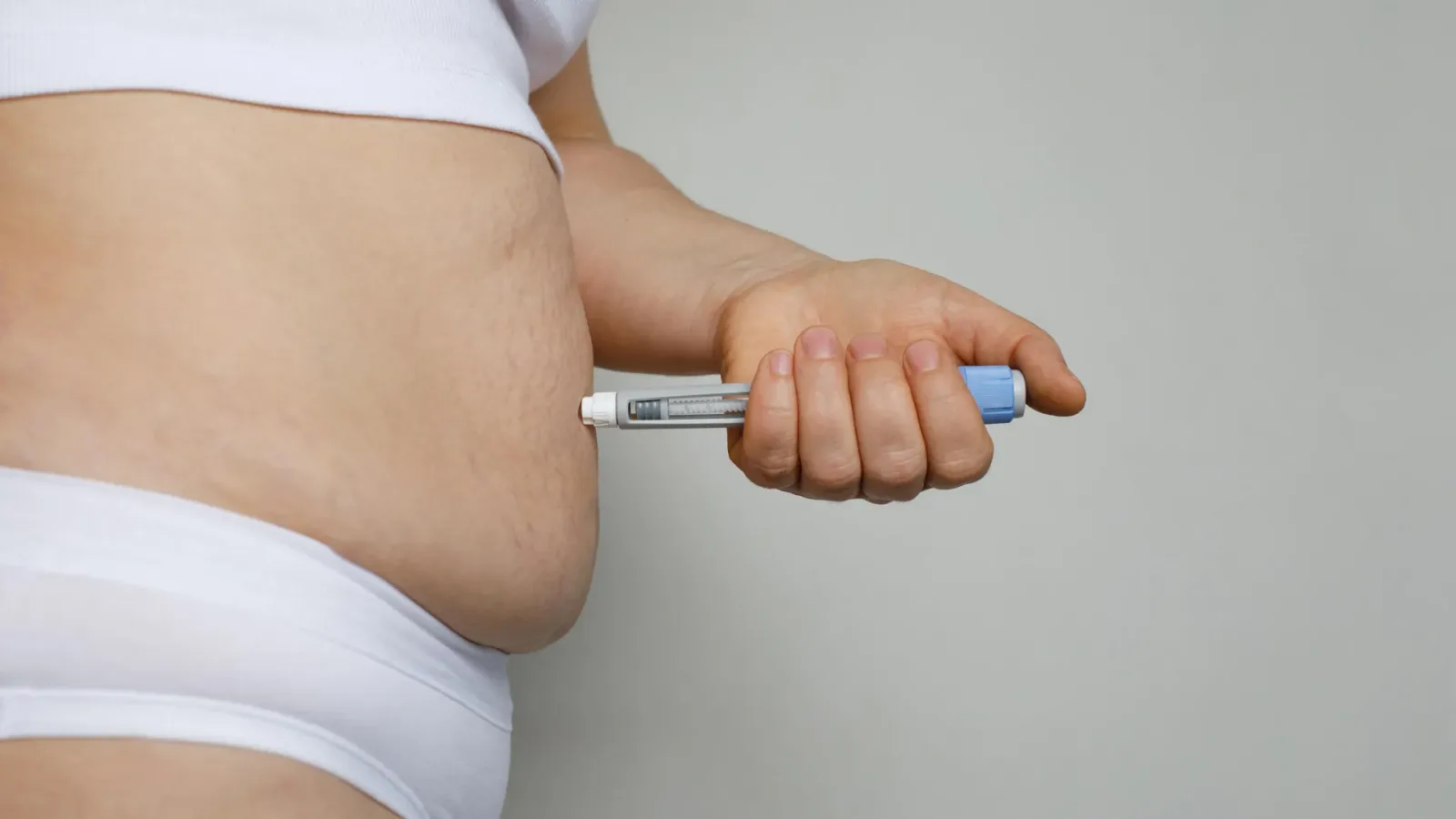
GLP-1 (glucagon-like peptide-1) medications mimic the gut hormone that regulates appetite, blood sugar, and digestion. Originally developed for type 2 diabetes, they've revolutionized obesity treatment by targeting the brain's hunger centers and slowing gastric emptying.
How Ozempic, Wegovy, Mounjaro, and Zepbound Work
Ozempic (semaglutide, weekly injection) is FDA-approved for diabetes but widely used off-label for weight loss at 0.5-2.4 mg doses. It reduces appetite by activating GLP-1 receptors in the hypothalamus, leading to 15-20% body weight loss in trials.
Wegovy, the same drug at up to 2.4 mg, is approved for obesity (BMI ≥30 or ≥27 with comorbidities). Mounjaro and Zepbound (tirzepatide) are dual GLP-1/GIP agonists, offering superior results—up to 22.5% weight loss in the SURMOUNT-1 trial—by enhancing insulin secretion and fat metabolism.
'GLP-1s don't just suppress hunger; they restore metabolic signaling disrupted by modern diets high in processed foods.'
Clinical Evidence and Real-World Outcomes
The STEP 1 trial (NEJM, 2021) showed Wegovy users lost 14.9% body weight vs. 2.4% on placebo over 68 weeks. Tirzepatide's SURPASS trials reported even better glycemic control and weight reduction. Long-term data from SUSTAIN-6 suggests cardiovascular benefits, reducing heart attack risk by 26%.
However, weight regain averages 2/3 within a year of stopping, per a 2022 meta-analysis. This underscores the need for lifestyle integration.
Side Effects, Risks, and Management
- Common (GI-related): Nausea (44%), vomiting (24%), diarrhea—often dose-dependent and improve over time.
- Serious: Pancreatitis (<1%), gallbladder issues (2-3%), thyroid tumors (rodent data; human risk unclear).
- Muscle Loss: Up to 40% of weight lost is lean mass without resistance training/protein.
Management: Start low (0.25 mg semaglutide), titrate slowly, stay hydrated, eat small meals. Tools like Shotlee can help track symptoms, side effects, and nutrition to optimize therapy.
Karren Brady's Natural Weight Loss Strategy: Exercise and Nutrition
Brady credits her results to 'bloody hard work'—cycling, walking everywhere, and sensible eating. As a new grandmother, she aimed to be a 'fit, healthy grandma.' This aligns with evidence favoring gradual, sustainable changes for metabolic health.
Precision tracking for your journey
Join thousands using Shotlee to accurately track GLP-1 medications and side effects.
📱 Get the Shotlee App
Track your GLP-1 medications, peptides, and health metrics on the go with our mobile app!
Her Exercise Routine: Cardio and Strength
Regular gym visits at David Lloyd, cycling, and walking form her core. Cardio like cycling burns 400-600 kcal/hour while building endurance. Studies (e.g., JAMA, 2019) show 150-300 min/week moderate activity yields 5-10% weight loss, preserved long-term.
She avoids weighing herself, focusing on fit clothes and energy— a mindset shift backed by intuitive eating research.
Healthy Eating as You Age
'Making healthy and sensible choices' is key post-50, when metabolism slows 2-8% per decade due to sarcopenia and hormonal shifts. Brady prioritizes whole foods, likely high-protein (1.6g/kg body weight) to preserve muscle, per PROT-AGE guidelines.
Maintaining loss is harder than initial drop; habit-based diets succeed 2x longer than restrictive ones (Annals of Internal Medicine, 2015).
Lifestyle vs. GLP-1 Meds: Pros, Cons, and When to Combine
Lifestyle Pros: No cost, no side effects, builds lifelong skills. Brady's method fosters strength and mental resilience.
GLP-1 Pros: Rapid results for severe obesity; bridges to habits.
| Lifestyle (Brady-style) | GLP-1 Meds | |
|---|---|---|
| Weight Loss | 5-10% (sustainable) | 15-22% (faster, regain risk) |
| Cost | Low (gym ~£50/mo) | £150-300/mo (pre-insurance) |
| Sustainability | High | Medium (with lifestyle) |
Hybrid approach: Use meds short-term while adopting Brady-like habits. A 2023 study in Obesity found combined therapy yields 25% greater maintenance.
Evidence-Based Tips for Sustainable Weight Loss
- Move Daily: 10k steps + 2x/week strength (squats, weights) to combat muscle loss.
- Protein-First Meals: 30g/meal preserves satiety/metabolism.
- Sleep & Stress: 7-9 hrs; cortisol drives abdominal fat.
- Track Smartly: Apps like Shotlee monitor intake, activity, and mood for data-driven tweaks.
- Mindset: Focus on strength like Brady—measure progress by energy, not scale.
When to Consider GLP-1 Medications
For BMI ≥30 or ≥27 with conditions (hypertension, prediabetes), consult a doctor. Not first-line for all; lifestyle remains foundational per NICE/ADA guidelines. Peptide therapies (e.g., compounded semaglutide) require caution—ensure pharmacy compounding standards.
Conclusion: Empowerment Over Speculation
Karren Brady's denial spotlights body scrutiny and choice. Whether via lifestyle grit or GLP-1 support, sustainable weight loss demands consistency. Prioritize metabolic health: balanced nutrition, movement, and monitoring. Consult healthcare providers for personalized plans—your body, your rules.