
Introduction: A Singer's Triumph Over Obesity
Country music star Jelly Roll, born Jason DeFord, has captivated fans not just with his Grammy-nominated hits but with his remarkable weight loss of nearly 300 pounds—from a peak of 550 lbs down to 265 lbs by early 2026. Starting his journey in 2022, he achieved this without GLP-1 medications like Ozempic or Wegovy, citing fears of acid reflux damaging his vocal cords. His story offers a blueprint for natural weight loss through sustainable habits, resonating with anyone battling obesity or food addiction.
Obesity affects over 40% of U.S. adults, per CDC data, often intertwined with metabolic dysfunction and emotional eating. Jelly Roll's approach—high-protein nutrition, progressive exercise, and mindset overhaul—demonstrates that profound change is possible without pharmaceuticals, though GLP-1s remain a powerful tool for many. This guide breaks down his methods with clinical context, contrasting them to drug-assisted paths for informed decision-making.
Jelly Roll's Weight Loss Timeline and Milestones
Jelly Roll's transformation began in 2022 amid lifelong struggles. Nicknamed for his childhood chubbiness, he openly shared on The Bobby Bones Show how being "fat my whole life" limited him. By 2023, he aimed to "conquer the demon" of his weight, losing 110 lbs by 2024 through tour-integrated habits.
- 2022: Journey starts; initial focus on health goals.
- 2024: Drops 60-70 lbs during Beautifully Broken tour; completes first 5K.
- Jan 2026: Hits 265 lbs, graces Men's Health cover—a goal set months prior.
By auctioning off an ill-fitting jacket from his "Hurt" video, he symbolized commitment. Total loss: ~285 lbs, shifting his tour culture from excess to wellness with daily emotional check-ins.
"I became successful in spite of [my weight]... carrying 550 pounds. That's insane." —Jelly Roll on Dumb Blonde Podcast
Core Strategies: Diet, Exercise, and Recovery Tools
High-Protein Diet: Fueling Satiety and Muscle Preservation
Jelly Roll revolutionized his eating with tour nutritionist Chef Ian Larios, emphasizing high-protein meals. Favorites included Nashville hot chicken, bone broth fries, protein poutine, and peanut butter cookie dough bites—all dairy-free and nutrient-dense.
Clinically, high-protein diets (1.6-2.2g/kg body weight) enhance satiety via hormones like GLP-1 and PYY, per a 2020 Journal of Obesity meta-analysis. They preserve lean mass during calorie deficits, crucial for metabolic health. Jelly's shift combated his food addiction, rooted in a Tennessee upbringing without healthy food models.
Practical Tip: Aim for 30g protein per meal. Track intake with apps like Shotlee to monitor nutrition alongside symptoms and progress.
Progressive Exercise: From Inability to 5K Finisher
Unable to walk a mile initially, Jelly trained for the 2 Bears 5K, logging 2-3 miles daily, 4-6 days/week. He lost 70 lbs pre-race, then played basketball daily on tour—even with fans and juvenile detainees.
Evidence supports gradual cardio: A 2019 NEJM study showed consistent moderate exercise yields 5-10% weight loss, boosting VO2 max and insulin sensitivity. Jelly's consistency flipped his tour from partying to activity.
Precision tracking for your journey
Join thousands using Shotlee to accurately track GLP-1 medications and side effects.
📱 Get the Shotlee App
Track your GLP-1 medications, peptides, and health metrics on the go with our mobile app!
Recovery Practices: Sauna, Cold Plunges, and Mindset
Daily 20-30 min saunas and 6-min cold plunges aided recovery. Emerging research (e.g., 2022 Journal of Physiology) links cold exposure to brown fat activation and reduced inflammation, while saunas mimic cardio benefits, improving endothelial function.
Overcoming food addiction was pivotal. In a 2018 Instagram post, he lamented missing life's joys at 500+ lbs. Therapy-like discipline created an "avalanche" effect, aligning with cognitive behavioral strategies in addiction recovery.
Why He Skipped GLP-1s Like Ozempic: Vocal Health Risks
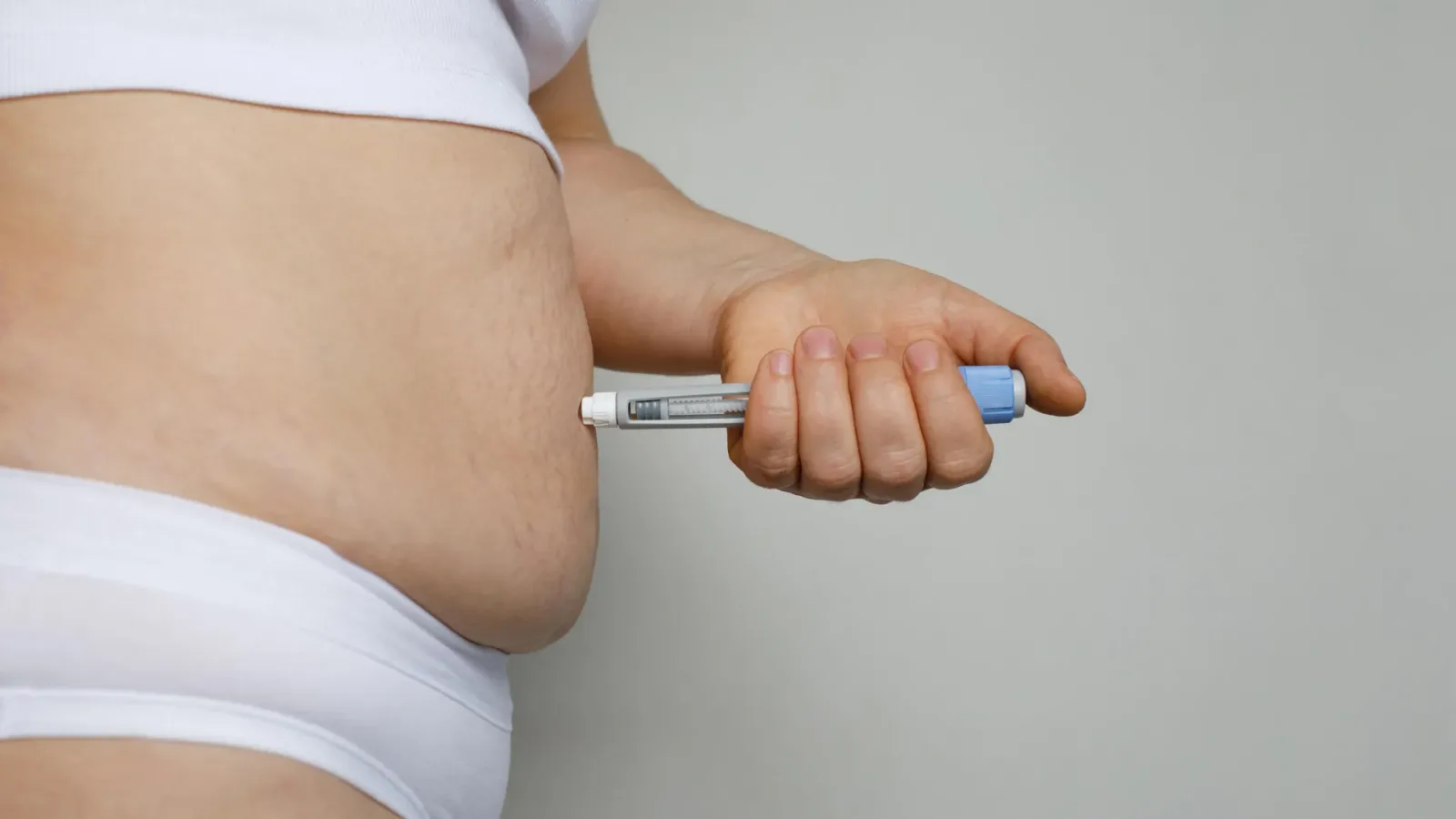
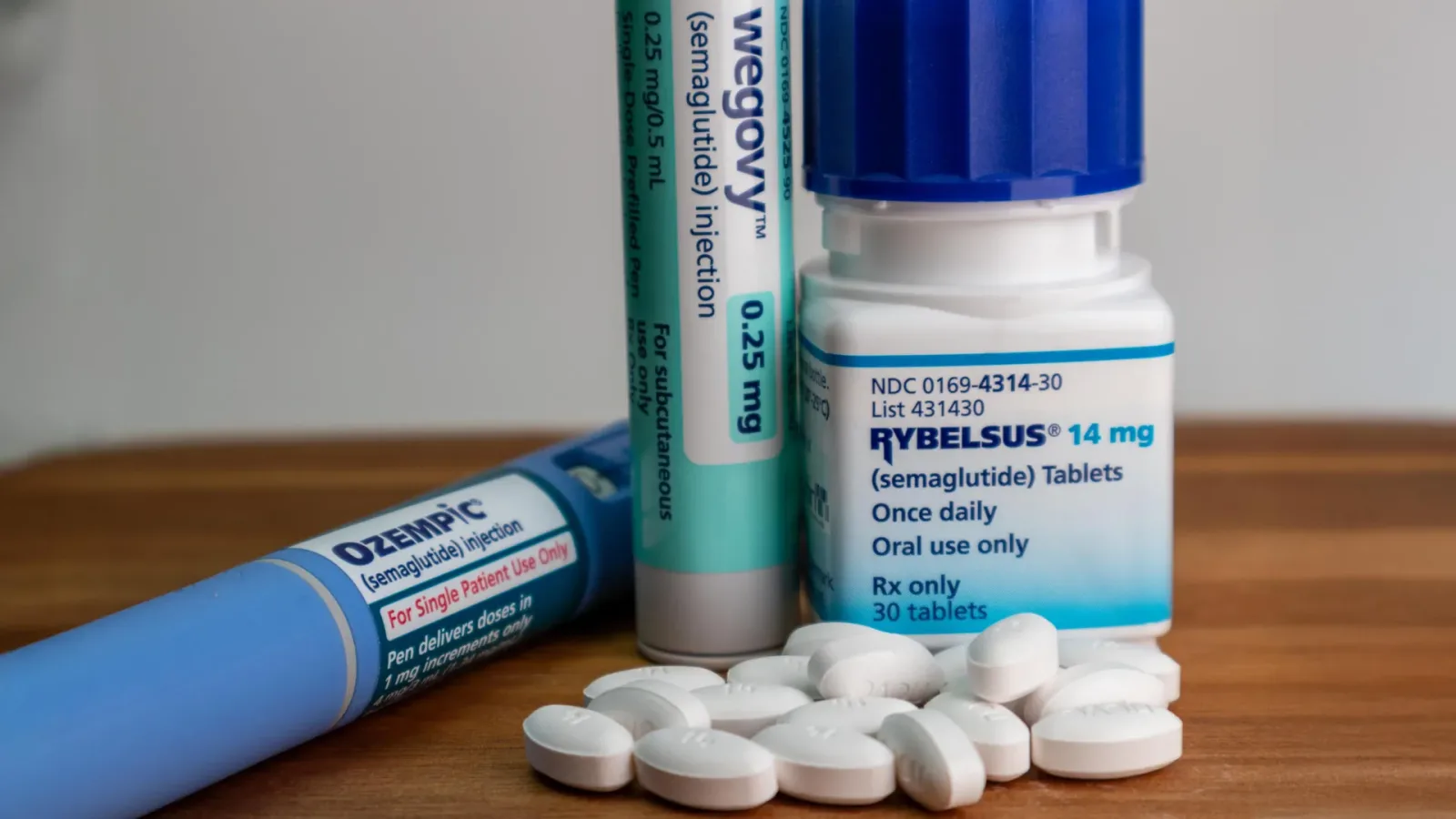
Despite doctor endorsements, Jelly Roll avoided semaglutide (Ozempic/Wegovy) over acid reflux (GERD) fears. As a singer, he noted, "That stuff will rip the vocal cords." The Cleveland Clinic confirms GERD irritates laryngopharynx, causing nodules or polyps.
GLP-1 agonists mimic gut hormones for appetite suppression, yielding 15-20% weight loss in trials like STEP 1 (2021 NEJM). Common side effects: nausea (44%), GERD (24%). For performers, this risk outweighs benefits—unlike metabolic patients where benefits dominate.
| Aspect | Natural (Jelly Roll) | GLP-1 (e.g., Ozempic) |
|---|---|---|
| Weight Loss | ~50% body weight, gradual | 15-20%, rapid |
| Sustainability | Habits for life | Often rebounds post-stop |
| Side Effects | Minimal, self-managed | GI issues, potential GERD |
For singers or GERD-prone, natural paths or tirzepatide (Mounjaro/Zepbound, lower GERD rates) may suit better. Consult providers.
Unexpected Benefits: A Fuller Life
Beyond scales, Jelly Roll reports spiritual growth, better fatherhood (coaching basketball), and revived libido—"sex drive of a 17-year-old." Weight loss improves testosterone (up 15% per 10% loss, per studies), erectile function, and mental health via BDNF upregulation.
Shaving his beard revealed a sharp jawline, boosting self-love, as wife Bunnie Xo noted.
Evidence-Based Lessons for Your Weight Loss Journey
- Start Small: Build habits like daily walks; momentum snowballs.
- Prioritize Protein: Curbs hunger, sustains muscle.
- Address Addiction: Therapy or journaling reframes food relationships.
- Incorporate Recovery: Sauna/cold therapy enhances adherence.
- Track Progress: Use tools like Shotlee for symptoms, side effects, and nutrition to stay accountable.
- Weigh Meds Thoughtfully: GLP-1s excel for stalled cases but assess personal risks.
A 2023 Lancet review emphasizes combined lifestyle + pharmacotherapy for obesity, but Jelly proves lifestyle alone works for motivated individuals.
Conclusion: Sustainable Change Starts Today
Jelly Roll's 300-lb loss underscores discipline over shortcuts, transforming health, relationships, and career. Whether natural or GLP-1-aided, focus on habits yielding lifelong metabolic health. Consult healthcare pros; your journey awaits.