
Men Coined 'Looksmaxxing,' Women Invented It: Trends & Risks
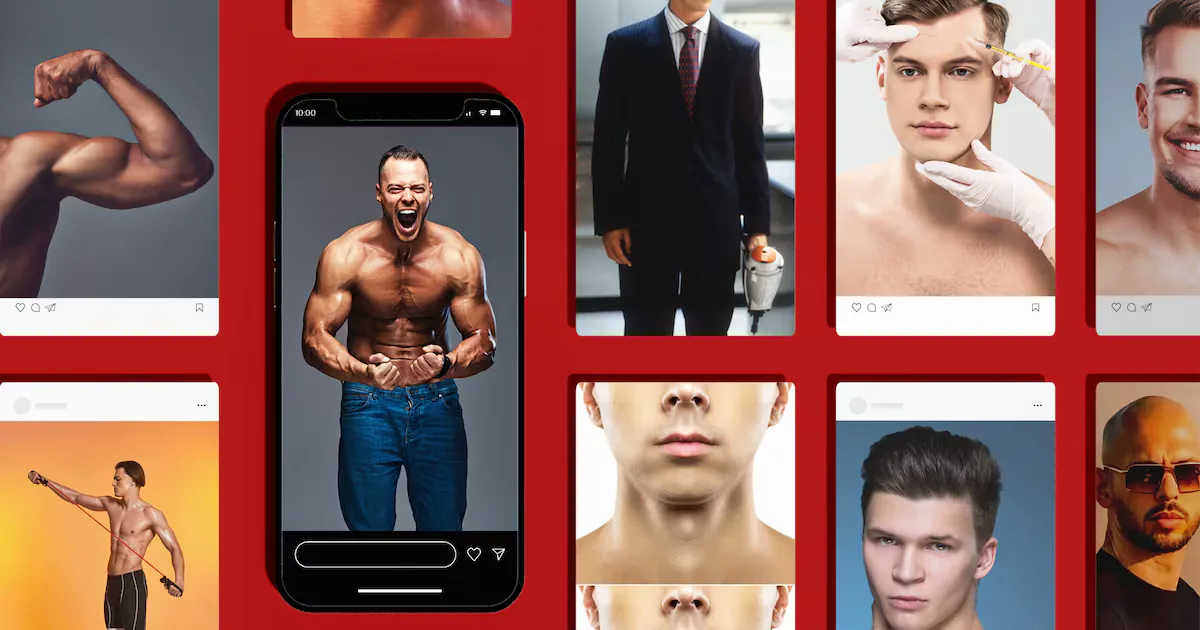
I'm no gambler, but if I was so inclined, I'd put a few quid on the Oxford English Dictionary's Word of the Year 2026 ending in "-maxxing." For the uninitiated, the "-maxxing" suffix has exploded online via the popularity of discourse around "looksmaxxing," a neologism describing a commitment to maximising physical attractiveness, especially within narrow aesthetic strictures. Looksmaxxing emerged as a subset of the "incel" (short for "involuntary celibate") online subculture.
Given the glib approach many take to this dark manifestation of crisis masculinity, it has become popular to trade on this irony, affixing "-maxxing" to the end of pretty much anything. The pursuit of better sleep is now "sleepmaxxing." My sister sent me footage of a key influencer describing how one might use aspects of the looksmaxxing toolkit to obscure one's short stature in a romantic entanglement. He refers to lifting one's heels beneath baggy trousers (and standing on books placed strategically on the bedside floor) as "tiptoemaxxing."
The Unsettling Extremes of Radical Looksmaxxing
Looksmaxxing in its radical form is unsettling, involving everything from "bone-smashing" (trying to remodel facial bones by inflicting microfractures with hammers) to weight management using crystal meth (methamphetamine). These practices stem from incel forums where users share unverified techniques to enhance facial structure, jawlines, and overall appeal, often based on pseudoscience like "mewing" or aggressive self-trauma.
Bone-smashing, for instance, promotes deliberate facial trauma to supposedly stimulate bone remodeling—a dangerous myth with no medical backing. Crystal meth for weight loss exploits the drug's appetite-suppressing and fat-burning effects but carries severe risks like addiction, cardiovascular damage, psychosis, and death. These extremes highlight how looksmaxxing can veer into self-harm, contrasting sharply with safer, evidence-based aesthetic improvements.
Looksmaxxing: A Masculine Twist on Women's Beauty History
Given its origins in the incel discourse, looksmaxxing is a niche masculine manifestation of extreme beauty habits from the mainstream world of aesthetic plastic surgery. Body modification of this kind is so widespread in celebrity culture that only extreme cases merit discussion. Clinical procedures are so common now as to constitute a normal medical subfield. And why not? People want to look better—or different, at least—and we have reasonably safe ways to achieve that. Surely, a liberal society should be at peace with people freely choosing to change their appearance in line with their preferences?
However, men might have coined the term "looksmaxxing," but women have long "invented" its practices through decades of societal pressure on beauty standards. From corsets constricting waists to modern fillers and scalpels, women's engagement with body alteration predates incel anxieties about "passing on genetic material." This shift marks new terrain for young straight men panicking about hereditary legacies, turning what was women's preserve into a marketed solution.
Celebrity Transformations and the Uncanny Response
I've been suffering some philosophical unrest over my reaction to some such faces recently. In three cases, I've found my negative response to what I regard as the vastly transformed faces of famous actresses morally perplexing. I'm not alone in noticing; there has been considerable discussion—much of it unkind—about the changed appearances of Millie Bobby Brown, Erin Moriarty, and Nicole Kidman as they've reappeared in returns to new seasons of programming.
I admit I find it hard to keep watching. Part of this is practical; the invasive nature of many procedures has consequences for acting performance. Procedures that block forehead wrinkles and plump lips restrict normal affective expression. Equally, it is narratively odd when a character who looked so different in a previous season reappears looking so much changed with nobody seeming to notice. Ageing alters faces naturally, but the changes I'm describing would be hard to describe as consistent with normal ageing over a year.
Most actors deny having surgery and ditto for those who've experienced significant weight loss in the semaglutide (aka Ozempic) era. This culture of radically changing celebrity faces amid widespread denials of interventions produces something of an uncanny response—radical difference is presented to us as consistent in a way that contradicts our experience.
Philosophical Underpinnings: The Judgmental Gaze and Self-Monitoring
Philosopher Luna Dolezal discussed philosophical aspects of these trends before plastic surgery became as mainstream as it currently is. She explains how "the judgmental gaze where the body's appearance is being scrutinised and evaluated" (as is heightened with celebrities) produces behaviour where people seek to bend their appearances to fit societal norms.
Precision tracking for your journey
Join thousands using Shotlee to accurately track GLP-1 medications and side effects.
📱 Get the Shotlee App
Track your GLP-1 medications, peptides, and health metrics on the go with our mobile app!
Dolezal describes "social dys-appearance," a state where, instead of blending seamlessly into our experience, our bodies come to dominate our attention via the objectifying gaze of others. People then "seek to behave within socially acceptable parameters and, in addition, to ensure that the body's physical aspect conforms to socially acceptable norms." They engage in what Michel Foucault called "self-monitoring," and then they change themselves.
Ozempic and Semaglutide in the Looksmaxxing Era
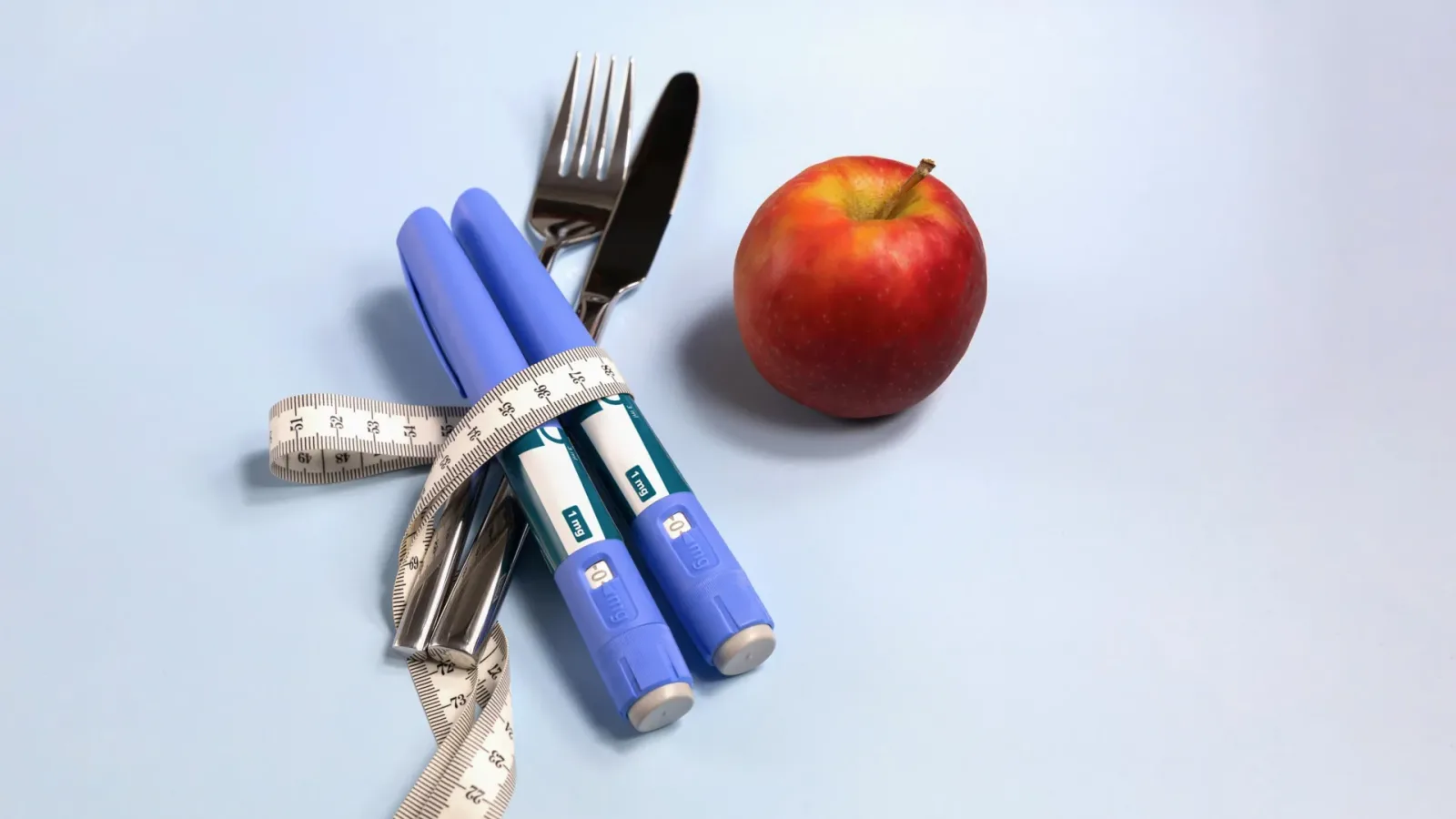
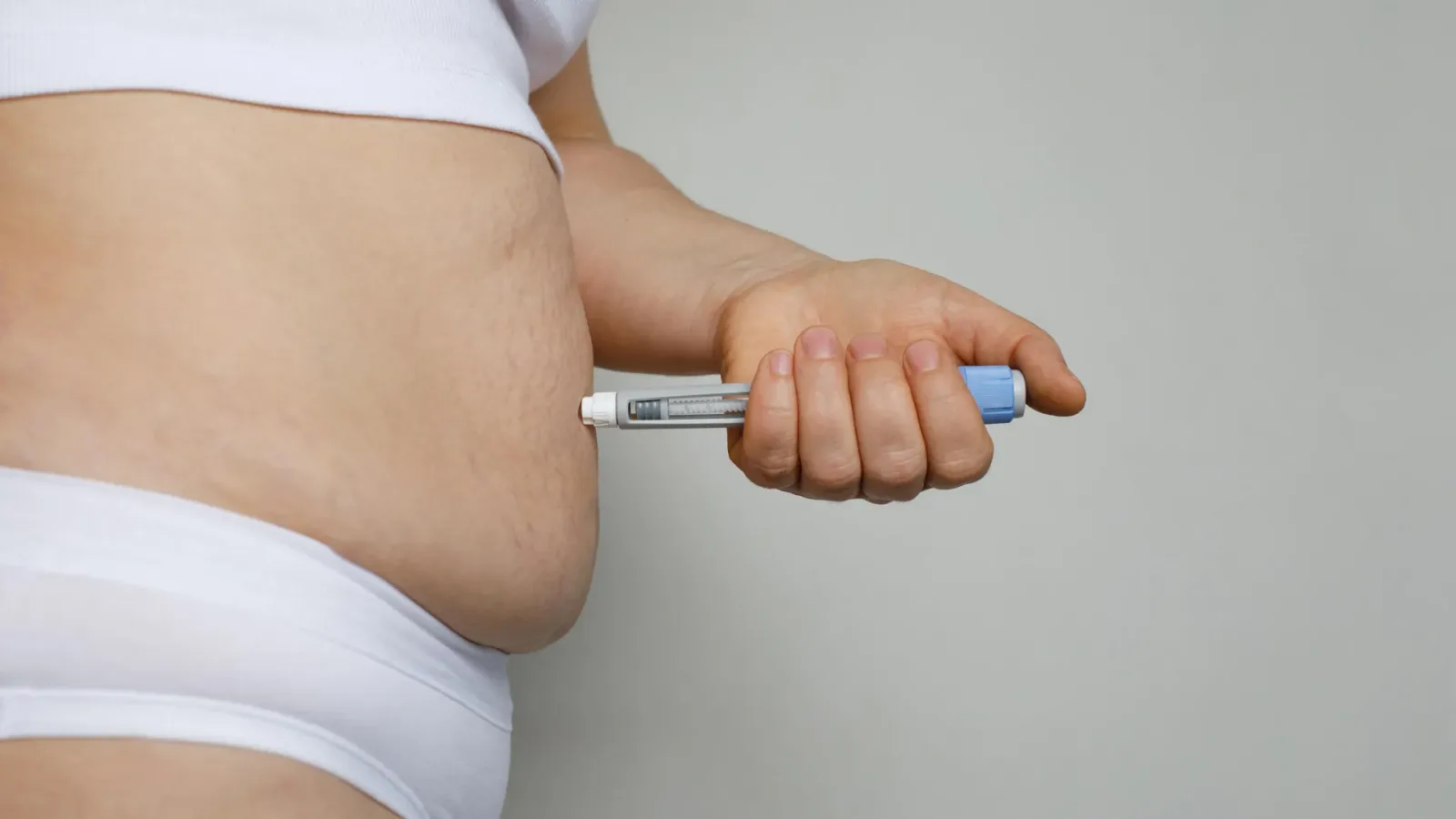
In the Ozempic case, I'm acutely aware that, for many people, these drugs represent one (perhaps decisive) stage in a battle over weight-management that may have been a lifelong arc of struggle. Semaglutide, the active ingredient in Ozempic, is a GLP-1 receptor agonist originally approved for type 2 diabetes management. It mimics the glucagon-like peptide-1 hormone, which regulates blood sugar by stimulating insulin release, slowing gastric emptying, and reducing appetite signals in the brain.
How Semaglutide Supports Weight Loss
By targeting these mechanisms, semaglutide promotes significant weight reduction—often 15-20% of body weight in clinical trials for obesity (under brand Wegovy). Unlike stimulants like crystal meth, it offers a medically supervised path, making it relevant to looksmaxxing's weight goals without the legal or health perils. Celebrities' rapid transformations fuel speculation, though denials persist amid privacy concerns.
Safety Considerations and Patient Guidance
Common side effects include nausea, vomiting, diarrhea, and constipation, usually mild and transient. Rare risks involve pancreatitis, gallbladder issues, or thyroid tumors (in animal studies). It's not for cosmetic use alone; patients should have BMI ≥30 (or ≥27 with comorbidities) and discuss with physicians. Combine with diet, exercise, and tools like Shotlee for tracking symptoms, side effects, or injection schedules to optimize outcomes.
Comparisons to Alternatives
Compared to surgery or unproven looksmaxxing hacks, semaglutide provides reversible, non-invasive weight control. Alternatives like phentermine offer short-term appetite suppression but higher abuse potential, while bariatric surgery suits severe cases. Always prioritize FDA-approved options over DIY extremes.
Bodily Autonomy, Feminism, and Societal Forces
As a feminist, I want individuals to be able to exercise bodily autonomy and make changes they feel they will improve their self-confidence and perhaps quality of life. At the same time, the social and political forces that explain the popularity of these drugs and procedures are nefarious, and anything but conducive to human flourishing.
This discussion has historically been focused on women, but it's interesting to see that certain "incel" anxieties have pushed some young men's engagement with their bodies into fraught new terrain.
Key Takeaways: What This Means for Looksmaxxing Enthusiasts
- Looksmaxxing originated in incel culture but echoes women's longstanding beauty modifications.
- Avoid extremes like bone-smashing or meth; opt for evidence-based methods like semaglutide under medical guidance.
- Celebrity changes (e.g., Nicole Kidman, Millie Bobby Brown) highlight performance impacts and denial culture.
- Philosophers like Luna Dolezal explain dys-appearance driving self-monitoring.
- For weight management, consult doctors on Ozempic/semaglutide, monitor with apps like Shotlee.
Conclusion: Navigating the Age of Looksmaxxing
We are in the age of looksmaxxing, where aesthetic maximization blurs lines between empowerment and pressure. While bodily autonomy reigns, prioritize safety and realism. For those eyeing semaglutide, focus on health over hype—discuss risks, benefits, and sustainable habits with healthcare providers to align changes with true flourishing.