
Indian Companies Rush to Make Generic GLP-1s Like Semaglutide
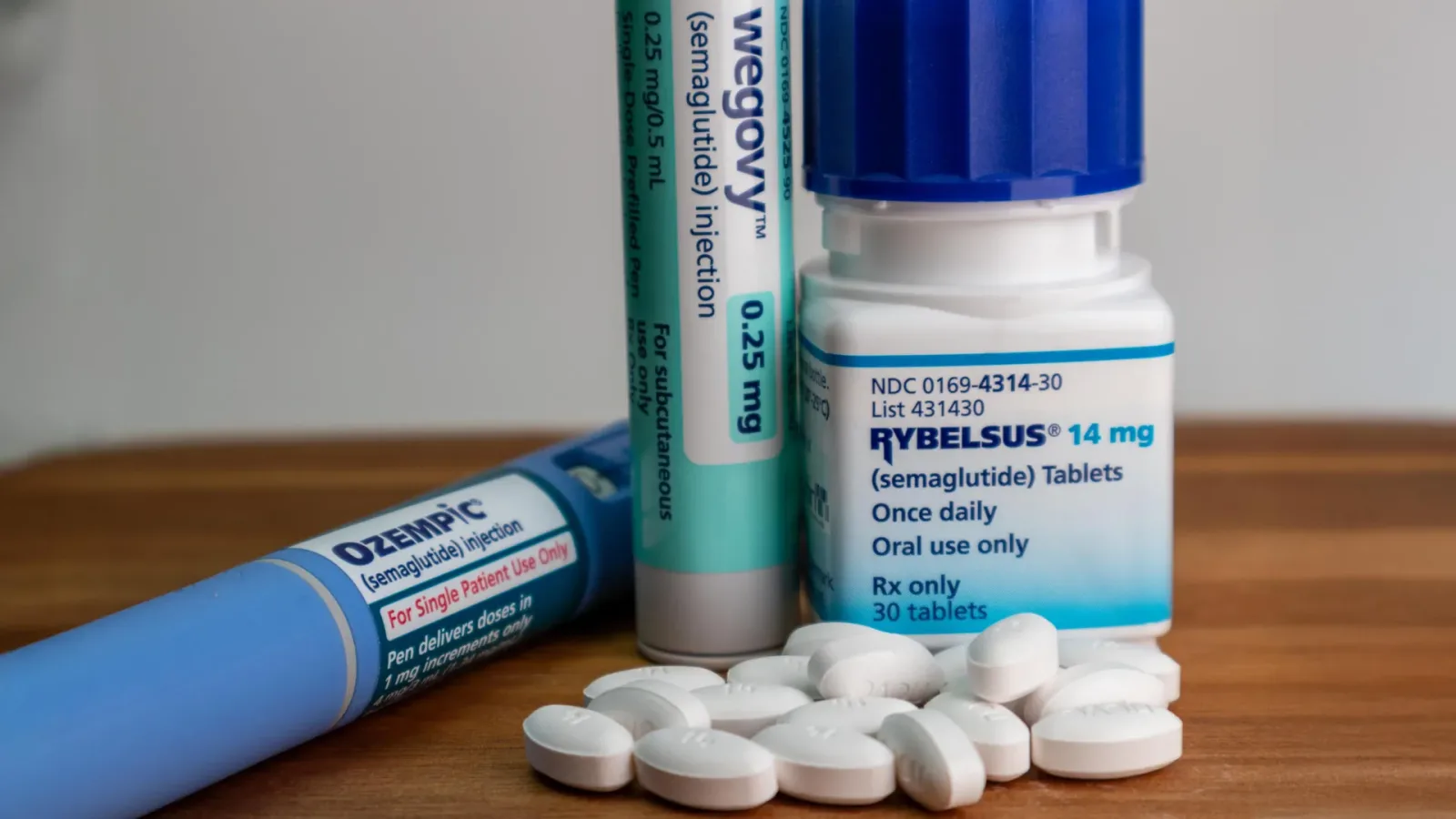
Indian pharmaceutical companies are racing to create cheaper generic versions of popular GLP-1 drugs like semaglutide after the patent for this active ingredient expired in the country. This surge in GLP-1 development, described by one executive as a “bloodbath,” reflects the intense competition to meet skyrocketing demand in India, where nearly a third of adults are obese. The move addresses both local needs and global supply pressures, as highlighted by Eli Lilly’s CEO at last week’s Semafor World Economy event.
The Patent Expiry Igniting India's GLP-1 Race
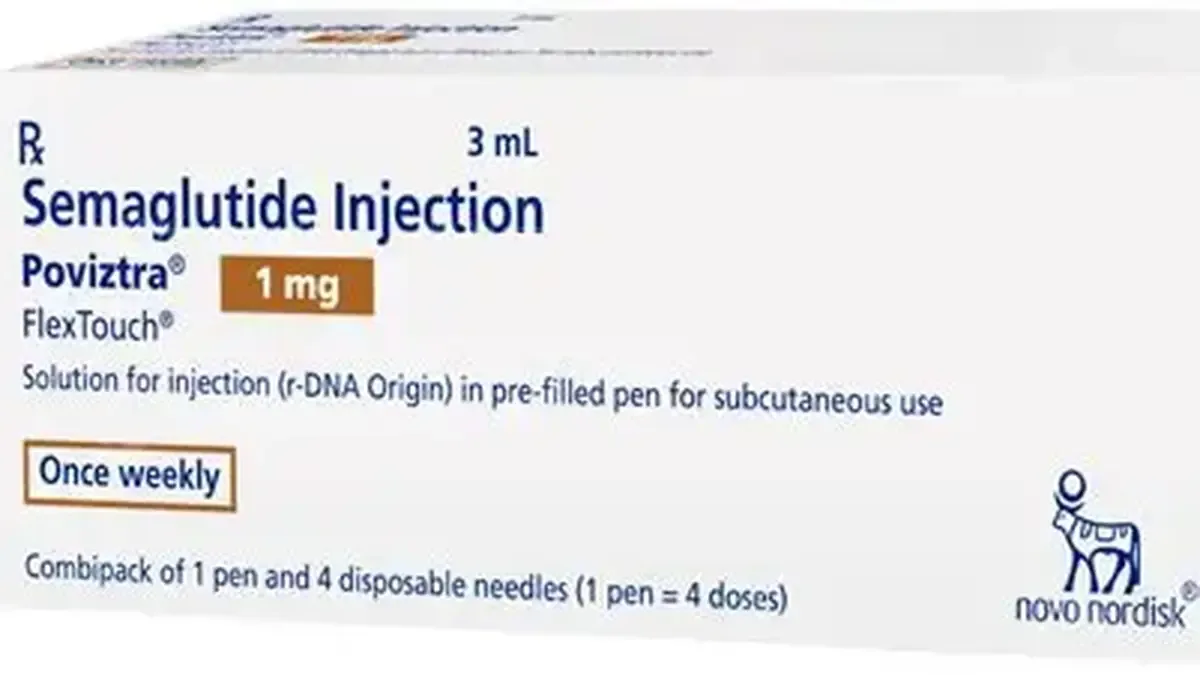
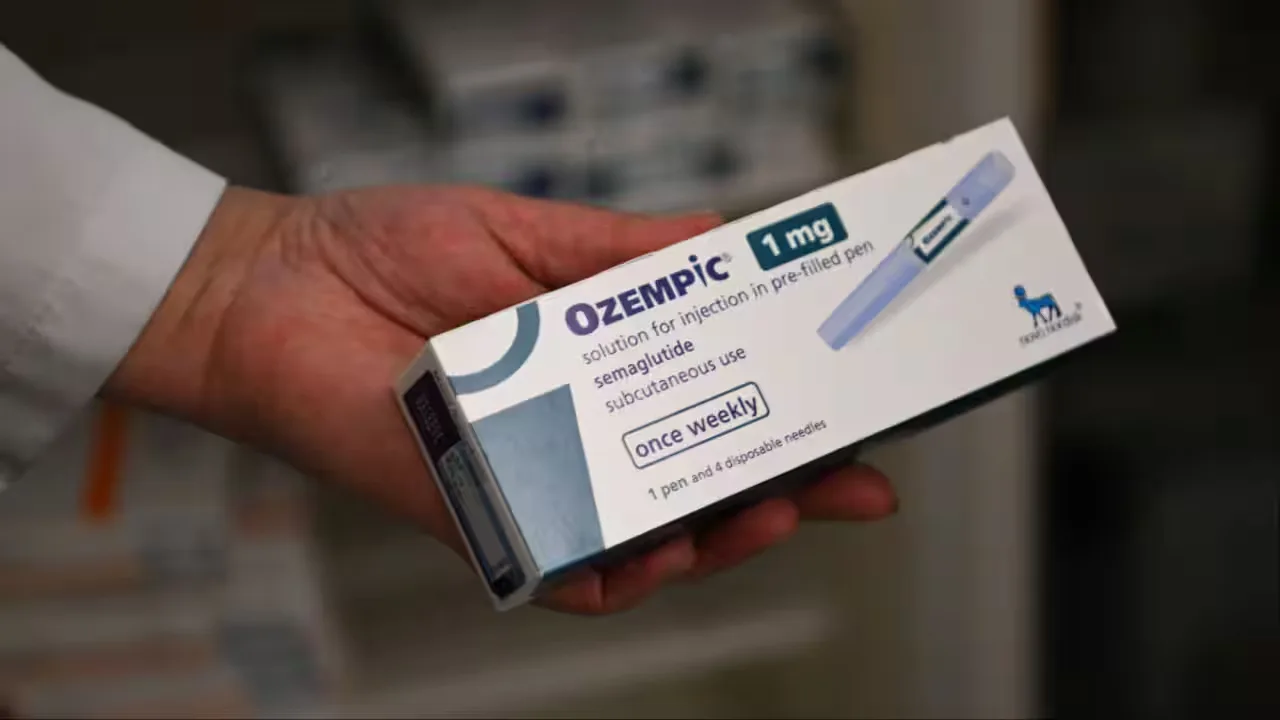
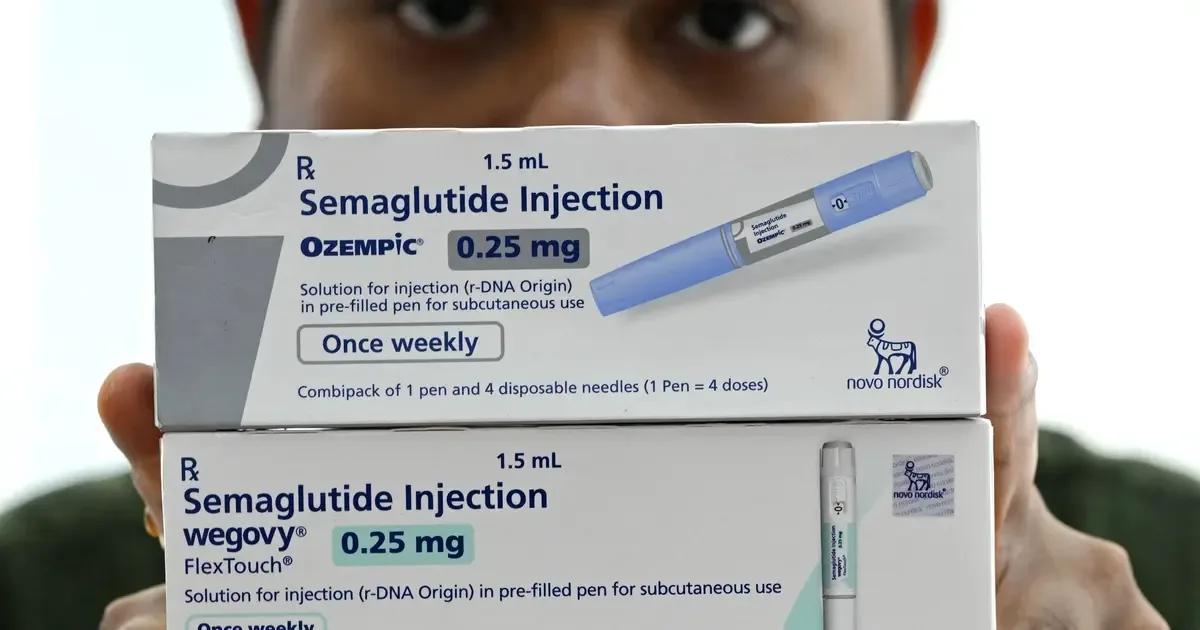
The expiration of semaglutide's patent in India has opened the floodgates for domestic manufacturers. Semaglutide, the key ingredient in blockbuster drugs like Ozempic and Wegovy, was previously protected, limiting production to originators like Novo Nordisk. Now, Indian firms such as Dr. Reddy's Laboratories, Sun Pharma, and Cipla are accelerating efforts to launch bioequivalent generics.
This isn't just about cost savings—generics could slash prices by 50-80%, making GLP-1 therapies accessible to millions. In a market projected to grow at 25% CAGR through 2030, early movers stand to capture significant share. Patients stand to benefit from lower out-of-pocket costs, potentially transforming obesity management in price-sensitive regions.
Key Players in the Indian GLP-1 Landscape
- Dr. Reddy's Laboratories: Already filed for semaglutide ANDAs, leveraging peptide expertise.
- Sun Pharma: Investing in high-capacity fermentation for GLP-1 production.
- Cipla and Lupin: Exploring partnerships for faster market entry.
Regulatory approvals from India's CDSCO are expedited for generics, but ensuring quality parity with originators remains critical.
India's Obesity Crisis Fueling GLP-1 Demand
Nearly a third of Indian adults are obese, according to recent NFHS-5 data, with rates climbing in urban areas due to sedentary lifestyles and processed diets. This equates to over 250 million people at risk for type 2 diabetes, cardiovascular disease, and metabolic syndrome—conditions where GLP-1 agonists like semaglutide excel.
GLP-1s mimic glucagon-like peptide-1, a gut hormone that regulates blood sugar, slows gastric emptying, and suppresses appetite. Clinical trials show semaglutide leads to 15-20% body weight loss, far surpassing older therapies like orlistat or phentermine.
Why GLP-1s Matter for Metabolic Health
Beyond weight loss, semaglutide reduces HbA1c by 1.5-2%, lowers cardiovascular events, and improves NAFLD. For Indian patients, where diabetes prevalence hits 11.4%, affordable generics could prevent millions of complications.
The 'Bloodbath' of GLP-1 Development in India
“Bloodbath” – An executive's description of the intense competition among Indian companies to dominate generic GLP-1 production.
This cutthroat race involves scaling peptide synthesis, a complex process requiring sterile fermentation and lyophilization. Challenges include raw material sourcing and yield optimization, but India's cost advantages—labor, APIs—position it as a generics powerhouse.
Eli Lilly’s CEO on Global Supply Constraints
At last week’s Semafor World Economy, Eli Lilly’s CEO framed new oral pills as a “huge scale” solution for global supply constraints, stating that “no matter how hard we want to try, we cannot reach the planet” with traditional injectable treatments.
Precision tracking for your journey
Join thousands using Shotlee to accurately track GLP-1 medications and side effects.
📱 Get the Shotlee App
Track your GLP-1 medications, peptides, and health metrics on the go with our mobile app!
This underscores the bottleneck: Injectable semaglutide demand outstrips supply, with waitlists worldwide. Oral formulations like Lilly's orforglipron promise easier scalability, no cold chain needs, and better adherence. Indian generics could bridge this gap, exporting to emerging markets.
Injectables vs. Orals: A Comparison
| Aspect | Injectables (e.g., Semaglutide) | Orals (Emerging) |
|---|---|---|
| Dosing | Weekly subcutaneous | Daily pill |
| Supply Scale | Limited by manufacturing | Higher volume potential |
| Adherence | Injection anxiety | Simpler |
| Cost (Generic Potential) | Lower with India production | Even lower |
How GLP-1 Drugs Like Semaglutide Work
GLP-1 receptor agonists bind to pancreatic receptors, boosting insulin secretion, inhibiting glucagon, and promoting satiety via brain signaling. Semaglutide's long half-life (1 week) allows once-weekly dosing, improving compliance over daily options like liraglutide.
Mechanism in obesity: Reduced calorie intake (20-30%) plus modest metabolic boosts yield sustained loss. Cardiovascular benefits stem from weight reduction, anti-inflammation, and endothelial improvements, as seen in SELECT and LEADER trials.
Safety Profile and Side Effects of GLP-1s
Common side effects include nausea (20-40%), vomiting, and diarrhea, mostly transient. Rare risks: Pancreatitis, gallbladder issues, thyroid tumors (rodent data). No increased all-cause mortality in trials.
For Indian patients, monitor thyroid function and GI tolerance. Start low (0.25mg weekly), titrate slowly. Contraindications: Personal/family medullary thyroid cancer history.
Tools like Shotlee can help track symptoms, side effects, or injection schedules, empowering better doctor discussions.
Patient Guidance: Who Should Consider GLP-1 Generics?
Ideal candidates: BMI ≥30, or ≥27 with comorbidities. Discuss with endocrinologists; combine with diet/exercise. In India, generics may launch at ₹2,000-5,000/month vs. ₹15,000+ for brands.
Alternatives: Tirzepatide (dual GLP-1/GIP), cheaper metformin/SGLT2s. Generics won't replace lifestyle but amplify it.
Key Takeaways: What This Means for Patients
- Patent expiry enables cheap Indian semaglutide generics soon.
- Obesity crisis (1/3 adults) drives urgent demand.
- “Bloodbath” competition promises affordability.
- Lilly CEO notes injectables' limits; orals scale better.
- Consult doctors for personalized GLP-1 use.
Conclusion
India's rush to generic GLP-1s like semaglutide heralds accessible metabolic therapies amid obesity surges and supply woes. Patients gain options; stay informed on approvals. For related topics, explore GLP-1 side effects or peptide therapy guides.