
Shotlee LogoShotlee
Blog
Download on theApp Store
Get it onGoogle Play
Skip to main content
India Steps Up Oversight on GLP-1 Drugs Over Improper Practices - Featured image
Regulatory Updates

India Steps Up Oversight on GLP-1 Drugs Over Improper Practices

Dr. Adrian Vale, MD
Reviewed by Dr. Adrian Vale, MDInternal Medicine · Board-Certified Obesity Medicine
·4 min read

On this page

  • What Are GLP-1 Drugs and Why the Increased Scrutiny?
  • Recent Regulatory Actions by DCGI
  • Semaglutide Generics Flood Market Post-Patent Expiry
  • Prescribing Guidelines and Approved Indications
  • Risks of Improper GLP-1 Use and Safety Considerations
  • Patient Guidance: What to Discuss with Your Doctor
  • Key Takeaways: What This Means for Patients
  • Conclusion
  • Key Violations Uncovered
  • Who Qualifies for GLP-1 Prescriptions in India?

Track Smart

Calculate active GLP-1 levels automatically with Shotlee.

Download →

India's drug regulator is cracking down on GLP-1 weight loss drugs due to improper sales and promotions. Inspections across 49 entities revealed violations, leading to notices and potential license cancellations. With semaglutide generics now available post-patent expiry, authorities emphasize prescription-only use by specialists.

Share

On this page

  • What Are GLP-1 Drugs and Why the Increased Scrutiny?
  • Recent Regulatory Actions by DCGI
  • Semaglutide Generics Flood Market Post-Patent Expiry
  • Prescribing Guidelines and Approved Indications
  • Risks of Improper GLP-1 Use and Safety Considerations
  • Patient Guidance: What to Discuss with Your Doctor
  • Key Takeaways: What This Means for Patients
  • Conclusion
  • Key Violations Uncovered
  • Who Qualifies for GLP-1 Prescriptions in India?

India Steps Up Oversight on GLP-1 Drugs Over Improper Practices

India's Drugs Controller General of India (DCGI) is intensifying regulatory surveillance over GLP-1 weight loss drugs amid rising concerns about improper practices, as announced by the health ministry. This move addresses unauthorized sales, misleading promotions, and off-label usage, ensuring these medications are used safely under medical supervision. GLP-1 drugs, such as semaglutide, have gained popularity for weight management and diabetes control, but recent enforcement highlights the need for strict oversight.

What Are GLP-1 Drugs and Why the Increased Scrutiny?

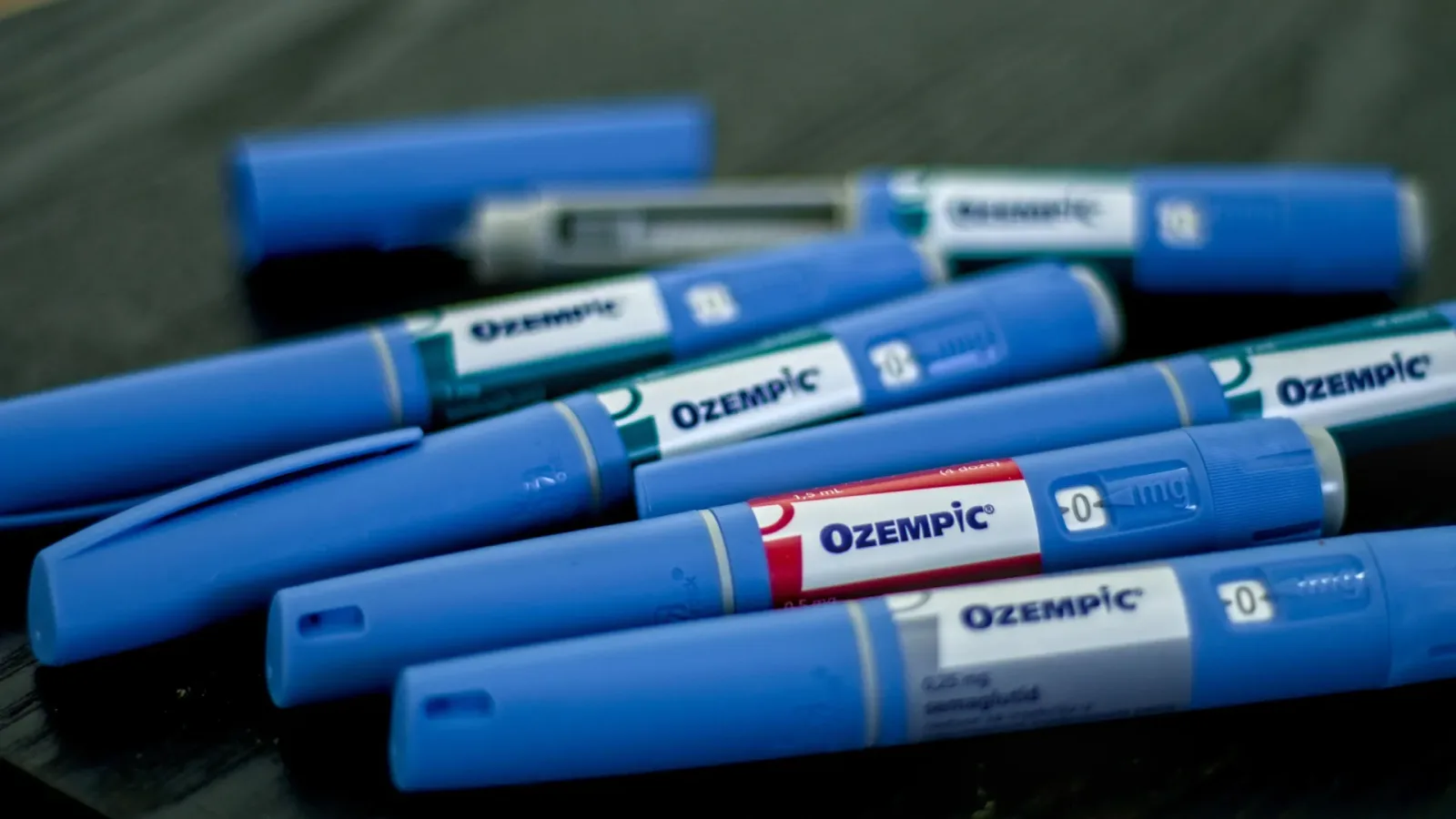
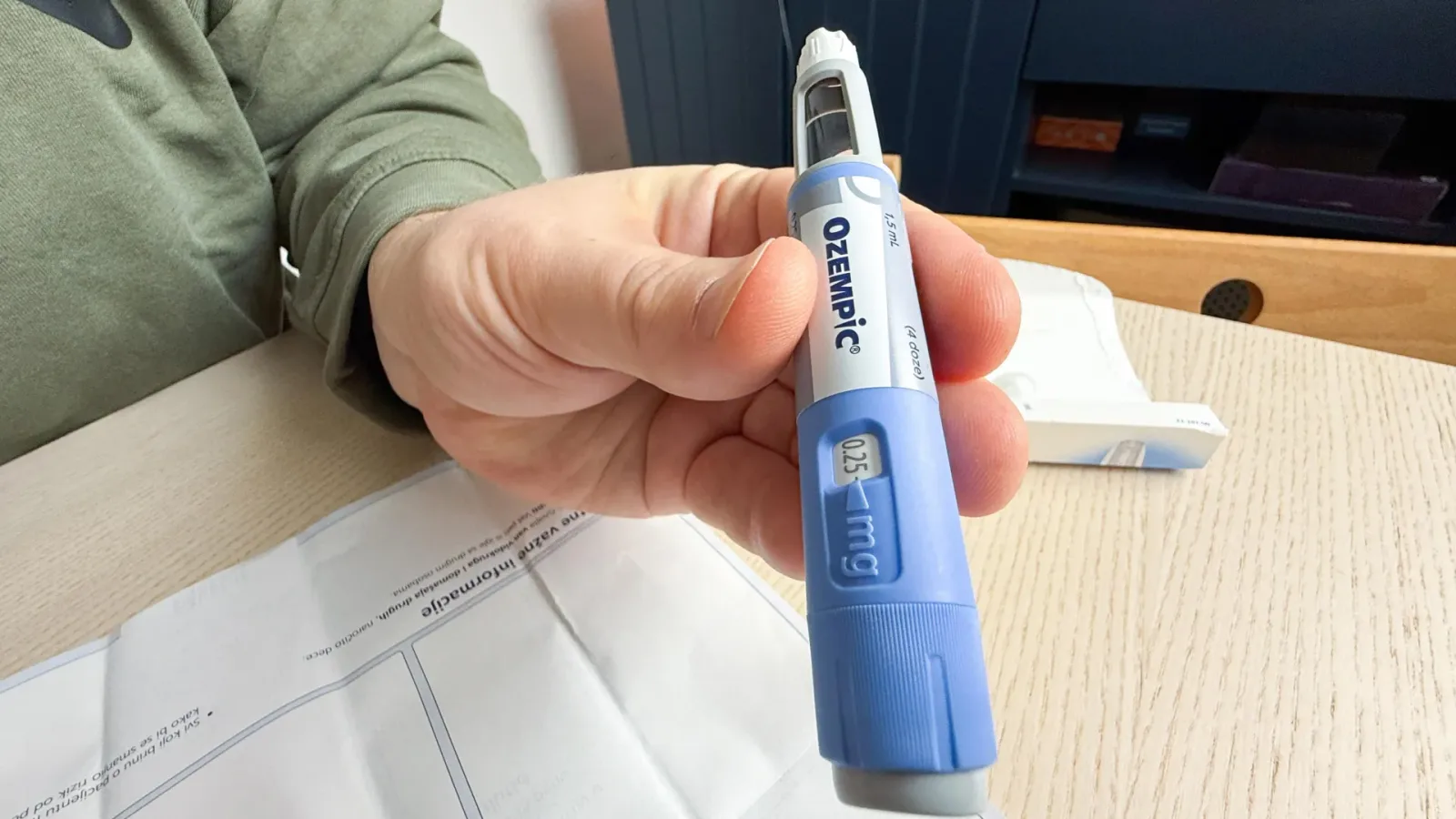
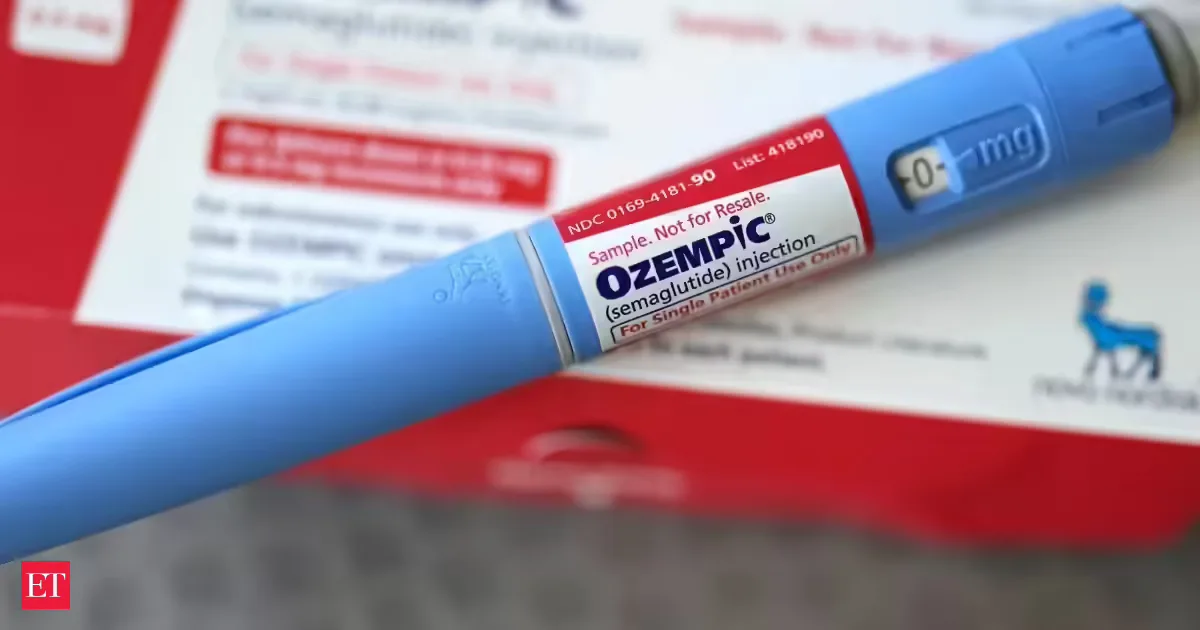
GLP-1 receptor agonists, or GLP-1 drugs, mimic the glucagon-like peptide-1 hormone to regulate blood sugar, slow gastric emptying, and reduce appetite. Originally approved for type 2 diabetes, drugs like semaglutide (branded as Ozempic or Wegovy globally) have shown significant weight loss benefits, leading to off-label use for obesity. In India, these medications are approved specifically for diabetes management and certain weight-related conditions, but surging demand post-global hype has fueled improper practices.

The mechanism involves activating GLP-1 receptors in the pancreas, brain, and gut, promoting insulin secretion, inhibiting glucagon, and enhancing satiety. Clinical trials demonstrate 10-15% body weight reduction in non-diabetic obese patients, making them a powerful tool for metabolic health. However, without oversight, risks like gastrointestinal side effects, pancreatitis, or thyroid concerns escalate, prompting the DCGI's actions.

Recent Regulatory Actions by DCGI

The health ministry stated on Tuesday that the DCGI is scaling up enforcement on GLP-1 weight loss drugs. Non-compliances will face strict measures, including cancellation of licences, penalties, and prosecution under applicable laws. Over the past several weeks, audits and inspections targeted 49 entities, including online pharmacy warehouses, drug wholesalers, retailers, and wellness and slimming clinics across multiple regions.

Notices have been issued to defaulting entities. The inspections zeroed in on critical violations: unauthorised sale, improper prescription practices, and misleading promotional activities. Earlier this month, an advisory prohibited manufacturers from surrogate advertisements or indirect promotions that mislead consumers or encourage off-label usage.

"In the recent weeks, enforcement activities were significantly scaled up," the drug regulator stated.

Key Violations Uncovered

  • Unauthorized sale without valid prescriptions
  • Improper prescription practices by non-qualified providers
  • Misleading promotions implying unapproved benefits

Semaglutide Generics Flood Market Post-Patent Expiry

Companies including Sun Pharma, Torrent, Zydus, Dr Reddy's, Glenmark, and Alkem launched semaglutide generics as soon as Novo Nordisk's patent expired on Friday, substantially lowering costs from thousands to hundreds of rupees per dose. This accessibility has boosted demand but also improper use, as generics mimic the active ingredient in Ozempic and Rybelsus.

While generics expand access for eligible patients, they must adhere to the same regulatory standards. The DCGI's advisory underscores no tolerance for promotions bypassing prescription requirements, protecting consumers from unregulated wellness clinics pushing these as quick-fix weight loss solutions.

Precision tracking for your journey

Join thousands using Shotlee to accurately track GLP-1 medications and side effects.

📱 Get the Shotlee App

Track your GLP-1 medications, peptides, and health metrics on the go with our mobile app!

Download on theApp Store
Get it onGoogle Play

Prescribing Guidelines and Approved Indications

The drug regulator advises people to take these medications "only under the guidance of qualified medical practitioners." It is important to reiterate that the drug has been approved in India with the condition of prescription by endocrinologists and internal medicine specialists, and for some indications by cardiologists only.

Who Qualifies for GLP-1 Prescriptions in India?

  • Patients with type 2 diabetes uncontrolled by other therapies
  • Obese individuals (BMI >30 or >27 with comorbidities) under specialist evaluation
  • Cardiologist oversight for cardiovascular risk reduction where indicated

Self-medication or purchases from non-specialists risk severe side effects like nausea, vomiting, dehydration, or rare but serious issues like gastroparesis.

Risks of Improper GLP-1 Use and Safety Considerations

Common side effects include gastrointestinal distress (nausea in 20-40% of users), which typically subside but can lead to discontinuation. Long-term concerns involve muscle loss with rapid weight reduction, nutrient deficiencies, or gallbladder issues. Improper practices amplify these, especially in wellness clinics lacking diagnostic tools.

Compared to alternatives like orlistat or phentermine, GLP-1s offer superior efficacy (15% vs. 5-10% weight loss) but require monitoring. Patients on these should track symptoms—tools like Shotlee can help log side effects, dosages, and progress for doctor reviews.

Patient Guidance: What to Discuss with Your Doctor

If considering GLP-1 therapy:

  1. Verify BMI and comorbidities qualify you
  2. Request prescription from endocrinologist/internal medicine specialist
  3. Avoid online or clinic purchases without oversight
  4. Monitor for side effects; start low-dose (e.g., 0.25mg semaglutide weekly)
  5. Combine with diet/exercise for sustained results
Consult for interactions with other meds, like oral contraceptives affected by delayed gastric emptying.

Key Takeaways: What This Means for Patients

  • DCGI's intensified oversight protects against GLP-1 misuse amid generic launches.
  • Inspections of 49 entities addressed unauthorized sales and promotions.
  • Prescriptions limited to specialists; no self-medication.
  • Generics from Sun Pharma, Zydus, etc., lower costs but demand responsibility.
  • Prioritize specialist guidance for safe metabolic health benefits.

Conclusion

India's stepped-up oversight on GLP-1 drugs reaffirms commitment to patient safety amid booming demand for semaglutide and peers. By curbing improper practices, the DCGI ensures these therapies reach those who need them most—under expert care. Patients should engage qualified practitioners, discuss risks, and use legitimate channels for optimal outcomes in weight management and diabetes control.


?Frequently Asked Questions

Who can prescribe GLP-1 drugs like semaglutide in India?

GLP-1 drugs are approved for prescription only by endocrinologists, internal medicine specialists, and for some indications by cardiologists.

What violations led to DCGI inspections on GLP-1 drugs?

Inspections targeted unauthorised sales, improper prescription practices, and misleading promotional activities across 49 entities.

Are semaglutide generics available in India after patent expiry?

Yes, companies like Sun Pharma, Torrent, Zydus, Dr Reddy's, Glenmark, and Alkem launched generics after Novo Nordisk's patent expired, lowering costs significantly.

What penalties face non-compliant GLP-1 sellers in India?

Non-compliances result in strict actions like licence cancellation, penalties, and prosecution under applicable laws.

Should GLP-1 weight loss drugs be used without a doctor's guidance?

No, the DCGI advises taking them only under qualified medical practitioners to avoid risks from improper use.

Source Information

Originally published by Economic Times.Read the original article →

Read next

Keep exploring

More on semaglutide

Articles covering semaglutide dosing, side effects, and clinical updates.

Ozempic Price Cut: Generic Semaglutide Arrives in Canadian Pharmacies
Health & Wellness

Ozempic Price Cut: Generic Semaglutide Arrives in Canadian Pharmacies

Two generic versions of Ozempic have arrived in Canadian pharmacies, offering diabetes and weight loss patients significant cost savings compared to the brand-name medication.

7 min read
Driving on Ozempic & Mounjaro: Avoiding the £1,000 DVLA Fine
Health & Wellness

Driving on Ozempic & Mounjaro: Avoiding the £1,000 DVLA Fine

New regulations warn that GLP-1 medication users could face significant fines if side effects impair driving. Here is the complete guide to staying safe and compliant.

8 min read
Retatrutide Trials: Why Extreme Weight Loss Isn't Always Safe
Weight Loss & Metabolic Health

Retatrutide Trials: Why Extreme Weight Loss Isn't Always Safe

Clinical trials for the triple-agonist Retatrutide show promising weight loss, but 11% of high-dose participants dropped out due to side effects.

7 min read

Same topic: GLP-1 Medications

All GLP-1 Medications articles →
Beyond the Scale: Tracking GLP-1 Success with Advanced Health Monitoring
Health Technology

Beyond the Scale: Tracking GLP-1 Success with Advanced Health Monitoring

GLP-1 medications like Ozempic and Wegovy are transforming weight management, but understanding your body's response is key. Learn how innovative health monitors can help you track progress and manage side effects effectively.

7 min read
GLP-1 Weight Loss Drugs: Impact on Food Industry & Your Diet
Health & Wellness

GLP-1 Weight Loss Drugs: Impact on Food Industry & Your Diet

New market data suggests a unique opportunity for protein-focused brands as GLP-1 therapies alter consumer eating habits. Learn how this shift affects your health strategy.

7 min read
Beyond 'Ozempic Teeth': Understanding and Managing 'Ozempic Breath'
Health & Wellness

Beyond 'Ozempic Teeth': Understanding and Managing 'Ozempic Breath'

The rise of GLP-1 medications like Ozempic and Mounjaro has brought about new conversations around their side effects, including the emerging concern of 'Ozempic breath.' This article delves into the causes, implications, and effective management strategies for this common issue.

7 min read

More in Regulatory Updates

Retatrutide Breaks Records: What Phase 3 TRIUMPH-1 Data Means
Health & Wellness

Retatrutide Breaks Records: What Phase 3 TRIUMPH-1 Data Means

Eli Lilly's Retatrutide has shown remarkable weight loss potential in Phase 3 trials. We break down the TRIUMPH-1 results, safety data, and what patients can expect.

9 min read
Share this article
  1. Home
  2. Blog
  3. India Steps Up Oversight on GLP-1 Drugs Over Improper Practices
Dr. Adrian Vale, MD — Internal Medicine · Board-Certified Obesity Medicine
Medically reviewed

Dr. Adrian Vale, MD

Internal Medicine · Board-Certified Obesity Medicine

Dr. Adrian Vale is a board-certified internal medicine physician with a clinical focus on obesity medicine and metabolic health. He reviews Shotlee guides and articles on GLP-1 medications, peptide therapy, and weight-management protocols for clinical accuracy.

View all articles reviewed by Dr. Adrian Vale, MD
Shotlee LogoShotlee

Your comprehensive health tracking companion. Track, analyze, and optimize your journey with advanced metrics and community support.

Product

  • Medication Trackers
  • Health Guides
  • Calculators
  • Compare Medications
  • Pricing

Resources

  • Health Blog
  • Support Center

Legal

  • Privacy Policy
  • Terms of Service
  • Community Guidelines
  • Refund Policy

© 2026 Shotlee. All rights reserved.

Made with for the community♥ for the community