
India Cracks Down on GLP-1 Drug Misuse Amid Generic Surge
GLP-1 drug misuse in India has prompted swift regulatory action from the Centre, targeting unethical marketing and unauthorized sales of semaglutide-based weight loss medications. Inspections conducted across 49 entities, including pharmacies, wholesalers, and clinics, aim to detect violations and misleading practices. This crackdown addresses the rapid launch of over 15 generic versions of GLP-1 agonists shortly after the molecule lost patent protection.
The Surge in Generic GLP-1 Drugs and Price Crash
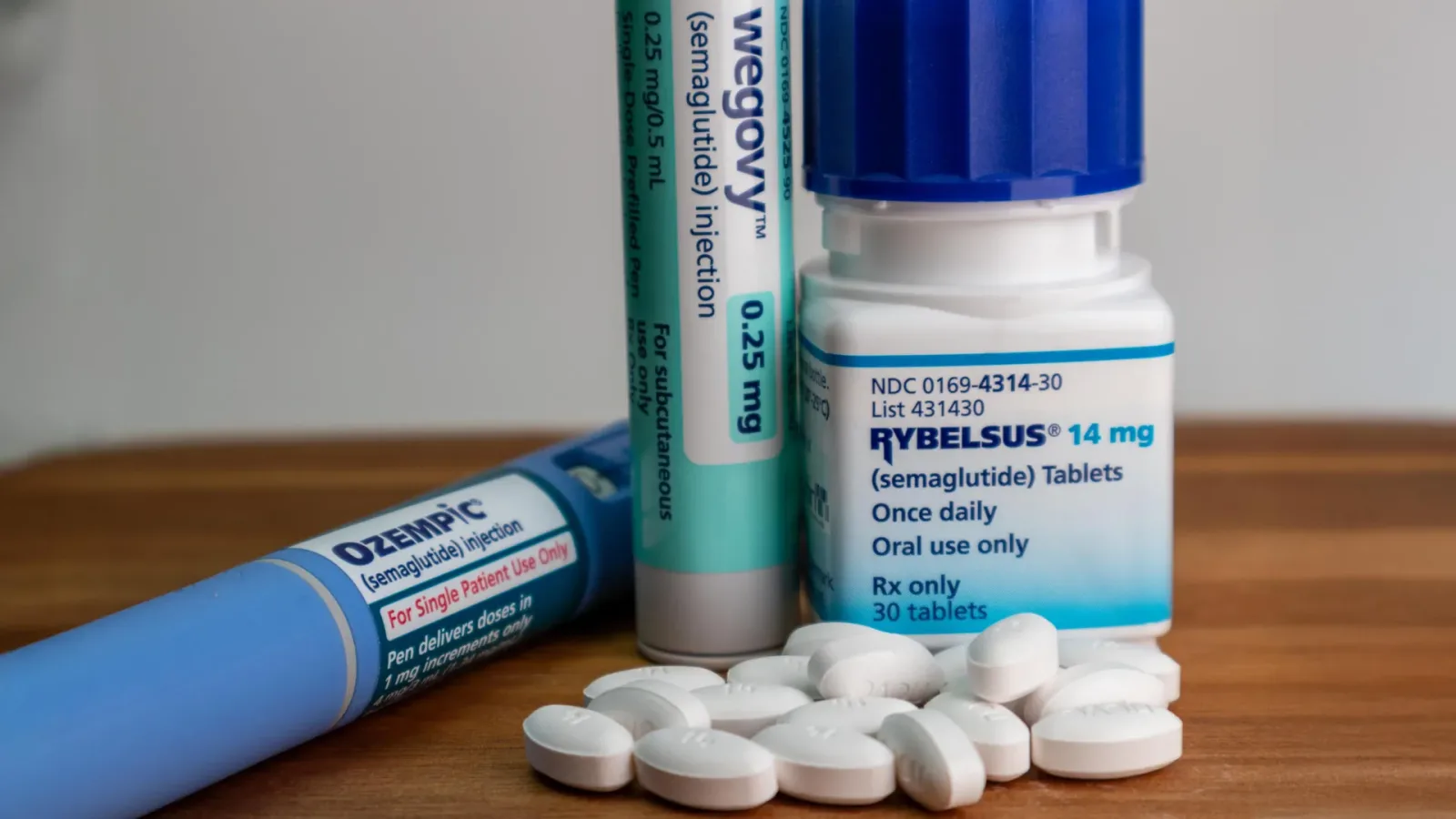
Indian drugmakers launched more than 15 generic versions of the glucagon-like peptide (GLP-1) agonist semaglutide within two days of the patent expiry. This influx triggered a sharp 50 to 70 per cent price drop compared to innovator drugs like Ozempic and Wegovy, marketed by Danish drugmaker Novo Nordisk.
The GLP-1 drug market in India has seen explosive growth, with sales surging 177 per cent over the past year on a moving annual turnover basis—from Rs 571 crore in February 2025 to Rs 1,446 crore in February 2026. New launches in the injectable GLP-1 segment, including tirzepatide and semaglutide, have fueled this demand amid India's diabetes epidemic.
India's Growing Diabetes Burden
India is home to 101 million people living with diabetes and another 136 million in the prediabetic stage, making it the second-highest nation for Type-II diabetes after China, per World Health Organization (WHO) estimates. Rising obesity rates further amplify the need for effective therapies like GLP-1 agonists, which regulate blood sugar, increase satiety, and slow stomach emptying for weight loss and improved glucose control in Type-II diabetes and obesity patients.
Government's Concerns Over Unauthorized Sales
The Union health ministry has flagged rising concerns over unauthorized retail, online, and clinic-based sales of GLP-1 drugs without proper medical supervision. 'With the recent introduction of multiple generic variants of GLP-1-based weight loss drugs in the Indian market, concerns have emerged regarding their on-demand availability through retail pharmacies, online platforms, wholesalers, and wellness clinics,' the ministry stated.
These drugs, when used without oversight, may lead to serious adverse effects and health risks. GLP-1 agonists are prescription-based, approved in India only for use by endocrinologists, internal medicine specialists, and for some indications by cardiologists, as per the Central Drugs Standard Control Organisation (CDSCO). CDSCO has barred drugmakers with marketing authorisation from direct sales or promotional activities.
Mechanisms of GLP-1 Agonists and Why Supervision Matters
GLP-1 agonists mimic the GLP-1 hormone, enhancing insulin secretion, suppressing glucagon, and delaying gastric emptying. This dual action improves glycemic control and promotes modest weight loss—typically 5-15% of body weight in clinical trials. However, off-label or unsupervised use for rapid weight loss can cause gastrointestinal issues like nausea, vomiting, diarrhea, and more severe risks such as pancreatitis, gallbladder disease, or thyroid tumors in animal studies.
Precision tracking for your journey
Join thousands using Shotlee to accurately track GLP-1 medications and side effects.
📱 Get the Shotlee App
Track your GLP-1 medications, peptides, and health metrics on the go with our mobile app!
Patients with Type-II diabetes or obesity should only start GLP-1 therapy under specialist guidance to monitor dosing (e.g., semaglutide starting at 0.25 mg weekly, titrating up) and screen for contraindications like medullary thyroid carcinoma history.
DCGI Enforcement Actions Intensify
The Drugs Controller General of India (DCGI), collaborating with state regulators, has scaled up targeted actions. Audits and inspections spanned 49 entities across multiple regions, focusing on online pharmacy warehouses, drug wholesalers, retailers, and wellness/slimming clinics. These checked for unauthorized sales, improper prescription practices, and misleading marketing.
Notices have been issued to defaulting entities, with warnings of stricter surveillance in coming weeks. Non-compliance will trigger penalties, licence cancellations, and prosecution under applicable laws.
Warnings on Expanded Prescribing
Concerns also arise that cheap generics could lead general physicians (GPs) and consulting physicians (CPs) to prescribe beyond approved scopes, diluting specialist oversight.
Patient Guidance: Safe Use of GLP-1 Medications
For those considering semaglutide or similar GLP-1 drugs like Ozempic, Wegovy, or generics:
- Consult Specialists: Seek endocrinologists or internal medicine experts for prescriptions.
- Monitor Side Effects: Common issues include nausea and injection-site reactions; report persistent symptoms promptly. Apps like Shotlee can help track symptoms, side effects, and medication schedules for better doctor discussions.
- Avoid Unverified Sources: Steer clear of online or clinic sales without valid prescriptions to prevent counterfeit risks.
- Lifestyle Integration: Combine with diet and exercise for optimal results in diabetes or obesity management.
Compared to alternatives like metformin or SGLT2 inhibitors, GLP-1s offer superior weight loss but require injection and higher costs, though generics are bridging that gap.
Key Takeaways: What This Means for Patients and Providers
- Centre plans stricter regulatory surveillance on semaglutide misuse, with penalties, licence cancellations, and prosecution for non-compliance.
- Over 15 generic versions post-patent expiry caused 50-70% price drops, boosting access but raising misuse risks.
- Government emphasizes prescription-only sales by qualified specialists amid 177% market growth.
- Patients: Prioritize supervised use to mitigate adverse effects; track progress diligently.
- Providers: Adhere to CDSCO guidelines to avoid enforcement actions.
Conclusion: Balancing Access and Safety in GLP-1 Therapy
India's crackdown on GLP-1 drug misuse underscores the tension between affordable access via generics and ensuring safe, supervised use amid a diabetes crisis. As sales soar, patients should discuss options like semaglutide with specialists, focusing on long-term metabolic health. Stay informed on regulatory updates to navigate this evolving landscape responsibly.