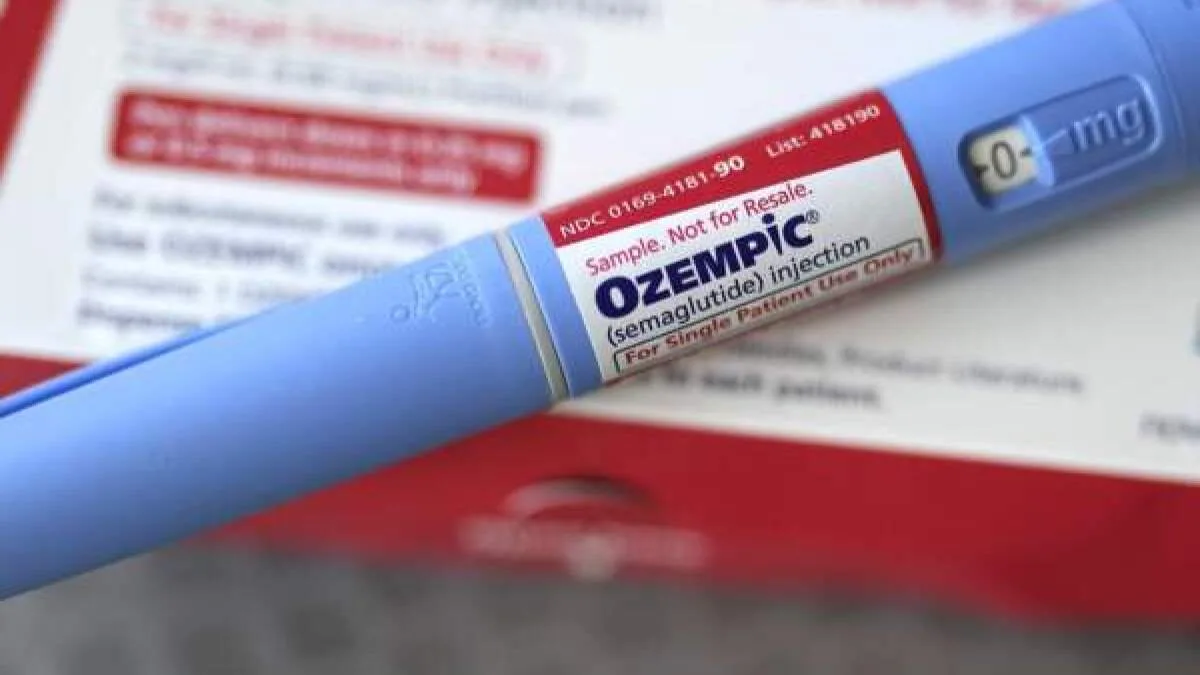

GLP-1 medications such as Ozempic and Wegovy are transforming eating habits across America, with reduced appetites and cravings for sweets and alcohol. Restaurants are responding by tailoring menus to accommodate these changes, ensuring diners on these drugs can enjoy balanced, nutrient-dense meals without waste or discomfort. This adaptation highlights a broader shift in the culinary landscape driven by the growing popularity of GLP-1 therapies for weight management and metabolic health.
The Rise of GLP-1 Drugs and Their Impact on Dining Out
GLP-1 receptor agonists like Ozempic (semaglutide) and Wegovy work by mimicking the glucagon-like peptide-1 hormone, which regulates blood sugar, slows gastric emptying, and signals fullness to the brain. This mechanism significantly suppresses appetite, often leading users to consume smaller portions and prioritize nutrient quality over quantity. For patients, this means dining out requires options that are visually appealing, flavorful, and packed with protein and fiber to prevent issues like muscle loss or gastrointestinal upset.
Clinically, maintaining muscle mass is crucial during weight loss on GLP-1 drugs, as rapid fat reduction without adequate protein can lead to sarcopenia. High-fiber foods support gut health, which is vital since these medications can cause nausea or constipation. Restaurants ignoring these needs risk losing GLP-1 users—and their dining companions—who may veto establishments lacking suitable choices.
Cuba Libre's Pioneering GLP-1 Menu: A Case Study
Leading the charge is Barry Gutin, co-founder of the Cuba Libre Restaurant and Rum Bar chain on the East Coast. Gutin recently introduced a dedicated menu for people on GLP-1 medications, recognizing the drugs' profound effects on eating patterns.
"I think it's not a fad," Gutin said. "I think it's a significant shift in the way people are eating. And, you know, there's a great deal of obesity in the U.S. and other countries, and these drugs are becoming more popular, easier to get, less expensive. They're moving from injectables to pills. So I see it gaining steam."
The Origin Story Behind the Menu
The idea sparked from real diner feedback. "Actually, two friends of mine at different tables on the same night were on GLP-1 drugs and were teaching me how they have to eat. And one had suggested, 'Why don't you have a special menu for us?' I thought it was a good idea," Gutin recounted.
These friends emphasized more than just smaller appetites: meals must look and smell enticing to overcome suppressed hunger, while delivering essential nutrients. Gutin collaborated with Dr. Charlie Seltzer, a Philadelphia-based weight loss specialist, to develop five dishes featuring high protein, high fiber, moderate to low fat, and moderate to low calories in smaller portions—at reduced prices to match.
Sample Dishes and Nutritional Design
Every dish minimizes carbohydrates to prioritize protein and fiber, preventing users from filling up on empty calories like rice or pasta. A standout is the beef dish ropa vieja, a traditional Cuban braised, shredded, and stewed beef brisket with tomatoes, bell peppers, onions, a reduced portion of rice and beans, and asparagus. The menu also includes chicken, salmon, and shrimp options, all with listed nutritional facts: calories, fat, fiber, carbohydrates, and protein.
- High protein: Supports muscle preservation during GLP-1-induced weight loss.
- High fiber: Aids digestion and satiety.
- Moderate/low fat and calories: Aligns with smaller appetites.
- Smaller portions/prices: Reduces waste and cost.
Business Strategy: Opportunity Over Risk
Gutin views this as an opportunity, not a risk, despite potential revenue dips from less food and alcohol consumption. "If we can super-serve these guests and they have a group of people, we may gain that group of people because the GLP-1 diner knows that he can get what he needs there," he explained.
Precision tracking for your journey
Join thousands using Shotlee to accurately track GLP-1 medications and side effects.
📱 Get the Shotlee App
Track your GLP-1 medications, peptides, and health metrics on the go with our mobile app!
The strategy extends beyond GLP-1 users. Cuba Libre tested "Lighter portions, lighter prices, nutritionally balanced" sections on main dinner menus in Philadelphia and Washington, D.C., incorporating three unchanged GLP-1 dishes. Results? About 25% of ropa vieja sales come from the lighter portions category, attracting health-conscious diners regardless of medication status.
Practical Guidance for GLP-1 Users Dining Out
For those on Ozempic, Wegovy, or similar GLP-1 therapies, seek restaurants offering customizable or nutrient-focused options. Prioritize protein-rich entrees (aim for 20-30g per meal), fiber from vegetables, and minimal refined carbs. Discuss portion sizes with servers and start with appetizers if full meals overwhelm.
Consult your doctor about nutritional needs, especially if experiencing side effects like nausea. Tools like Shotlee can help track symptoms, side effects, and medication-aligned meal logs for better management. Always balance GLP-1 use with resistance training and monitoring for deficiencies in vitamins or electrolytes.
Safety Considerations with GLP-1 Drugs
While effective for weight loss and metabolic health, GLP-1s carry risks like gastrointestinal issues, dehydration, or pancreatitis. Smaller, balanced meals mitigate these by easing digestion. Compared to alternatives like older weight loss drugs (e.g., phentermine), GLP-1s offer superior cardiovascular benefits but require vigilant nutrition.
Industry-Wide Trends and Future Outlook
Cuba Libre's move reflects a growing trend. As GLP-1 prescriptions surge—fueled by pills like oral semaglutide—more chains may follow with "GLP-1 friendly" labels. This caters to obesity epidemics while appealing to wellness trends like intermittent fasting or low-carb diets.
Non-GLP-1 diners benefit too, as lighter options promote mindful eating. Gutin's approach ensures inclusivity: GLP-1 users dine with friends ordering full portions, avoiding vetoes.
Key Takeaways for Patients and Restaurants
- GLP-1 drugs like Ozempic reduce appetite, necessitating high-protein, fiber-rich, smaller meals.
- Cuba Libre's menu, developed with Dr. Charlie Seltzer, exemplifies adaptation with dishes like ropa vieja.
- Business wins: 25% lighter portion sales show broad appeal.
- Patients: Look for nutritional transparency; track intake for optimal health.
- Trend: Expect more restaurants prioritizing balanced, affordable smaller plates.
Conclusion: A New Era of Mindful Dining
Restaurants adapting to GLP-1 usage signal a cultural shift toward sustainable eating amid obesity challenges. Stories like Barry Gutin's at Cuba Libre empower users to dine confidently. Patients should partner with healthcare providers, explore these menus, and leverage apps for tracking to maximize benefits. This evolution benefits everyone pursuing metabolic health.
This interview was edited for clarity. Samantha Raphelson produced and edited this interview for broadcast with Michael Scotto. Scotto also produced it for the web. Originally published on WBUR.org.