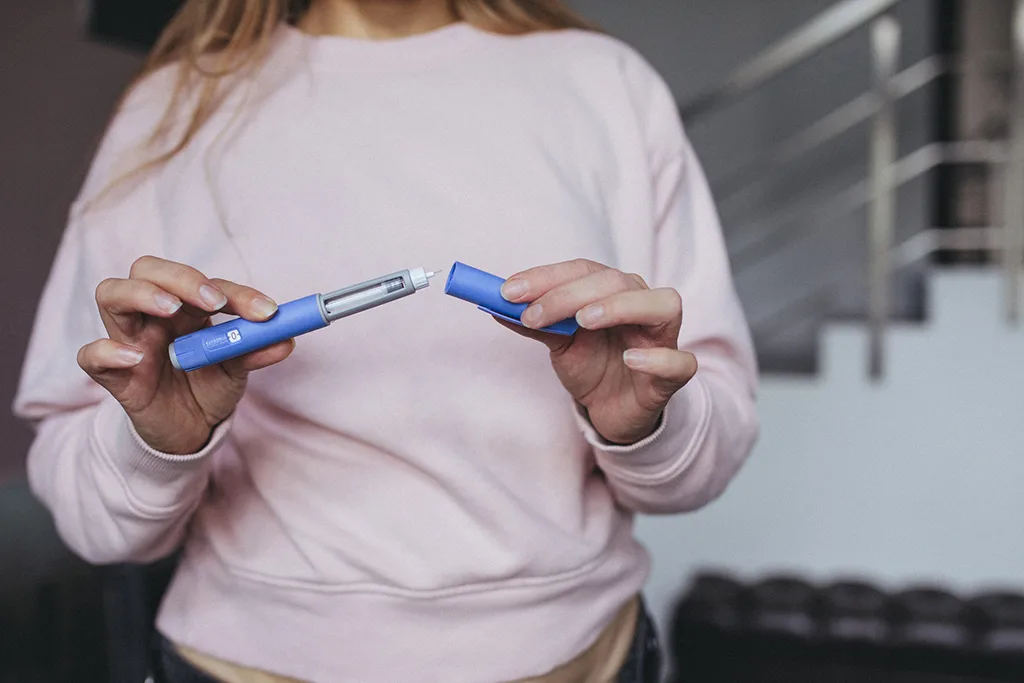

The surge in GLP-1 medications like Ozempic, Wegovy, and Mounjaro is prompting a profound shift in how Americans dine out. These weight loss drugs, used by roughly 6% of U.S. adults with projections for continued growth, drastically reduce appetites by mimicking hormones that regulate hunger and blood sugar. This leads to customers ordering less, skipping courses, or avoiding restaurants altogether, challenging the industry to rethink portion sizes, menu offerings, and business models.
Understanding GLP-1 Medications and Their Impact on Appetite
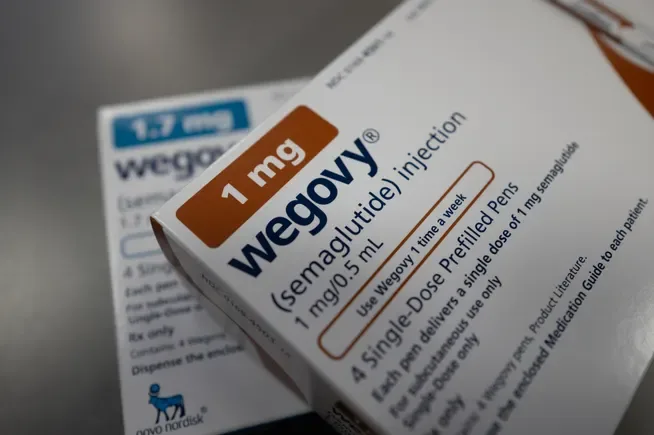
GLP-1 receptor agonists such as Ozempic (semaglutide), Wegovy (higher-dose semaglutide), and Mounjaro (tirzepatide) work by imitating glucagon-like peptide-1, a gut hormone that signals fullness to the brain and slows gastric emptying. This mechanism not only aids weight loss and blood sugar control but also profoundly affects eating behaviors, including dining out. Users feel full much faster, often after just a few bites, transforming a typical restaurant meal from appetizers, entrees, and desserts into a single shared main course.
For patients on these therapies, this satiety effect is a core benefit in managing metabolic health conditions like obesity and type 2 diabetes. However, it creates ripple effects beyond personal health, influencing social dining norms and the $1 trillion U.S. restaurant sector. Tools like Shotlee can help users track appetite changes and meal patterns, ensuring they maintain nutrition while adapting socially.
Industry Grapples with Shrinking Appetites and Profits
Restaurant operators are confronting a tough reality as GLP-1 use expands. Millions of potential customers now eat significantly less, leading to uneaten meals, increased food waste, and direct hits to revenue. Fine dining establishments, reliant on multi-course meals and high per-person spends, report parties of four spending what two diners once did—often because Ozempic users can barely finish an appetizer.
Fine Dining Under Pressure
Upscale venues built their economics around lavish, portion-heavy experiences. The Ozempic phenomenon disrupts this, as reduced appetites make substantial courses unappealing. Operators note a clear pattern: GLP-1 users prioritize quality over quantity, but the shift challenges fixed costs like staffing and premium ingredients.
Casual Dining and Broader Impacts
Casual chains, with value tied to generous portions, face similar woes at lower price points. Additionally, alcohol sales suffer, as many on Ozempic, Wegovy, or Mounjaro cut back due to heightened sensitivity or potential interactions that exacerbate side effects like nausea. This compounds profit pressures across segments.
Restaurants Experiment with Menu Adaptations for the Ozempic Era
Proactive eateries are innovating to align with smaller appetites. Smaller portion options now complement traditional sizes, though kitchens grapple with dual preparations, quality control, and pricing that doesn't alienate non-users. Appetizer-focused and tapas-style restaurants stand to gain, offering shareable plates ideal for mixed groups—some on GLP-1 meds, others not—while minimizing waste.
Precision tracking for your journey
Join thousands using Shotlee to accurately track GLP-1 medications and side effects.
📱 Get the Shotlee App
Track your GLP-1 medications, peptides, and health metrics on the go with our mobile app!
Wellness Menus and Lighter Fare
Some introduce "wellness menus" or lighter sections with protein-forward, low-carb dishes in reduced sizes. While beneficial for metabolic health alignment, terminology sparks debate; explicit Ozempic targeting risks excluding traditional customers. These adaptations support users maintaining balanced intake, emphasizing nutrient density over volume.
Comparatively, alternatives like older weight loss drugs (e.g., phentermine) had less pronounced appetite effects, making GLP-1s uniquely disruptive. Patients should discuss dining strategies with providers, focusing on hydration and protein to counter any GI side effects common with these meds.
Delivery and Takeout Face Separate Challenges
Post-pandemic delivery boomed, but Ozempic users order less often and opt for smaller amounts, straining minimum order economics and fees. A silver lining: "leftover culture" revives, with full meals stretched over days. Yet, this aids users more than restaurants, and social dining reductions further cut visits.
Long-Term Industry Adaptation Remains Uncertain
Like past disruptions (economic shifts, pandemics), the restaurant world will evolve, but this stems from biological changes via GLP-1s. Analysts predict segmentation: some spots for small-portion health diners, others for generous servings. A broader norm of reduced portions could emerge as adoption grows.
This underscores medical innovations' economic ripples. As Ozempic and peers become mainstream for metabolic health, restaurants must adapt to retain a key demographic.
What This Means for Patients and Diners on GLP-1 Medications
For users, prioritize venues with flexible options like tapas or small plates to enjoy social meals without discomfort. Communicate needs upfront—share plates or box leftovers early. Monitor side effects; reduced alcohol mitigates risks. Consult doctors on nutrition, as sustained satiety supports long-term weight management.
Key Takeaways
- GLP-1 drugs like Ozempic reduce appetites, leading to less ordering and food waste at restaurants.
- 6% of U.S. adults use these meds, pressuring fine dining, casual chains, and delivery.
- Adaptations include smaller portions, tapas, and wellness menus.
- Users benefit from shareable, nutrient-dense options; track habits with apps like Shotlee.
- Industry may segment or normalize smaller servings long-term.
Conclusion
Ozempic users are reshaping America's dining landscape, compelling restaurants to innovate amid biological shifts from GLP-1 therapies. By embracing smaller, flexible offerings, the industry can thrive while supporting metabolic health goals. Diners on these meds: seek accommodating spots, prioritize balance, and discuss adaptations with healthcare teams for optimal outcomes.