Super Bowl LX ads are capturing massive attention, with GLP-1 weight-loss drugs emerging as a key trend amid AI innovations and celebrity endorsements. As Super Bowl Sunday approaches, advertisers are battling for over 120 million viewers, stuffing spots with stars from Kendall Jenner to George Clooney, nostalgic icons like Budweiser Clydesdales, and timely themes reflecting America's mood—from health breakthroughs to tech advancements.
The Massive Stakes of Super Bowl LX Advertising
Super Bowl 60, airing on NBC, draws dozens of advertisers pulling out all stops. Each year, these ads snapshot cultural shifts and booming industries, like the "Dot-Com Bowl" of 2000 or "Crypto Bowl" of 2022. This year, health and telehealth companies promoting GLP-1 weight-loss drugs and medical tests join tech firms flaunting AI gadgets and apps.
Villanova University marketing professor Charles Taylor notes the light tone amid heavy news: "Because of the Super Bowl's status as a pop culture event with a fun party atmosphere, the vast majority of brands will avoid any dark or divisive tone and instead allow consumers to escape from thinking about these troubled times."
Record-breaking prices underscore demand. In 2025, 127.7 million U.S. viewers tuned in across TV and streaming—a new high. NBC sold out ad space in September, with 30-second spots averaging $8 million, some hitting $10 million-plus, per Peter Lazarus, executive vice president of sports & Olympics advertising at NBCUniversal. He dubs February—with Super Bowl, Olympics, and NBA All-Star—"legendary." Lazarus adds 40% of advertisers bought across NBC sports, 70% grabbing Olympics too.
Celebrity Power in Super Bowl LX Spots
Celebs drive goodwill. Fanatics Sportsbook features Kendall Jenner discussing the "Kardashian Kurse," where bad luck hits basketball players she dates. George Clooney stars in Grubhub's "Eat the Fees" promo for $50+ orders.
Multi-star ads abound: Michelob Ultra has Kurt Russell training Lewis Pullman, watched by Olympic snowboarder Chloe Kim and hockey player T.J. Oshie on a ski slope. Xfinity reunites Sam Neill, Laura Dern, and Jeff Goldblum in a fun Jurassic Park twist, with a tech restoring island power. Uber Eats brings back Matthew McConaughey convincing Bradley Cooper and Parker Posey that football fuels hunger for deliveries.
AI's Growing Role in Super Bowl Advertising
AI waves again. Oakley Meta's spots show Spike Lee, Marshawn Lynch, and others using AI glasses for video and queries. Wix Harmony debuts AI web design software; they also air for Base44 AI app builder. OpenAI teases an unrevealed ad. Svedka Vodka, via Silverside AI, revamps robot mascots FemBot and BroBot. Sazerac CMO Sara Saunders explains: "We reimagined the robot via AI. It took us many, many months to rebuild her, to give her functionality, to give her that human spirit that we wanted to show up on behalf of the brand."
The GLP-1 Super Bowl: Weight-Loss Drugs Take Center Stage
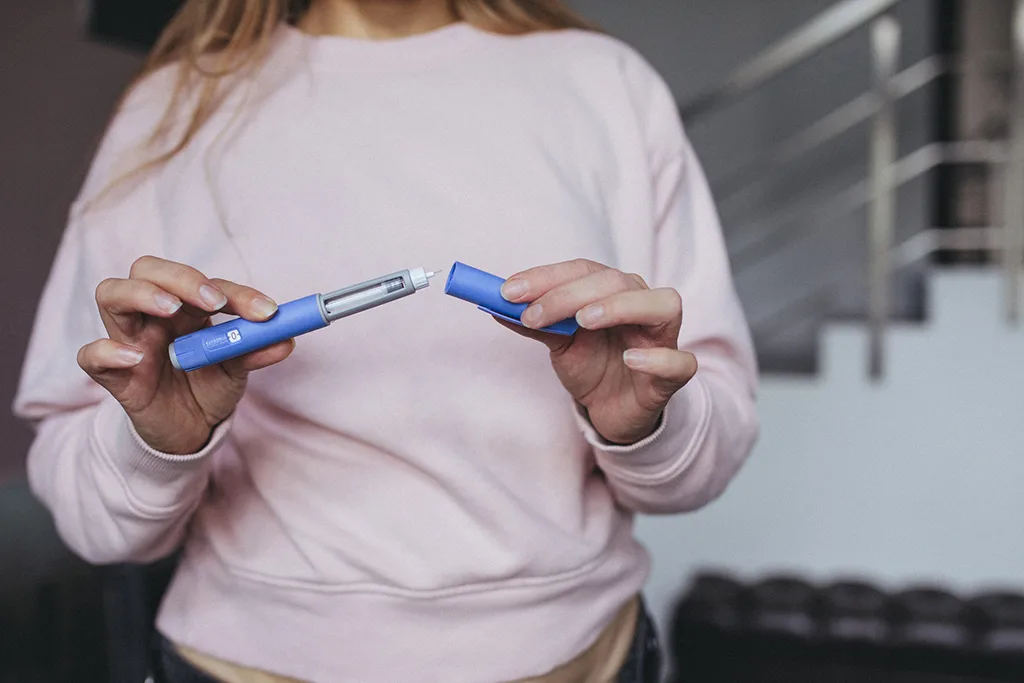
Health and telehealth dominate, especially GLP-1 drugs—glucagon-like peptide-1 receptor agonists like semaglutide (Ozempic, Wegovy) that mimic gut hormones to regulate blood sugar, slow digestion, and curb appetite for significant weight loss and metabolic benefits.
Telehealth firm Ro uses Serena Williams to promote GLP-1 weight-loss drugs. Novo Nordisk, maker of Wegovy and Ozempic, teases a spot. Hims & Hers advertises GLP-1 access, claiming it democratizes elite healthcare: "better access to health care that usually only rich people get."
Northwestern's Tim Calkins dubs it "the GLP-1 Super Bowl": "Often you don't see a lot from pharmaceutical companies on the Super Bowl, but this year we're going to see quite a few showing up."
Precision tracking for your journey
Join thousands using Shotlee to accurately track GLP-1 medications and side effects.
📱 Get the Shotlee App
Track your GLP-1 medications, peptides, and health metrics on the go with our mobile app!
Why GLP-1 Drugs Are Booming in Ads
GLP-1s exploded post-COVID for obesity and type 2 diabetes management. Ozempic and Wegovy reduce weight by 15-20% via appetite suppression and improved insulin sensitivity. Clinical trials show cardiovascular perks, like reduced heart attack risk. Their $8-10M ad slots signal mainstream acceptance amid supply shortages and off-label use.
Telehealth like Ro and Hims & Hers offer compounded GLP-1s (e.g., semaglutide) at lower costs ($200-400/month vs. $1,000+ branded), with online consults bypassing traditional barriers. This ad blitz targets 40%+ U.S. adults with obesity seeking accessible metabolic health solutions.
GLP-1 Mechanisms and Benefits Explained
GLP-1s activate brain and gut receptors, signaling fullness, delaying gastric emptying, and boosting insulin while curbing glucagon. Beyond weight loss, they lower A1C by 1-2%, improve NAFLD, and cut major adverse cardiac events (MACE) by 20% in trials like SELECT for Wegovy.
- Weight Loss: 12-15% body weight in 68 weeks (Wegovy trials)
- Heart Health: 20% reduced risk of heart attacks, strokes
- Diabetes Control: FDA-approved for type 2; Ozempic lowers CV death risk
Safety, Side Effects, and Patient Guidance
Common side effects: nausea, vomiting, diarrhea (often transient). Rare: pancreatitis, thyroid tumors (animal data). Start low-dose (0.25mg weekly), titrate up. Not for type 1 diabetes or history of medullary thyroid cancer.
Discuss with doctors: BMI ≥30, or ≥27 with comorbidities. Monitor via apps like Shotlee for symptoms, side effects, or schedules. Combine with diet/exercise for best results. Compare: Branded (Novo) vs. compounded (Ro/Hims)—efficacy similar, but check FDA compounding rules.
Other Health Ads and Tried-and-True Themes
Novartis pushes prostate cancer blood tests with "Relax your tight end" via football tight ends. Boehringer Ingelheim features Octavia Spencer and Sofia Vergara for kidney disease screening. Liquid I.V. promotes hydration.
Traditionals persist: Budweiser's Clydesdale foal and bald eagle to Lynyrd Skynyrd's "Free Bird" for 150th anniversary. Pepsi's polar bears pick Pepsi Zero Sugar over Coke Zero in a blind test, caught on "kiss cam."
Surprises and Holdouts
Most teasers build buzz, but surprises loom. Poppi (Pepsi) stars Charli XCX and Rachel Sennott. Dunkin' reunites Ben Affleck with Jennifer Aniston, Matt LeBlanc, and Jason Alexander. Fewer cars, but Cadillac hints at its Formula 1 machine.
Key Takeaways: What Super Bowl LX Ads Mean for Patients
- GLP-1 visibility signals accessibility via telehealth—Ro, Hims & Hers, Novo Nordisk lead.
- Record ad spends reflect demand; consult providers before starting.
- Pair meds with lifestyle; track progress for metabolic health wins.
- Ads escape heavy news, but real benefits backed by trials.
Conclusion: GLP-1's Cultural Moment
Super Bowl LX cements GLP-1 weight-loss drugs as cultural icons alongside AI and celebs. For patients, these ads spotlight proven therapies for obesity, diabetes, and heart health. Speak to your doctor about eligibility, weigh options like Ozempic/Wegovy vs. compounded versions, and leverage tools for adherence. This visibility could transform metabolic health access.