
GLP-1 Drugs Like Ozempic Rewriting Denver Restaurant Menus?
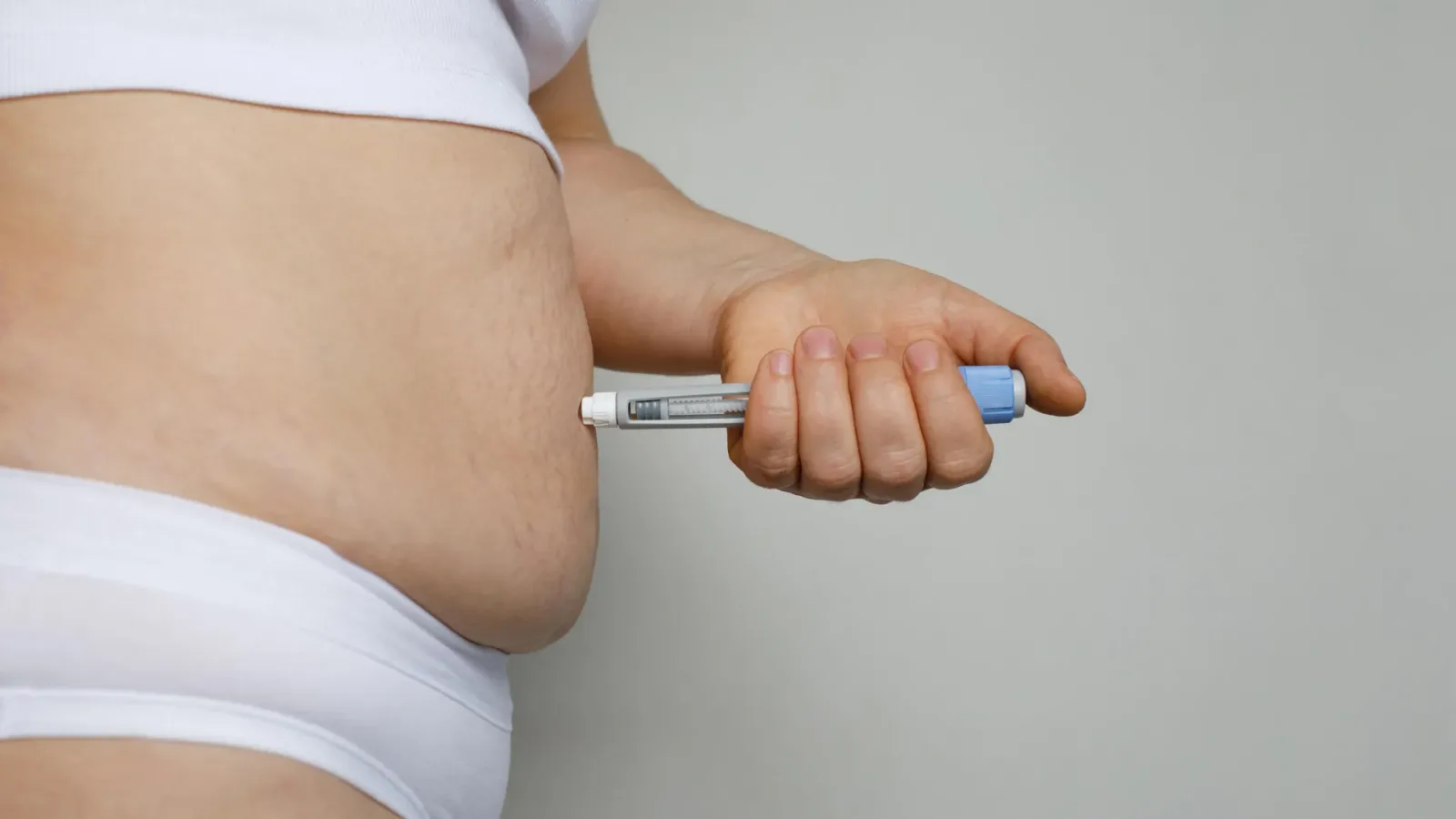
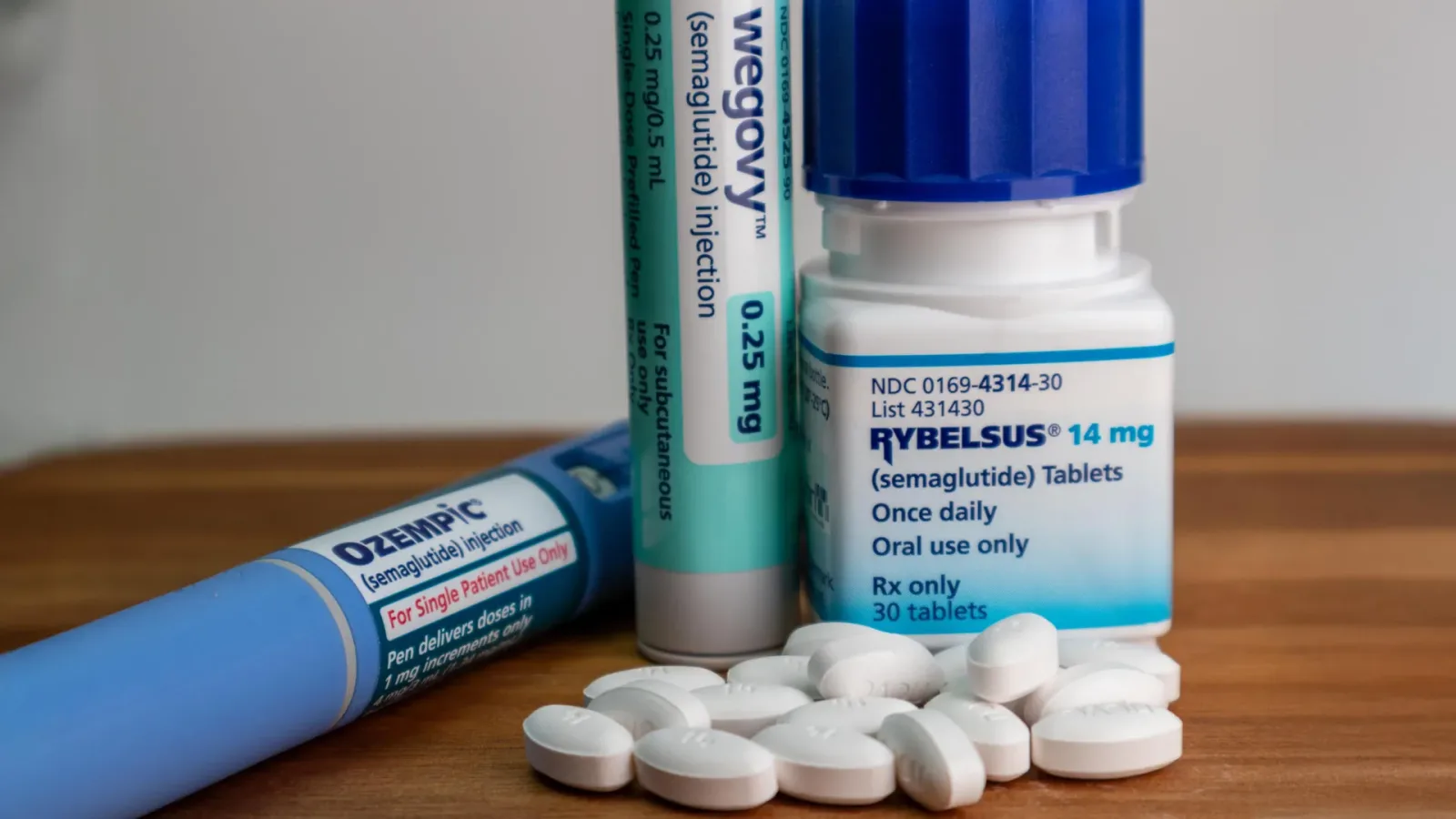
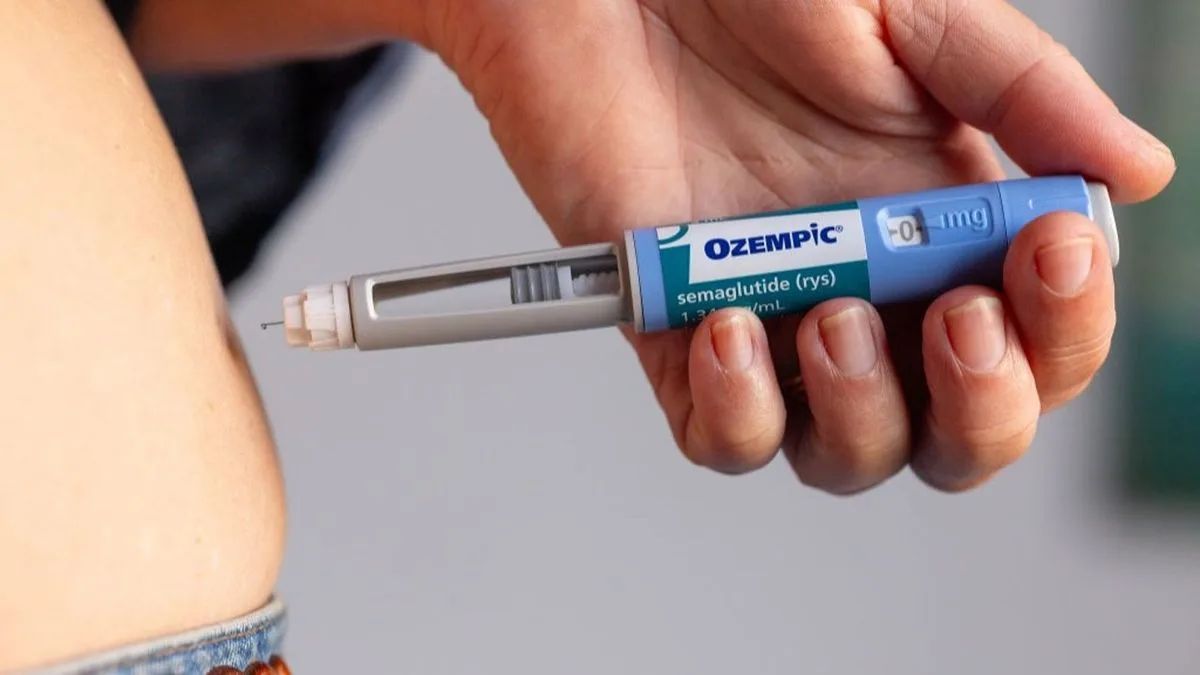
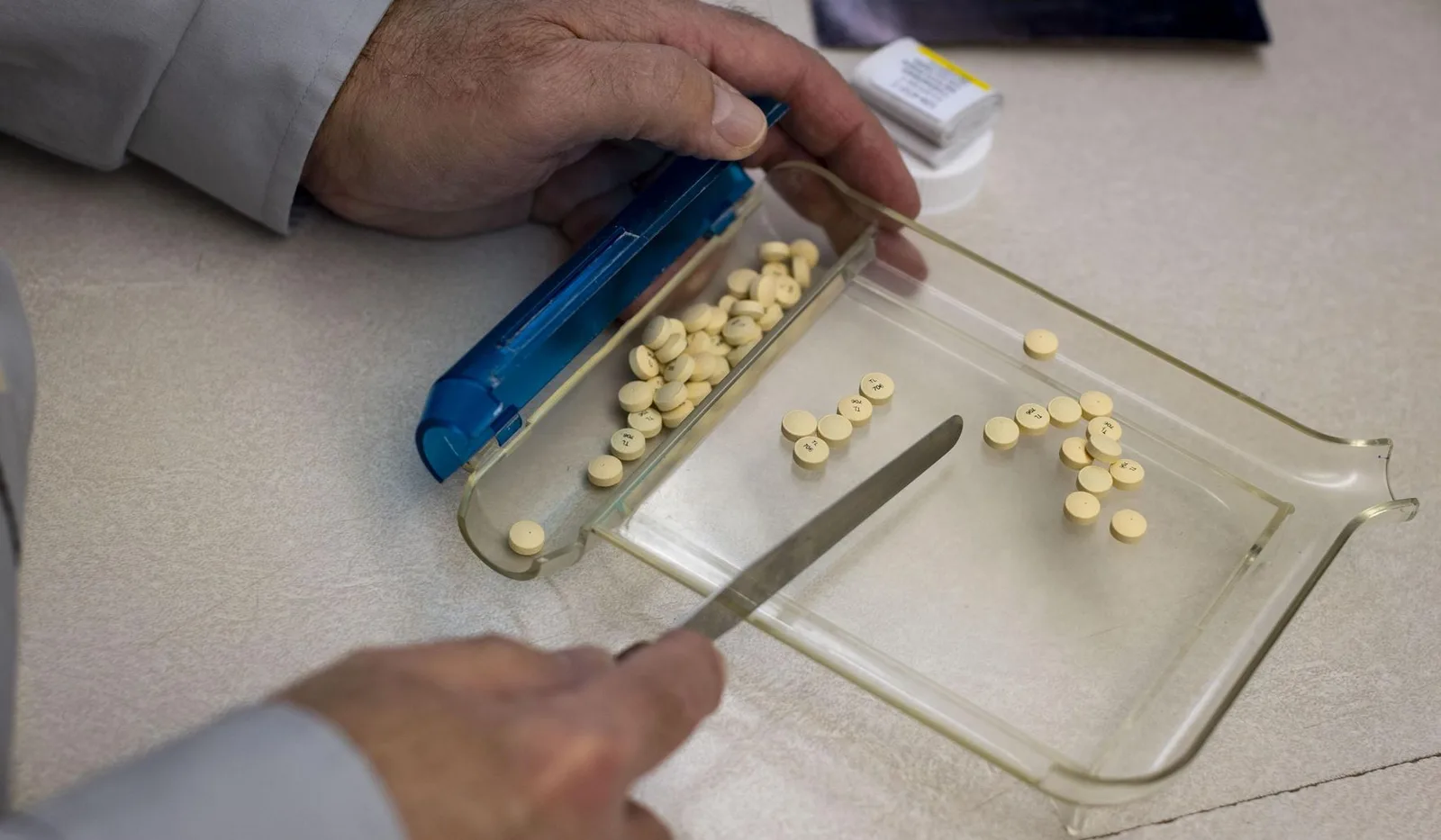
GLP-1 weight-loss drugs like Ozempic, Wegovy, and Mounjaro are transforming more than just waistlines—they're influencing how restaurants in Denver and nationwide design their menus. Originally developed for metabolic control, these medications have triggered a cultural shift in appetite, leading to downsized portions, protein-heavy dishes, and even low-alcohol cocktails. This guide dives into the story behind this change, backed by real restaurant insights and clinical context on how GLP-1s work.
The Rise of GLP-1 Medications and Their Unexpected Impact on Eating Habits
GLP-1 drugs, designed to regulate blood sugar, weren't supposed to disrupt how we eat. They were built for metabolic control, not cultural upheaval, but it's their effect on appetite that's been the plot twist. The first GLP-1 drug was approved in 2005 to treat Type 2 diabetes, but it wasn't until more potent options like Ozempic entered the cultural lexicon in recent years that widespread awareness grew.
Over the past couple of years, as millions of Americans began taking these GLP-1s—and as appetites have shrunk—restaurants started to notice. An estimated 18% of Americans have taken a GLP-1 drug for one reason or another, with numbers expected to grow substantially this year as new pills hit the market and prices come down.
How GLP-1 Drugs Work: The Science Behind Reduced Appetite
These medications mimic a naturally occurring hormone called glucagon-like peptide-1 (GLP-1), which regulates blood sugar, slows digestion, and signals fullness to the brain. This mechanism erases hunger long before finishing that "personal" pizza, leading not just to weight loss but a complete reset of appetite. Users often report eating becomes a chore rather than a joy, with fewer bites needed for satisfaction—from 30 bites to just 13.
For patients on GLP-1 therapy, this shift matters clinically. By promoting satiety, these drugs help manage Type 2 diabetes, obesity, and related conditions. However, preserving muscle mass during weight loss is crucial, which is why protein intake becomes paramount. Tools like symptom-tracking apps (such as Shotlee) can help users monitor appetite changes, energy levels, and nutrient intake alongside their medication schedules.
Denver Restaurants Adapting to the GLP-1 Appetite Shift
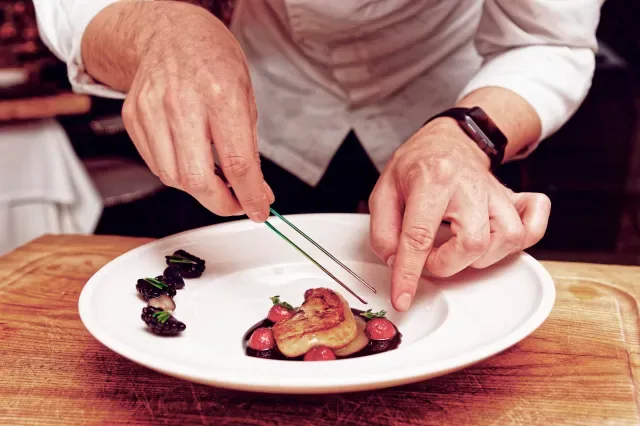
If you want to see how drugs like Ozempic, Wegovy, and Mounjaro have reshaped how we eat, don't look to a scale or a lab report. Look at a restaurant menu. In Denver, establishments are leading the charge with changes like downsized portions, cocktails losing their alcohol content, and protein pushing its way into everything from morning coffee to ice cream cones.
Olive & Finch: Quality and Flavor Over Quantity
"Before, if you didn't have these gargantuan portions [on your menu], you were frowned upon," said Brent Berkowitz, COO of Denver-based Olive & Finch restaurants. "The trend is flipping around. Now it's about quality and flavor over quantity."
At Olive & Finch, which has locations in Cherry Creek, Uptown, Union Station, the Denver Performing Arts Complex, and Little Finch on 16th Street, this looks like adding smaller, protein-dense plates and shedding empty calories. "It's monstrous, the emphasis on protein," Berkowitz said. "I've been on GLPs. You don't feel like eating. Eating becomes a chore, not something you enjoy." Protein is key to ensure weight comes off without losing muscle mass.
Culinary Creative Group: Playful Nods to GLP-1 Users
Carrie Baird, partner and culinary director of Culinary Creative Group (running Tap & Burger, Mister Oso, Bar Dough, and Fox and the Hen), gave a playful nod with a new "Green Lean Protein" section (GLP—get it?) featuring smaller-portion, higher-protein burgers at Tap & Burger. "I think the demand is there," Baird said. "For me, writing menus, I want to make sure I'm making these things available to people who want to eat like that. I want to give them the options."
Precision tracking for your journey
Join thousands using Shotlee to accurately track GLP-1 medications and side effects.
📱 Get the Shotlee App
Track your GLP-1 medications, peptides, and health metrics on the go with our mobile app!
Her next goal? Sugar-free mocktails, as GLP-1s can make alcohol less appealing—building on the sober movement's momentum.
Demand Across Denver Neighborhoods
Demand for GLP-friendly options shows up at all Olive & Finch locations but is strongest at Cherry Creek and the Arts Complex. Even in less image-conscious areas, the appetite shift is real, proving this isn't just a demographic trend.
National Chains Following Denver's Lead
The GLP-1 era has reached corporate test kitchens nationwide. Olive Garden added a "lighter portion" section in December 2025. Subway introduced $3.99 Protein Pockets in January, and Shake Shack offers bun-less burgers on its "Good Fit" menu, echoing Atkins-era trends.
Smoothie King was direct, launching a GLP-1 Support Menu in 2024 with high-protein, no-added-sugar smoothies designed for Ozempic users. While most spots avoid naming GLP-1s outright, the adaptations speak volumes.
What This Means for Patients and Diners on GLP-1 Therapy
Practical Guidance for Eating Out on Ozempic or Wegovy
- Opt for protein-first dishes: Prioritize options like those at Olive & Finch to maintain muscle during weight loss.
- Choose smaller portions: Aligns perfectly with reduced appetite—ask for half-sizes if not listed.
- Explore mocktails and low-sugar drinks: Reduces appeal of alcohol and supports metabolic health.
- Discuss with your doctor: GLP-1s like Mounjaro can interact with diet; track side effects like nausea via apps for better management.
Safety Considerations and Side Effects
Common side effects include slowed digestion and reduced hunger, which menus are accommodating. However, ensure balanced nutrition to avoid deficiencies. Consult healthcare providers before starting, especially if you have gastrointestinal issues.
Comparisons to Alternatives
Unlike traditional diets, GLP-1s provide hormonal support for lasting appetite control. They're not vanity meds—18% usage reflects broad medical need for diabetes and obesity management.
Key Takeaways: GLP-1s Convincing America Less Is More
- GLP-1 drugs like Ozempic are resetting appetites, prompting restaurants from Denver's Olive & Finch to national chains to offer smaller, protein-rich options.
- Protein emphasis preserves muscle; demand spans neighborhoods and demographics.
- For patients: Seek GLP-friendly menus, track intake, and prioritize quality over quantity.
What began as a medical intervention is rewriting menus. These drugs may not have been designed to change how we eat, but here we are: protein everywhere, prescription-friendly smoothies, and portions measured by appetite. GLP-1s have done what no menu could—convincing insatiable Americans that less is more.
Originally inspired by Allyson Reedy's insights on Denver dining trends.