
How Drugs Like Ozempic Revolutionize Kidney Treatment
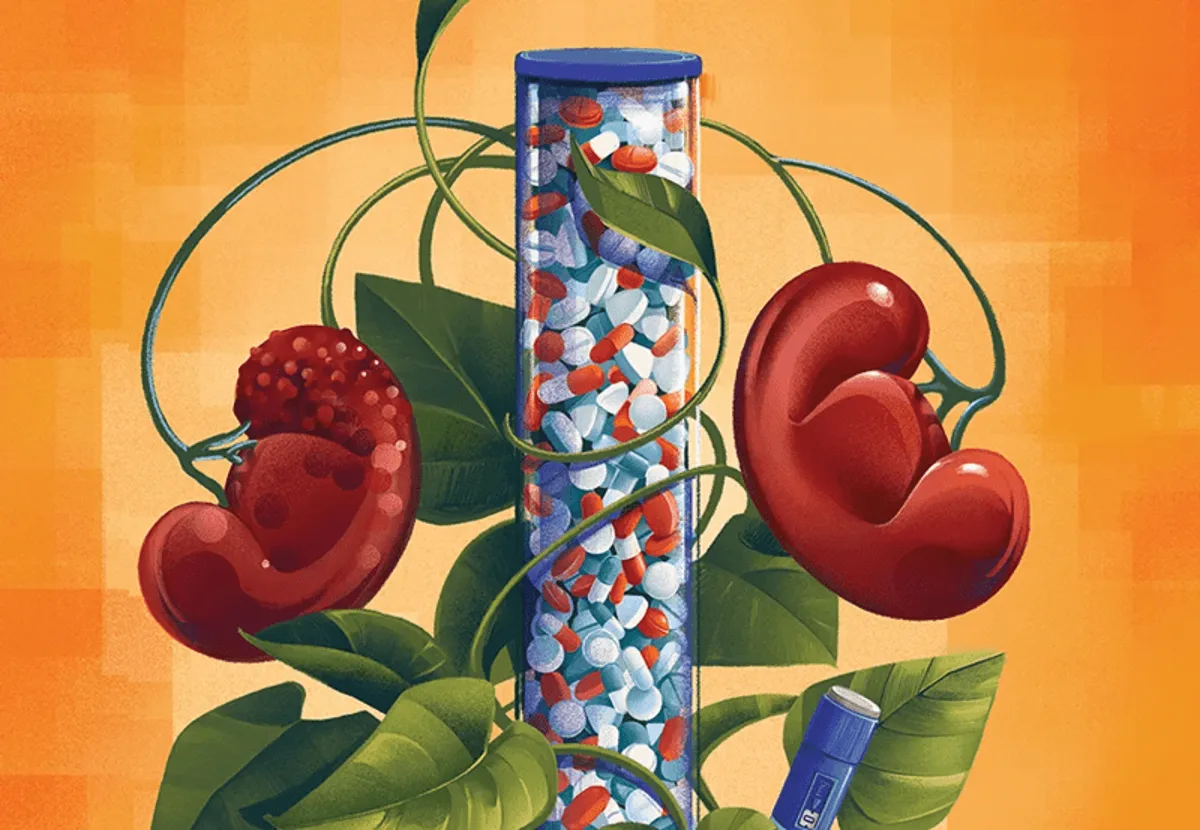
Drugs like Ozempic (semaglutide), a GLP-1 receptor agonist, are revolutionizing kidney treatment alongside SGLT2 inhibitors and mineralocorticoid receptor antagonists (MRAs) like finerenone. These medications, originally developed for type 2 diabetes, obesity, and cardiovascular disease, are now proven to preserve kidney function in chronic kidney disease (CKD) patients. With CKD affecting more than one in seven people in the U.S. and ranking as the ninth-leading cause of death worldwide in 2023, these advancements offer hope where traditional therapies fell short.
The Burden of Chronic Kidney Disease and Limited Past Options
Chronic kidney disease intertwines with diabetes, cardiovascular disease, and obesity, driving researchers to repurpose metabolic drugs for kidney protection. Until recently, only renin-angiotensin system (RAS) inhibitors slowed CKD progression, reducing risk by 15 to 50 percent. However, as nephrologist Maarten Taal from the University of Nottingham notes, "Although they slowed progression, they didn't halt it," and they didn't work for everyone.
RAS inhibitors target angiotensin, a hormone that constricts blood flow, increases salt and water retention, and accelerates damage. Discovered in the 1980s as a "master regulator" of kidney deterioration—regardless of cause like diabetes, high blood pressure, or glomerulonephritis—these drugs marked progress but left a gap after 15 years of stalled innovation.
SGLT2 Inhibitors: The First Major Breakthrough
The tide turned in 2019 with a trial of canagliflozin, an SGLT2 inhibitor approved in 2013 for type 2 diabetes. Presented at a conference, results were so impressive that the audience applauded: lower creatinine levels (a kidney damage marker), reduced renal/cardiovascular deaths, and fewer cases of end-stage kidney disease requiring dialysis or transplants. The trial stopped early due to overwhelming benefits.
Subsequent trials confirmed broader applicability. Dapagliflozin (2020) benefited non-diabetics, while empagliflozin (2022) protected even low-risk patients with minimal albuminuria. Nephrologist David Cherney from the University of Toronto emphasized, "That trial showed benefit across basically the entire spectrum of people with and without albuminuria."
How SGLT2 Inhibitors Work for Kidneys
SGLT2 inhibitors block a protein that reabsorbs glucose and sodium, promoting glucose excretion in urine, lowering blood sugar, and modestly reducing weight. They also decrease sodium reabsorption, lowering blood pressure and restoring glomerular filtration feedback. Crucially, they reduce pressure in kidney blood vessels, easing protein leakage, mechanical stress, and fibrosis (scar tissue buildup).
In combination with RAS inhibitors, SGLT2s cut progression risk by an additional 30 percent. One study predicts adding them to early-stage CKD regimens could extend kidney life by over 20 years. Taal calls it "a game changer," recommending them for most CKD patients.
Finerenone and MRAs: Targeting Fibrosis
Finerenone, an MRA, emerged from heart failure research and gained CKD approval in 2021 after studies showed improved cardiovascular outcomes and reduced progression. A New England Journal of Medicine study last summer tested it with empagliflozin: "The effects are additive, so if you get both, you get about double the benefit of one or the other," Taal says—all atop RAS inhibitors.
GLP-1 Receptor Agonists Like Ozempic: Multi-Organ Protection
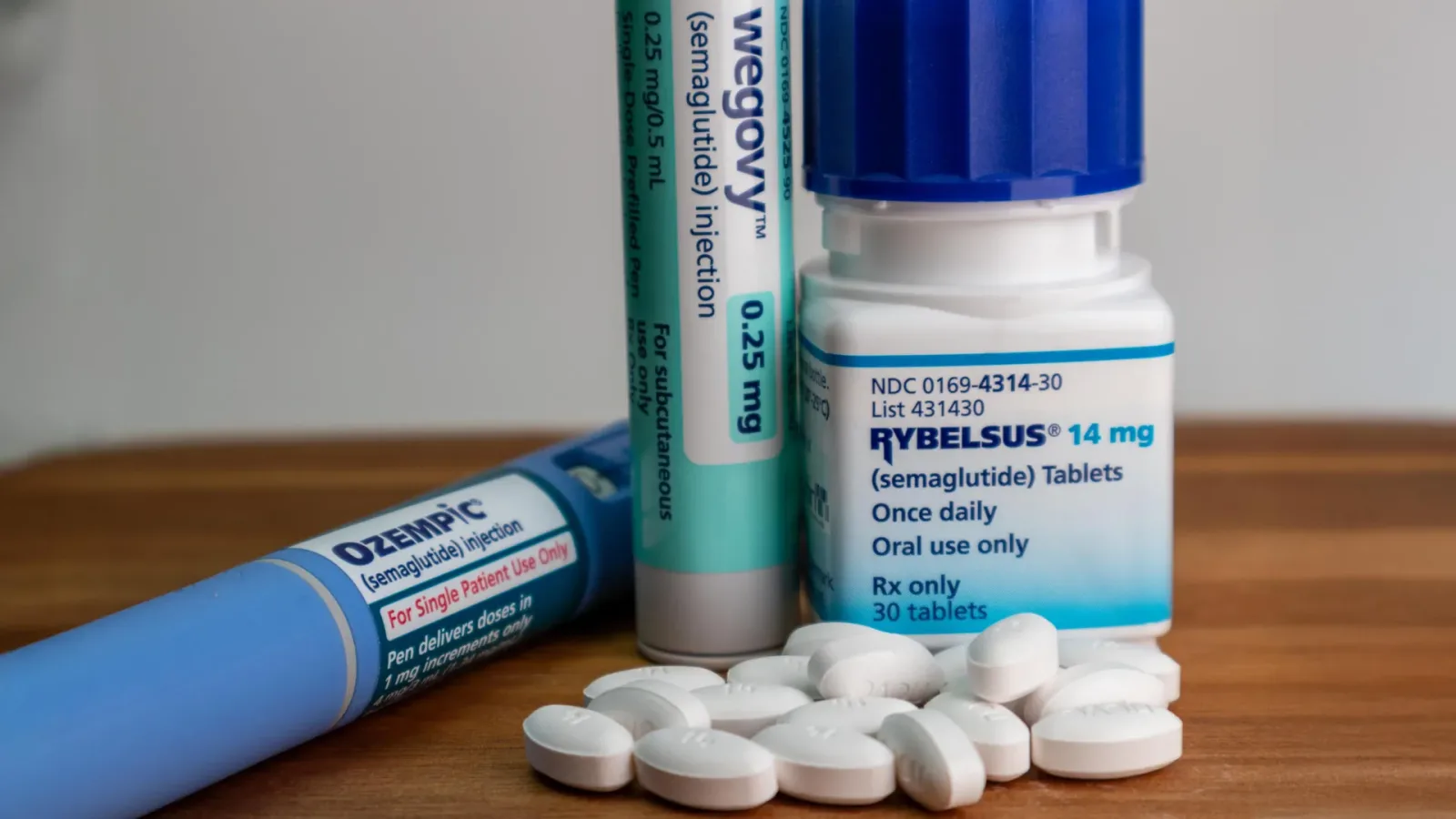
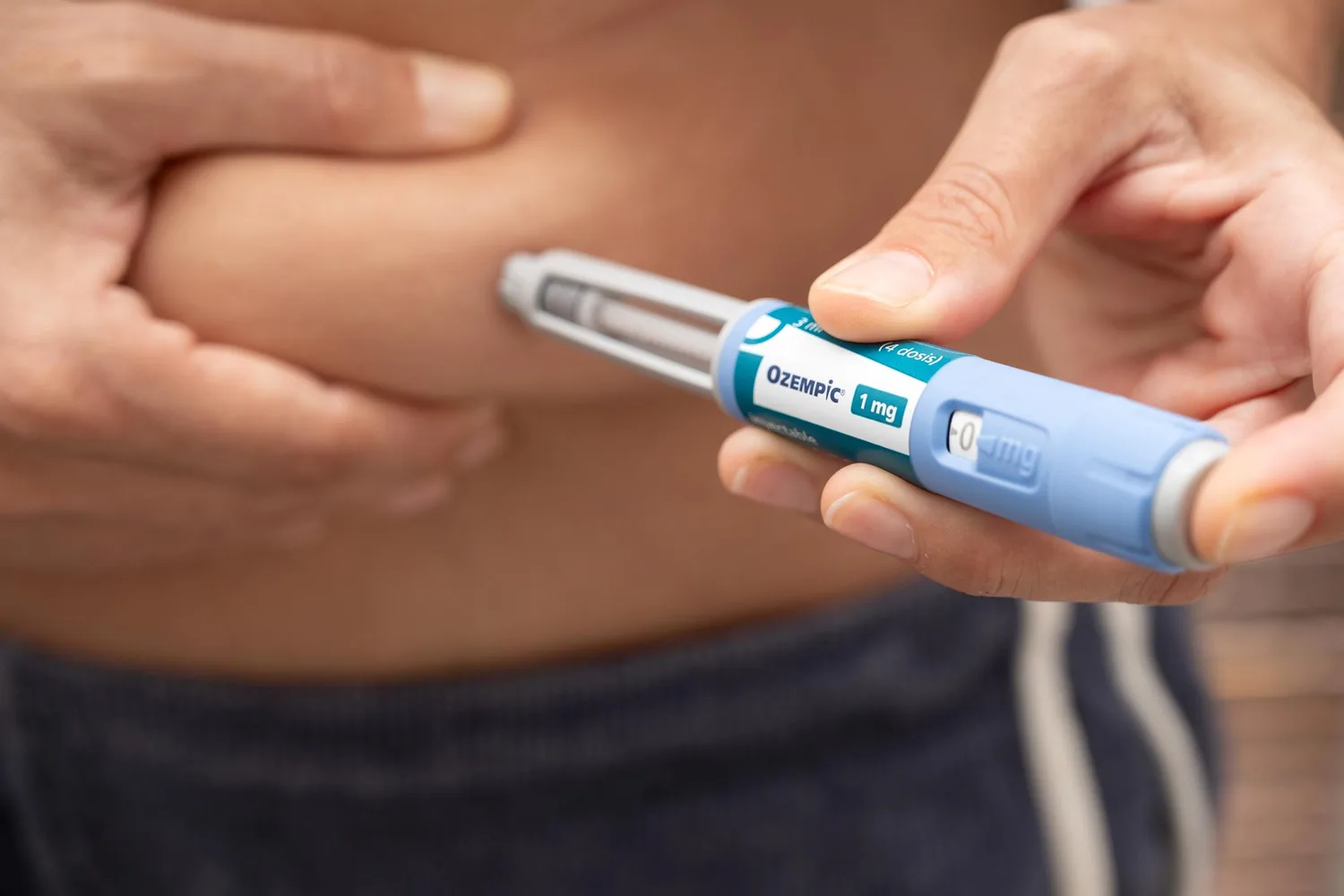
GLP-1 receptor agonists like Ozempic and Wegovy (semaglutide) transitioned from diabetes to obesity and cardiovascular benefits, then kidney protection. A key randomized trial reduced risks of kidney failure, renal/cardiovascular death, and dialysis/transplant needs in diabetes patients. The SELECT study confirmed a 22 percent reduction in CKD progression in non-diabetics with obesity/cardiovascular risks.
Precision tracking for your journey
Join thousands using Shotlee to accurately track GLP-1 medications and side effects.
📱 Get the Shotlee App
Track your GLP-1 medications, peptides, and health metrics on the go with our mobile app!
Mark Cooper from Monash University notes SELECT as the first large confirmation in non-diabetics. Ongoing trials explore dual agonists like tirzepatide (Mounjaro/Zepbound), targeting GIP and GLP-1 receptors.
Mechanisms of GLP-1s in Kidney Health
GLP-1s' kidney benefits remain partly a "black box," per endocrinologist Daniel Drucker from the University of Toronto. Known effects include weight loss, blood pressure/lipid control, reduced inflammation, and blood sugar management. Additional mechanisms: increased insulin, sodium excretion, inflammation reduction. The REMODEL trial (involving Cherney) showed semaglutide reduces kidney vessel damage, natural killer cell activity, and perirenal fat—a "metabolically active, angry and inflammatory" source.
"We don't have a really comprehensive, detailed understanding for most of what GLP-1 does," Drucker says, but indirect metabolic improvements protect organs system-wide.
Combination Therapies: The Path to Halting or Reversing CKD
Each class—RAS inhibitors, SGLT2s, MRAs like finerenone, GLP-1s—works differently, promising additive effects. Taal states, "For the first time there's a realistic prospect of actually stopping kidney disease progression... That's why these drugs are game changers." Combined, they could add decades to lives, treating co-morbidities like heart issues, diabetes, and obesity.
No trials yet test all four simultaneously, but experts like Cherney report patients achieving protein-free urine, signaling vessel healing. "If you can get people to be delayed from dialysis by 10 years or even half that, that's still an unbelievable victory," he says.
Patient Guidance: Who Benefits and Next Steps
These drugs suit CKD patients with diabetes, obesity, or cardiovascular risks, but consult a nephrologist. Most with CKD should consider SGLT2s atop RAS inhibitors; GLP-1s for those with obesity/diabetes. Tools like Shotlee can help track symptoms, side effects, or medication adherence during treatment.
Awareness is key: CKD often goes undiagnosed despite its scale, per Giovanni Strippoli from the University of Bari. Broader screening could unlock benefits. The WHO now prioritizes CKD as a public health issue.
Key Takeaways: What This Means for CKD Patients
- RAS inhibitors remain foundational, reducing risk 15-50%.
- SGLT2 inhibitors (canagliflozin, dapagliflozin, empagliflozin) add 30% protection, extending kidney life >20 years in early stages.
- Finerenone doubles benefits with SGLT2s.
- GLP-1s like Ozempic cut progression 22% (SELECT), reduce failure/death risks.
- Combinations may halt/reverse CKD; discuss with your doctor.
"We need to up our game. Instead of just hoping to stop kidney disease progression, we need to try to reverse the process." — Maarten Taal, University of Nottingham
In summary, drugs like Ozempic are reshaping CKD management. By addressing root mechanisms and comorbidities, they offer actionable hope. Patients: Get screened, explore combinations, and partner with specialists for personalized care.