
How $200M Puris Pea Protein Business Fuels Ozempic Generation
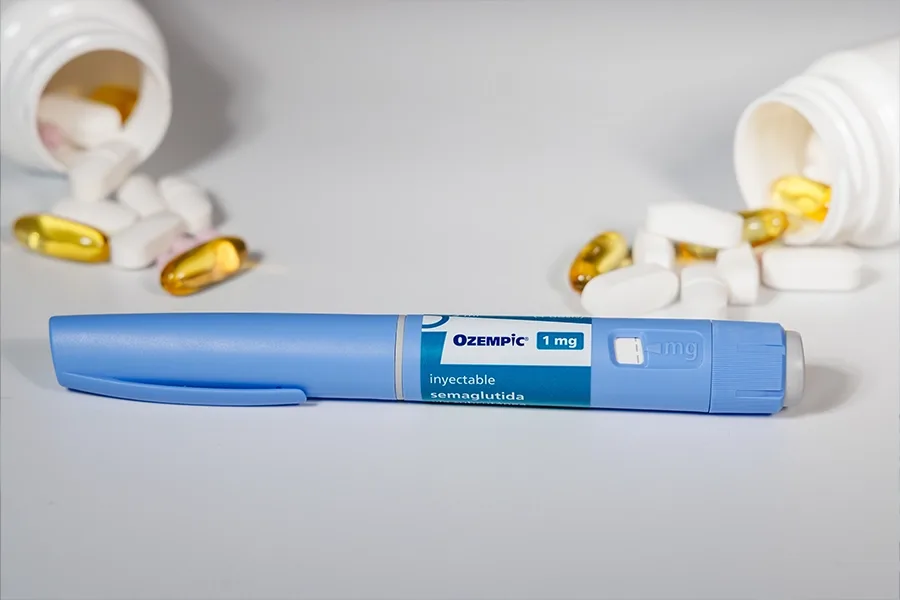
In the era of GLP-1 medications like Ozempic, millions are transforming their diets to prioritize protein for muscle preservation and sustained weight loss. Pea protein for Ozempic users has emerged as a key ally, and no company embodies this shift better than Puris Proteins. This Minneapolis-based manufacturer of pea and soy protein powders has quietly become an AgTech powerhouse, with shelves stocked with protein-packed cereals, pastas, and sports drinks tailored to the Ozempic generation.
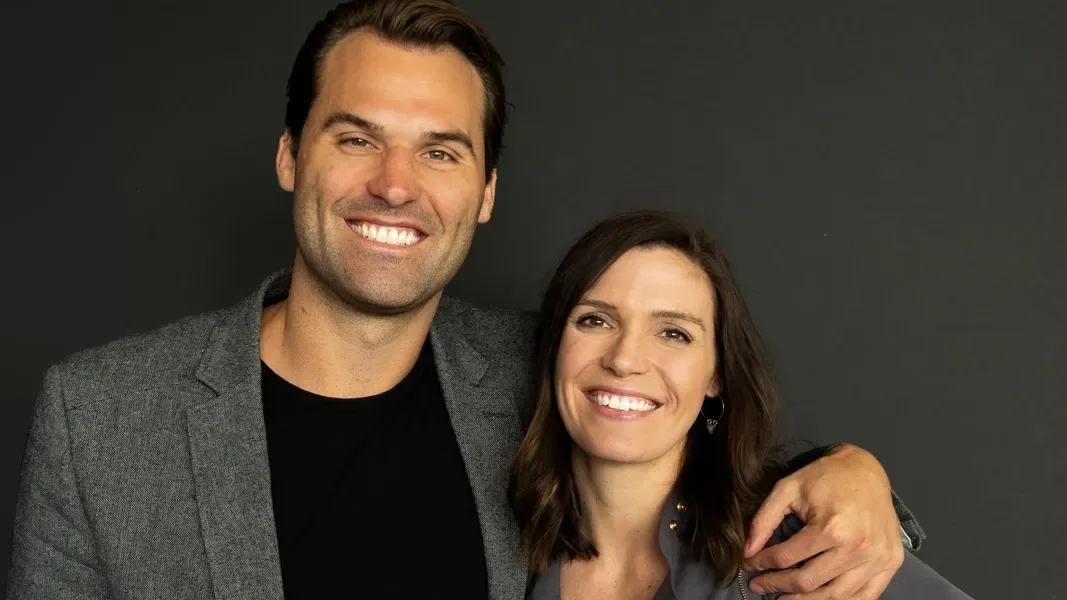
"What GLP1-users all want is to get more protein in their diet," says Tyler Lorenzen, CEO of Puris Proteins. "It needs to taste great and be more nutritious. That's really why Puris is growing faster than our peers. People love what they eat, and then great taste is the on-ramp to healthy habits -- and the flywheel for longevity begins."
GLP-1 users on Ozempic or similar therapies often face challenges like muscle loss during rapid weight reduction. High-quality plant-based proteins like pea protein help mitigate this by providing essential amino acids without the digestive issues some experience with dairy-based whey. Puris' non-GMO focus ensures clean, sustainable options that align with metabolic health goals.
The Family Roots: From Basement Breeding to Protein Powerhouse
It's taken 40 years for family-owned Puris to be primed for this moment. What started with breeding soybeans at night out of a family basement has become the largest pea protein manufacturer in America.
"You invest a lifetime on an idea, and when the idea starts to work, then it gets exciting," says the 40-year-old Lorenzen, whose parents started the company in 1985. "And then how do I do more?"
With $200 million in estimated annual revenue, family-run Puris has grown from filling a major void in the seed industry. Puris sells soy, corn, and pea seeds to hundreds of farmers in 20 states, who produce around 3 million bushels a year. Its seed breeding business is complemented by an ingredient-processing division that supplies pea protein and other ingredients to 200 major food brands, from America's largest private company Cargill to the buzzy startup Ritual. Lorenzen's older sister, Nicole Atchison, CEO of Puris Holdings, works with the farmers to make sure there are enough acres being grown, while he markets the protein to get it to buyers.
Jerry Lorenzen's Vision: Non-GMO Innovation in a GMO World
In the late 1970s, Jerry Lorenzen worked over a summer in high school for Pioneer -- the Iowa-based seed breeder now owned by publicly traded Corteva -- and decided he had to become a plant breeder himself. He stayed a hobbyist until in 1985 he decided to commercialize his own breeds. With two small children and $250 in the family bank account, he got to work, selling animal feed during the day and breeding soybeans at night and on weekends, often staying up until the wee hours in his garage tinkering.
He was smart to realize that there was too much competition for corn seeds, so he focused on soybeans instead. From the beginning, Jerry selected for high yields and high concentrations of protein. The first thing he spent money on was a computer he could write code on. He spent $50 and picked it up at KMart.
The early years of Puris were rough. Traditional breeding, without any bioengineering, doesn't start yielding returns for seven to ten years. But Jerry persisted, releasing his first variety in 1999, as he was mocked for his amateur strains -- it was the golden age of Monsanto and genetically modified breeding was creating seeds mainly for crops meant to become ethanol, industrial ingredients, or animal feeds. There were few seed breeders focusing on developing seeds for human consumption, let alone flavor.
Even after a few family interventions, Jerry Lorenzen remained one of the few breeders to never commingle his traditional breeds with ones bioengineered. "Our dad taught us long time ago, if you don't control your genes, you may lose your pants," jokes Lorenzen.
Being independent was crucial. If Lorenzen's father hadn't bootstrapped the operation in those early years, Puris probably wouldn't have been able to stay non-GMO completely. The business also likely wouldn't have been able to buy up a bunch of abandoned plants around the Midwest as manufacturing fled for cheaper costs in China -- which set up Puris to be 100% domestically manufactured today.
Explosive Growth Amid the GLP-1 Boom
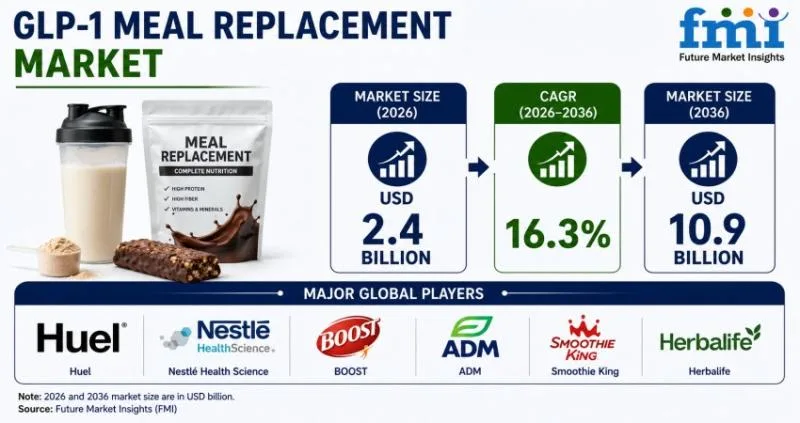
Food businesses have been coming to Puris as consumers, especially weight loss drug users, seek more protein in everyday foods. According to data from Chicago-based Spins, products made with pea protein have been growing at 15% annually, which is around five times faster than average legacy food brands. The market for these foods is fast-growing. Some 12% of American adults, or roughly 31 million people, are estimated to be taking weight-loss drugs.
Why does this matter for GLP-1 users? Medications like Ozempic suppress appetite, making it harder to hit daily protein targets (often 1.2-2.0g per kg body weight recommended for those in weight loss). Pea protein offers a complete amino acid profile, high digestibility, and low allergenicity, making it ideal for integration into shakes, bars, and fortified foods without compromising taste or satiety.
Strategic Partnerships and Investments
Since 2018, a joint venture with Cargill that helped convert a former dairy plant into a 200,000-square-foot manufacturing facility in Dawson, Minnesota has poured over $100 million into the business. The Lorenzens still own the majority. According to Pitchbook, Puris has raised over $250 million in all, including minority equity investments and debt.
Forbes estimates that Puris is worth at least $400 million, and the Lorenzen family's stake is about half that.
Precision tracking for your journey
Join thousands using Shotlee to accurately track GLP-1 medications and side effects.
📱 Get the Shotlee App
Track your GLP-1 medications, peptides, and health metrics on the go with our mobile app!
Puris raised $4 million from Barbados-based Portland Private Equity in 2012, according to Pitchbook, but stayed scrappy. Then when protein powder brand Vega, which Puris supplied, was acquired by WhiteWave Foods for $550 million in 2015, Vega's founder, Charles Chang, started a private equity firm with his portion of the proceeds and invested some of the proceeds back into Puris.
"I had a non-compete to do anything that would obviously hurt Vega, so why not invest in the company that actually sold to Vega instead?" says Chang. "They've built Puris at incredible cost and amid huge hurdles. They basically created a skunkworks with limited financing."
The funding came at a crucial time, as the seed industry was about to go through major consolidation as the four biggest seed breeders became the big two. In 2015 Dow and DuPont merged in a $130 billion deal and then spun off the combined seed business as Corteva with a $51.5 billion valuation in 2019. And as that major deal was in works, in 2018 Bayer acquired Monsanto for $63 billion, inheriting Monsanto's glyphosate lawsuits along the way.
Leadership and Resilience: Navigating Industry Challenges
"You can be victim to the hype cycles or the lows. Or you could just be focused and steadfast," says Lorenzen. "There's a lot of will here and we just keep charging."
Around this time, Jerry stepped back from running the overall business day-to-day, as he made room for his children to take over and for him to focus on his own plant breeding in the field and leading the genetics research and development team. Lorenzen had been playing professional football at the time and was part of the Super Bowl-winning New Orleans Saints team (as a tight end on its practice squad) of 2009. He joined the family business two years later as the vice president of business development, became president in 2015, and took over as the CEO of Puris Proteins, leading the joint venture with Cargill and commercializing Puris' protein business, in 2018. The year prior, Atchison, a former medical device engineer, joined the business, and in 2020 she became CEO of Puris Holdings, leading seed development.
Why Puris Proteins Excel for GLP-1 Nutrition
"Getting higher quality products out into the market, people can start associating that as something that tastes good, not something they're sacrificing for," says Puris CEO Tyler Lorenzen. "And the market is hungry for more."
Over the past five years, Lorenzen says Puris' seeds yield better today than their genetically modified competitors and provide a solution for farmers struggling amid higher temperatures and stressed soils -- but he also remains focused on flavor.
"We have to meet people where they're at," he says. "We can't tell them to eat something because it's healthy. Getting higher quality products out into the market, people can start associating that as something that tastes good, not something they're sacrificing for. That's really a rewarding concept. And the market is hungry for more."
Compared to whey (which may cause GI upset in GLP-1 users) or other plant proteins, pea protein from Puris offers superior solubility and neutral taste, ideal for beverages. Safety profile: Low in FODMAPs, hypoallergenic, and free of common contaminants due to non-GMO status.
Practical Guidance for GLP-1 Users
- Aim for 100-150g protein daily: Divide across meals; use Puris-powered products for convenience.
- Discuss with your doctor: Ensure protein fits your Ozempic regimen, especially if managing side effects like nausea.
- Track intake: Apps like Shotlee can monitor protein consumption alongside GLP-1 symptoms and medication schedules.
- Choose clean sources: Opt for non-GMO pea protein to avoid inflammatory additives.
Future Innovations: Powering the Next Wave of GLP-1 Diets
The goal, says Atchison, 42, is "building regional independence, what our dad called 'protein independence.' We are playing what we call the infinite game. We're builders. We're doers. We can't even help ourselves."
As they look ahead, Atchison and Lorenzen will continue to increase acres where Puris seeds are farmed while finding new ways to include their proteins in mainstream products. One bet is a 98% soluble clear protein, which is better for drinks that aren't thick or milky. Expect protein-sodas and perhaps even protein-filled cocktails soon. Lorenzen thinks clear protein, which Puris has been developing for a decade and only commercialized last year, will open up a new wave of products, especially ones for Gen GLP-1.
"It's not about how many products that they buy, it's how much they finish," says Lorenzen. "Are we putting that the nutrition in something that they can actually consume? Clear protein doesn't make you feel full. You're getting the nutrition, but you're not feeling the effects."
Key Takeaways for Patients and Providers
- Puris Proteins exemplifies how pea protein meets surging demand from 31 million GLP-1 users.
- Non-GMO, high-yield seeds ensure sustainable, flavorful nutrition without GMOs.
- Family-driven innovation from $250 startup to $200M revenue shows resilience.
- Prioritize taste and solubility for adherence in Ozempic diets.
Conclusion: Protein as the Foundation of Metabolic Health
Puris Proteins isn't just riding the Ozempic wave—it's fueling it with superior pea protein that supports long-term health. For GLP-1 patients, incorporating these proteins can preserve muscle, enhance satiety, and promote sustainable habits. Consult your healthcare provider to personalize your approach, and consider tools like Shotlee for seamless tracking. As Tyler Lorenzen notes, great taste is the gateway to lasting wellness.