
Can Food Be Medicine? Health Beyond Doctor's Office
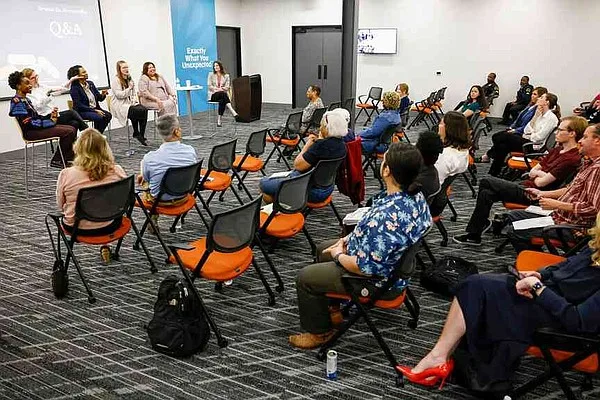
Food as medicine is gaining recognition as a vital approach to health, especially since research estimates as much as 80 percent to 90 percent of health outcomes are influenced by factors outside of medical care—including diet, physical activity, and other everyday habits. Yet, food, one of the most powerful drivers of health, is rarely treated as medicine. This concept was spotlighted at a recent panel hosted by The Dallas Morning News titled "Beyond the Doctor's Office: Nourishing Health from the Inside Out," held at The DEC Network in Red Bird as part of the newspaper's Trust Initiative.
The Expert Panel on Nourishing Health
The panel brought together leading experts from UT Southwestern Medical Center, Children's Health, Parkland Health, and Methodist Health System to discuss how food can prevent and manage disease, particularly amid links between food insecurity and chronic illness. Moderated by Dallas Morning News health reporter Emily Brindley, the discussion addressed practical ways to incorporate healthier habits into daily lives.
Panelists included:
- Dr. Jaclyn Albin, internist and director of UT Southwestern Medical Center's Culinary Medicine Program
- Milette Siler, culinary dietitian nutritionist and co-founder of UT Southwestern's Culinary Medicine Program
- Dr. Stormee Williams, pediatrician and chief health equity officer at Children's Health
- Dr. Dora Johnson, family medicine physician with Methodist Health System
- Jessica Hernandez, vice president of community integrated health at Parkland Health
These discussions highlighted why integrating nutrition into healthcare is essential for metabolic health and chronic disease management.
Historical Roots of Food as Medicine
The concept of food as medicine isn't new, said Dr. Jaclyn Albin. The movement gained traction in the 1980s, when medically tailored meals were provided to patients with advanced HIV during the AIDS epidemic.
"They found that people who were delivered healthy meals ... stayed out of the hospital," Albin said. "They lived longer. They felt better. Imagine that, a healthy meal helps you heal. It brings longevity and comfort in a sickness."
Studies have found improving access to nutritious food—whether through medically tailored meals or programs providing fresh produce—can help manage diet-related conditions such as heart disease, which claims about 2,500 lives each day in the United States. This evidence underscores the clinical background: nutrient-dense foods support cardiovascular function by reducing inflammation, stabilizing blood sugar, and improving lipid profiles, mechanisms that complement medical interventions like GLP-1 medications for metabolic health.
Practical Strategies for Healthier Eating
While eating healthier might sound simple, it can feel daunting—or even unappealing—for those without positive experiences with "healthy" foods. Experts emphasized starting small and personalizing approaches.
Focus on Nutrient Density Over Perfection
Milette Siler stressed considering financial access, emotional, and cultural connections to food. Rather than eliminating favorites, add nutritious ingredients to enhance flavor and value.
"Is there a way to take maybe an ultra-processed food that is what you can afford right now," Siler said, "and add some value to it with some foods that, while they might also be processed, are convenient and inexpensive to add nutrition?"
Scrutinize nutrition labels for key markers: protein, dietary fiber, sugar, and sodium—not just additives, which can impact health but are secondary.
"Every food is going to have drawbacks because it's grown in a world that is not perfect," Siler said. "So helping people understand it's a teeter-totter."
For patients, this means prioritizing whole foods like legumes, nuts, and vegetables to boost fiber and protein, which aid digestion, satiety, and muscle preservation—crucial for metabolic health.
Building Habits for Children
Dr. Stormee Williams advised parents to build healthy eating early. Introduce healthier versions of enjoyed foods, like baked apples with cinnamon instead of pie.
Precision tracking for your journey
Join thousands using Shotlee to accurately track GLP-1 medications and side effects.
📱 Get the Shotlee App
Track your GLP-1 medications, peptides, and health metrics on the go with our mobile app!
"Don't restrict the children in your life to what you like and don't like," Williams added. "Even if it's something that you don't readily eat, but you have it available, go ahead and serve it to them, because they might like it."
This fosters lifelong habits, reducing risks of obesity and type 2 diabetes later.
Nutrition Tips for GLP-1 Medication Users
For those on GLP-1 drugs—whether for diabetes management or weight loss—Dr. Dora Johnson recommends sufficient protein and multiple small meals daily to counter rapid weight loss's muscle loss effects.
"As you lose weight rapidly, you lose muscle mass," Johnson said. "That's why we spoke about protein being very important to incorporate in all your meals, but you also want to preserve muscle mass through weight-bearing and strength training."
GLP-1 agonists like semaglutide mimic gut hormones to slow gastric emptying and enhance insulin secretion, but pairing them with high-protein diets (e.g., 1.2-2.0g/kg body weight) preserves lean mass. Tools like symptom trackers can help monitor intake and side effects such as nausea, ensuring adherence.
Tackling Food Insecurity and Community Interventions
Financial barriers and food insecurity hinder nutrition access. The 2025 Community Health Needs Assessment Report identified food insecurity and nutrition as top issues in Dallas and Rockwall counties.
Parkland Health partners on interventions in South Dallas ZIP codes. Jessica Hernandez noted:
"Some of the statistics were astounding, which is why Parkland, partnering with other health organizations and communities, has developed interventions in specific ZIP codes, specifically South Dallas, to try to reverse that," said Jessica Hernandez. "You can imagine that food is a part of that, but it is one part."
A key example: Partnership at Red Bird with Crossroads Community Services, offering a nutrition pharmacy. Food-insecure patients from UT Southwestern and Parkland clinics access it via a stigma-free, 30-second screening, targeting not just insecurity but nutrient gaps.
Compared to alternatives like supplements, real food provides synergistic nutrients and fiber, making community pantries a scalable solution for metabolic health.
Safety Considerations and Provider Role
Food as medicine requires sensitivity, especially for those with food-related trauma. Dr. Albin called for better training:
"We've created a void in medicine," Albin said. "I think we need to own that we haven't been a voice for this ... I blame us, which is part of why training the next generation to do better and to not do harm in their language around food is a huge priority."
Discuss with doctors: Assess personal barriers, screen for insecurity, and tailor plans. Side effects from poor nutrition (e.g., high sodium leading to hypertension) can be mitigated by label-reading and gradual changes.
Key Takeaways: What This Means for Patients
- 80-90% of health is lifestyle-driven; prioritize food as medicine.
- Medically tailored meals reduce hospitalizations, as seen in HIV studies.
- Focus on protein, fiber; add to existing meals for GLP-1 users.
- Address food insecurity via community programs.
- Providers must lead sensitive nutrition conversations.
Patients on GLP-1s or managing metabolic conditions should consult physicians before changes and consider apps for tracking meals to optimize outcomes.
Conclusion
Treating food as medicine shifts healthcare toward prevention, complementing therapies like GLP-1 drugs. By adopting expert tips—from nutrient tweaks to community resources—individuals can nourish health from within, reducing chronic disease risks. Speak with your doctor to personalize these strategies for better metabolic health.