
Introduction
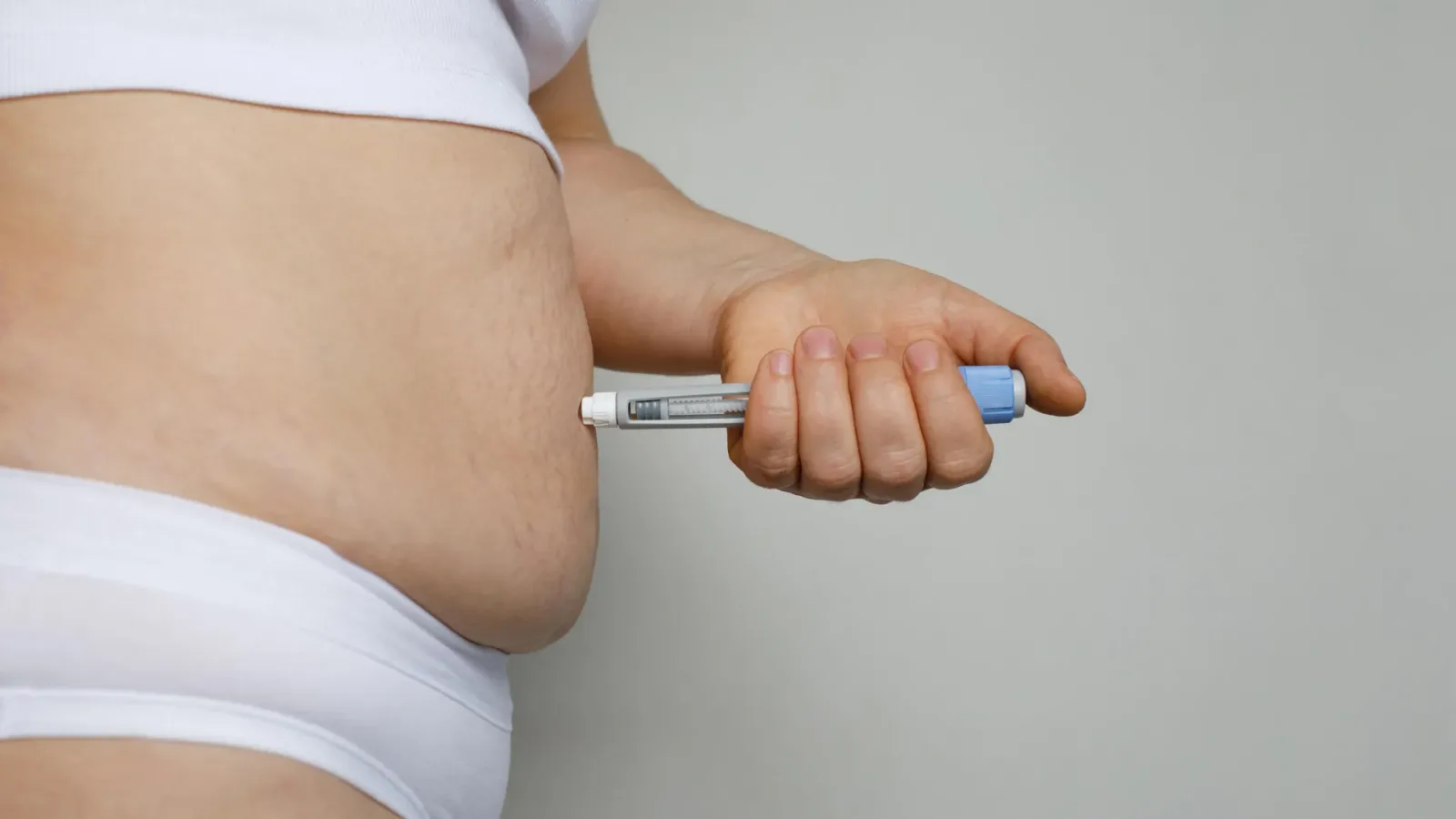
Imagine committing to a year of GLP-1 therapy, shedding significant weight, only to hit a frustrating plateau after a forced medication switch. This is the reality for many patients navigating weight loss drugs like Wegovy and Mounjaro. Recently, the NHS greenlit a higher 7.2mg dose of Wegovy (semaglutide)—three times the standard 2.4mg weekly maximum—based on trials showing enhanced results. But with critics calling it a step too far, does this 'mega-dose' offer hope for stalled progress, or does it raise new risks? This guide dives into the evidence, a real patient's journey, mechanisms, safety, and practical advice for those on GLP-1s.
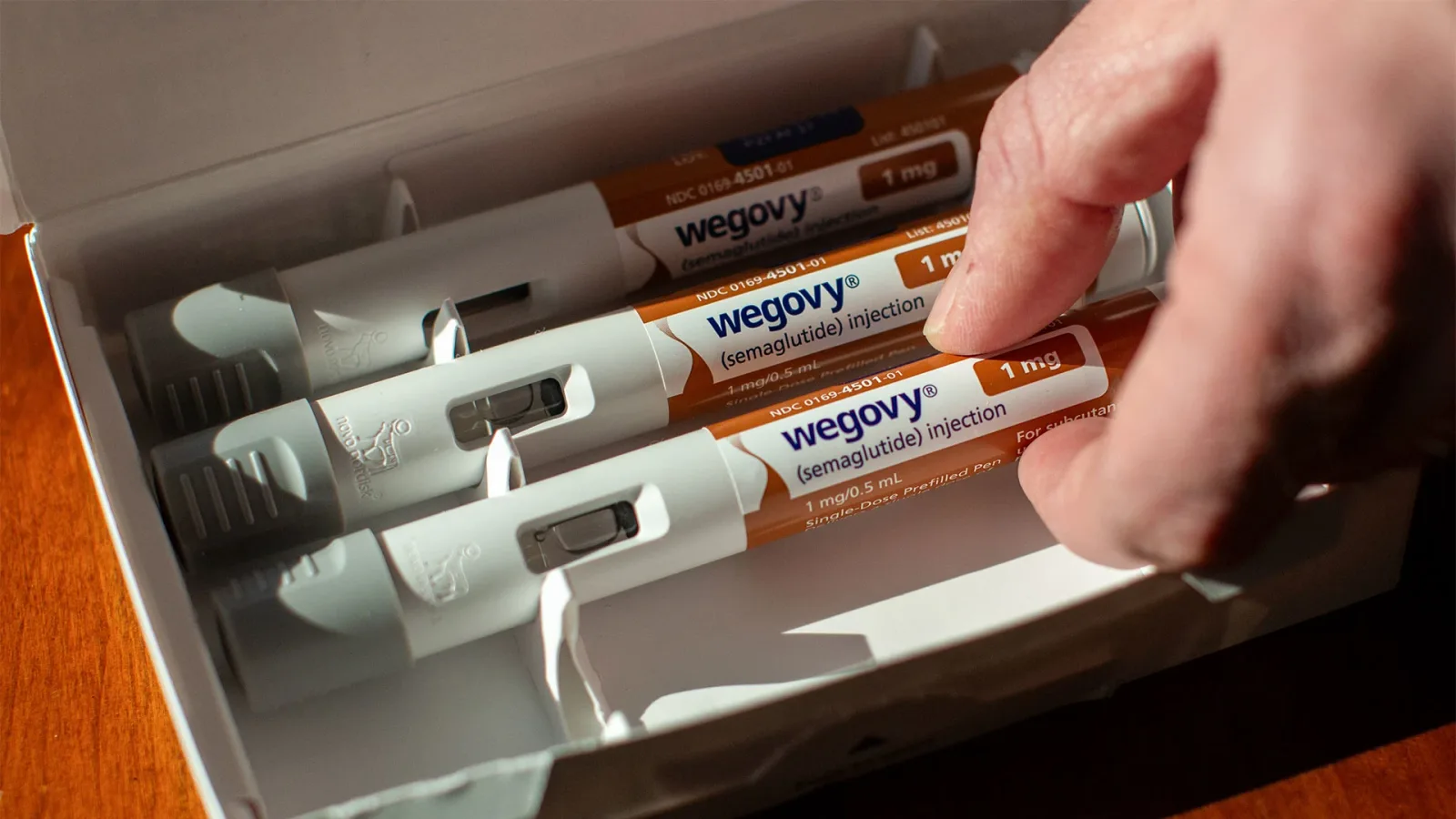
What is Wegovy, and What's New with the 7.2mg Dose?
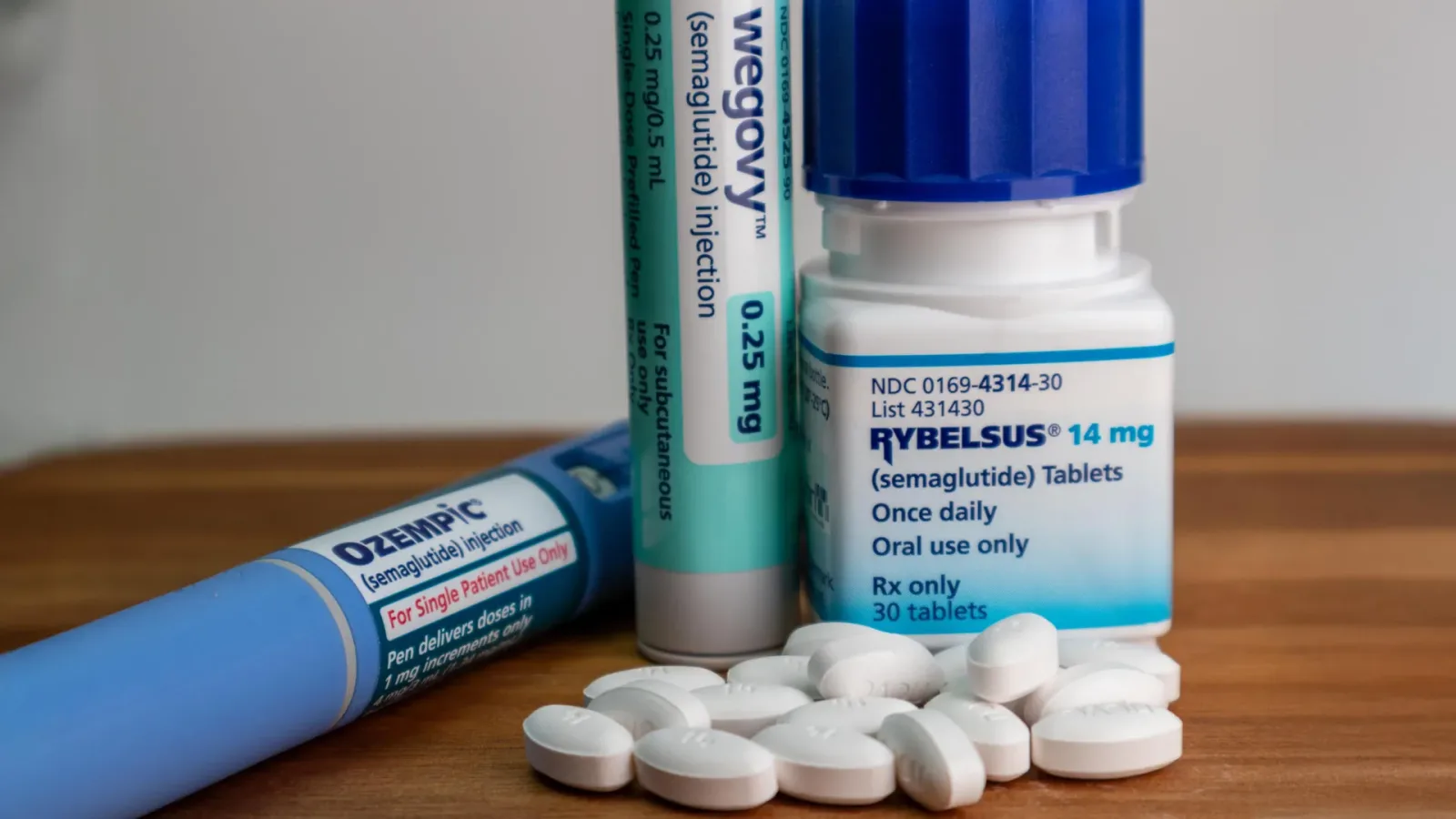
Wegovy is a brand of semaglutide, a GLP-1 receptor agonist that mimics the gut hormone glucagon-like peptide-1 (GLP-1). This hormone signals fullness to the brain, slows gastric emptying, and regulates blood sugar—key mechanisms for appetite control and weight loss in obesity.
Standard Wegovy dosing starts low (0.25mg weekly) and titrates up to 2.4mg over 16-20 weeks to minimize side effects like nausea. Approved for BMI ≥30 or ≥27 with comorbidities, it delivers average 15-17% body weight loss in trials like STEP 1 (68-week study: 14.9% vs 2.4% placebo).
The new 7.2mg dose—'triple strength'—emerged from phase 2 trials testing escalation to 5mg or 7.2mg. These compared it directly to 2.4mg, finding 19% average weight loss at 7.2mg vs 16% at 2.4mg over 68 weeks. Some participants lost a quarter of body weight, particularly those with higher BMI who need substantial reductions for health benefits.
Why Higher Doses? The Science of Dose-Response
GLP-1 agonists follow a dose-response curve: higher doses amplify satiety signals and insulin secretion but plateau efficacy around 2.4mg for many. Trials suggest 7.2mg pushes beyond, potentially via stronger hypothalamic signaling. However, this isn't universal—Mounjaro (tirzepatide), a dual GLP-1/GIP agonist, often outperforms semaglutide at equivalent doses due to GIP's added fat metabolism boost (SURMOUNT-1: up to 22% loss at 15mg).
A Real-World Story: Switching from Mounjaro to Wegovy
Louise Temlett, a 42-year-old Brazilian Jiu-Jitsu trainer, mum-of-two, and podcast host, embodies the challenges of GLP-1 access. Starting at over 15st 7lbs (about 98kg), she struggled with compulsive overeating rooted in childhood habits—'clean your plate' mentality from the 80s/90s.
On Mounjaro (12.5mg tirzepatide), combined with training, sleep, and nutrition tweaks, she lost 5 stone initially, then 20kg (3st 2lbs) total over 12 months. Key mindset shift: no guilt leaving food uneaten, eliminating snacking.
But private costs skyrocketed from £99 to £329/month, forcing a switch to £99 Wegovy (2.4mg). Results stalled—no weight loss for months despite normal bloodwork. 'It's not surprising; Wegovy just isn't as effective as Mounjaro,' she says. Clinicians confirmed the dose/mechanism difference, not adherence issues.
Louise's goal? Longevity: 'Be fitter for my kids, fight younger opponents into my 50s-70s.' She advocates the 7.2mg dose: 'Everyone stalls on 2.4mg Wegovy—it's time to match Mounjaro levels.'
Wegovy vs. Mounjaro: Why the Switch Feels Like a Downgrade
- Mechanism: Semaglutide (GLP-1 only) vs. Tirzepatide (GLP-1 + GIP)—dual action yields 20-25% more loss.
- Dosing: Wegovy max 2.4mg vs. Mounjaro 15mg; her drop from 12.5mg equivalent hit efficacy.
- Cost/Access: NHS limits Wegovy to eligible; private Mounjaro pricier post-shortages.
- Plateaus: Common after 6-12 months; higher doses or switches (e.g., to retatrutide, triple agonist in trials) may help.
Tools like Shotlee can help track symptoms, side effects, nutrition, and progress during switches, empowering data-driven discussions with clinicians.
Precision tracking for your journey
Join thousands using Shotlee to accurately track GLP-1 medications and side effects.
📱 Get the Shotlee App
Track your GLP-1 medications, peptides, and health metrics on the go with our mobile app!
Clinical Evidence: Do Higher Doses Deliver?
Two key trials underpinned NHS approval:
Phase 2 escalation study (n=~200 obese adults): 7.2mg group lost 19.0% body weight vs. 16.4% on 2.4mg (p<0.05). 25% of high-dose participants hit ≥25% loss.
No increase in serious adverse events (SAEs) like pancreatitis or gallstones. Most side effects—nausea (52% high-dose vs. 32% low), diarrhea, tingling—were mild, transient, and didn't cause dropouts. Hypoglycemia risk unchanged.
Larger phase 3 trials (e.g., ongoing STEP extensions) will confirm long-term data, but early signals align with oral semaglutide trials (50mg: 15-17% loss).
Safety Profile: Manageable, But Vigilance Needed
Higher doses amplify GI effects, per Dr. Simon Cork (Anglia Ruskin University): 'Noteworthy but expected—nausea/vomiting higher, yet patients with obesity benefit most.'
- Common (dose-dependent): Nausea, vomiting, diarrhea—titrate slowly, eat small meals.
- Rare/Serious: Pancreatitis, gallbladder issues, thyroid tumors (rodent data; monitor).
- Tips: Hydrate, antiemetics if needed; track with apps like Shotlee for patterns.
Trials showed no SAE uptick; most resolved without discontinuation.
Criticisms and the Bigger Picture
Detractors argue higher doses push 'medicalization' too far, risking dependency without lifestyle change. Louise counters: 'It doesn't magically fix everything—you must overhaul habits.' Obesity is chronic; GLP-1s are tools, not cures (weight regain post-stop: 2/3 in trials without maintenance).
NHS rollout prioritizes highest-need patients, balancing equity amid shortages.
Lifestyle Synergy: Maximizing GLP-1 Success
Medications shine with support:
- Nutrition: Protein-forward (1.6g/kg), fiber-rich to enhance satiety.
- Exercise: Resistance training preserves muscle (SARMs preserve ~80% lean mass).
- Mindset: Therapy for emotional eating.
- Monitoring: Weekly weights, DEXA scans quarterly.
Conclusion
The 7.2mg Wegovy dose offers renewed hope—19% loss for plateaued patients like Louise—backed by safe trial data. Yet, it's no silver bullet; integrate with lifestyle for sustained metabolic health. Consult clinicians for personalization; future multi-agonists may redefine standards. For evidence-based weight management, higher-dose GLP-1s like this could extend healthy years—track your journey diligently.