
Introduction to GLP-1 Medications and the Need for Support
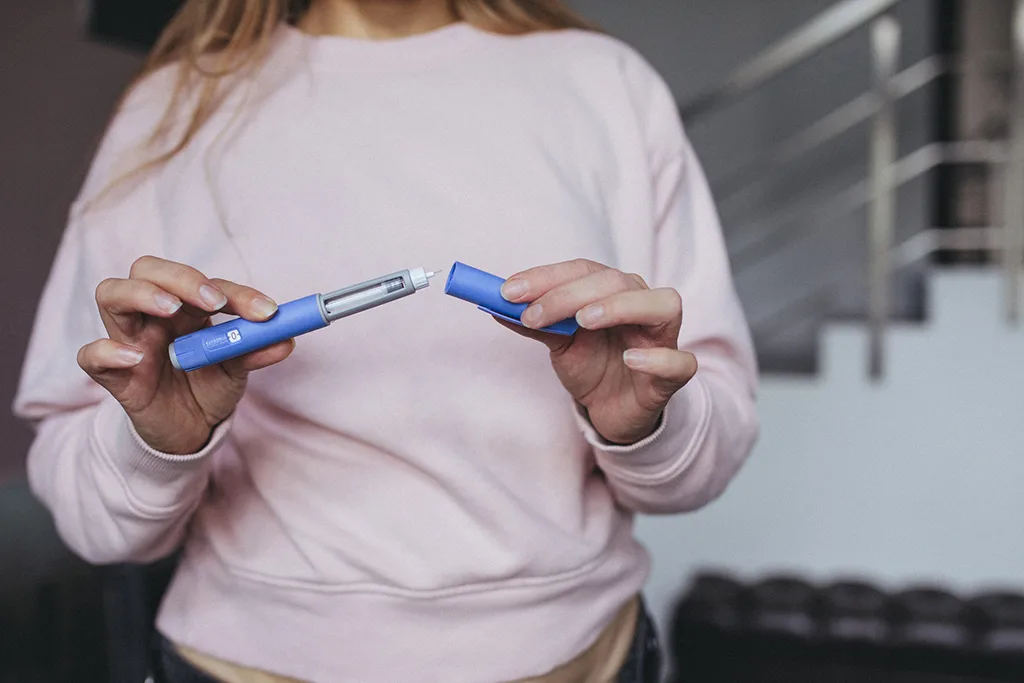
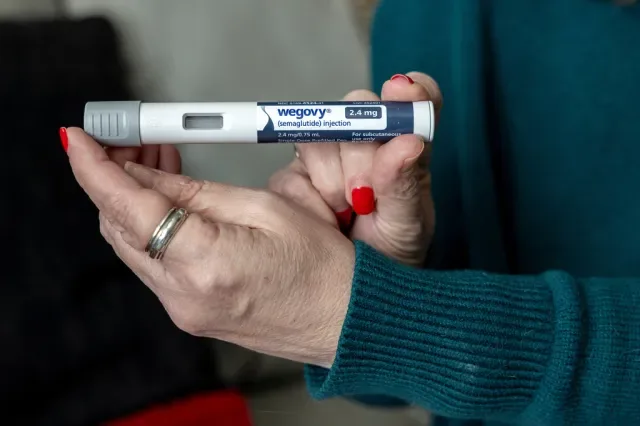
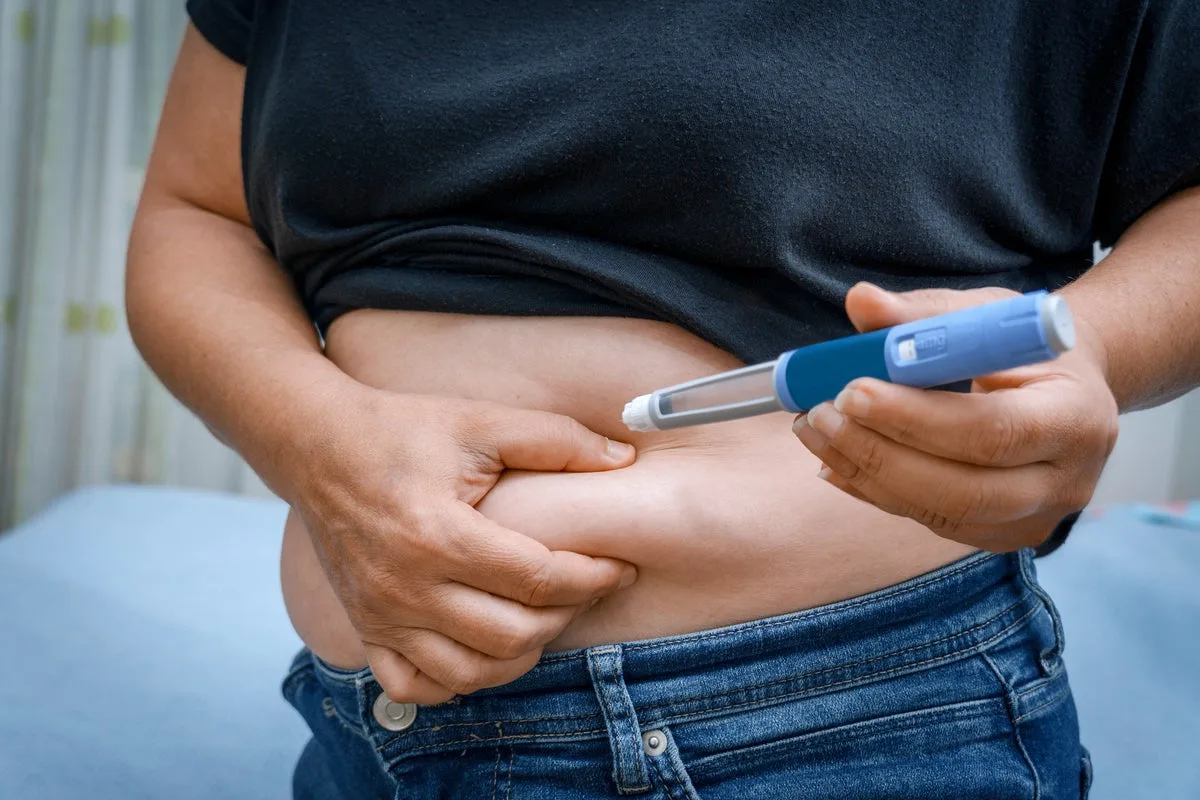
GLP-1 receptor agonists, such as semaglutide (Ozempic, Wegovy) and tirzepatide (Mounjaro, Zepbound), have revolutionized metabolic health and obesity treatment. These injectable therapies mimic the glucagon-like peptide-1 hormone, slowing gastric emptying, enhancing insulin secretion, and promoting profound satiety. Clinical trials like STEP (semaglutide) and SURMOUNT (tirzepatide) demonstrate average weight losses of 15-20% over 68 weeks, far surpassing lifestyle interventions alone.
Yet, success isn't without challenges. Common side effects include gastrointestinal distress (nausea, constipation, diarrhea in up to 40% of users), reduced appetite leading to lower calorie and nutrient intake, and potential lean muscle mass loss—up to 40% of total weight lost in some cases, per DEXA scans in trials. This sarcopenia risk elevates metabolic concerns long-term. Enter innovative startups bridging nutrition and pharma to optimize GLP-1 outcomes, addressing GLP-1 side effects management and fostering sustainable health.
Understanding GLP-1 Mechanisms and Support Gaps
GLP-1s act on receptors in the gut, pancreas, and brain, reducing hunger via hypothalamic signaling while delaying nutrient absorption. This efficacy drives their popularity—over 12 million U.S. prescriptions in 2023—but alters gut motility and microbiota, often disrupting the delicate balance of beneficial bacteria. Studies in Nature Reviews Endocrinology link GLP-1 use to reduced microbial diversity, exacerbating bloating and nutrient malabsorption.
Additionally, calorie restriction amplifies protein needs to preserve muscle. The International Society of Sports Nutrition recommends 1.6-2.2g/kg body weight daily for those in deficit, yet GLP-1 users often fall short. Without intervention, this fuels fatigue, weakness, and rebound weight gain. Nutrition and pharma startups are filling these gaps with precision tools.
Gut Health Disruptions and Targeted Nutrition
"There's now an awareness about gut cell receptors, where there was little to no awareness five or ten years ago." – Sandra Wingaard Thrane, CSO, Bactolife
Bactolife exemplifies this shift. Their binding proteins—functional, food-grade ingredients—target harmful gut metabolites and pathogens. Derived from biotech expertise in Denmark's ecosystem, these proteins bind and flush disruptors without antibiotics' collateral damage. For GLP-1 users, this counters slowed motility-induced dysbiosis, supporting microbiota diversity linked to better mood, immunity, and sustained weight loss in cohort studies.
Clinical context: A 2022 Gut Microbes review ties healthy microbiota to enhanced GLP-1 secretion naturally. Bactolife's approach integrates seamlessly into daily yogurt or shakes, promoting precision nutrition tailored to individual microbiomes—a boon as consumer DNA testing rises.
Enhancing Protein Absorption for Muscle Preservation
Amplifye's P24 capsule addresses a critical Ozempic protein absorption challenge. This proprietary enzyme hydrolyzes dietary proteins into bioavailable peptides, potentially doubling absorption when taken with meals. Courtney McHugh, CCO and co-founder, likens GLP-1s to the iPhone: a breakthrough spawning a secondary ecosystem.
Precision tracking for your journey
Join thousands using Shotlee to accurately track GLP-1 medications and side effects.
📱 Get the Shotlee App
Track your GLP-1 medications, peptides, and health metrics on the go with our mobile app!
Why vital? GLP-1-induced hypophagia reduces protein intake by 20-30%, per real-world data from the TriNetX database. Combined with myostatin upregulation from weight loss, this accelerates sarcopenia. P24 counters by optimizing amino acid uptake, aiding resistance training's efficacy. Early user feedback and enzyme kinetics studies suggest 20-50% absorption gains, aligning with needs for nutrient-dense, low-calorie diets.
Practical tip: Pair with lean sources like Greek yogurt or whey; track intake via apps like Shotlee to monitor symptoms, side effects, and nutrition alongside GLP-1 dosing.
Pharma Innovations: Beyond GLP-1 Monotherapy
Supercede Therapeutics' ACTRII Inhibition
Supercede Therapeutics advances STX-001, an oral small-molecule inhibitor of activin receptor type II (ACTRII). CEO Ian Zipkin, Ph.D., notes obesity drugs' past failures in tolerability and efficacy. Unlike GLP-1s' appetite focus, ACTRII inhibition directly regulates tissue growth: reducing fat while sparing—or boosting—muscle via myostatin pathway blockade.
Preclinical data mirrors clinical ACTRII antagonists like bimagrumab, which preserved 80% lean mass in Phase 2 trials versus 50% with GLP-1s alone. STX-001 could complement GLP-1s short-term or serve maintenance post-titration, addressing the "rebound" seen in 2/3 of STEP trial discontinuers. Zipkin envisions combos: GLP-1 for satiety, ACTRII for body composition.
Building a GLP-1 Ecosystem: Nutrition-Pharma Synergies
Collaboration momentum builds. Rousselot's Nextida GC collagen peptide, for instance, boosts endogenous GLP-1 secretion via gut L-cells—though dwarfed by pharma levels (1,000x higher), per pharmacokinetic analyses. Wingaard Thrane urges hybrid trials bridging "in-between" consumers—not fully healthy, not diseased.
McHugh predicts pharma-branded snacks with "GLP-1 approved" seals, akin to organic labels. Opportunities abound: microbiome-friendly fibers for constipation (e.g., psyllium, reaching 25g fiber/day), electrolyte supplements for dehydration, and branched-chain amino acids for energy.
- Nutrient-Dense Strategies: Prioritize volume-eating (leafy greens, broths) to hit micronutrients without calories.
- Exercise Integration: Resistance training 2-3x/week preserves 20-30% more muscle, per meta-analyses.
- Monitoring: Regular DEXA scans; tools like Shotlee log GI tolerance and macros for personalized tweaks.
Challenges persist: Food trials lag due to healthy cohorts versus drug-tested obese ones. Regulators must enable combo studies for holistic evidence.
Conclusion: Empowering Sustainable GLP-1 Success
GLP-1s are transformative, but optimal use demands ecosystem support. Bactolife safeguards gut health, Amplifye maximizes protein, and Supercede redefines composition—paving combo therapies' future. Consult providers before add-ons, but embrace nutrient strategies: high-protein, fiber-rich meals plus strength work. This integrated approach minimizes side effects, preserves muscle, and sustains losses beyond meds. As Zipkin says, "the snowball is rolling"—ride it with informed choices for metabolic mastery.