
Introduction to GLP-1 Medications and Their Rise
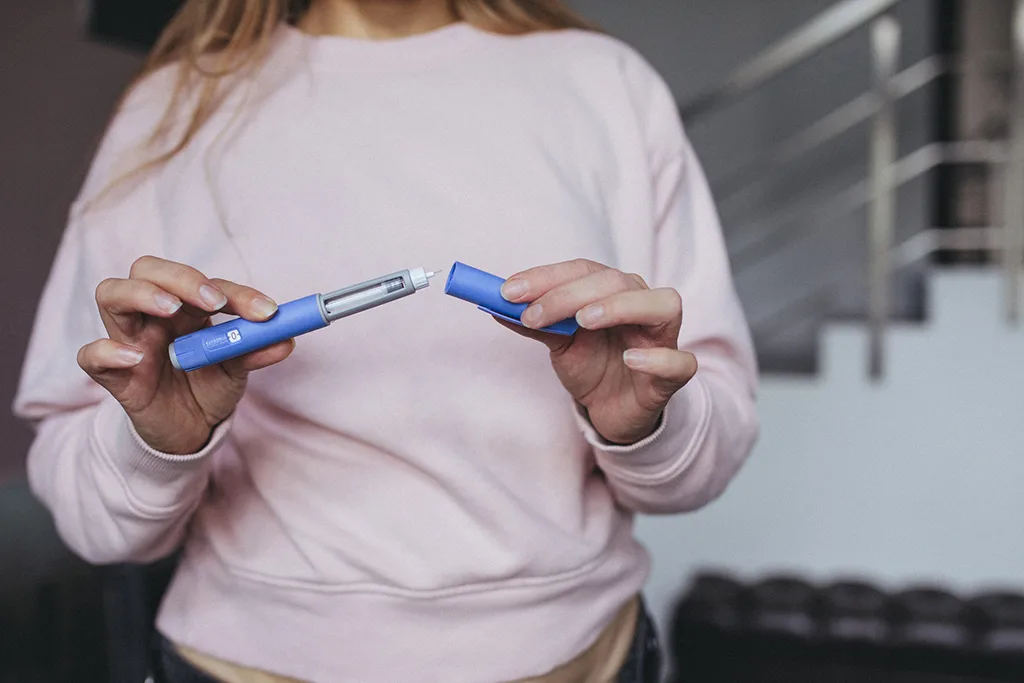
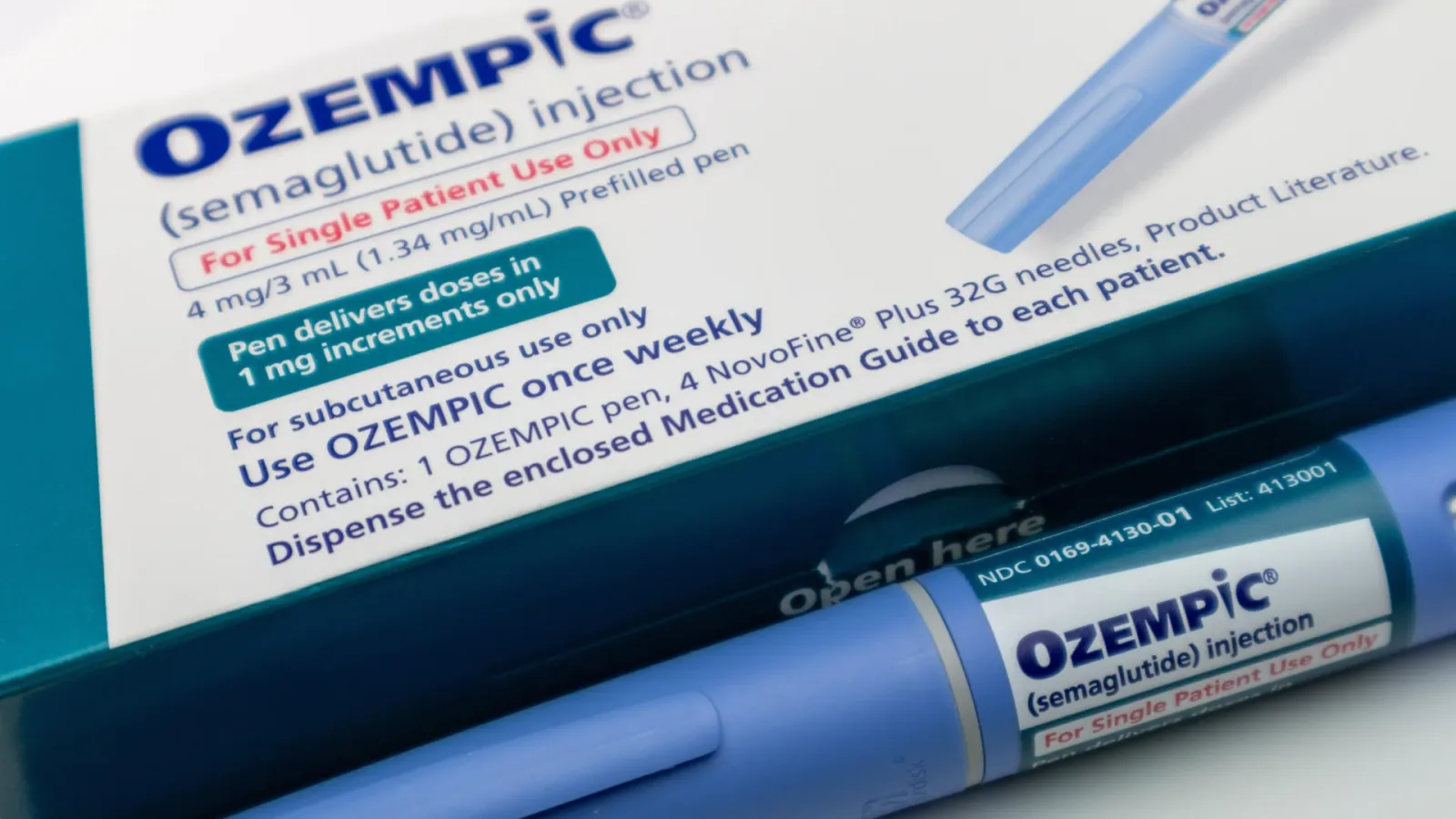
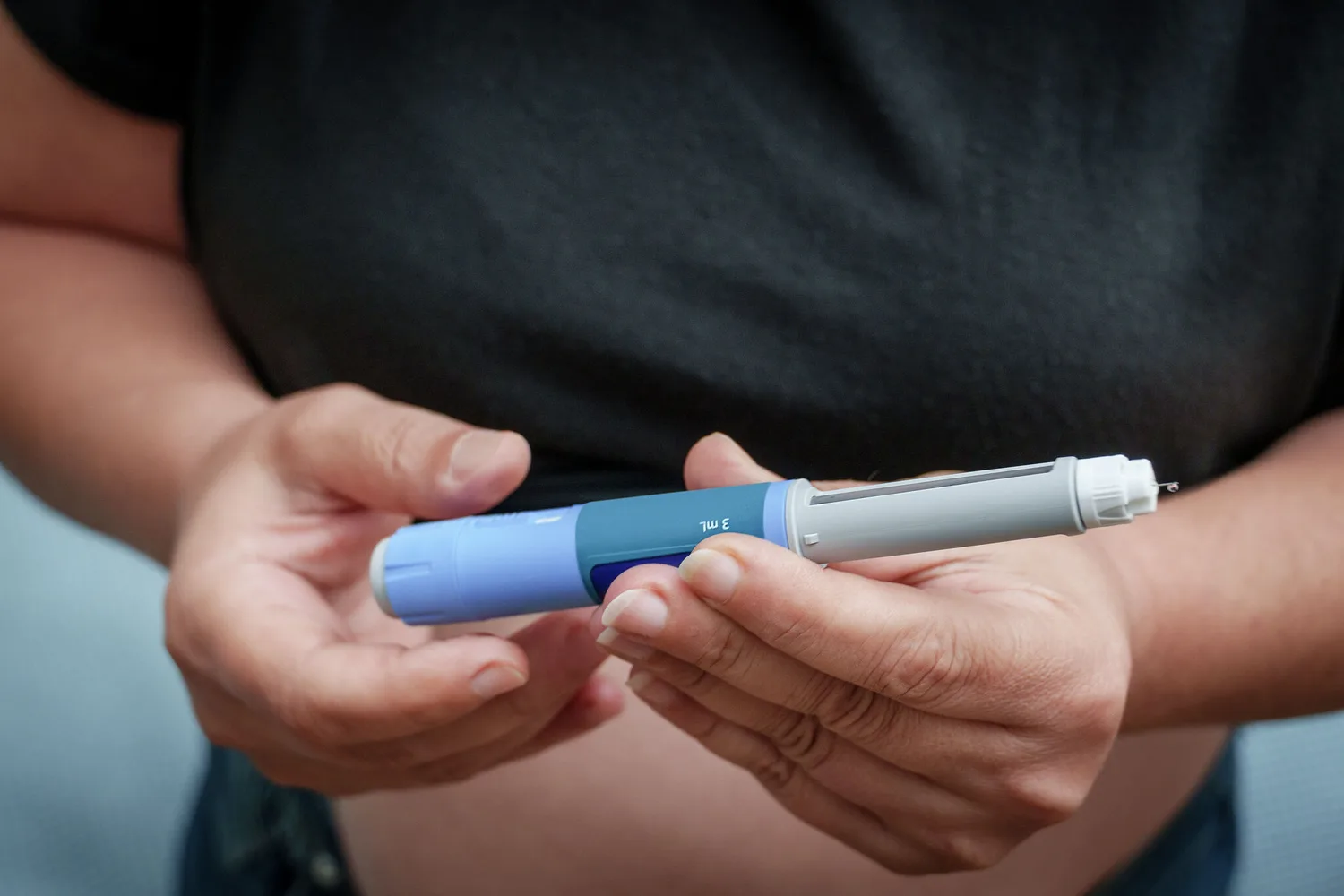
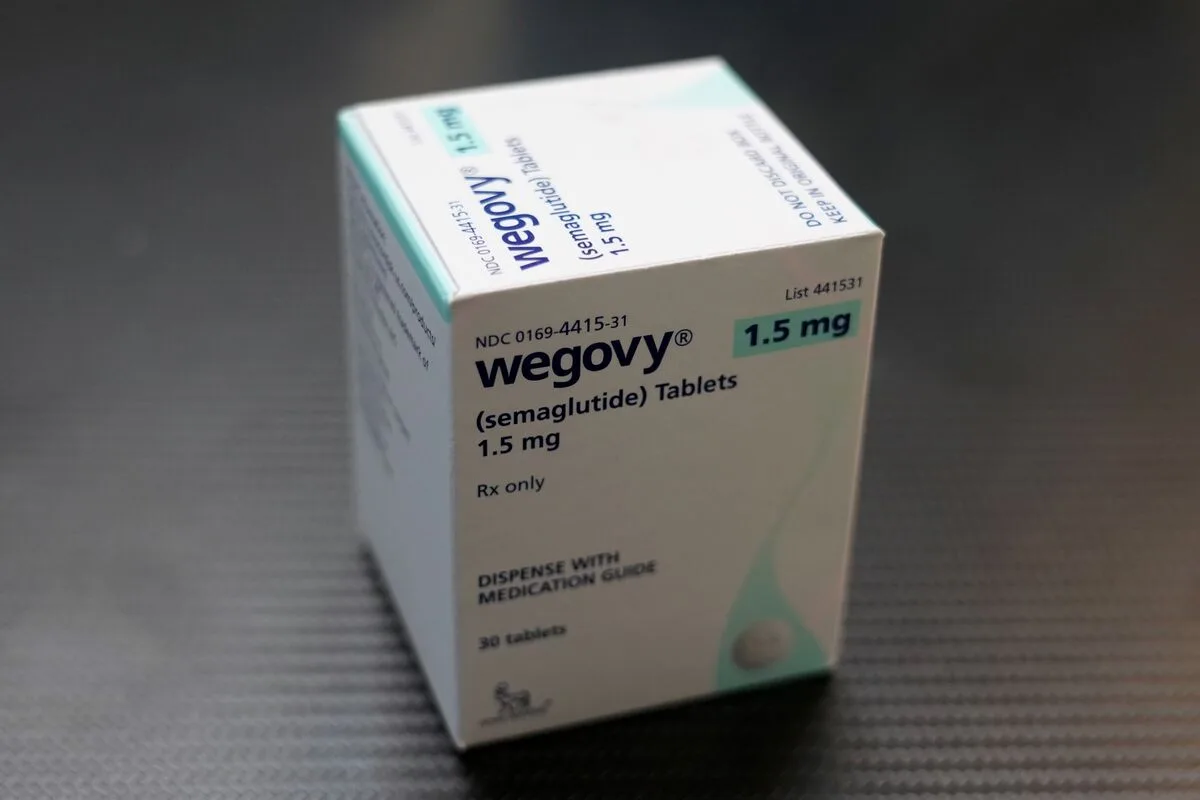
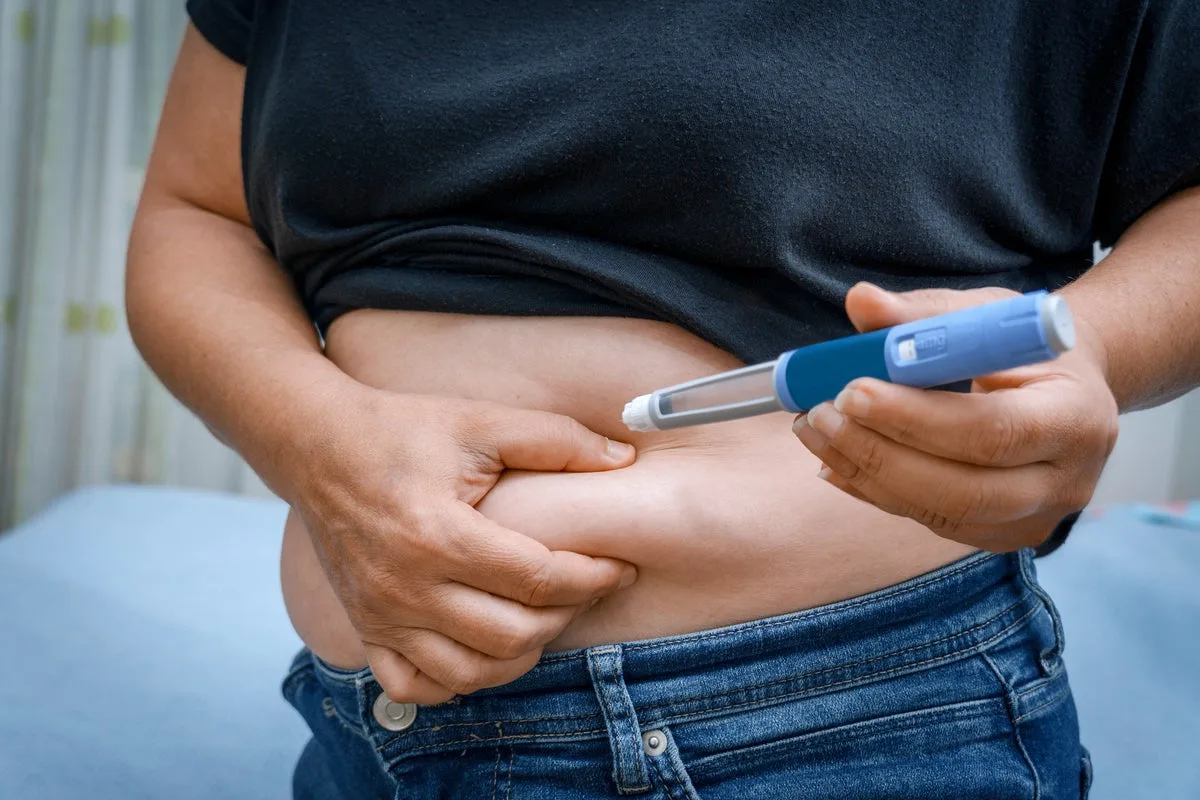
Glucagon-like peptide-1 (GLP-1) receptor agonists, including semaglutide (Ozempic for type 2 diabetes, Wegovy for weight management) and tirzepatide (Mounjaro for diabetes, Zepbound for obesity), mimic the GLP-1 hormone to regulate blood sugar, slow gastric emptying, and signal fullness to the brain. A November KFF survey reveals one in eight U.S. adults now use these injectables—or emerging oral forms—for weight loss or conditions like diabetes. Novo Nordisk alone reported over $31 billion in 2024 revenue from these drugs, rivaling chunks of national GDPs.
This boom isn't just medical; it's cultural and economic. Hashtags like #OzempicFace highlight rapid fat loss effects, while celebrities fuel social media buzz. But the true disruption lies in how GLP-1s reshape behaviors, slashing spending across sectors. We'll explore the science, studies, and implications for health-conscious users.
How GLP-1s Work: The Science of Appetite Suppression
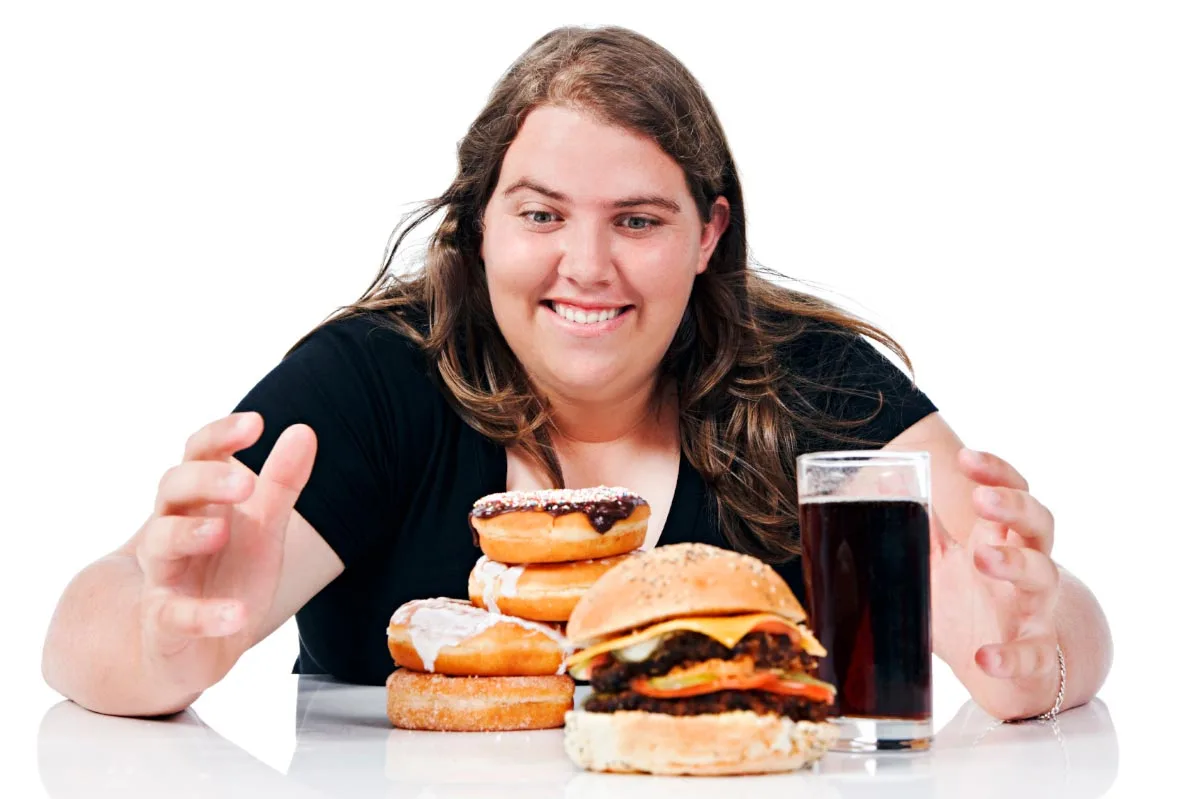
GLP-1s excel by targeting multiple pathways. They delay stomach emptying, promoting satiety after smaller meals. Critically, they influence the brain's hypothalamus and reward centers (nucleus accumbens), reducing cravings for high-calorie, ultra-processed foods and even alcohol. This isn't willpower—it's neurochemical, as explained by Dr. Will Haas, a board-certified integrative medicine physician.
Clinical trials like STEP (semaglutide) and SURMOUNT (tirzepatide) show 15-20% body weight loss over 68 weeks, sustained with lifestyle integration. Yet, success demands more: preserving muscle via protein-rich diets and resistance training. Tools like Shotlee can help track symptoms, side effects, and nutrition to optimize therapy.
Key Mechanisms in Daily Life
- Satiety Signals: Enhanced insulin release and reduced glucagon curb hunger.
- Brain Reward Dampening: Diminished dopamine response to sugary/fatty foods.
- Gut-Brain Axis: Slower digestion prolongs fullness hormones.
Impact on Food and Grocery Spending
GLP-1 users report profound appetite shifts. Registered dietitian Nicolette Pace notes patients say, "I'm not as hungry... I just don't eat as much." A December Journal of Market Research study found households with GLP-1 users cut grocery spending by over 5% in six months. Bain & Company's January analysis echoes this: 5% less on fast food.
Why? Reduced portion sizes and craving control hit ultra-processed items hardest. Fast-food giants feel it—McDonald's may lose $482 million yearly and 28 million visits, per Redburn Atlantic. "Demand disruptors," analysts call them, with sales dipping amid health-focused habits.
"You're not getting that same kind of reward feedback loop from ultra-processed foods," says Dr. Haas.
Pace cautions: Eating less isn't enough. Transition to nutrient-dense foods—high-protein, fiber-rich—to avoid muscle loss or rebound weight. Unregulated "GLP-1 friendly" labels proliferate, but scrutinize ingredients and consult providers. Aim for 1.6-2.2g protein/kg body weight daily, per obesity guidelines.
Curbs on Alcohol and Beverage Consumption
GLP-1s' reward-center effects extend to alcohol. Dr. Haas sees patients with "reduced cravings and lower consumption." An EY-Parthenon March 2025 survey: 44% of users drink less, 82% sustain it post-medication. Alcohol stocks dipped last summer, partly blamed on GLP-1s, with Brown-Forman citing pressures alongside Gen Z trends.
Health focus amplifies this: "I'm investing in health elsewhere," Haas notes. Soda and coffee intake also falls, challenging beverage giants. Yet, Coca-Cola's zero-calorie options position it resiliently.
Precision tracking for your journey
Join thousands using Shotlee to accurately track GLP-1 medications and side effects.
📱 Get the Shotlee App
Track your GLP-1 medications, peptides, and health metrics on the go with our mobile app!
Clinical Note: Nausea, a common GLP-1 side effect, further deters alcohol, which exacerbates GI issues. Hydrate with electrolytes; track intake via apps like Shotlee for personalized insights.
Aviation Fuel Savings: Lighter Passengers, Lower Costs
Jefferies analysts project U.S. airlines saving $580 million next year as GLP-1s slim populations. Each pound saved per passenger cuts fuel needs—airlines obsess over weights, from pitless olives to lighter paper. With average U.S. weight loss potential, this scales massively.
Population-level effects emerge slowly but surely, underscoring GLP-1s' societal footprint.
Fashion and Beauty Industries in Flux
Impact Analytics' September study shows smaller sizes surging, reversing plus-size trends. Returns rise as bodies change rapidly, risking billions in margins. Retailers adapt: Fewer extended sizes in stores, more online for 2XL+.
"GLP-1s collapse traditional demand at unprecedented speed," warns founder Prashant Agrawal. Beauty responds too—"Ozempic face" (sagging skin from facial fat loss) spurs targeted skincare. Pro Tip: Hydrate, use retinoids, and consider hyaluronic fillers; resistance training preserves volume.
Fitness Boom: Prioritizing Muscle Preservation
Dr. Haas observes more gym focus on resistance over cardio: "People buy into not losing muscle mass." Life Time's programs tailor for GLP-1 users, emphasizing strength training and nutrition, per chief science officer Jim LaValle.
Obesity experts agree: GLP-1s cause 20-40% weight loss as lean mass without intervention. Counter with progressive overload (3-4x/week), 10-20 sets/muscle group. Gyms thrive, blending pharma with fitness for sustained results.
Broader Implications and Patient Guidance
Managing Side Effects and Long-Term Success
Common issues—nausea (20-40% initially), constipation, "Ozempic face"—fade with titration (e.g., Ozempic starts 0.25mg weekly). Muscle loss risks sarcopenia; mitigate via diet/exercise. Monitor A1c, lipids for cardiometabolic wins (50% heart risk reduction in trials).
Lifestyle Synergy
- Protein-first meals to sustain satiety.
- Resistance training 150min/week.
- Behavioral therapy for habits.
Conclusion
GLP-1s transcend weight loss, curbing food/alcohol spending, aiding airlines, reshaping fashion, and boosting fitness. Backed by KFF, Jefferies, and clinical data, their $31B+ economy signals a healthier paradigm. For users: Pair meds with habits for transformative, sustainable health. Consult providers; track progress diligently.