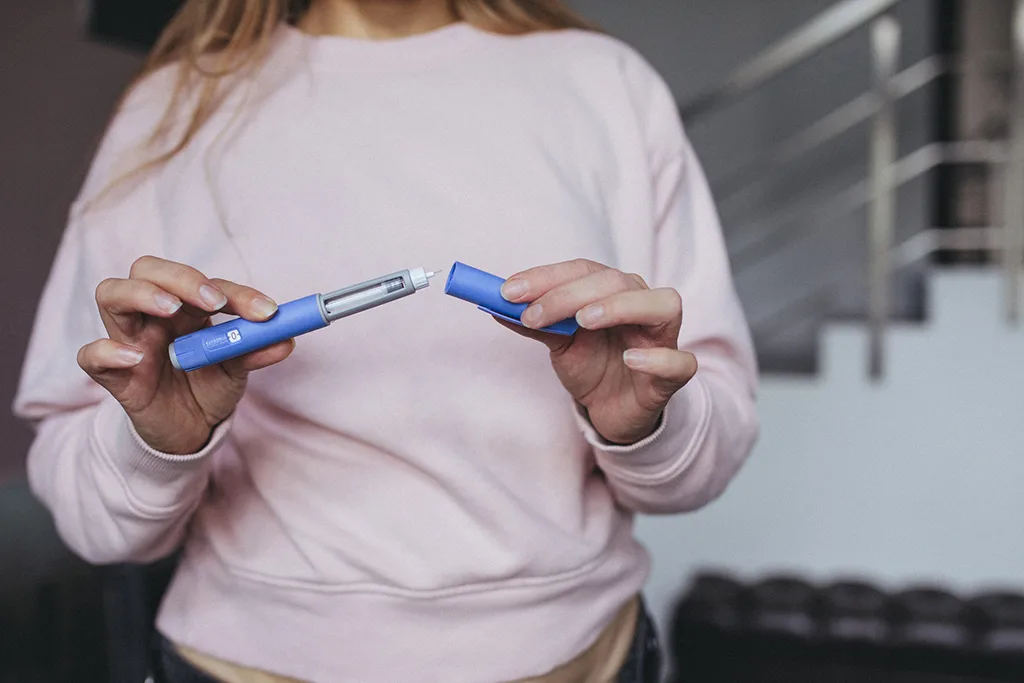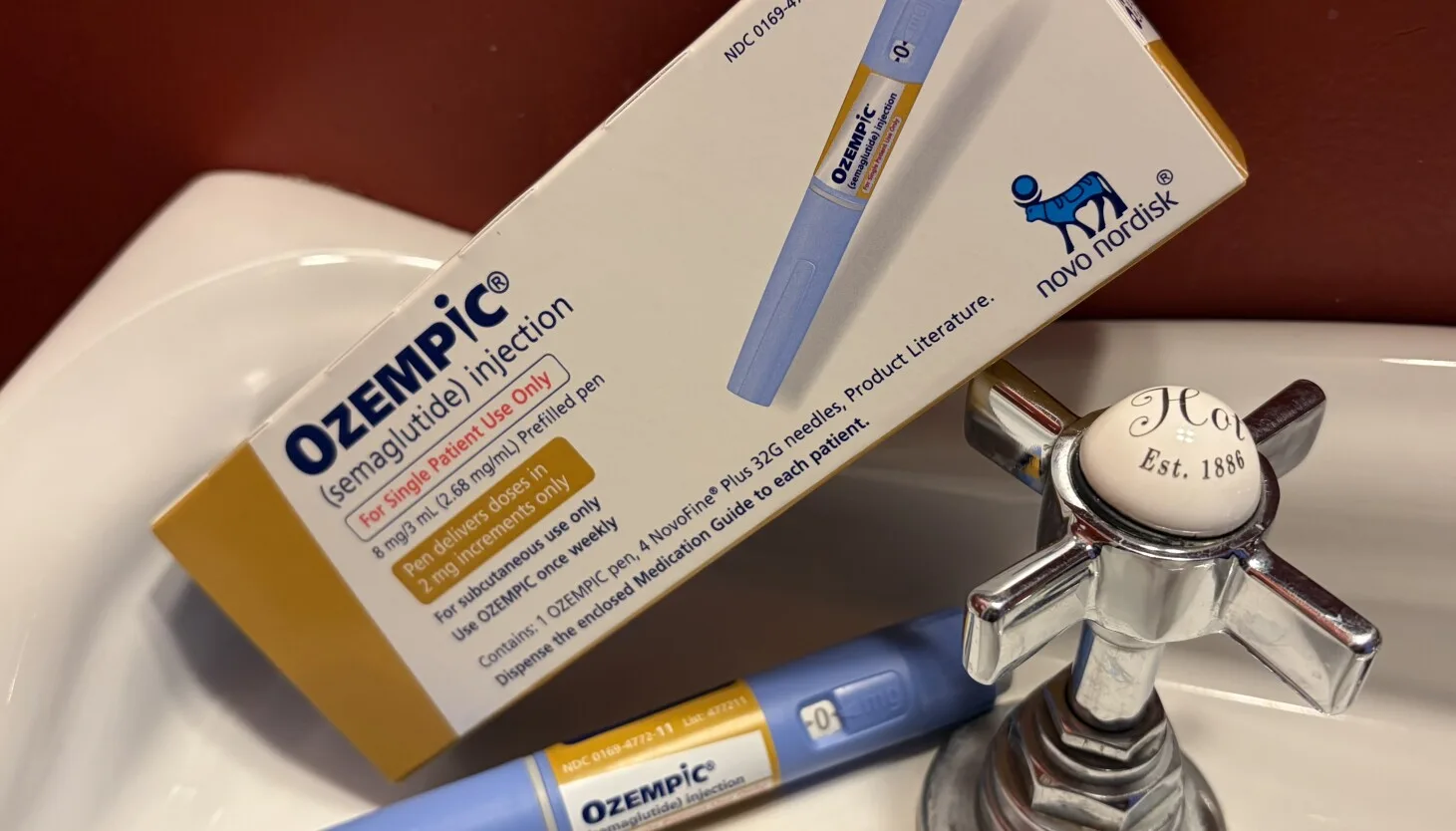

Weight-loss injections, known as GLP-1 medications, have surged from specialist clinics to social media and high-street pharmacies. Originally developed for type 2 diabetes management, these drugs are now widely prescribed for weight loss. But as their popularity grows, questions about GLP-1 weight-loss drug supplements arise: do they help counter potential nutritional shortfalls, or is it all hype?
Written by Jordan Beaumont, Senior Lecturer in Food and Nutrition at Sheffield Hallam University, this guide dives into the evidence, mechanisms, and practical advice for users.
What Are GLP-1 Medications and How Do They Promote Weight Loss?
GLP-1 medications mimic a hormone called glucagon-like peptide-1 (GLP-1), which plays a key role in regulating appetite and blood sugar levels. By activating GLP-1 receptors in the gut and brain, these drugs slow gastric emptying, increase feelings of fullness (satiety), and reduce overall food intake. This mechanism often leads to significant weight loss, particularly in the short term, as supported by clinical evidence.
For patients with obesity or type 2 diabetes, GLP-1 agonists like semaglutide (found in brands such as Ozempic or Wegovy) have shown robust results in trials. However, the reduced calorie intake inherent to their effects raises flags about nutrient adequacy. Eating less doesn't just mean fewer calories—it can mean fewer essential vitamins, minerals, and fiber if diet quality slips.
From Diabetes Treatment to Weight Management
These injectable therapies were first approved for glycemic control in type 2 diabetes. Their weight-loss side effect prompted expanded indications. Today, they're a cornerstone of metabolic health strategies, but users must navigate potential downsides like gastrointestinal issues, muscle loss, and—crucially—nutritional gaps.
Evidence Linking GLP-1 Medications to Nutrient Deficiencies
A recent review of evidence indicates that some people on GLP-1 medications may not get enough key nutrients. At risk are vitamins A, C, D, E, and K, dietary fiber, and minerals like iron, calcium, magnesium, zinc, and copper.
Nutritional deficiencies happen when the body lacks sufficient nutrients for optimal function. Estimates vary: some research suggests more than 20% of people may be at risk within the first year of starting GLP-1 medications, while others report impacts as low as less than 1% of users.
Much of this research is observational, identifying patterns and associations but not proving causation. GLP-1 medications directly cause reduced food intake, which indirectly heightens deficiency risks over time. Factors like pre-existing diets, duration of use, and individual metabolism influence vulnerability.
Why These Nutrients Matter for GLP-1 Users
- Vitamin D: Crucial for bone health and immunity; many in the UK risk deficiency in winter due to low sunlight.
- Iron and Zinc: Support energy, immune function, and muscle maintenance—vital amid GLP-1-related muscle loss concerns.
- Fiber: Aids digestion, which GLP-1s already slow, preventing constipation.
- Calcium and Magnesium: Essential for heart and nerve function, countering potential electrolyte shifts.
Patients should monitor symptoms like fatigue, hair thinning, or brittle nails, potentially using apps like Shotlee to track intake and side effects alongside medication schedules.
The Boom in GLP-1 Support Supplements
As deficiency concerns mount, supplement companies have launched "GLP-1 support" products. Marketed to offset side effects like muscle loss and vitamin shortfalls, they promise tailored nutrients for weight-loss drug users. But do people taking GLP-1 medications actually need these supplements?
The vitamin and mineral supplement debate is longstanding in nutrition science. For healthy individuals with balanced diets, evidence for benefits is limited. Supplements shine for confirmed deficiencies, not routine use.
Precision tracking for your journey
Join thousands using Shotlee to accurately track GLP-1 medications and side effects.
📱 Get the Shotlee App
Track your GLP-1 medications, peptides, and health metrics on the go with our mobile app!
Safety Considerations with Supplements and GLP-1s
While generally safe, excess intake (e.g., fat-soluble vitamins A, D, E, K) can lead to toxicity. GLP-1 users, prone to nausea or altered absorption, should consult doctors before adding supps. Common side effects of GLP-1s like diarrhea may further impair nutrient uptake.
Do GLP-1 Weight-Loss Drug Supplements Deliver? Analyzing the Hype
Many GLP-1 support supplements include ingredients not clearly linked to user needs. Labeled "science-backed" or "evidence-based," their research is often selective—conducted outside GLP-1 contexts.
For example, biotin is hyped for hair and skin health in these products. Yet, evidence for this is weak, and no strong research ties it specifically to GLP-1 benefits. Most people get ample biotin from diet, making extra supplementation unnecessary.
Premium pricing doesn't equate to superior quality. Standard, affordable high-street multivitamins often suffice if needed.
Comparing GLP-1 Supplements to Alternatives
Unlike prescription GLP-1s backed by RCTs, these supplements rely on weak evidence. Basic multivitamins or targeted options (e.g., vitamin D in winter) offer better value. For muscle preservation, protein-rich diets outperform unproven add-ons.
Practical Guidance: Addressing Deficiencies Without the Hype
Potential deficiencies can often be tackled without expensive specialist supplements. Small dietary changes are key: prioritize nutrient-dense whole foods like fruits, vegetables, whole grains, nuts, seeds, dairy or fortified alternatives, and lean/plant-based proteins.
Personalized Nutrition for GLP-1 Users
Nutritional support should be tailored to personal needs and goals—what experts call personalized care. Factors like baseline diet, health status, and deficiency risks vary. Ideally, consult a qualified healthcare professional such as a registered dietitian or nutritionist, especially for high-risk groups (e.g., vegans, elderly).
Where deficiencies are confirmed, opt for standard supplements. Routine use of GLP-1-specific products is unjustified—they rarely outperform basics.
- Discuss with your doctor: Blood tests can pinpoint issues before supplementing.
- Track progress: Monitor weight, energy, and symptoms.
- Combine with lifestyle: Pair GLP-1s with exercise for muscle retention and nutrient optimization.
Key Takeaways: What This Means for GLP-1 Users
- GLP-1 medications effectively support weight loss via appetite regulation but may increase nutrient deficiency risks (e.g., >20% in first year per some studies).
- Diet-first approach with whole foods often suffices; standard supplements if needed.
- GLP-1 weight-loss drug supplements are largely hype—weak evidence, selective science, no proven edge over affordable options.
- Seek personalized advice from dietitians; avoid unneeded supps to prevent waste or risks.
Conclusion: Focus on Evidence, Not Marketing
The key message is straightforward: supplements are most useful for confirmed deficiencies or when diet falls short. For GLP-1 users, proactive nutrition trumps reactive hype. By emphasizing balanced eating and professional guidance, you can maximize benefits while minimizing risks.
Jordan Beaumont receives funding from the National Institute for Health and Care Research (NIHR). He is affiliated with the Association for the Study of Obesity and the Faculty of Public Health. Courtesy of The Conversation.
Related topics: Explore GLP-1 side effects management, type 2 diabetes nutrition, or metabolic health diets for deeper insights.