
The Promise and Potential Pitfalls of GLP-1 Agonists
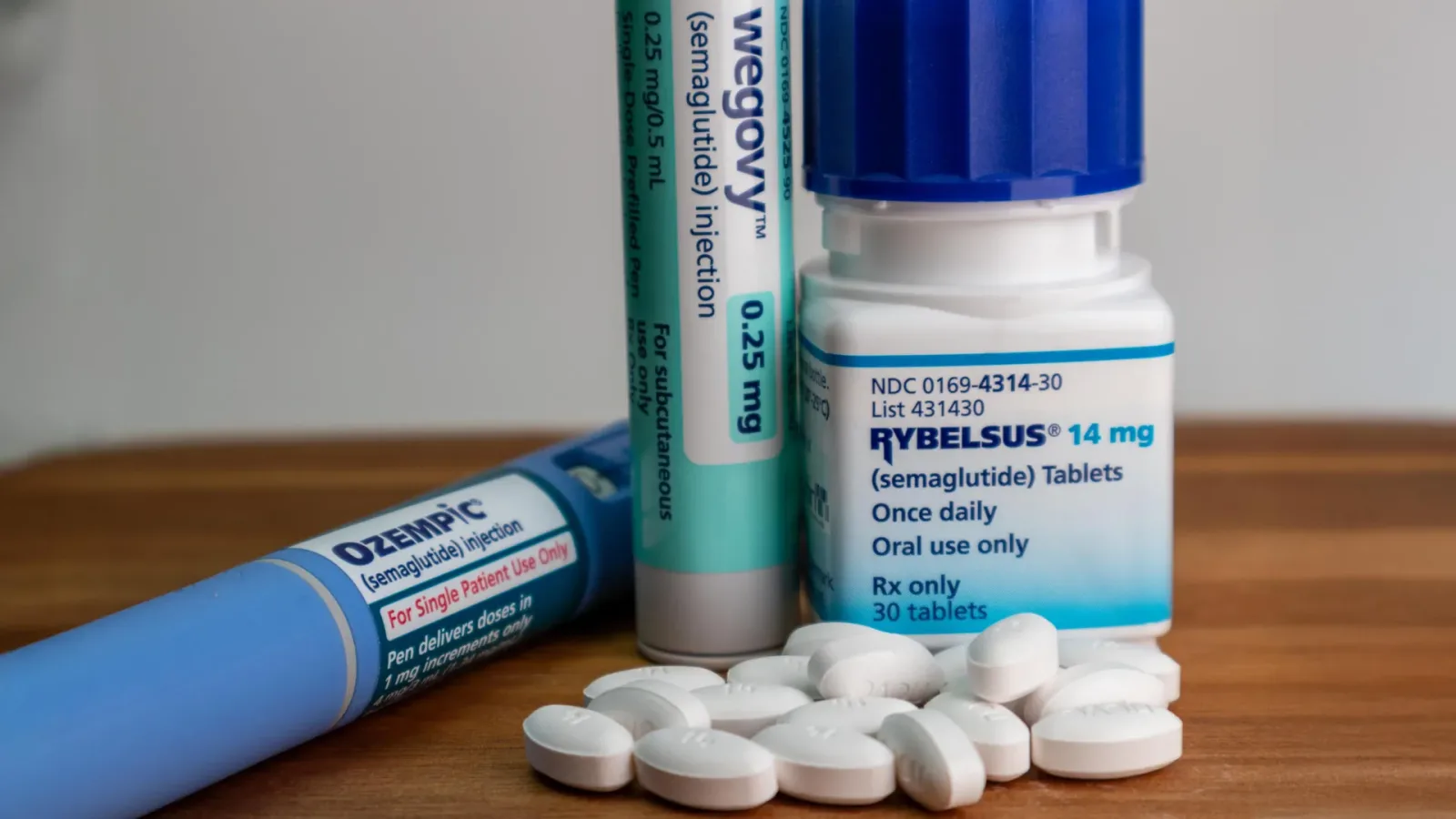
The landscape of weight management and type 2 diabetes treatment has been dramatically reshaped by the advent of GLP-1 receptor agonists. Medications like semaglutide (marketed as Ozempic and Wegovy) and tirzepatide (known as Mounjaro and Zepbound) have demonstrated remarkable efficacy in helping individuals achieve significant weight loss and improve glycemic control. Their mechanism of action, which involves mimicking the GLP-1 hormone to regulate appetite, slow gastric emptying, and enhance insulin secretion, has offered a beacon of hope for millions.
However, as with many powerful therapeutic interventions, these groundbreaking drugs may come with unintended consequences. Beyond their primary benefits, there's growing concern that GLP-1 agonists could be interfering with the body's ability to absorb essential nutrients. This potential side effect warrants a closer examination, especially for individuals on these medications long-term.
New Research Highlights Nutrient Deficiency Risks
A recent study conducted by researchers at the University of Guadalajara, Mexico, has shed light on this emerging concern. Published in the journal Clinical Obesity, the study investigated the association between the use of GLP-1 drugs for obesity and/or type 2 diabetes (T2D) and the risk of nutritional deficiencies. The findings suggest that individuals taking these popular medications may indeed be at an increased risk of experiencing gaps in essential vitamins and minerals.
This research is particularly significant because it moves beyond anecdotal reports to provide empirical data on a widespread issue. While the exact mechanisms are still being explored, the general understanding is that the physiological changes induced by GLP-1 agonists, such as slowed digestion and reduced food intake, could impact how the body processes and absorbs nutrients from the food consumed.
Which Nutrients Are Potentially at Risk?
The University of Guadalajara study identified several key nutrients that users of GLP-1 medications might be deficient in. These deficiencies can have a wide range of health implications, affecting everything from energy levels and immune function to bone health and cognitive performance. Understanding which nutrients are most vulnerable is the first step toward proactive management.
Key Nutrients of Concern:
- Vitamins: Particularly water-soluble vitamins like B vitamins (including B12), vitamin C, and fat-soluble vitamins like vitamin D and vitamin K.
- Minerals: Essential minerals such as iron, calcium, magnesium, and zinc are also flagged as potential areas of concern.
The impact of these deficiencies can be multifaceted. For instance, low levels of iron can lead to fatigue and anemia, while insufficient calcium and vitamin D can compromise bone density. Deficiencies in B vitamins can affect energy metabolism and neurological function, and inadequate zinc can impair immune responses.
Precision tracking for your journey
Join thousands using Shotlee to accurately track GLP-1 medications and side effects.
📱 Get the Shotlee App
Track your GLP-1 medications, peptides, and health metrics on the go with our mobile app!
Understanding the Mechanisms: How GLP-1s Might Affect Nutrient Absorption
The precise ways in which GLP-1 receptor agonists might lead to nutrient deficiencies are complex and likely multifactorial. The medications' primary effects on the gastrointestinal system play a significant role.
Factors Contributing to Deficiencies:
- Delayed Gastric Emptying: GLP-1 agonists slow down the rate at which food leaves the stomach. While this contributes to satiety and reduced calorie intake, it can also mean that food stays in the stomach for longer periods. This prolonged transit time might alter the digestive processes required for optimal nutrient breakdown and absorption in the small intestine.
- Reduced Food Intake: A significant component of GLP-1 therapy is appetite suppression, leading to a reduced overall intake of food. While this is beneficial for weight loss, it also means a lower dietary intake of all nutrients. If the diet is not carefully planned to be nutrient-dense, this reduced intake can easily lead to deficiencies, especially if absorption is also compromised.
- Changes in Gut Microbiome: Emerging research suggests that changes in diet and gut transit time can influence the composition of the gut microbiome. The gut microbiome plays a crucial role in nutrient synthesis and absorption. Alterations could potentially impact the availability of certain vitamins and minerals.
- Direct Effects on Absorption Pathways: While less understood, there's a possibility that GLP-1 agonists could have more direct effects on the specific transport mechanisms within the intestinal lining responsible for absorbing certain nutrients.
Managing Nutrient Status While on GLP-1 Therapy
The findings of the University of Guadalajara study, while concerning, should not deter individuals from benefiting from GLP-1 medications if they are medically indicated. Instead, they underscore the importance of a proactive and informed approach to health management. For individuals on Ozempic, Wegovy, Mounjaro, Zepbound, or other GLP-1 agonists, incorporating strategies to monitor and maintain adequate nutrient levels is crucial.
Strategies for Nutrient Management:
- Regular Monitoring: The most critical step is regular consultation with a healthcare provider. Discussing potential nutrient deficiencies and undergoing periodic blood tests to check levels of key vitamins and minerals can help identify issues early.
- Nutrient-Dense Diet: Focus on consuming a diet rich in whole, unprocessed foods. Prioritize lean proteins, a variety of fruits and vegetables, whole grains, and healthy fats. Ensure meals are balanced and provide a broad spectrum of micronutrients.
- Supplementation: Based on blood test results and healthcare provider recommendations, targeted supplementation may be necessary. This could include multivitamins or specific supplements for nutrients found to be low. It's important to avoid over-supplementation and to use supplements under medical guidance.
- Consider Timing of Intake: While not a direct fix for absorption issues, ensuring that nutrient-rich foods are consumed when appetite is present can maximize intake.
- Utilize Health Tracking Tools: Tools like the Shotlee app can be invaluable for tracking medication doses, symptom changes, and even dietary intake. By logging meals and noting any new symptoms or concerns, individuals can provide their healthcare team with comprehensive data to better understand their individual response to therapy and identify potential nutrient-related issues.
The Importance of a Holistic Approach
Weight loss and diabetes management are complex journeys that require a comprehensive strategy. GLP-1 receptor agonists are powerful tools that have revolutionized care for many, but they are just one part of the picture. The potential for nutrient deficiencies highlights the need for a holistic approach that integrates medication with diligent nutritional planning, regular medical monitoring, and a focus on overall well-being.
By staying informed, communicating openly with healthcare providers, and utilizing available resources for tracking and management, individuals can navigate their treatment journey with greater confidence and ensure they are supporting their body's nutritional needs alongside their weight and metabolic health goals.
Conclusion
The emergence of research linking GLP-1 medications to nutrient deficiencies is a critical development in understanding the full impact of these widely used drugs. While the benefits for weight loss and diabetes management are undeniable, a proactive stance on monitoring and addressing potential micronutrient gaps is essential. By working closely with healthcare professionals, focusing on a nutrient-dense diet, and potentially utilizing targeted supplementation, individuals can maximize the benefits of GLP-1 therapy while safeguarding their overall health.