
GLP-1 Microdosers Chase Longevity: Survey Insights
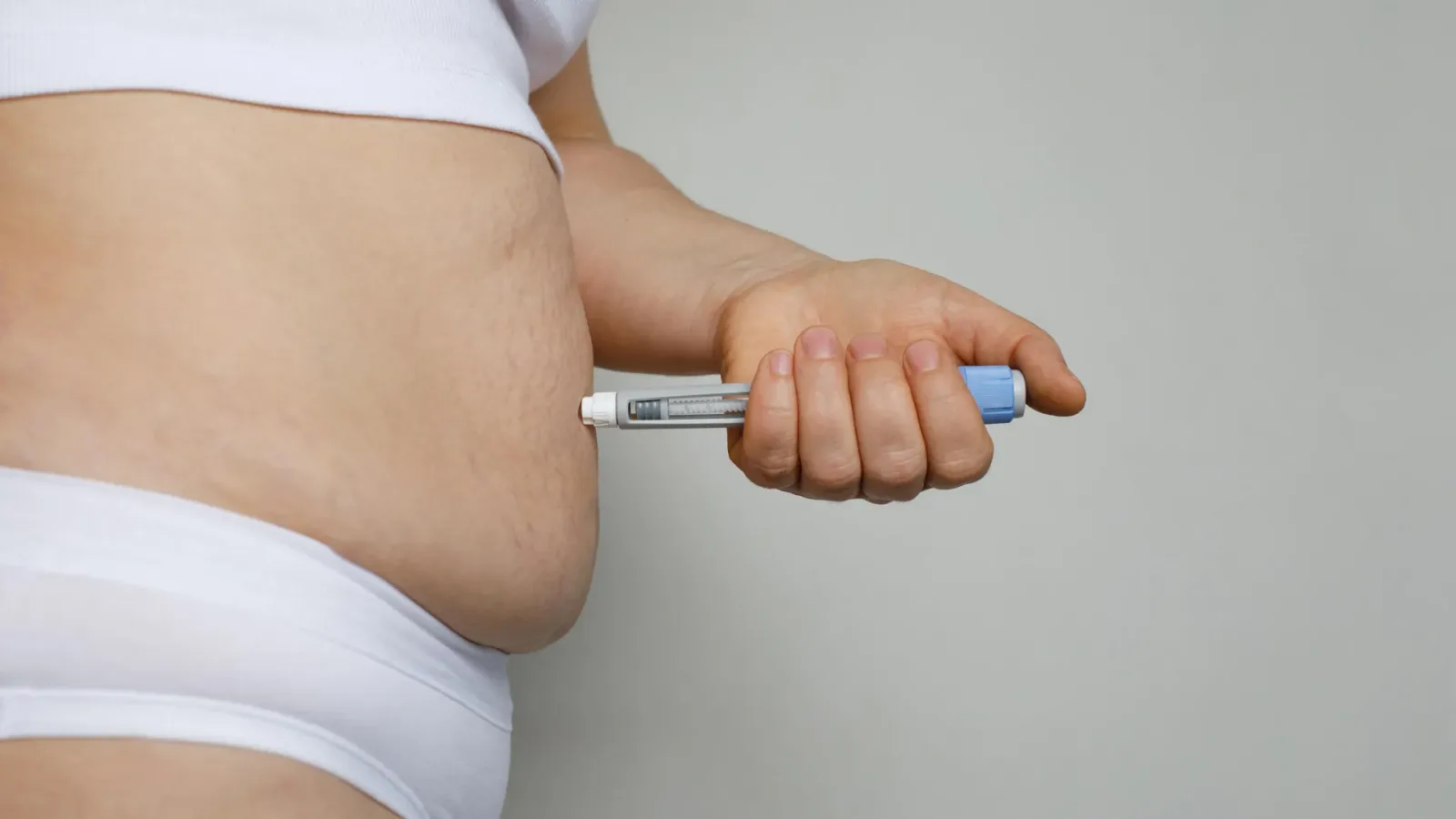
GLP-1 microdosing has emerged as a trend among users of medications like Ozempic and Wegovy, with a recent survey highlighting its appeal for pursuing longevity. More than 10 percent of U.S. adults take GLP-1 drugs, but not all opt for full therapeutic doses. Around one in seven users has "microdosed" injections, according to health tracking app Evidation. This practice involves taking tiny portions, often for practical reasons like cutting costs or to harness the drugs' effects for better health and longer lives—without significant weight loss or side effects such as gastrointestinal issues and muscle loss.
What Are GLP-1 Drugs and How Do They Work?
GLP-1 drugs, such as Ozempic and Wegovy, mimic the body's glucagon-like peptide-1 (GLP-1) hormone. This hormone plays a key role in regulating appetite, metabolism, and blood sugar levels, making these medications blockbuster treatments for type 2 diabetes and obesity. By activating GLP-1 receptors in the pancreas, brain, and gut, they slow gastric emptying, increase insulin secretion, and reduce glucagon release, leading to better glycemic control and reduced hunger.
Beyond weight management, emerging research points to broader systemic benefits. GLP-1 agonists have shown potential to reduce inflammation and oxidative stress—two hallmarks of aging. They may lower risks of major cardiovascular problems, decrease cancer risk, and influence conditions like Alzheimer's disease and arthritis. Some scientists speculate these effects could slow cellular aging and prevent age-related chronic conditions, positioning GLP-1s as potential longevity drugs.
The Science Behind Microdosing GLP-1 for Longevity
Microdosing GLP-1 involves using lower doses than those approved for diabetes or obesity treatment, typically starting at fractions of the standard weekly injection. Proponents aim to tap into the drugs' pleiotropic effects—benefits beyond weight loss—such as improved metabolic health and reduced chronic disease risk.
While rigorous scientific data on microdosing is lacking, preliminary findings are intriguing. For instance, researchers reported last year in JAMA Psychiatry that a low dose of semaglutide—the active ingredient in Ozempic and Wegovy—might reduce alcohol cravings. Companies like AgelessRx, a longevity-focused telehealth clinic, explicitly sell GLP-1 microdoses, advertising them as "a powerful new path to promoting long-term wellness." AgelessRx is even launching a clinical trial to examine how GLP-1 microdosing affects health and quality of life.
The Evidation Survey: Who’s Microdosing and Why?
The Evidation survey provides the first broad snapshot of GLP-1 microdosing prevalence. Among users, motivations vary: some microdose to afford the high-cost drugs, which can exceed $1,000 monthly without insurance. Others seek the drugs' anti-aging potential without the full-dose side effects like nausea, vomiting, diarrhea, or sarcopenia (muscle loss).
This trend resonates in clinical settings too. Shamsah Amersi, an ob-gyn in Santa Monica, Calif., discusses microdosing with all patients entering perimenopause. About 60 percent of her patients over 40 use one. Amersi claims the majority feel better and show improvements on lab tests measuring metabolic and overall health. "GLP-1 is one of the most transformative therapies in modern medicine," she says, though she notes the drugs are not for everyone. She advocates for microdosing under medical supervision to monitor responses, even absent definitive data.
Expert Opinions: Promise vs. Caution
Experts are divided. Bariatric medicine specialist Katy Williams of the University of Missouri Health Care in Jefferson City states, "there is no rigorous scientific data to support microdosing." She urges longevity seekers to prioritize diet, exercise, and sleep instead, warning of unproven benefits and potential risks.
Precision tracking for your journey
Join thousands using Shotlee to accurately track GLP-1 medications and side effects.
📱 Get the Shotlee App
Track your GLP-1 medications, peptides, and health metrics on the go with our mobile app!
Clinical pharmacist Anne Komé of the University of North Carolina Medical Center in Chapel Hill echoes wariness in her 2025 e-letter published in Diabetes Care. There's insufficient data to confirm microdosing extends life, she says. However, it could optimize therapy for those struggling with affordability, gastrointestinal issues, or other side effects.
All medications come with potential risks and side effects. It's not worth taking that chance when benefits are unproven.
- Katy Williams, University of Missouri Health Care
Safety Considerations and Side Effects
Common GLP-1 side effects include gastrointestinal distress, which microdosing may mitigate. However, risks like pancreatitis, gallbladder issues, or thyroid tumors (in animal studies) persist at any dose. Long-term effects on muscle mass, bone density, or hormonal balance in non-obese users remain understudied.
Sourcing is a major concern. Williams warns against the "Wild West" of online vendors and compounding pharmacies, which lack the strict regulation of major manufacturers. Customers can't always verify label accuracy, risking contamination or incorrect dosing. Patients should consult providers and use FDA-approved sources.
Who Might Benefit from GLP-1 Microdosing?
Potential candidates include perimenopausal women experiencing metabolic shifts, biohackers targeting inflammation, or those with side effect intolerance on full doses. Discuss with a doctor: review medical history, baseline labs (e.g., A1C, lipids, inflammatory markers), and monitor via apps like Shotlee for symptoms and schedules.
Comparisons to alternatives: Statins or metformin offer cardiovascular protection but lack GLP-1's multi-target effects. Lifestyle interventions remain foundational, potentially amplified by microdosing.
Key Takeaways: What This Means for Patients
- 1 in 7 GLP-1 users microdose per Evidation, often for cost or longevity.
- Drugs like Ozempic/Wegovy show promise for aging via inflammation reduction, but microdosing lacks robust data.
- Experts like Amersi see benefits in supervised use; Williams and Komé urge caution.
- Prioritize regulated sources and doctor oversight to weigh risks vs. potential metabolic gains.
Conclusion: Navigating the Longevity Hype
GLP-1 microdosing reflects a quest for optimized health amid blockbuster drug success. While surveys and anecdotes fuel interest, science lags. Patients should weigh expert cautions, monitor closely, and integrate with proven habits for sustainable wellness. Stay informed as trials like AgelessRx's progress.